4 easy homemade dressing recipes
Recipes
-
12.12.25
Suggestions
Grape must vinegar: What makes it so unique?
Sommaire
Grape must vinegar is gaining attention among chefs, food lovers and anyone searching for authentic products. Its growing popularity comes from its deep aromas, natural sweetness and traditional, artisanal production methods—very different from the industrial approach.
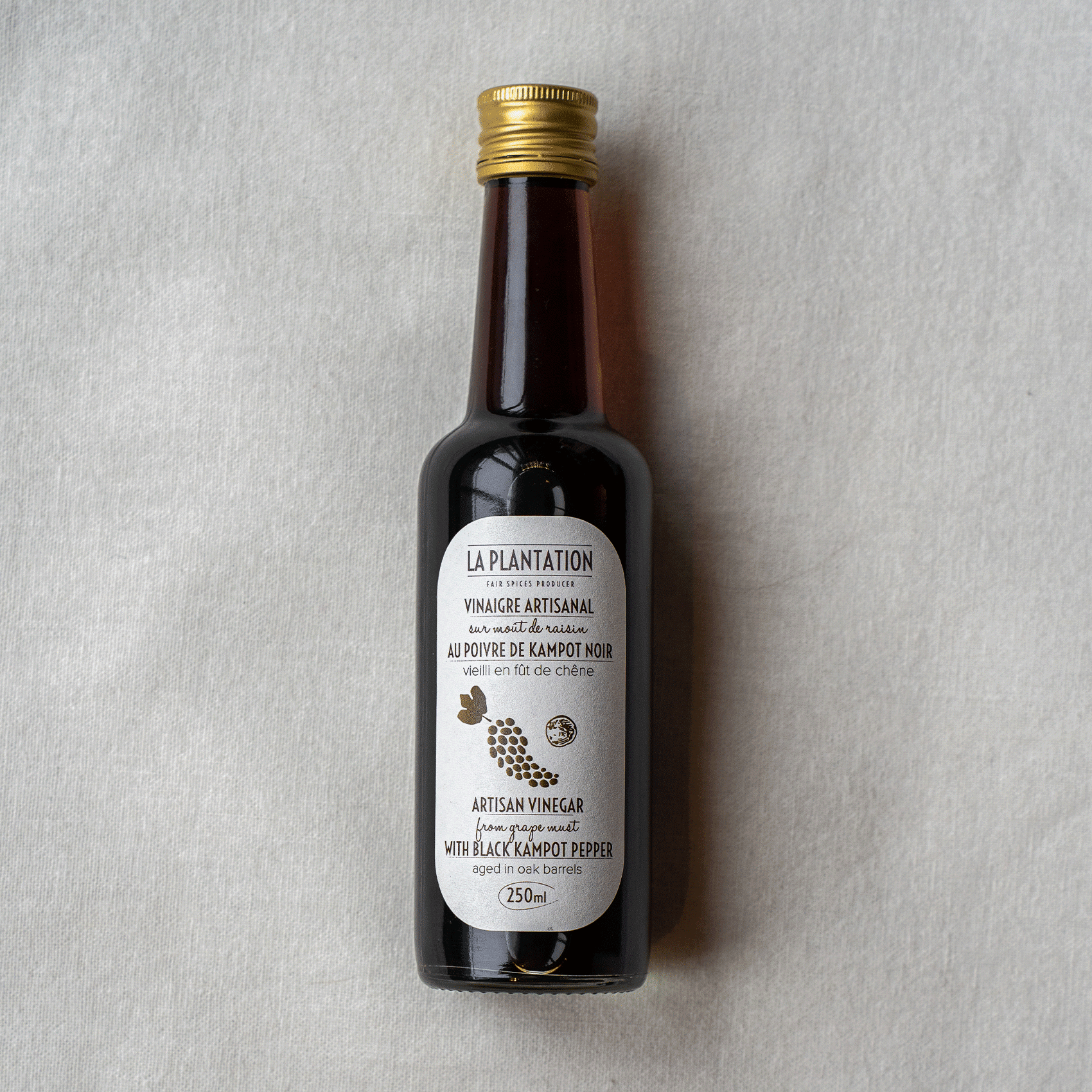
While most industrial vinegars are produced in a matter of hours, some artisans continue to defend time, patience and high-quality ingredients. This is true for THEO, a German vinegar house founded in 1868, and La Plantation, a family-run spice farm in Kampot, Cambodia. Together, they create a collection of handcrafted grape must vinegars infused with rare spices for truly distinctive flavours.
What is grape must vinegar?
Grape must vinegar is made from grape must—a pressed grape juice that still contains natural sugars, primary aromas and vegetal elements. Using must instead of plain juice produces a vinegar that is naturally softer, fruitier and more complex.
Grape juice is the fresh liquid extracted from the fruit.
Grape must is this same juice, gently heated or concentrated to reveal richer aromas and a denser texture.
Fermented must has already undergone the first stage of microbial transformation, beginning its journey toward acetic fermentation.
Grape must vinegar is made from fermented must before full fermentation is complete. This preserves the natural sweetness of the fruit and gives the final vinegar a smoother, rounder, more aromatic profile.
The difference between grape must vinegar and other types of vinegar is clear from the very first drops.
Grape must vinegar combines sweetness, depth and finesse. Its gentle acidity (around 5%) makes it a more gastronomic vinegar, valued for its ability to balance a dish rather than dominate it with sharpness.
A classic wine vinegar is usually made to bring acidity and brightness.
An industrial vinegar, on the other hand, focuses on speed: fast production, less defined aromas and sometimes added flavourings to compensate for the lower quality of the base ingredients.
Grape must vinegar stands apart for its natural roundness, aromatic complexity and the elegance it brings to both simple and refined dishes.
How grape must vinegar is made
The production of grape must vinegar relies on a slow, controlled process. Every step aims to preserve the natural aromas and identity of the product—far from the rapid industrial methods.
THEO, La Plantation’s partner in Germany, represents this craftsmanship perfectly. This family-owned vinegar house has been using the same traditional method for more than 150 years. Their approach guarantees an authentic vinegar with deep, rich flavours that stay true to its origin.
THEO manually presses regional grapes from the Black Forest.
The juice is then gently heated to create grape must.
This concentration stage boosts the natural sugars and aromas, forming a rich base that sets the tone for the final vinegar.
| As Theo F. Berl says: “A good vinegar starts with a good wine.” |
The grape juice becomes wine first, then slowly transforms into vinegar through natural acetic fermentation inside wooden acetators.
Where industrial production completes this step in 8 hours, THEO allows the fermentation to develop for 7 to 30 days, with no artificial acceleration.
The wood rounds the edges, adds depth and softens the structure of the vinegar.
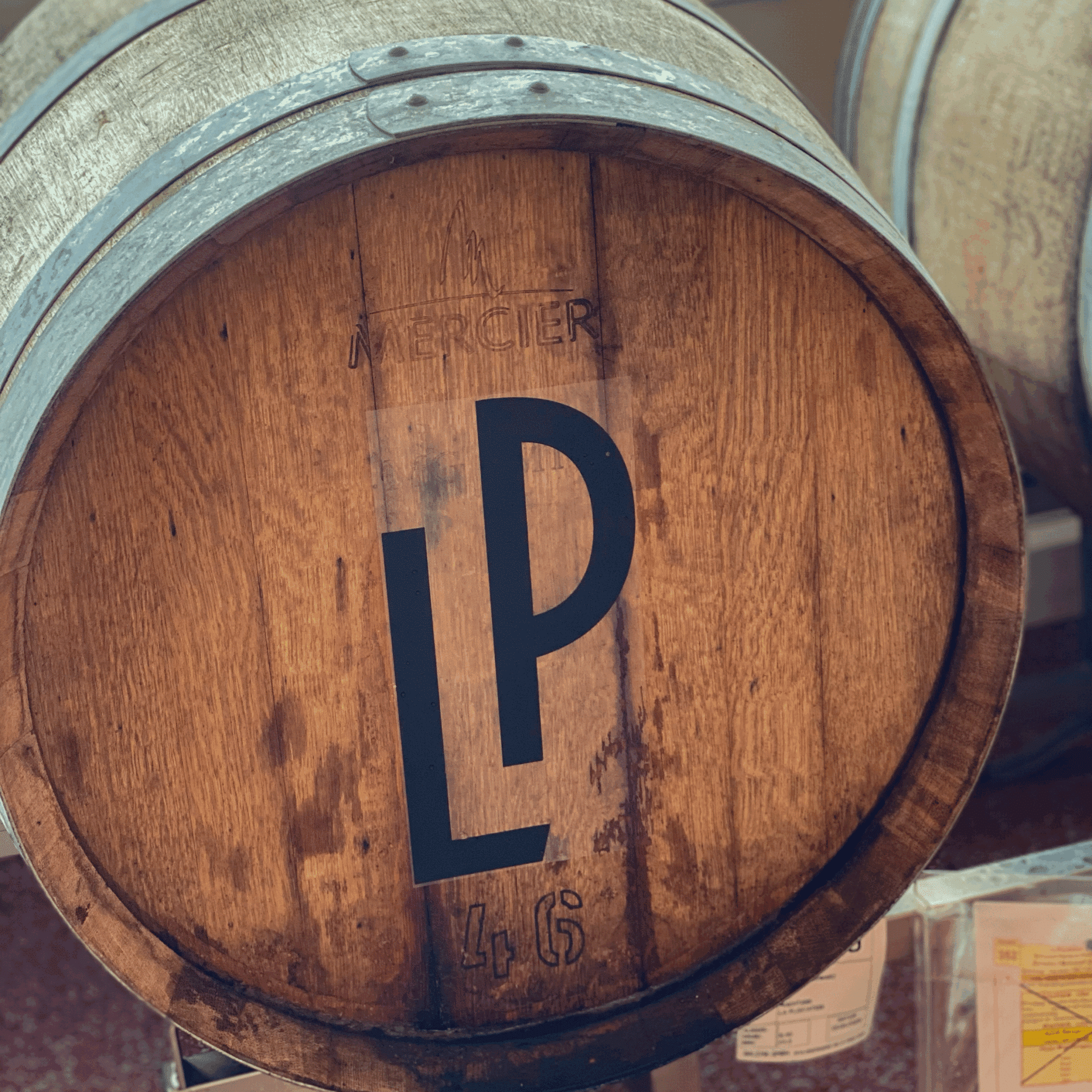
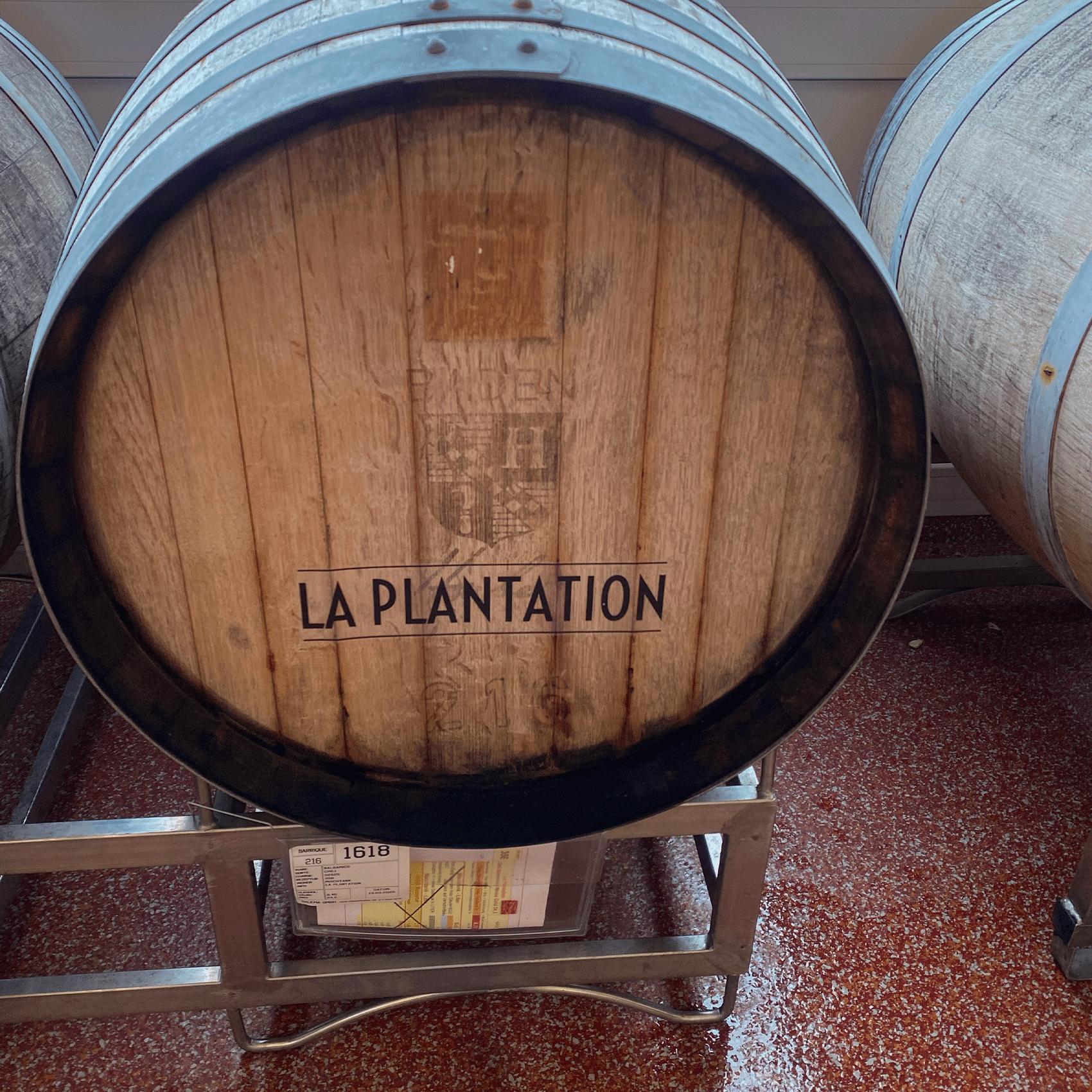
Once the vinegar has formed, it rests for 100 to 900 days in oak barrels.
This slow maturation develops aromas of dried fruit, caramel, wood and subtle sweetness depending on the ageing time.
| As the craftsmen say: “Good vinegar takes time.” |
The signature of grape must vinegar lies in the precise blend of concentrated must with already aged vinegar.
This combination gives the product its characteristic gentleness and fruity roundness.
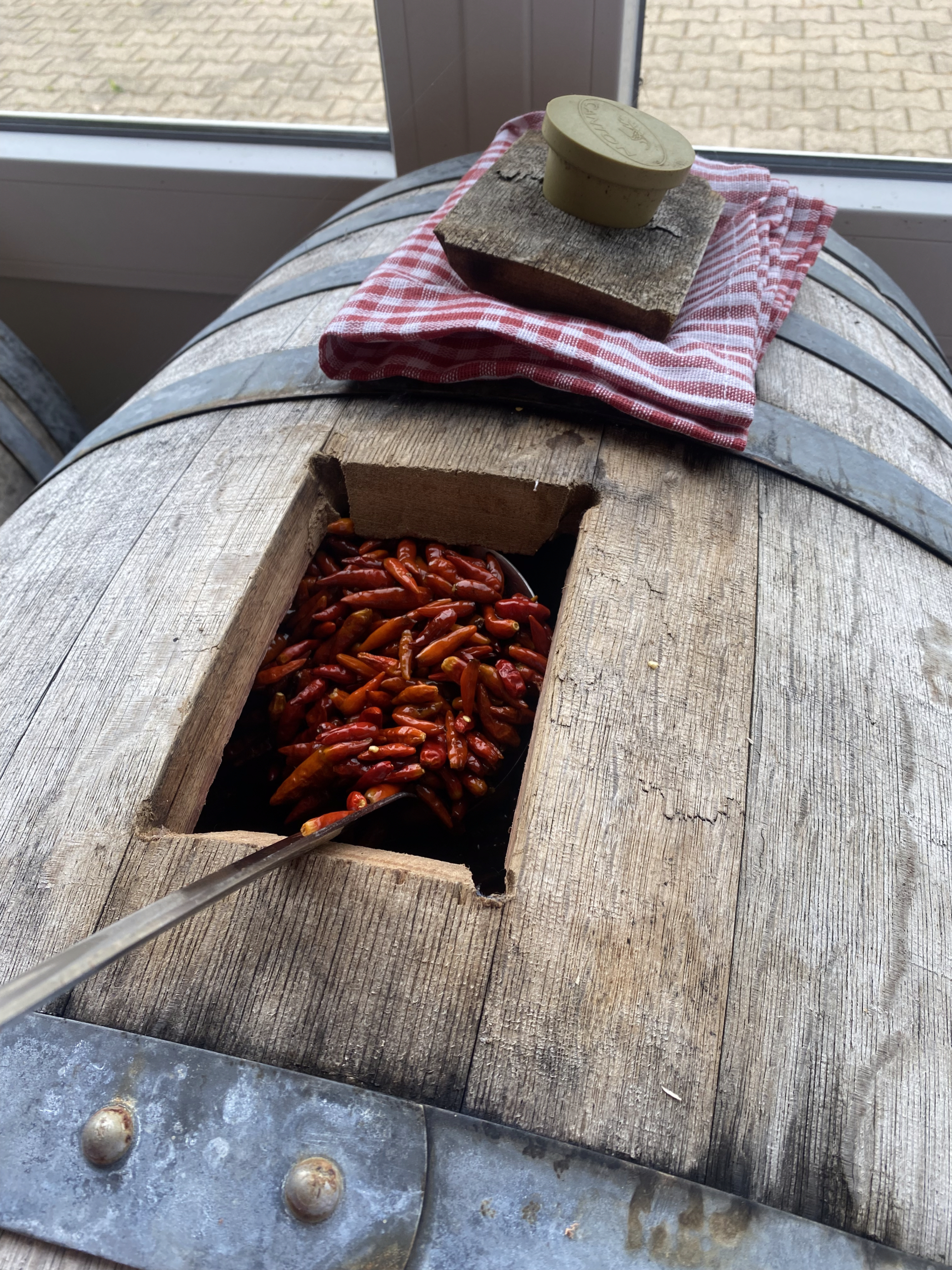
For the special range created with La Plantation, selected spices are added directly into the barrels for a slow infusion. No forced flavours—only natural extraction.
The spice selection includes:
Kampot black pepper
Red long pepper
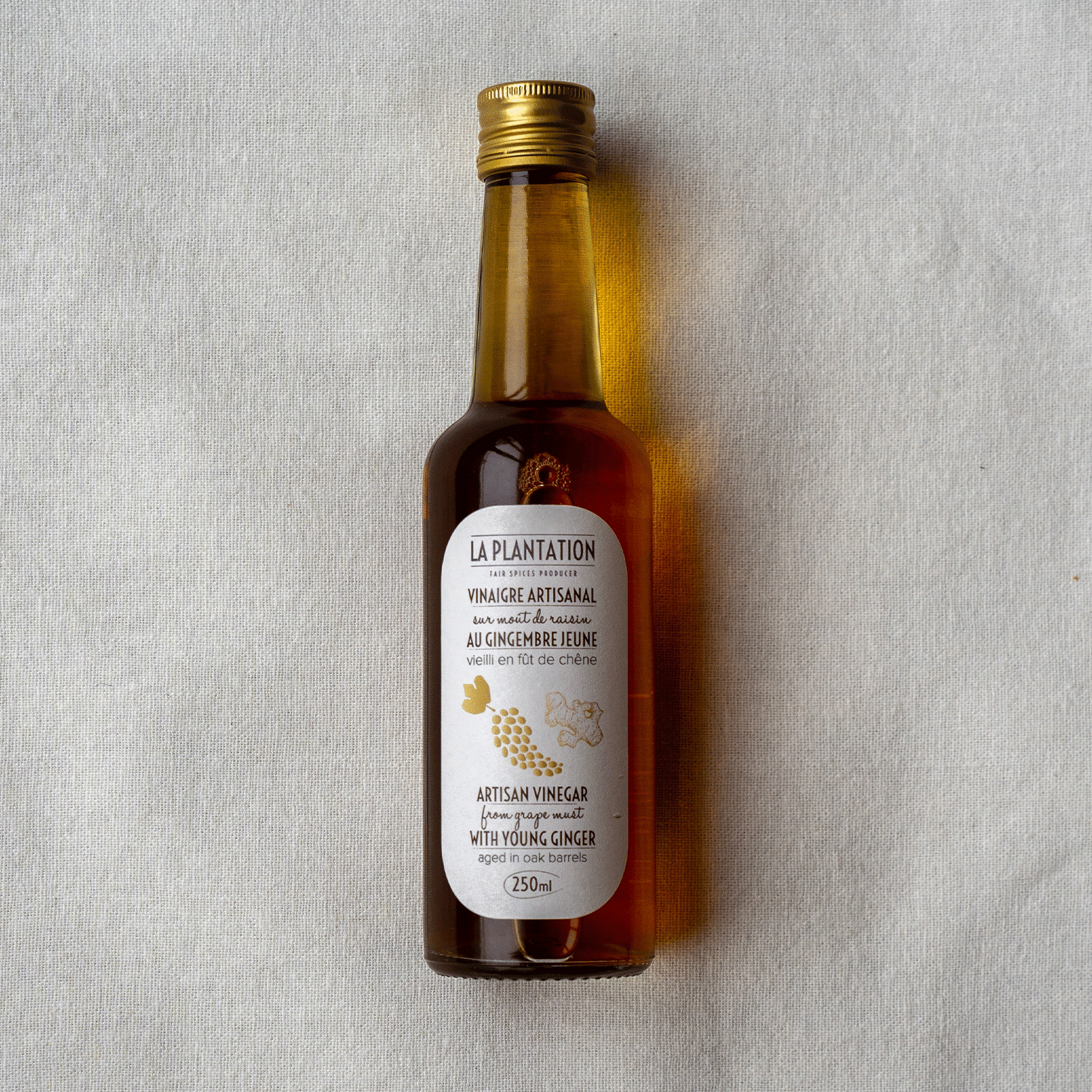
Ginger
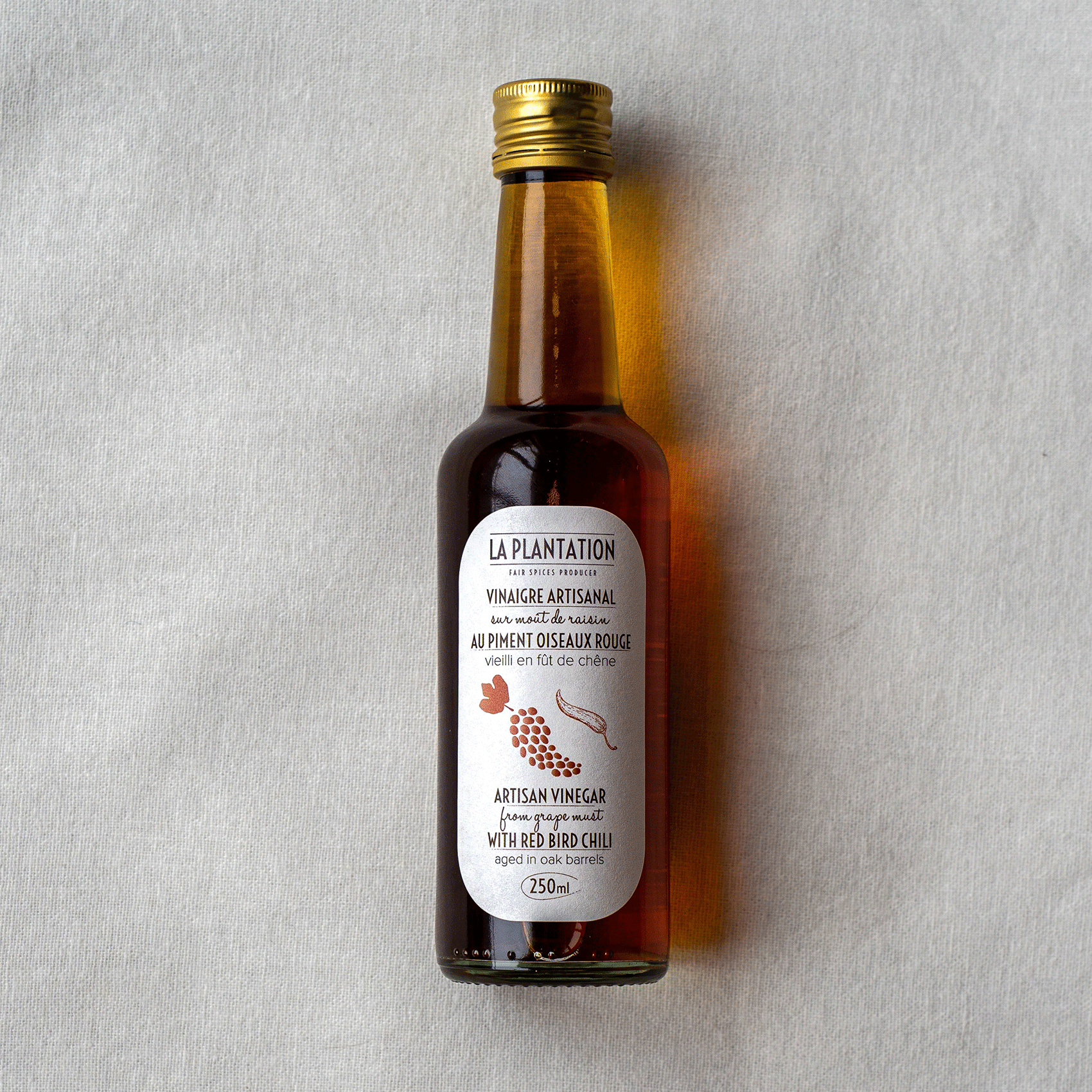
Red bird chili
Each spice offers a unique aromatic profile, creating a refined collection of vinegars with distinct personalities.
The result is a product without additives, without sulfites, without artificial flavourings and without preservatives.
Each batch is produced in limited quantities, like a vintage.
Transparency is total: the grape variety, the origin, the absence of additives and the artisanal process are all documented.
This slow, traditional method produces vinegars that are:
balanced,
digestible,
rich in natural plant compounds and antioxidants,
expressive and aromatic.
Differences between artisanal and industrial vinegar
The differences between artisanal vinegar and industrial vinegar appear in the taste, texture, aromas and even in the philosophy behind each product.
Industrial vinegar is made very quickly.
Fermentation is accelerated in metal tanks, then pasteurised and aggressively filtered.
The result is efficient but often lacks depth.
Artisanal vinegar takes its time.
Fermentation is slow, ageing happens in wood, and natural bacteria are respected.
Nothing is forced. The process allows aromas to develop naturally and gradually.
One of the main distinctions is the grape quality.
THEO uses regional grape varieties, pressed by hand, not standardised grapes selected only for yield.
This difference in raw material influences every layer of flavour in grape must vinegar.
Artisanal vinegar is:
100% natural
0% additives
0% preservatives
0% artificial colours
0% artificial flavourings
0% aggressive filtration
Industrial vinegars often contain stabilisers, colourants or acidity correctors to standardise flavour.
Artisanal vinegar offers a long, stable and balanced aromatic profile.
Its flavour evolves over time thanks to:
slow fermentation,
oak ageing,
the natural sweetness of grape must.
Industrial vinegar usually has a sharper, simpler profile because it is produced quickly and without ageing.
The artisanal vinegars created by La Plantation and THEO illustrate this aromatic complexity:
Kampot black pepper vinegar develops warm, woody and spicy notes.
Red long pepper vinegar brings a thicker, deeper and almost syrupy character.
Red bird chili vinegar adds a bright, vibrant heat.
Young ginger vinegar delivers sharp freshness and lively citrus notes.
Each spice naturally infuses the grape must, interacting with the wood over time. No additives are needed—purity comes from the process.
Transparency is essential in the world of fermented products.
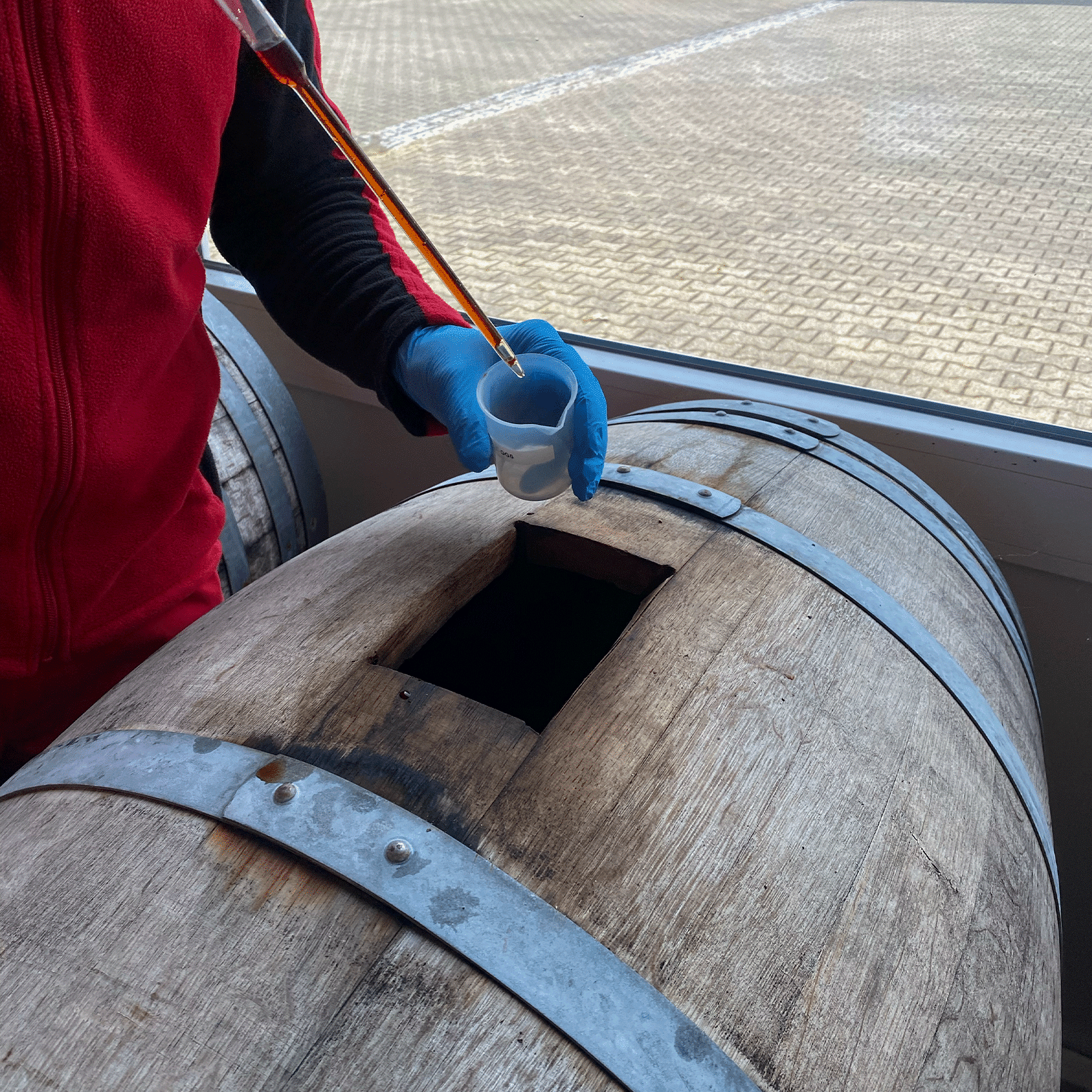
Artisanal producers control every stage of the process, from the selection of grape must to slow fermentation and long ageing in oak barrels.
Traditional vinegar makers like THEO rely on documented methods dating back to the late 19th century. Their production respects complete traceability in line with European standards for fermented foods.
Industrial vinegar, however, relies on faster, standardised methods. Raw materials may come from multiple suppliers, and some steps are often outsourced.
How to use grape must vinegar in cooking?
Grape must vinegar is incredibly versatile. Its fruity sweetness balances dishes while adding character. With a gentle acidity of around 5%, it enhances food without overpowering it, yet still brings the brightness needed to lift a recipe.
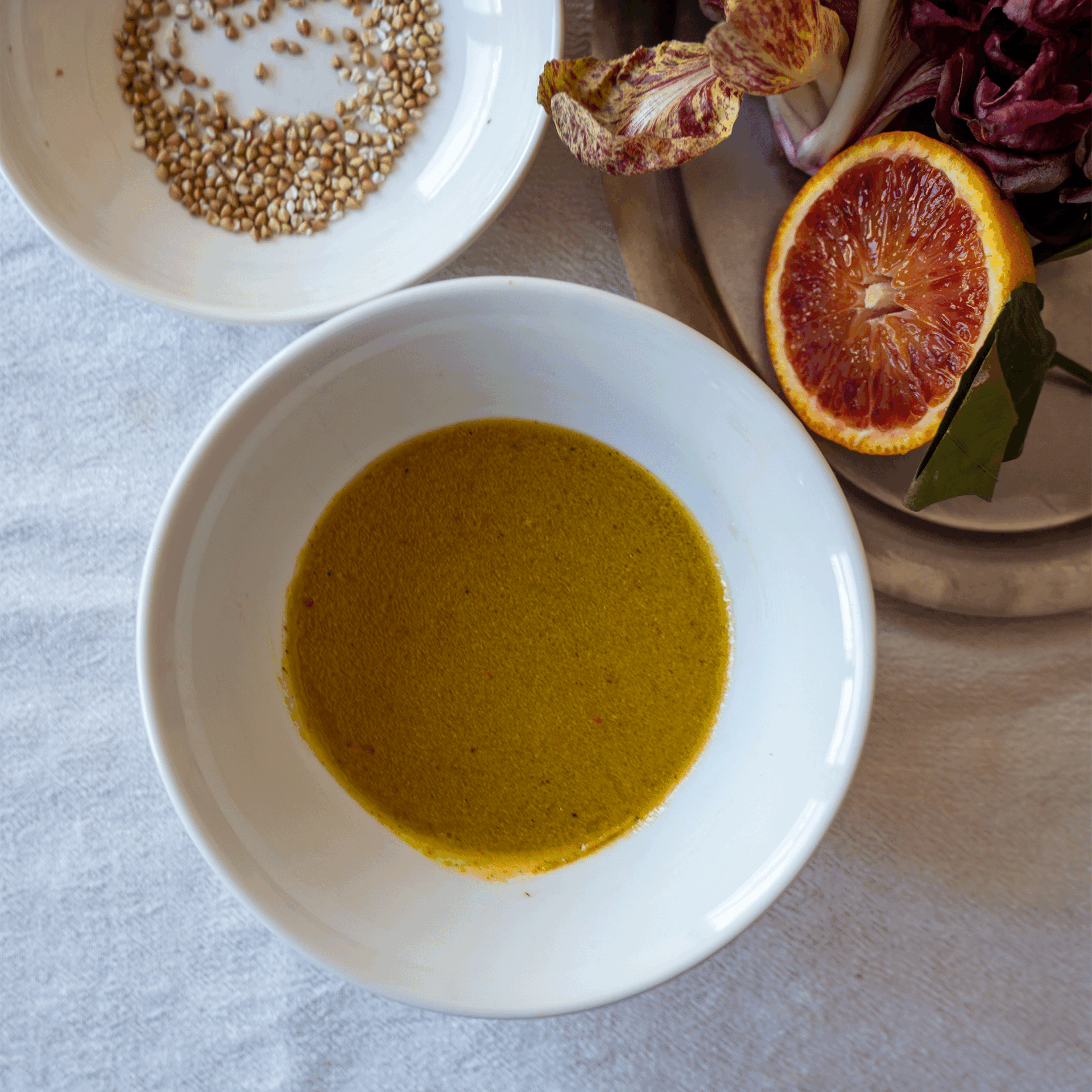
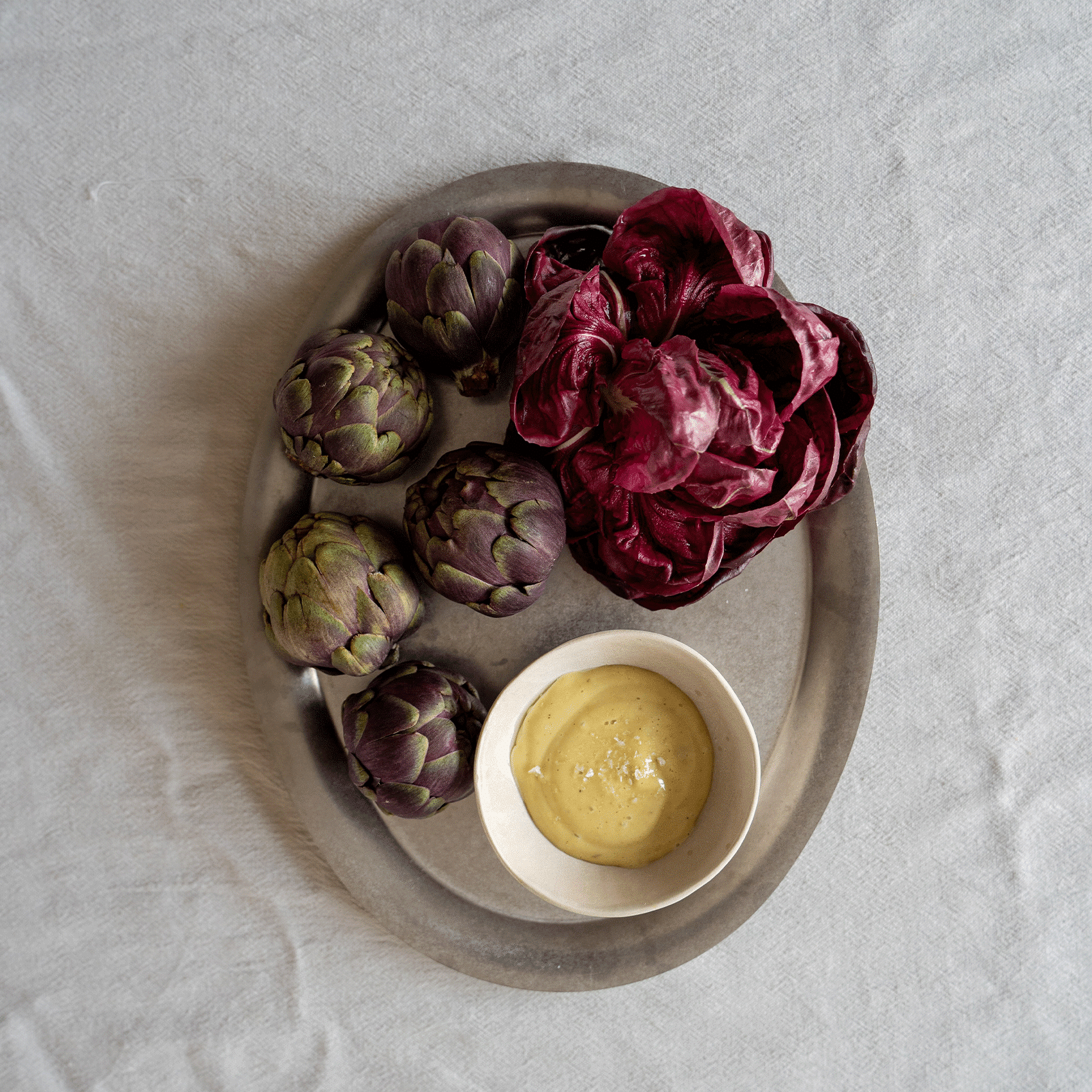
In salad dressings or mayonnaise, grape must vinegar brings instant roundness.
In marinades, it tenderises white meat, fish or grilled vegetables.
As a finishing touch, it brightens a cold soup, a warm salad or a tartare.
Just one spoonful can transform a simple dish into something elegant and expressive.
Vegetable carpaccio: a few drops of young ginger vinegar bring freshness and vibrancy.
Chicken marinade: Kampot black pepper vinegar enhances grilled notes.
Burrata or mozzarella: red long pepper vinegar adds a soft, balsamic-like sweetness.
Roasted fruit: a touch of bird chili vinegar creates an irresistible sweet–spicy contrast.
Because grape must vinegar is aromatically intense, you only need a small amount.
For storage, keep the bottle tightly closed at room temperature and away from light.
It has a long shelf life (up to 24 months) without losing its aromatic complexity.
Comparison between grape must vinegar and balsamic vinegar
At first glance, grape must vinegar and balsamic vinegar may look similar, especially when aged. But they are fundamentally different in their taste, texture, intensity and production methods.
| Criteria | Grape must vinegar | Balsamic Vinegar |
| Base | Must + artisanal vinegar | Cooked must + long ageing |
| Acidity | Gentle (around 5%) | Variable, often more intense |
| Texture | Fluid to lightly syrupy | Can be very thick depending on age |
| Aromas | Fruits, wood, spices, fresh notes | Caramel, cooked fruits, deep and dark flavours |
| Use | Everyday cooking, marinades, salads, finishing | Finishing, condiments, desserts |
| Process | Slow fermentation + oak ageing | Long reduction + extended barrel ageing |
Grape must vinegar stands out for its freshness, finesse and natural sweetness.
Balsamic vinegar offers darker, deeper notes with a thicker structure.
Both have their place in cooking, but their profiles and uses remain distinct.
Grape must vinegar is far more than a simple condiment. It reflects a craft that respects the fruit, time and nature. By choosing an artisanal vinegar, you choose a living product shaped patiently, where each stage of production adds to its aromatic richness.
This vinegar stands out for its sweetness, finesse and its ability to elevate a dish without overpowering it. Whether you are a chef, a food lover or simply curious, grape must vinegar opens the door to a more precise, expressive and elegant style of cooking.


Subscribe to our Newsletter now
Get a free product for your first order!
Donation