
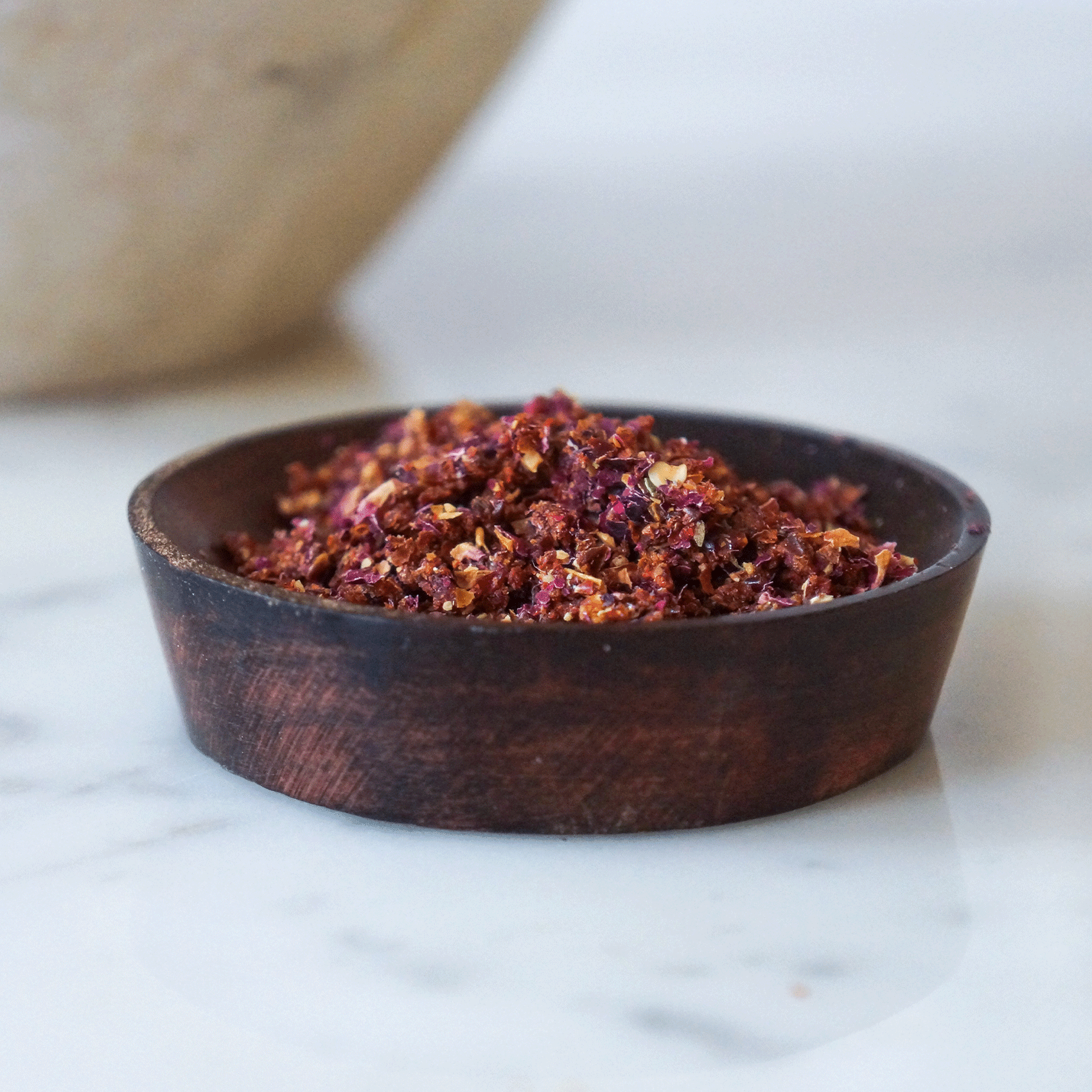
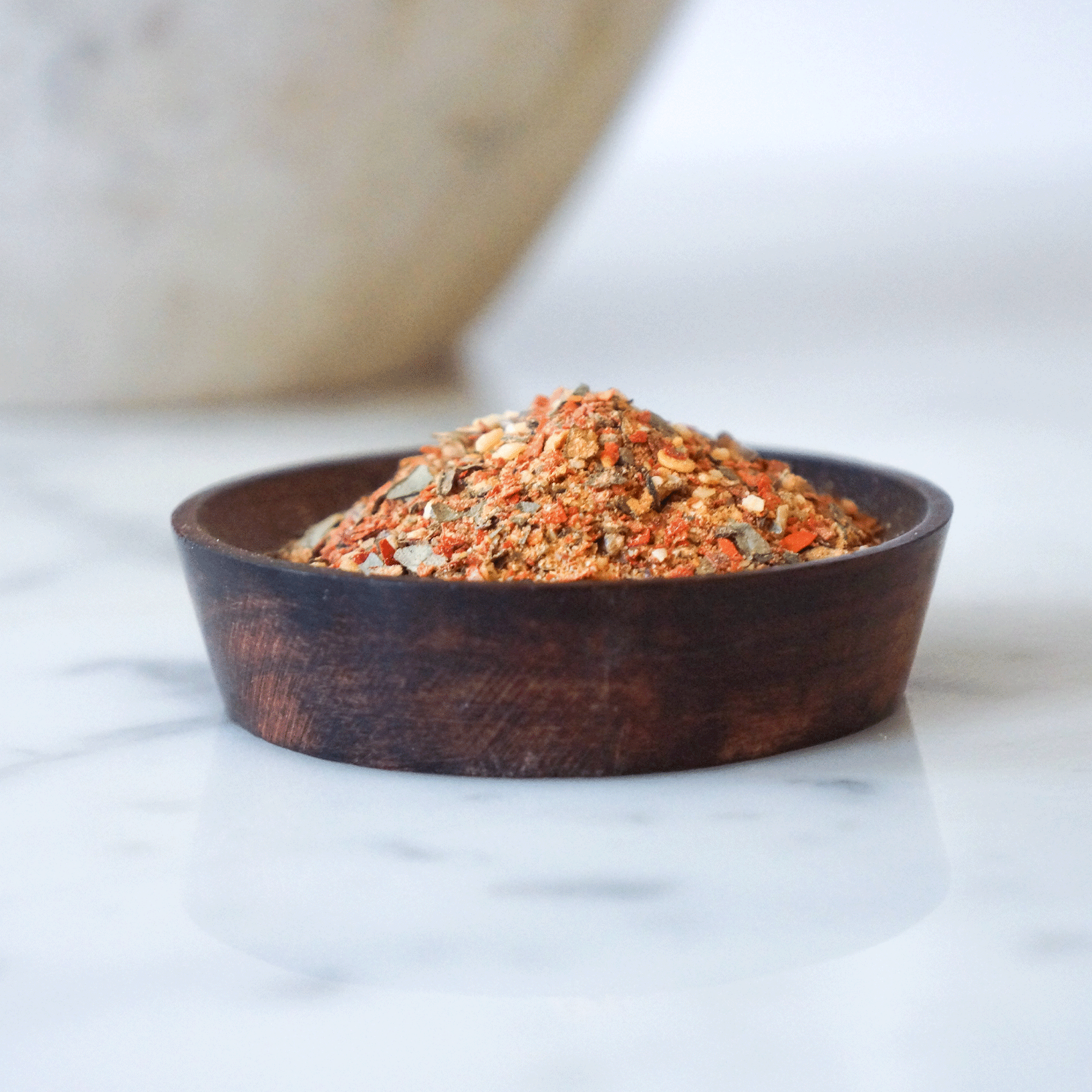
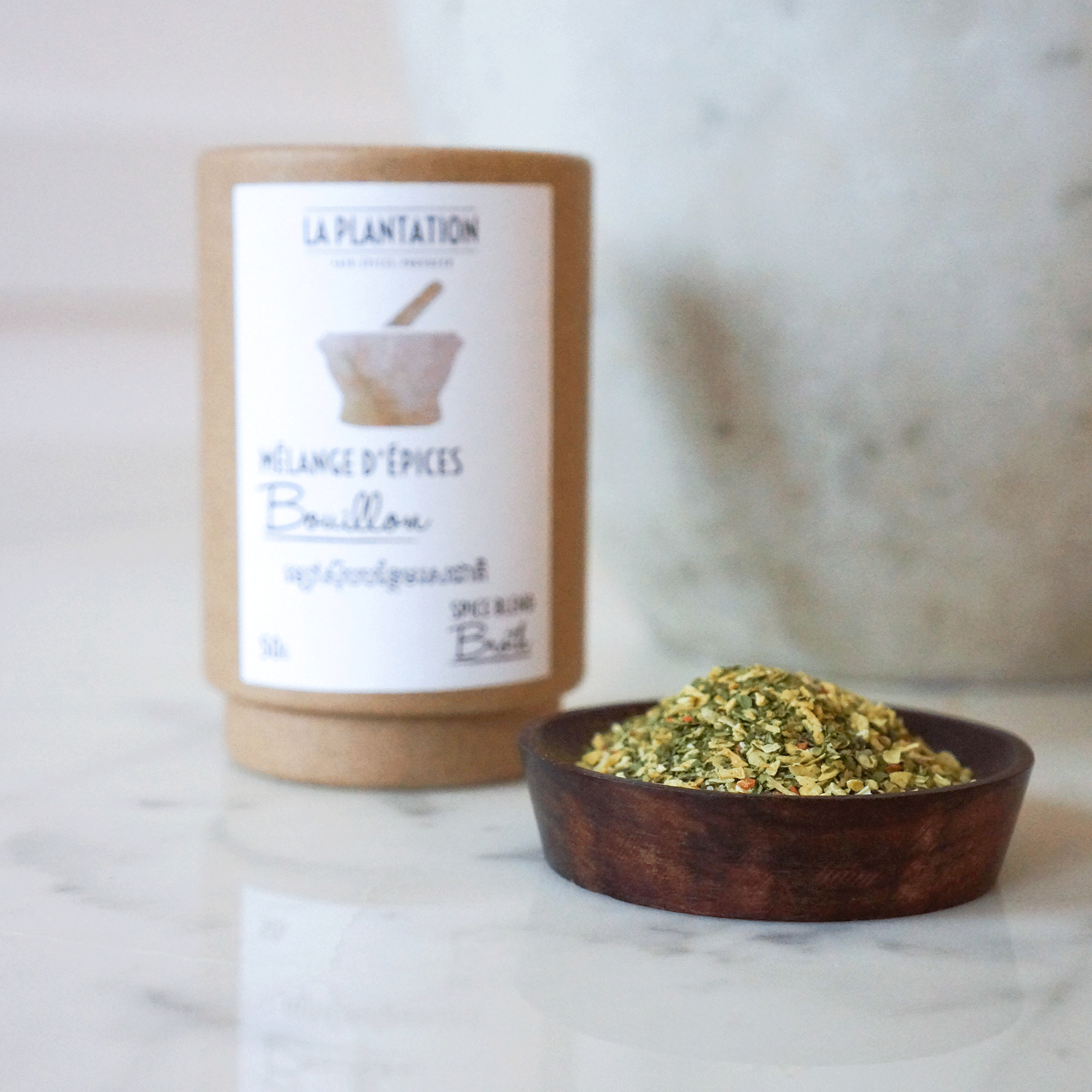
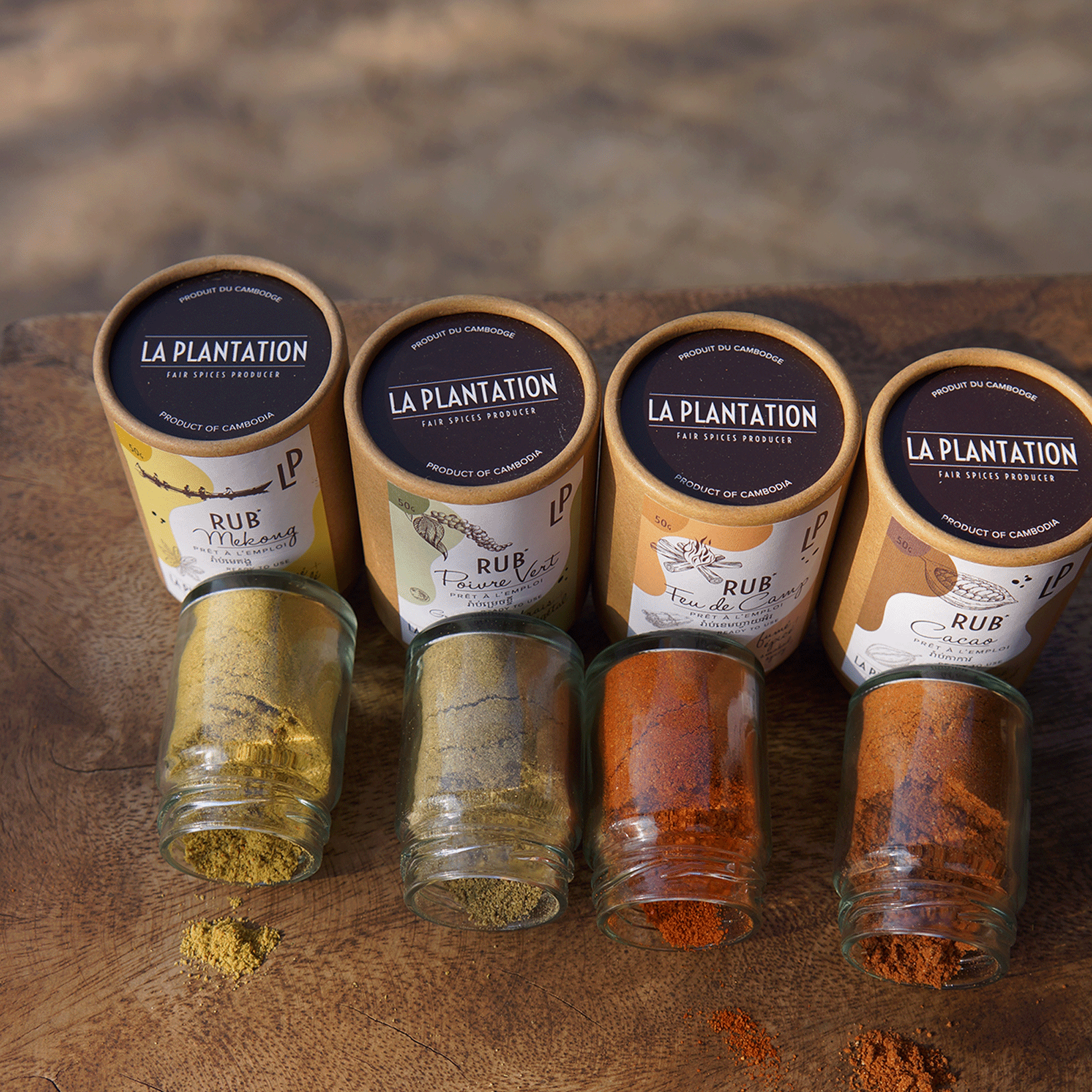
Introducing our brand new range: RUBS!
Product
-
09.06.23
Suggestions
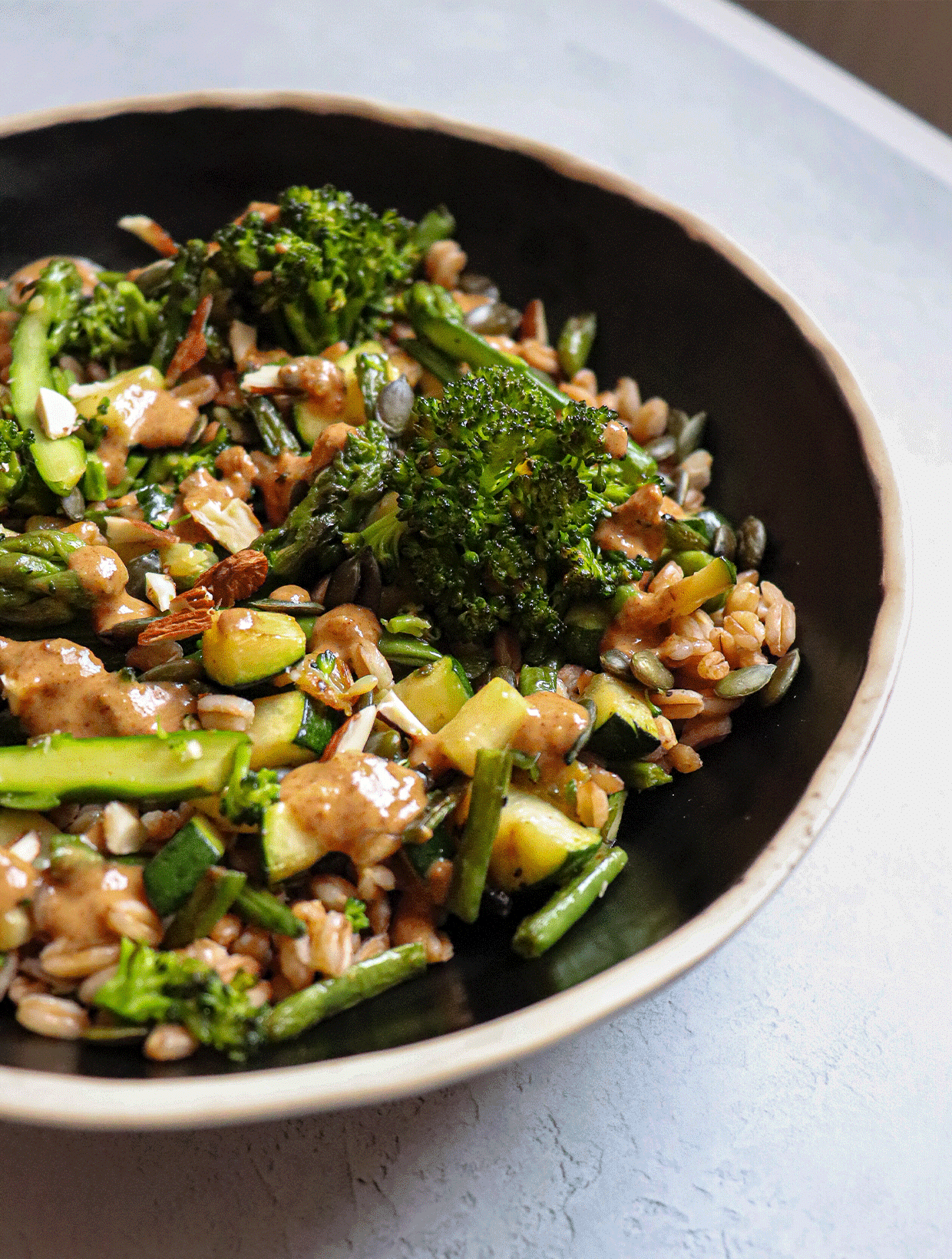
Add a burst of citrus and herbs to your salads. This blend of mint, lime zest, and mild spices lifts any dish—no dressing needed. Just sprinkle and enjoy.
Victim of its success
Product information
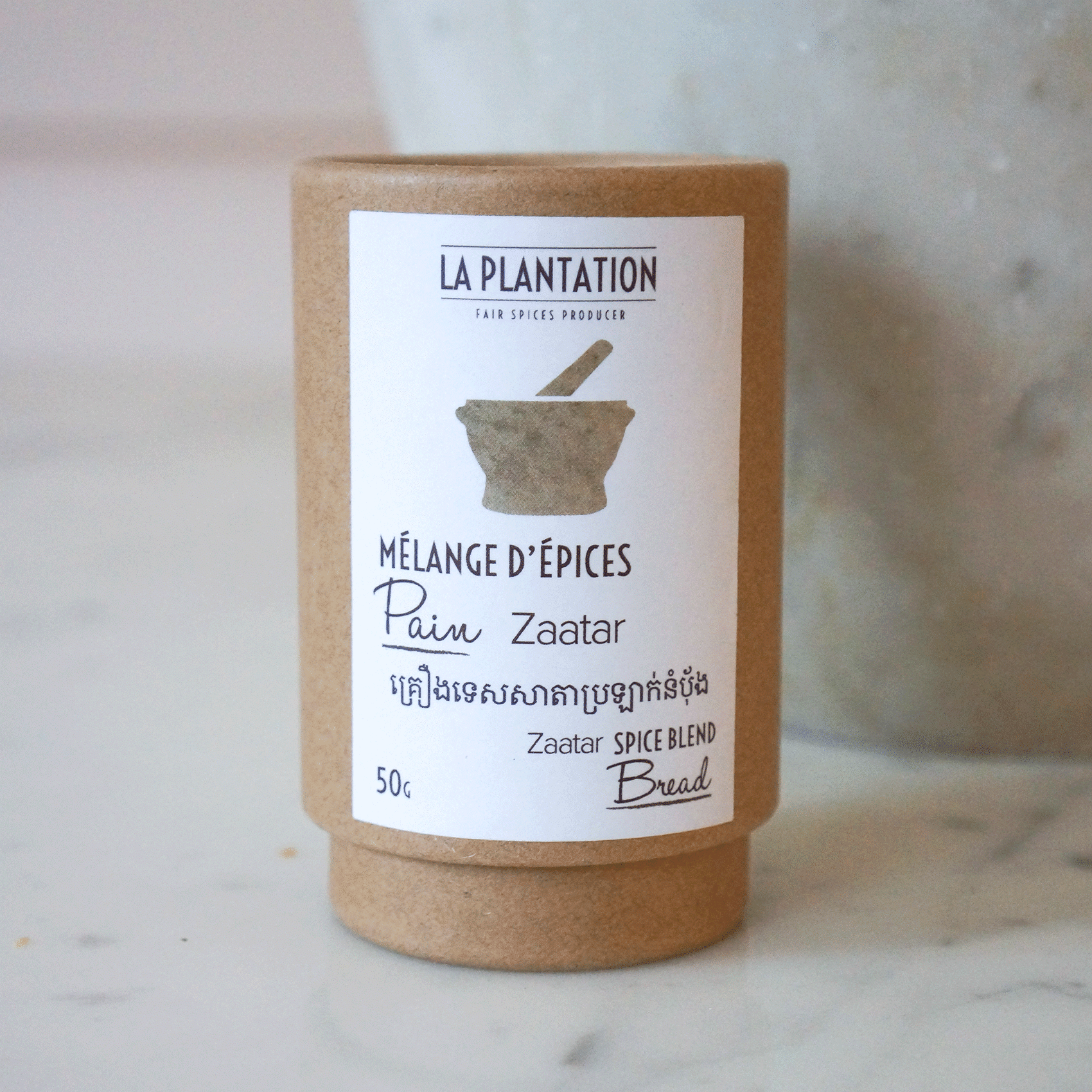
Zaatar (or Za’atar) is an essential spice blend of the Middle Eastern and Levantine cuisines, including Lebanon, Egypt, Palestine, Turkey and Syria.
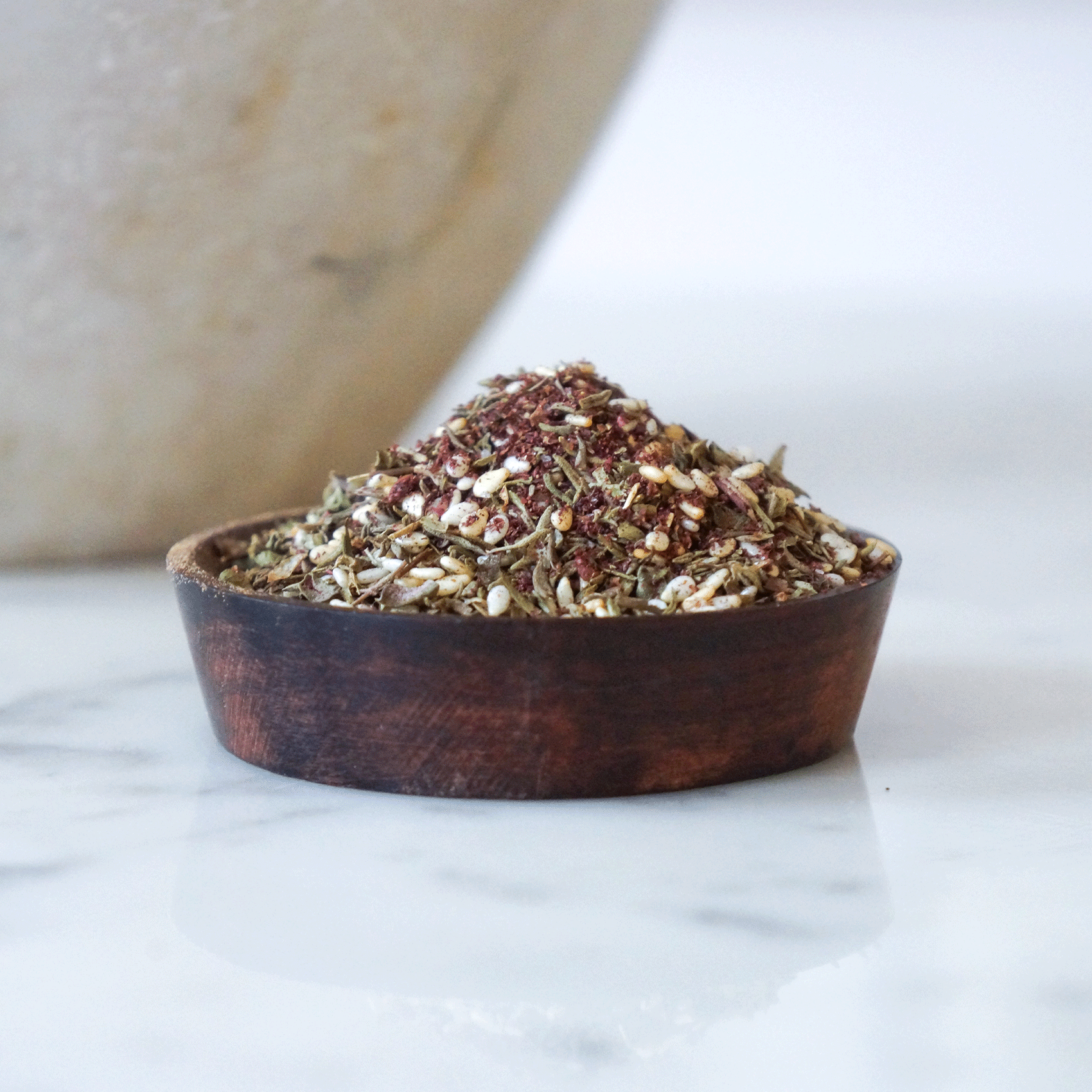
It brings together dried herbs, tangy sumac and toasted sesame seeds, offering a flavour that is at once herbaceous, citrusy and subtly nutty.
Used for centuries as a daily condiment, zaatar enhances both simple dishes and creative recipes with a natural, authentic character.
This spice blend is known for its natural balance. It can be used raw or cooked, making it accessible and versatile in all types of cuisine.
The exact composition of zaatar varies across regions and traditions. It generally includes:
oregano
thyme
sumac
toasted sesame seeds
a mix of herbs (coriander seeds, cumin or savoury)
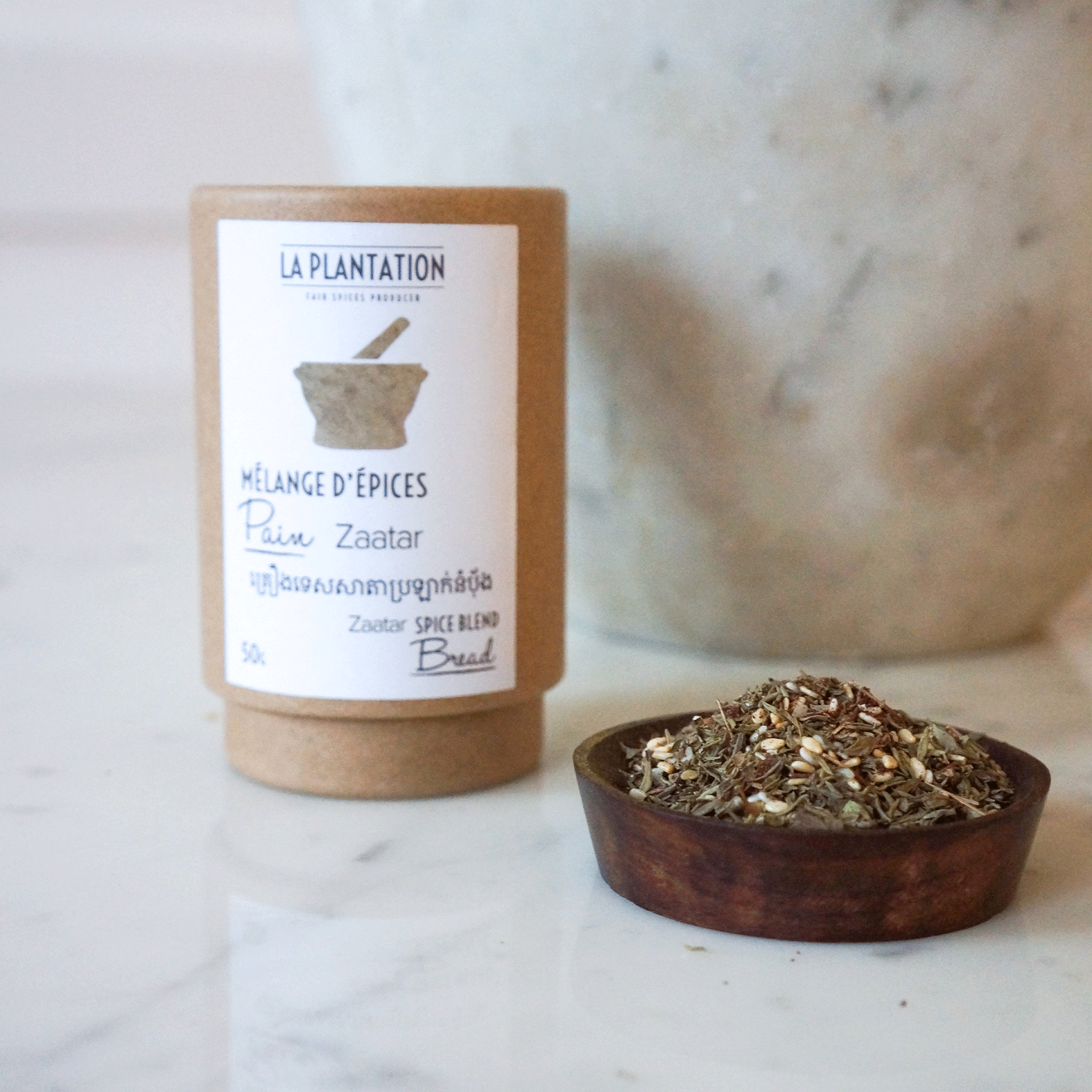
The zaatar offered on our website is crafted artisanally in Belgium.
La Plantation developed this recipe in collaboration with Le Comptoir Africain.
Alongside the traditional spices, you’ll find Kampot pepper PGI, known for its warm and intense aroma.
This signature creates a balanced and expressive zaatar, faithful to Levantine tradition with a unique artisanal touch.
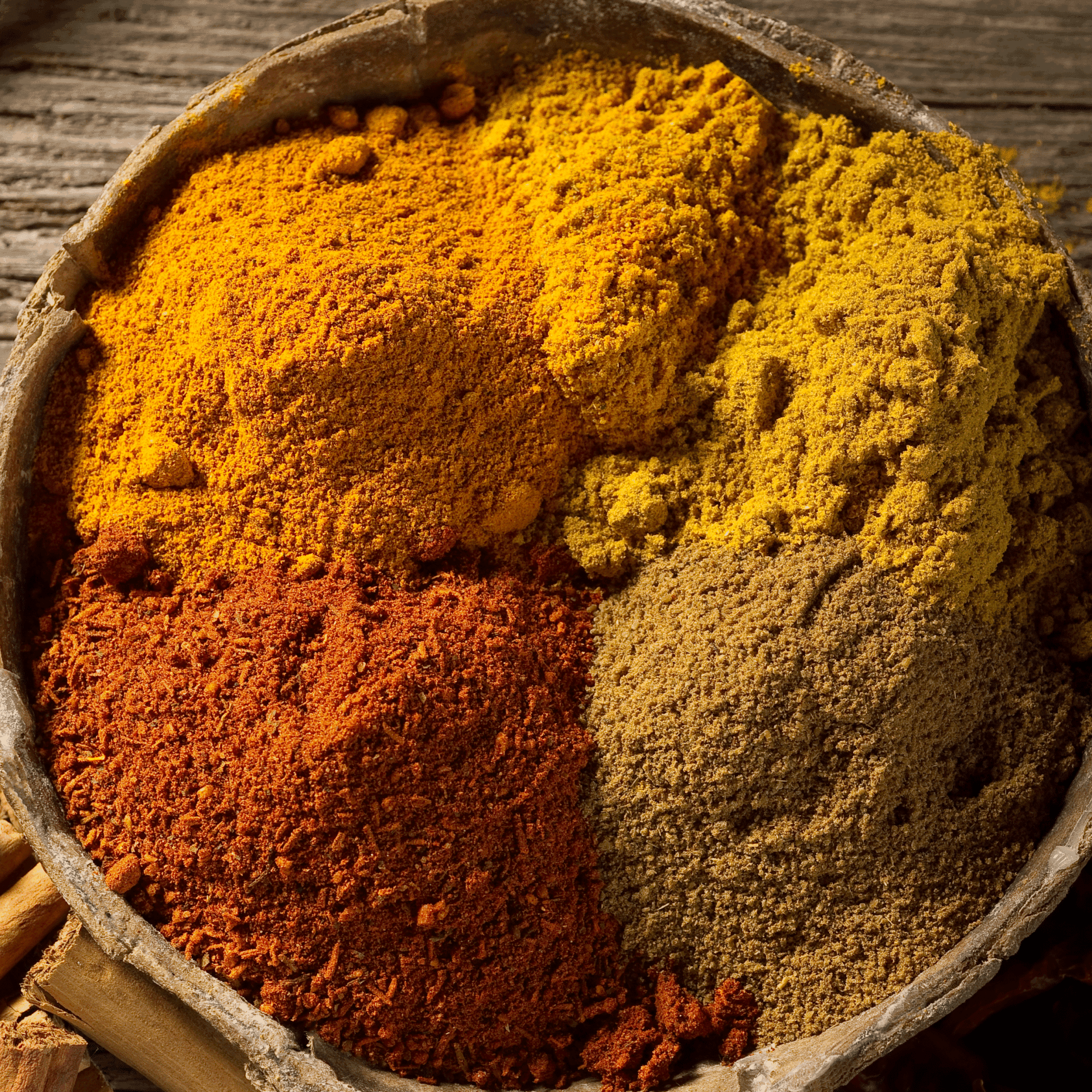
The blend has a dry, slightly coarse texture, with a colour ranging from olive green to light brown, dotted with beige sesame seeds.
Its aroma is fresh, herbal and lightly lemony, enriched by the toasted sesame.
The flavour combines gentle acidity, balanced salinity and deep vegetal notes.
This zaatar is free from additives, colourants and preservatives.
Its handmade preparation preserves the authenticity and integrity of this traditional spice mix.
This Middle Eastern blend is easy to use and fits naturally into classic and modern cooking.
Traditional uses
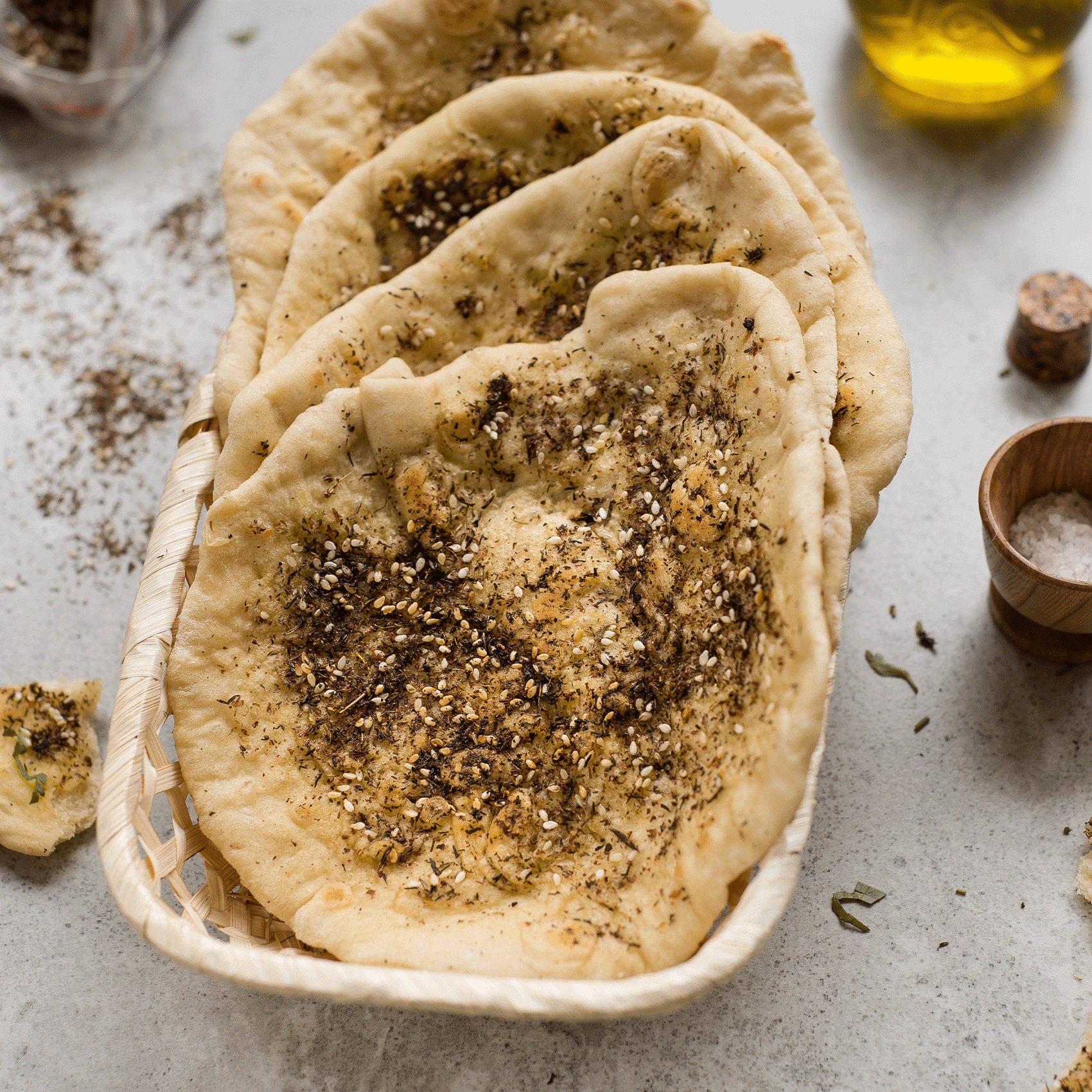
Sprinkle on man’ouché flatbread with olive oil.
Season labneh, hummus and fresh salads.
Add to mezze platters, raw vegetables or vegetarian bowls.
With Olive oil
Zaatar reveals its full flavour when mixed with olive oil.
This creates a spreadable paste perfect for:
bread
roasted vegetables
white meats before cooking
Creative uses
Zaatar is excellent with roast poultry, delicate fish or grilled vegetables.
It enhances marinades for chicken, lamb or prawns.
It also lifts yoghurt dips, cream cheese spreads, eggs, avocado and toast.
Add it after cooking to preserve its fresh aroma, ideal for salads and light vegetarian dishes.
Zaatar has been part of Levantine culture for thousands of years.
Historically used both as a medicinal herb and as a daily staple, it appears in ancient culinary texts across the Middle East.
Its flavour profile has evolved with migrations, trade routes and regional traditions, creating the many variations known today.
Our artisanal version honours this heritage while offering a balanced, modern interpretation.
Store in a cool, dry place away from light.
Keep the jar tightly closed to preserve freshness.
For culinary use only.
Origin
Ingredients
Aroma
DDM
Spice-Food Pairing
Conservation
Allergen
What spices go well with zaatar?
Zaatar pairs well with paprika, cumin, coriander, garlic, chili flakes and black pepper. It also complements sesame, lemon and olive oil.
What does zaatar taste like?
It tastes herbaceous, lemony and lightly nutty, with a balanced hint of acidity from the sumac and warmth from the sesame and herbs.
Is zaatar healthy?
Zaatar is a natural blend of herbs, sesame and sumac. It fits well into a balanced diet and is valued for its aromatic simplicity. No health claims are made.
What can I use instead of zaatar spice?
A mix of thyme, sesame seeds and a little lemon zest or sumac can substitute zaatar, though the result will be less aromatic and balanced.
What is zaatar called in English?
It is simply called zaatar or za’atar in English, the same name traditionally used across the Middle East.


Subscribe to our Newsletter now
Get a free product for your first order!
Donation