History of Kampot Pepper and Its PGI
News
-
20.02.26
Suggestions
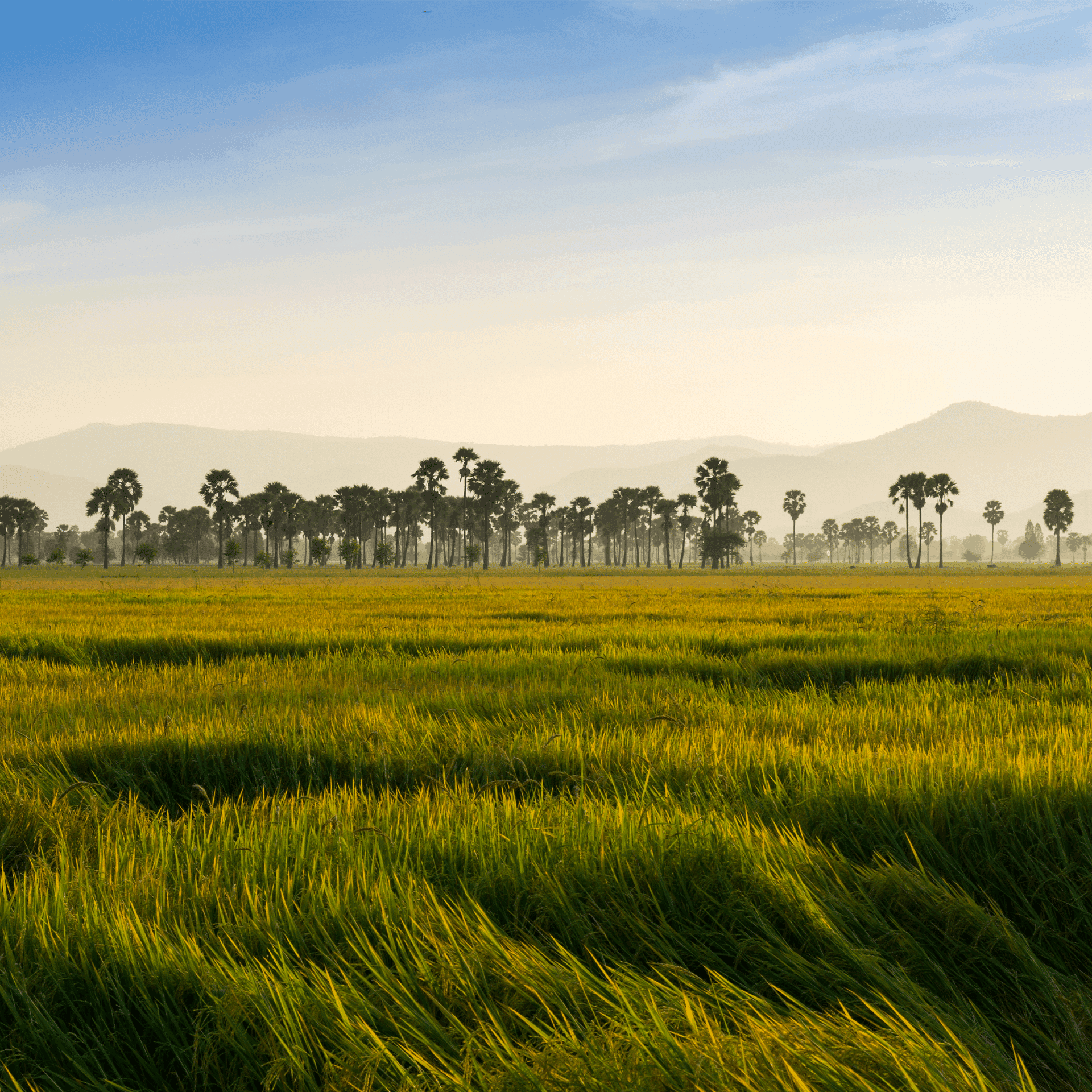
Things to do in Kampot: 15 Must-Try activities to explore the region
Sommaire
Kampot is one of the most charming towns in southern Cambodia. Nestled between the river, the mountains and the sea, this peaceful destination attracts travellers looking for an authentic experience far from the crowds.
The town is world-famous for its Kampot pepper, a prized spice grown in the region for centuries and protected by a Protected Geographical Indication (PGI). But Kampot has much more to offer. Visitors can stroll through streets lined with French colonial architecture, watch the sunset over the river, explore lush nature or savour traditional Khmer flavours.
La Plantation, a family-run spice farm located just outside the town, has been part of the region for several years and knows it well.
In this guide, you will discover the best things to do in Kampot, the top activities, must-see places and unique experiences that capture the soul of this exceptional Cambodian region.
Discover the town of Kampot and Its heritage
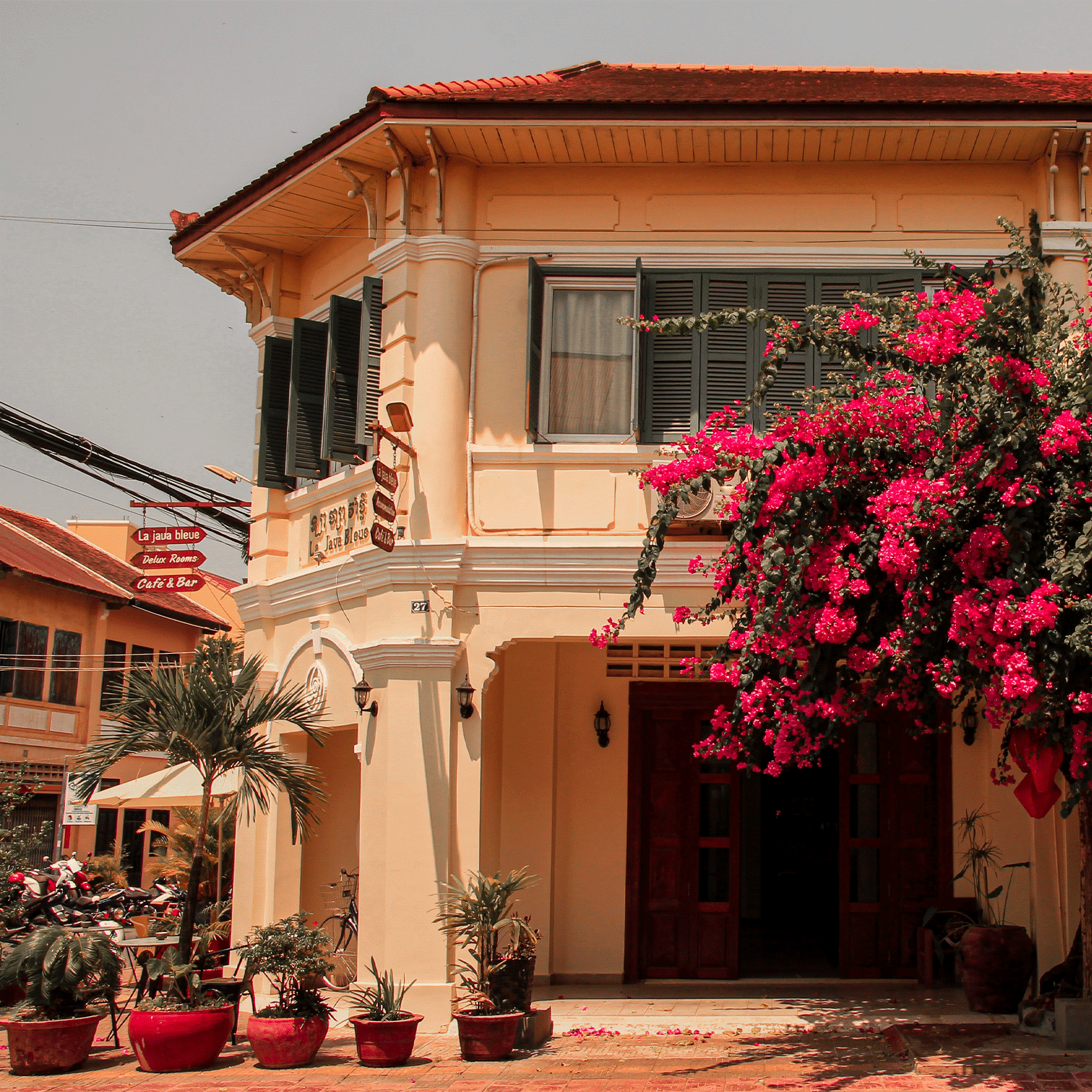
Kampot’s town centre has a rare charm compared to other Cambodian cities. Much of the French colonial architecture has been preserved, giving the streets a distinctive character.
A walk through the centre reveals colourful houses with wooden shutters, old administrative buildings and several historic landmarks. Some addresses have become iconic, such as Java Bleue, housed in a colonial mansion, and the former fish market, a reminder of the town’s river trading past.
Several monuments shape the urban landscape. The Durian Roundabout, with its giant sculpture of the region’s signature fruit, has become a landmark for locals and visitors alike. Nearby, the seahorse statue faces the river and symbolises Kampot’s connection to the sea.
In the late afternoon, cross the Entanou Bridge for one of the liveliest spots in town. The view over the river and surrounding mountains is especially beautiful at sunset.
Samaki Market is the main covered market in Kampot and the best place to experience daily local life. Stalls overflow with tropical fruits, fresh vegetables, fish, meats and local spices.
The atmosphere here is far more authentic than in some of the tourist markets found elsewhere in Cambodia. Unlike the busy markets of Siem Reap, Samaki is a genuine community hub.
It is also an excellent spot to sample Cambodian street food. Try banana pancakes, fragrant soups or simply enjoy a piece of freshly cut fruit from one of the stalls
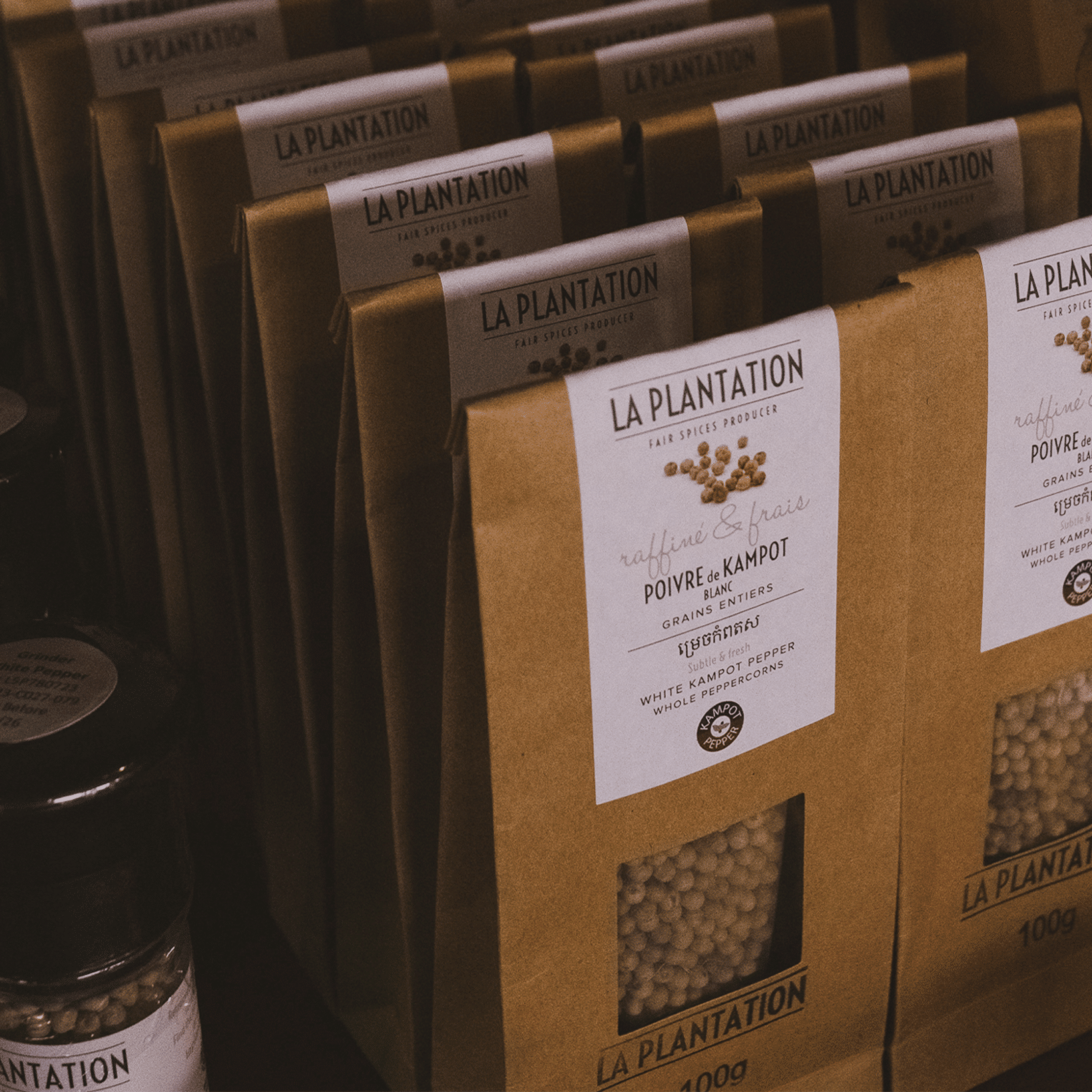
In the historic centre of Kampot, La Plantation runs a boutique inside a traditional colonial house, just opposite the old market. The building is part of Kampot’s colonial heritage quarter, featuring architecture typical of early 20th-century Southeast Asian towns.
The boutique doubles as a gourmet break during a stroll through town. Visitors can sit on the terrace and enjoy a spice-infused herbal tea or taste artisanal spice ice cream made locally in Kampot.
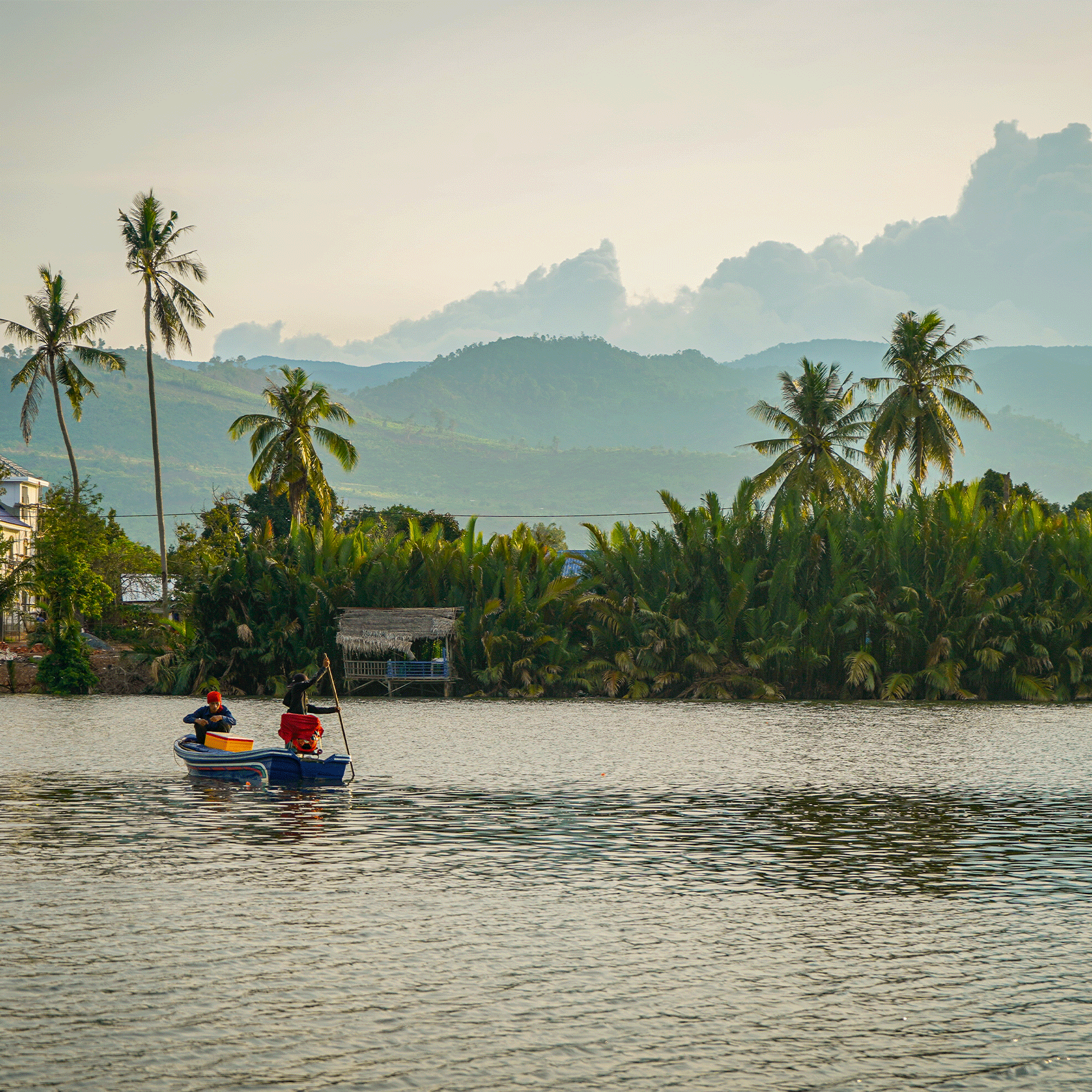
The Tuek Chhou River is at the heart of life in Kampot. In the late afternoon, locals and travellers gather along the banks to enjoy the cooler air and watch the sky change colour.
Several cafés and restaurants along the quay offer terraces overlooking the water. It is the perfect spot to stop for a fresh juice or simply watch the boats drift by.
Further south, Kampot Beach offers a more modern area with paved walkways, food stalls and occasional live music events. After dark, the atmosphere picks up as neon lights reflect off the river and street food vendors set up their stalls.
Explore nature around Kampot
Bokor National Park is one of the most impressive natural sites near Kampot, about an hour’s drive from the town centre. Sitting on a plateau at nearly 1,000 metres above sea level, the park offers stunning views over the Kampot plain, the offshore islands and the Gulf of Thailand.
The road to the summit winds through tropical forest and passes several remarkable viewpoints. At the top, visitors discover the remains of a former French hill station. The Bokor Palace Hotel, once a glamorous hotel and casino, still dominates the landscape. There is also an abandoned church, several historic buildings and the Sampov Pram Pagoda, a Buddhist temple overlooking the valley.
The Green Cathedral is one of the most popular excursions around Kampot. It is a branch of the river surrounded by thick vegetation that forms a natural tunnel over the water. The loop stretches about three kilometres and can be explored by kayak, paddleboard or small boat.
Many travellers choose to go in the late afternoon to watch the sunlight filter through the mangroves. The riverbanks are lined with stilted houses and small restaurants where you can stop for a drink.
Teuk Chhou Rapids is a popular relaxation spot for Cambodians, located a few kilometres from town. The shallow river is perfect for swimming and cooling off on hot days. Wooden huts line the riverside, offering a place to sit over the water and enjoy local snacks.
Off the coast of Kep, about 20 kilometres from Kampot, lies Koh Tonsay, also known as Rabbit Island. This small, unspoilt island is reachable by boat in about 20 minutes. It is ideal for a quiet day away from the bustle, with swimming, walks along the shore and fresh seafood at one of the local eateries.
Dive Into local culture and flavours
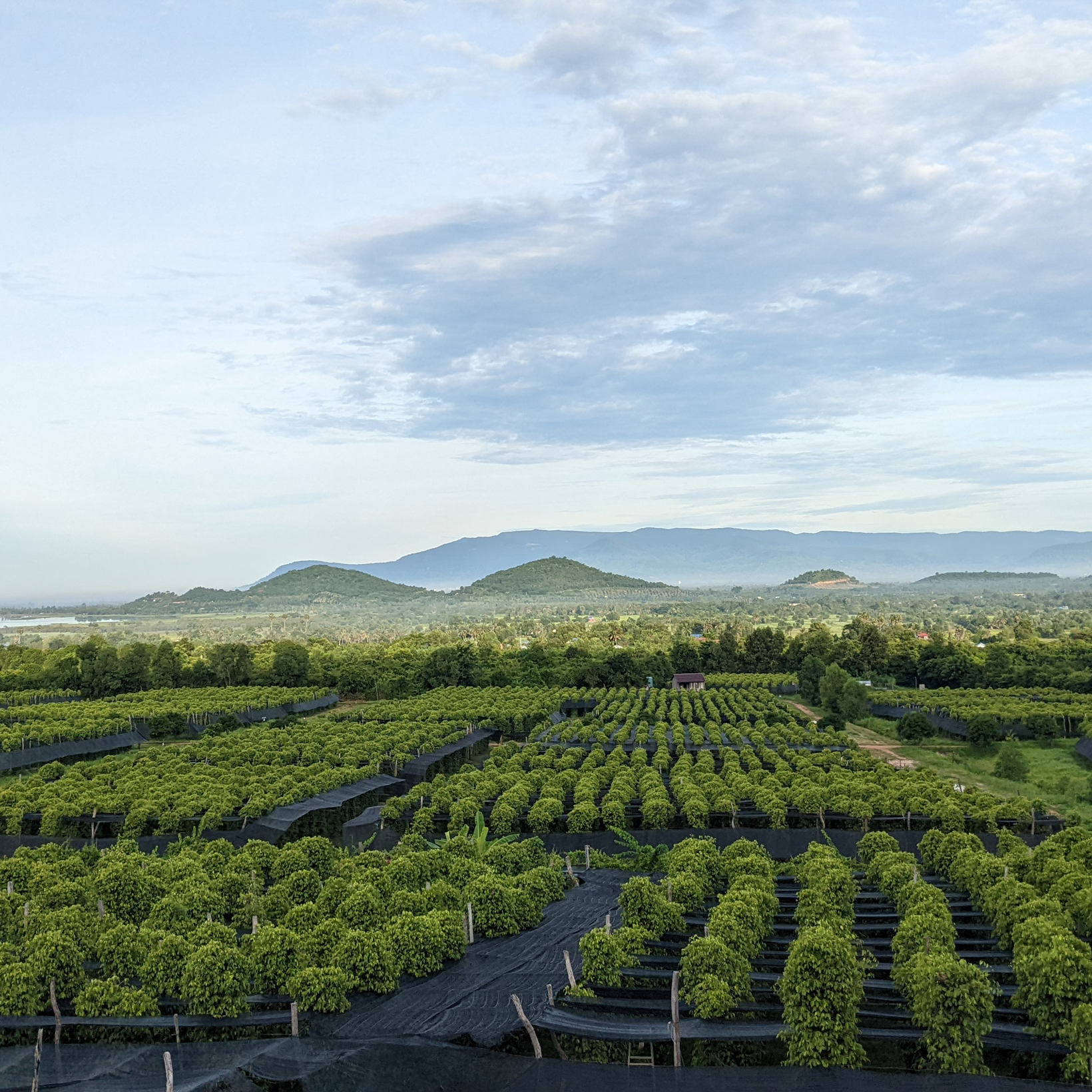
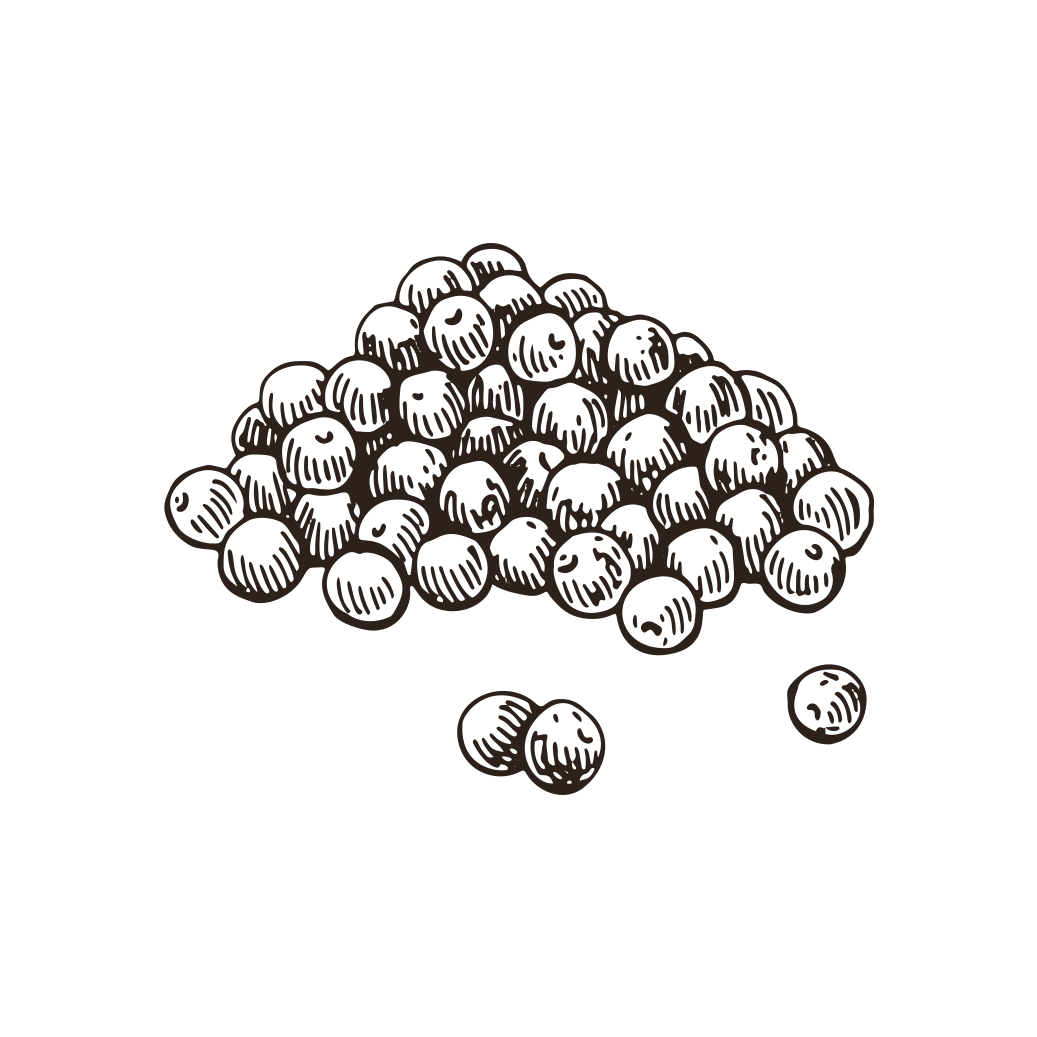
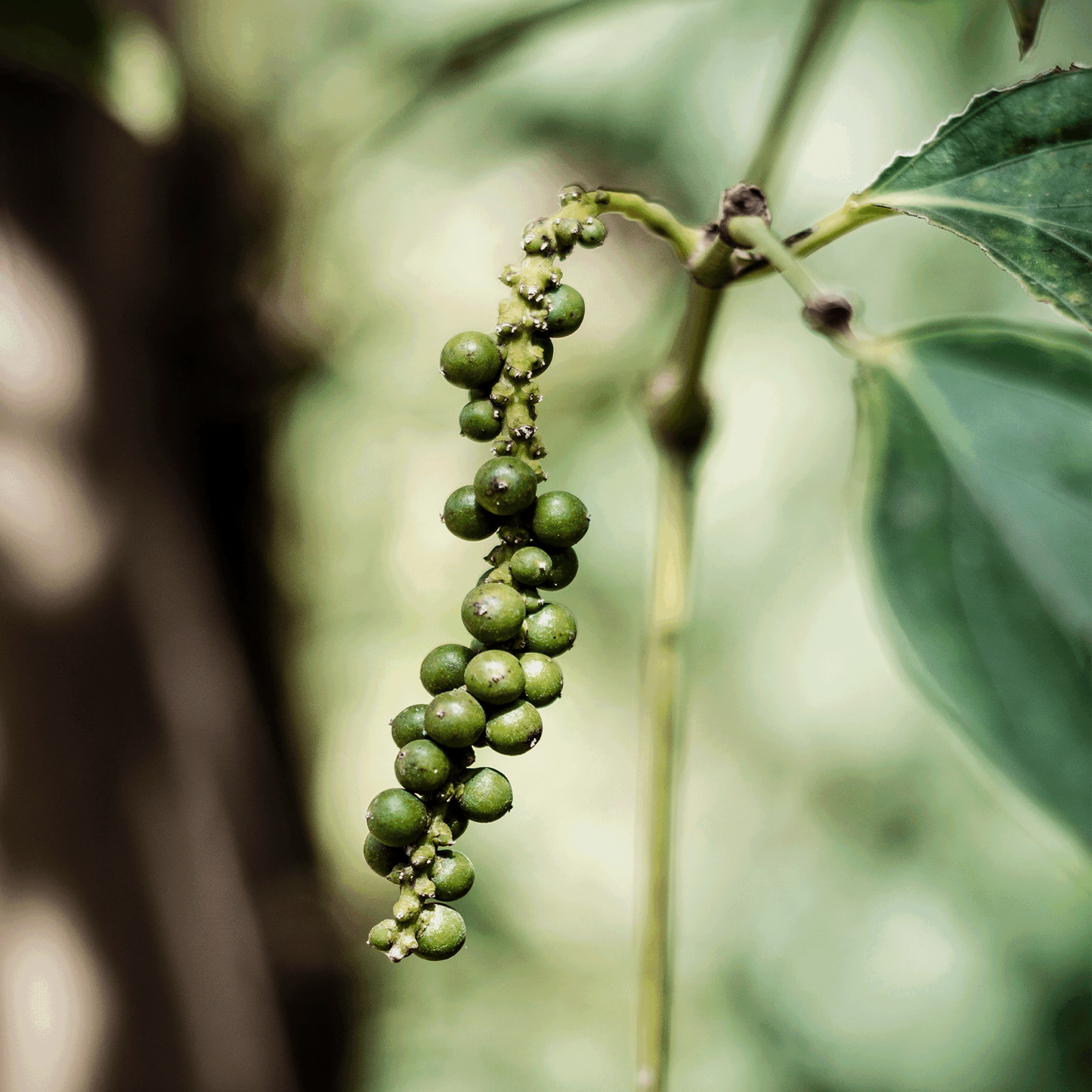
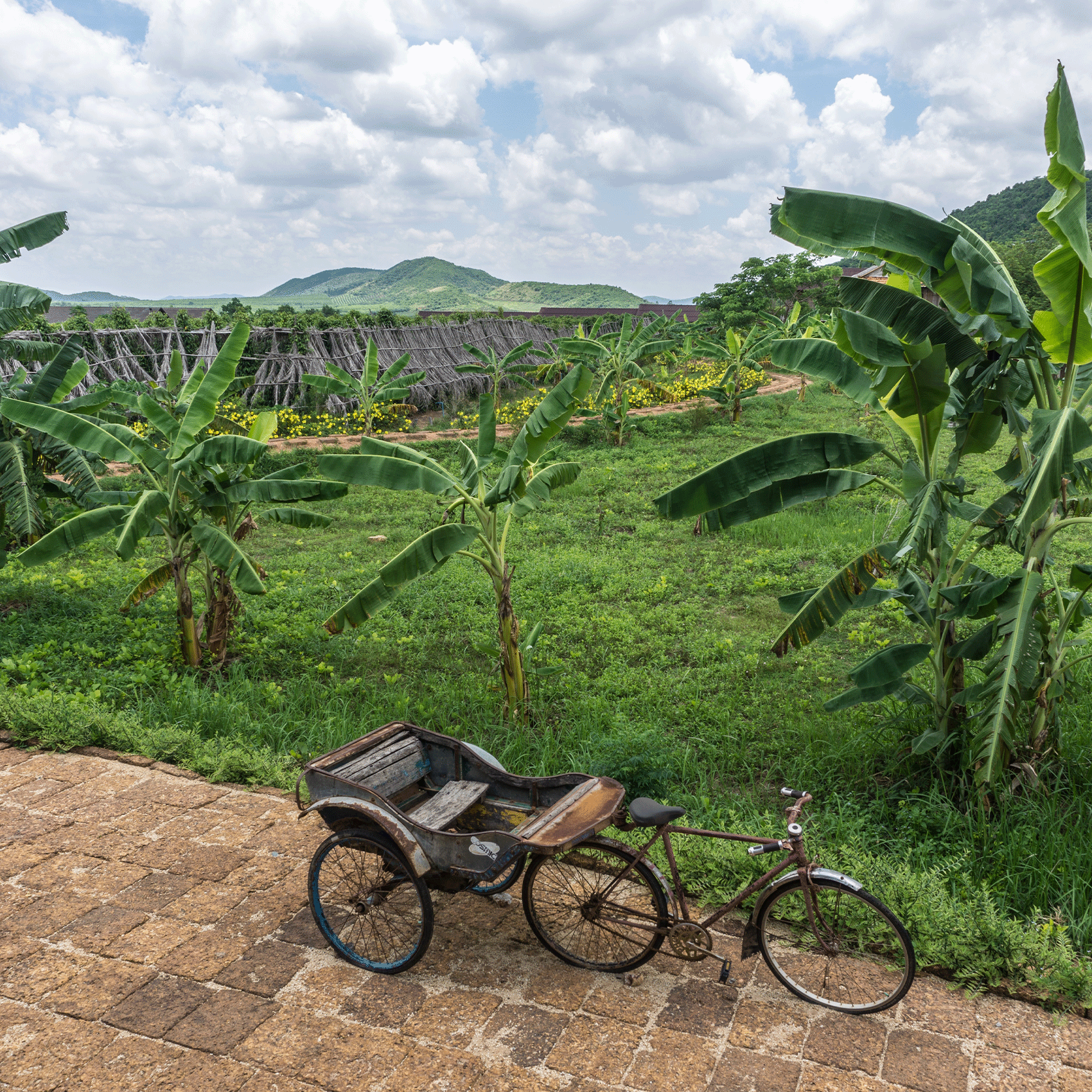
Kampot pepper is one of Cambodia’s most celebrated agricultural products. Grown in the region since the 13th century, it now holds a Protected Geographical Indication that guarantees its origin and production methods. The coastal climate, mineral-rich soil and generations of expertise give this pepper unique aromas.
Several plantations welcome visitors around Kampot. Some offer guided tours explaining how the pepper is cultivated, harvested and dried.
La Plantation offers free entry and guided visits, spice tastings and a Spice Bar with panoramic views over the plantations and surrounding mountains. These visits help explain why Kampot pepper is regarded as one of the finest in the world.
Between Kampot and Kep, vast salt marshes stretch across the landscape. They are particularly striking during the dry season. Salt is produced using a traditional method: seawater is channelled into large plots where it evaporates under the sun. From December to April, sunlight reflects off the salt flats, creating a dazzling and highly photogenic scenery.
A Khmer cooking class is a fantastic way to explore Cambodian cuisine from the inside. In Kampot, several workshops let you prepare traditional dishes in a friendly setting. Classes often take place in local homes or farms in the countryside.
Participants learn about the ingredients, prepare the spices and cook authentic recipes. Popular dishes include fish amok, a mild curry steamed in a banana leaf, and green mango salad with Kampot pepper.
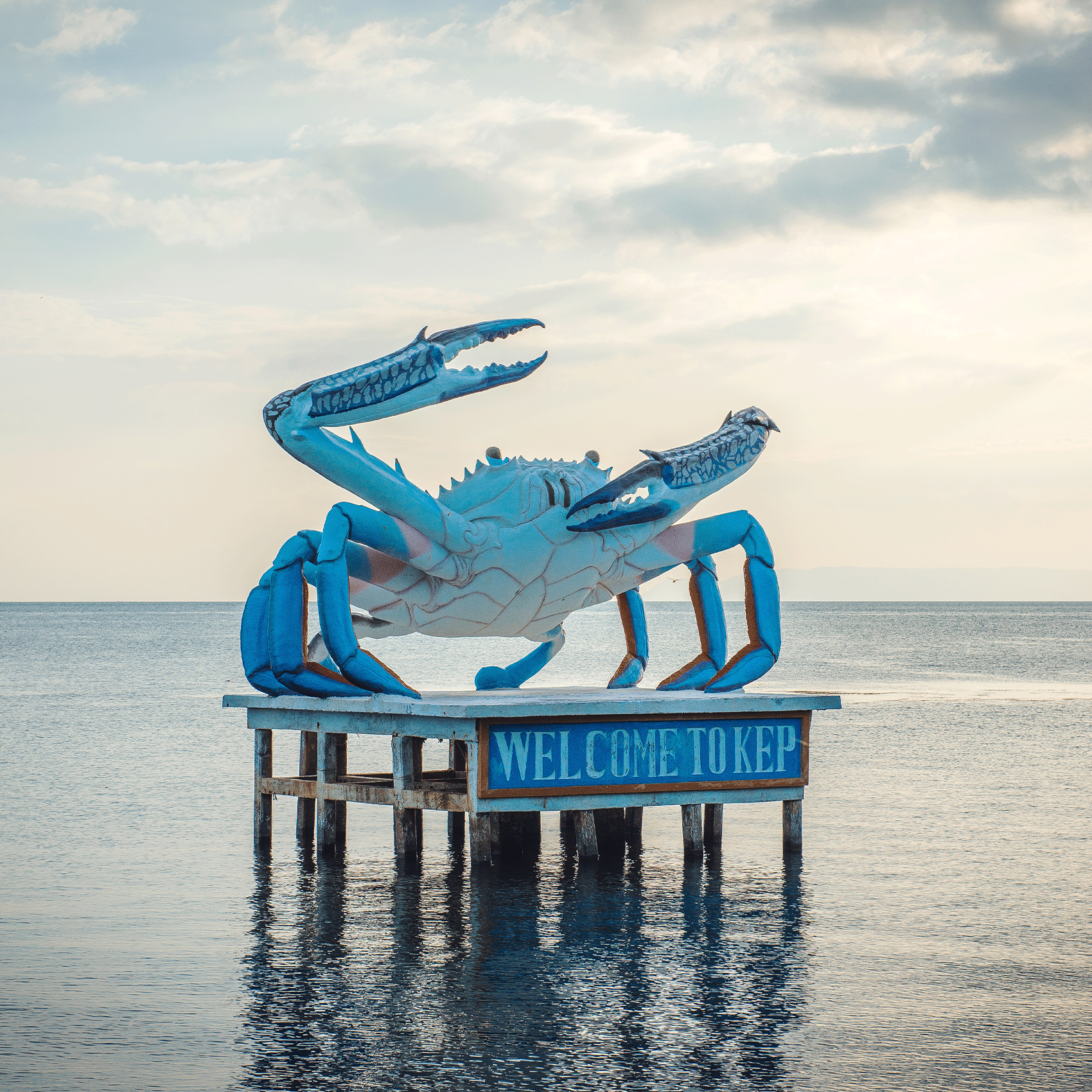
The coastal town of Kep lies just 20 kilometres from Kampot and is a must for seafood lovers. The famous Kep Crab Market buzzes every morning as fishermen bring in their fresh catch, which is then cooked at the surrounding restaurants.
The signature dish is crab with Kampot pepper, a simple but outstanding recipe combining the sweetness of crab with the aromatic punch of local pepper. Kep also offers a relaxed seaside atmosphere, a promenade along the shore and restaurants with beautiful ocean views.
Discover Kampot’s historical heritage
About 12 kilometres from Kampot, Phnom Chhnork is one of the region’s hidden historical gems. It is a 7th-century Hindu temple dedicated to the god Shiva, built inside a cave set within a limestone hill.
To reach the temple, visitors climb a stairway that crosses rice paddies before descending into the grotto. Inside, natural light illuminates impressive stalactites and the ancient sanctuary.
Good to know: The site remains relatively quiet, making it a peaceful and fascinating visit.
Across Cambodia, traditional wooden rural architecture is gradually disappearing. Old houses are often abandoned or replaced by modern structures. To protect this heritage, several historic buildings have been rescued, restored and rebuilt at La Plantation, located just a few kilometres from Kampot.
Visitors can explore different types of traditional Khmer houses typical of rural Cambodia. These stilted wooden homes, with their broad sloping roofs, are perfectly suited to the tropical climate. At the centre of the plantation stands a Salachan, a large traditional communal hall.
| Did you know?
In Cambodian villages, these buildings serve as gathering places for ceremonies, meetings and celebrations |
Frequently asked questions about visiting Kampot
How do I get to Kampot from Phnom Penh?
Kampot is about 150 kilometres from Phnom Penh. You can travel by bus, minivan, train or private car. The journey usually takes between 2.5 and 3 hours. It is also possible to reach Kampot from Sihanoukville or from the Vietnamese border.
What is the best way to get around Kampot?
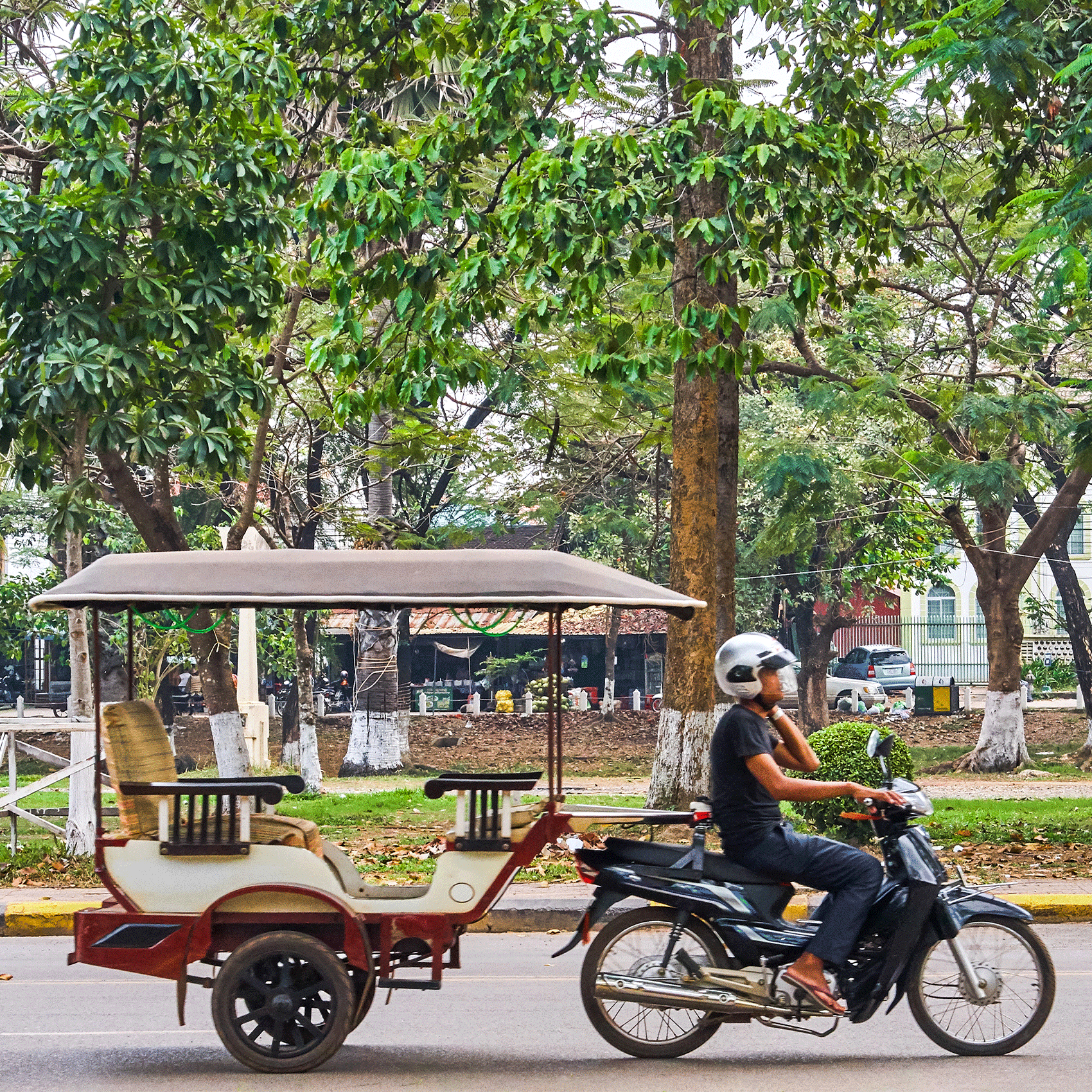
Most people get around by tuk-tuk, scooter or bicycle. Local ride-hailing apps like Grab and PassApp make it easy to book transport. For exploring the surrounding countryside, hiring a scooter or a tuk-tuk for the day is usually the most practical option.
When is the best time to visit Kampot?
The best time to visit Kampot is during the dry season, from November to May. The months of November to February are particularly pleasant, with milder temperatures. The rainy season still offers beautiful scenery, though showers can be frequent.
Where should I stay in Kampot?
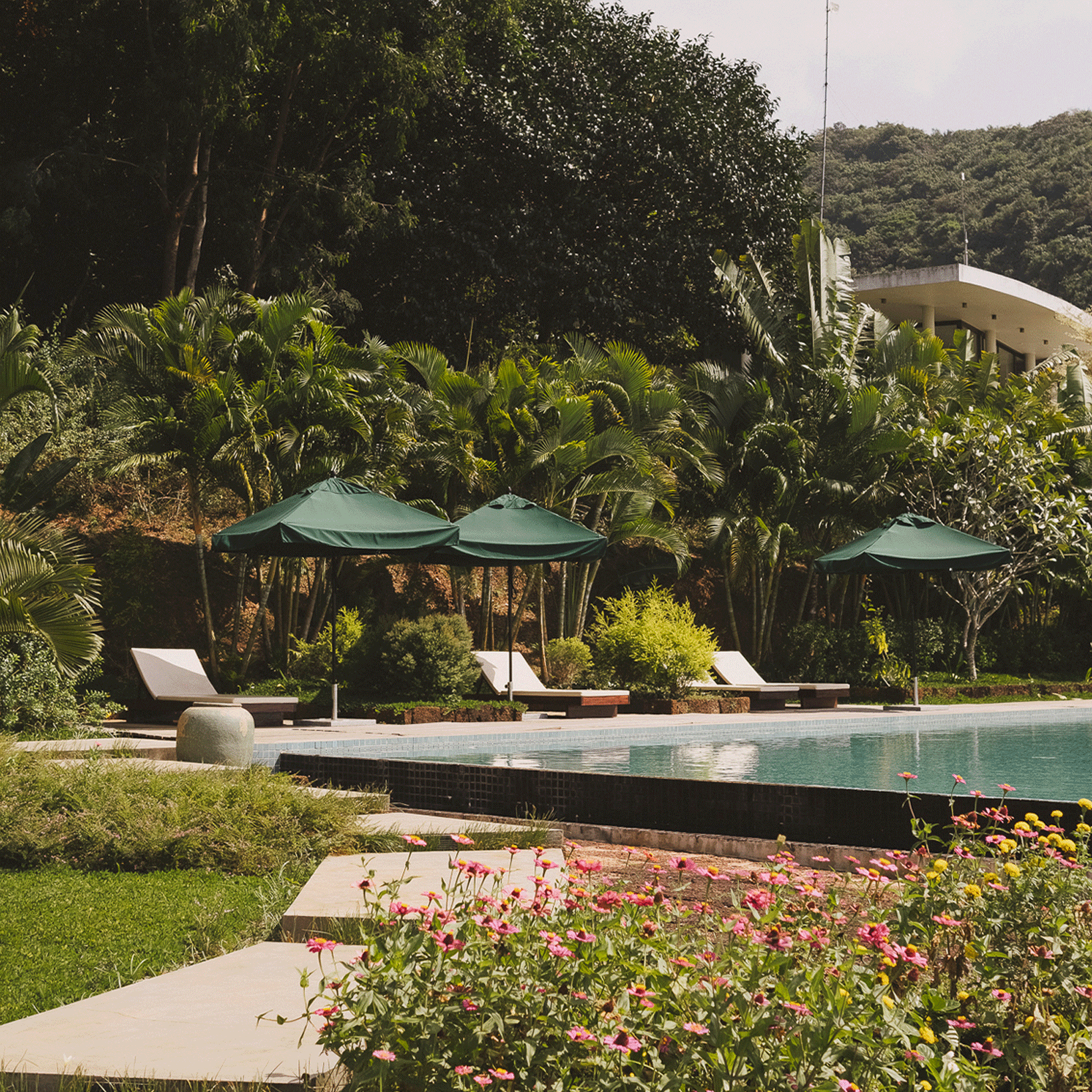
Kampot offers a wide range of accommodation, from backpacker hostels to more comfortable hotels. In the surrounding countryside, some farms also offer stays immersed in nature. La Villa de La Plantation is set in a lush environment with views over the mountains and the pepper plantations.
Is Kampot worth visiting for a day trip?
A day trip gives you a taste of Kampot, but the town truly rewards a longer stay. With river excursions, pepper plantation visits, nature hikes and the nearby town of Kep, two to four days allow you to experience everything the region has to offer at a relaxed pace.
Subscribe to our Newsletter now
Get a free product for your first order!
Donation