Complete Guide: How to pair Spices in cooking
Our Tips
-
18.04.25
Suggestions
Spices and marinades: the complete guide to transforming meat, fish, and vegetables
Sommaire
Marinading is the most underestimated step in cooking. It happens before the heat, quietly in the refrigerator and yet it decides everything: the texture of the flesh, the depth of flavour, the colour on the surface, the aromatic complexity in the final dish.
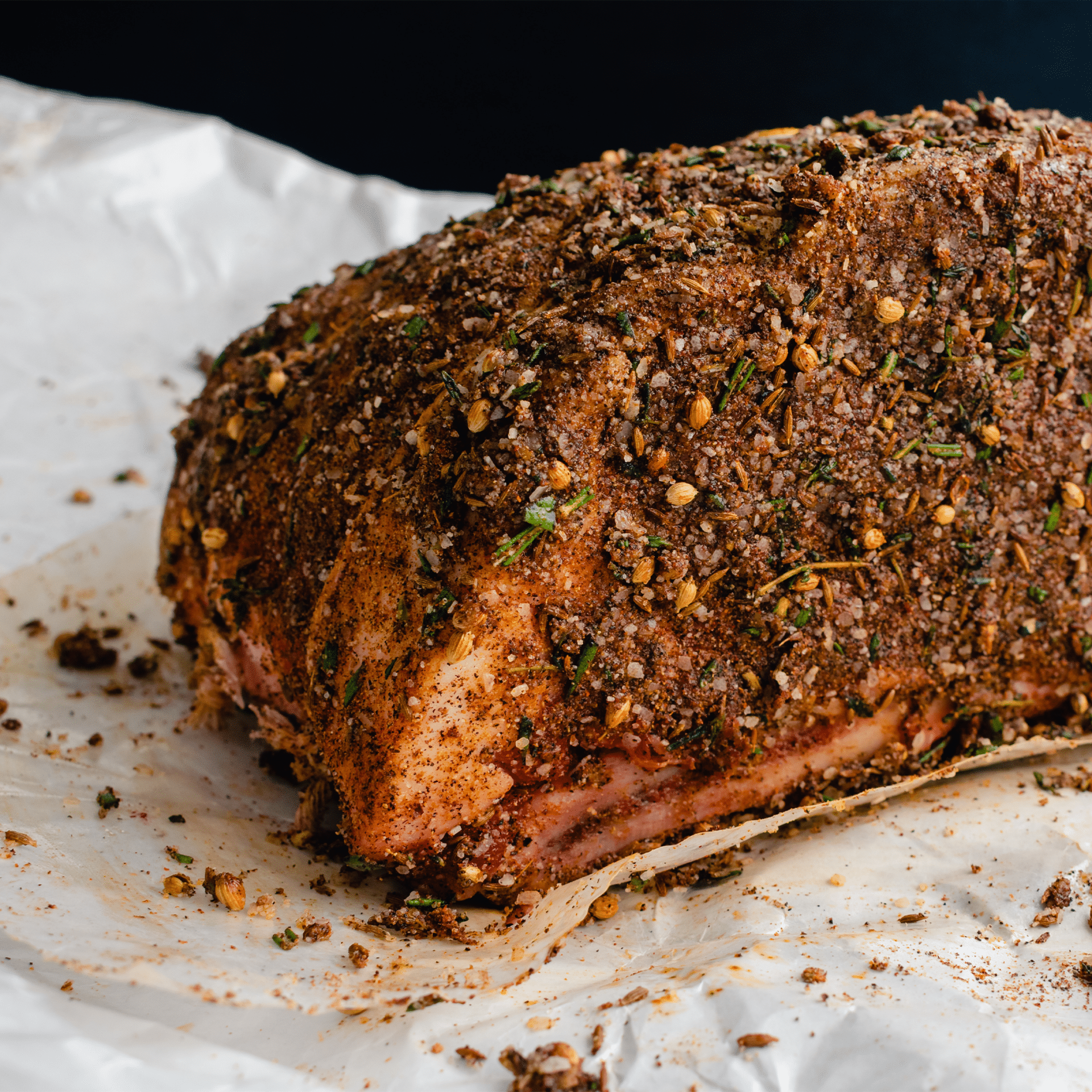
And at the heart of every great marinade, there are spices. Not oil. Not lemon juice. Spices. Fat and acid are optional, a well-chosen selection of spices applied dry to an ingredient is already a complete marinade. That is the principle of the rub, and it is one of the most powerful culinary techniques there is.
Key takeways:
|
What is a marinade and what do spices actually do?
A marinade relies on a balance between three complementary elements.
The fat (olive oil, coconut milk or melted butter) carries the aromas and protects the food during cooking. The acid element (lemon, vinegar, yogurt or white wine) tenderises the fibres and locks in the flavours. Spices and aromatics, finally, bring the flavour, colour and aromatic complexity that define the character of the marinade.
This third lever is where everything comes together: the right choice of spices transforms a basic marinade into an unforgettable preparation.
| Component | Role | Examples |
|---|---|---|
| Spices and aromatics | Flavour, colour, aromatic complexity | Paprika, ginger, pepper, turmeric, lemongrass |
| Fat (optional) | Aroma carrier, protection during cooking | Olive oil, coconut milk, melted butter |
| Acid (optional) | Tenderises fibres, fixes spices | Lemon, vinegar, yoghurt, white wine |
Spices do not simply enhance flavour, they transform it. Their essential oils penetrate the fibres of the food during resting time and deposit aromas that hold up through cooking. This is something that neither salt, nor sugar, nor fat alone can replicate.
Marinating time plays a critical role. Too short, and the aromas remain on the surface and disappear in the heat. Too long, and some spices turn bitter: cumin and pepper in large quantities are the first to suffer. The ideal duration depends on the food.
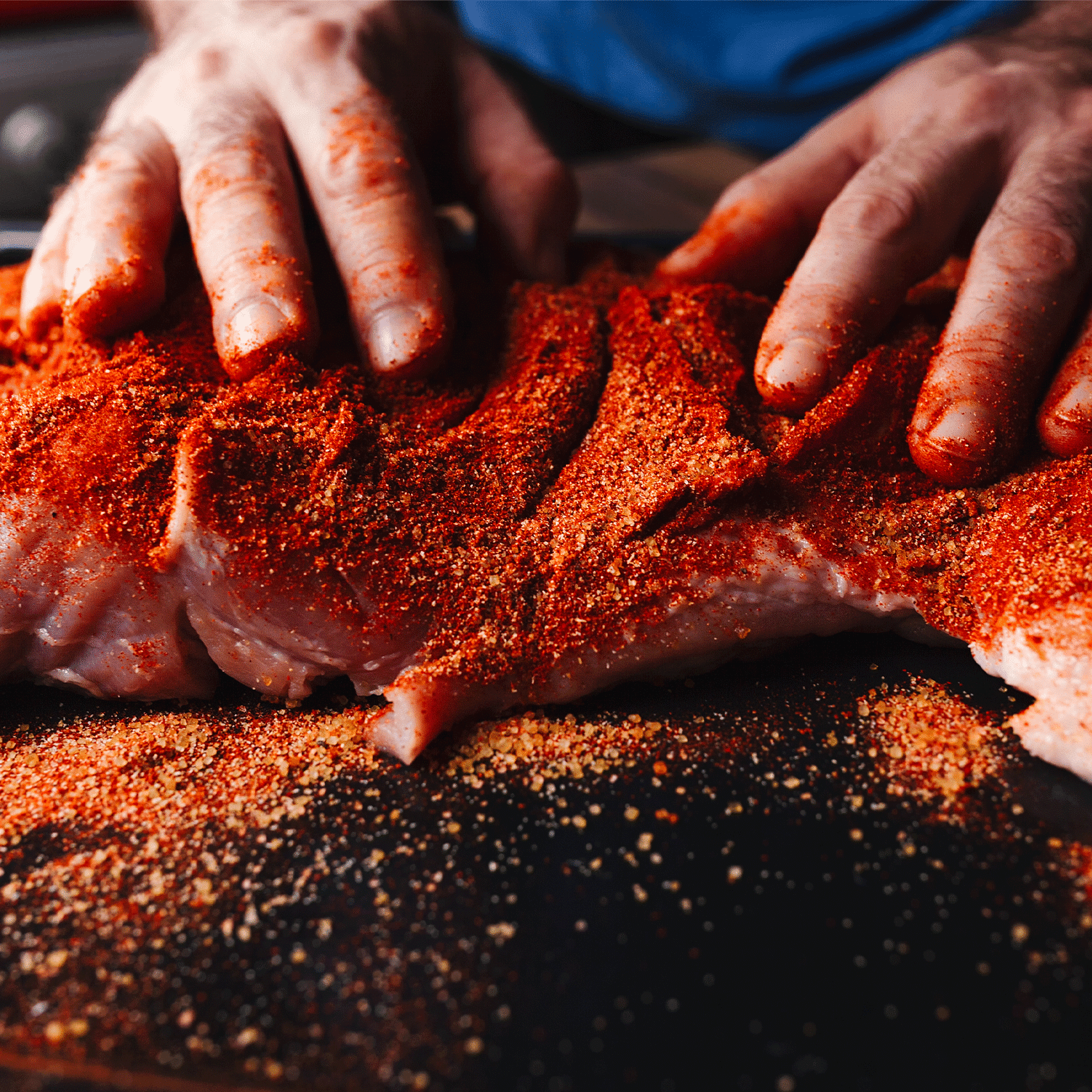
The essential spices for a great marinade
These spices are made for long cooking, red meat, and hot ovens. They hold up to heat, caramelise well, and bring an aromatic depth that more delicate spices simply cannot deliver.
Smoked paprika powder is the base spice for powerful marinades. Its deep red-orange colour tints the food from the moment of resting, and its smoky notes develop fully during cooking.
Chilli, bird’s eye chillies or crushed chilli flakes, delivers direct heat. Dose according to tolerance, but do not skip it: heat is what wakes up all the other aromas.
Cinnamon, with its woody and lightly sweet notes, works beautifully in small quantities in marinades for lamb or chicken.
These spices are made for quick cooking, fish, poultry, and vegetables. Their aromatic freshness is their main asset: preserve it by using measured quantities and avoiding prolonged cooking.
Ginger powder brings floral and citrusy notes, ideal for fish, chicken, and prawns wherever classic ginger would be too punchy.
Lemongrass (ground or fresh) brings a herbaceous and lightly citrusy freshness, indispensable in Asian-style marinades.
Turmeric and white turmeric powder bring golden colour and a gentle warmth, particularly effective with coconut milk as the fat base.
Kaffir lime leaves and zest add a floral and citrusy intensity that few other ingredients can replicate. A few leaves in a simple marinade change the result completely.
The rule for all peppers: grind at the moment of preparing the marinade to preserve the volatile aromas. Pre-ground pepper has already lost a significant part of what makes it interesting.
Red Kampot Pepper PGI has fruity and lightly sweet notes that set it apart from classic black pepper. Ideal in fish and poultry marinades, where its fruitiness extends the flavours without dominating them.
White Mondolkiri Pepper is softer, with delicate floral notes. It works in lighter marinades, on delicate fish fillets, and in moderate-temperature oven preparations.
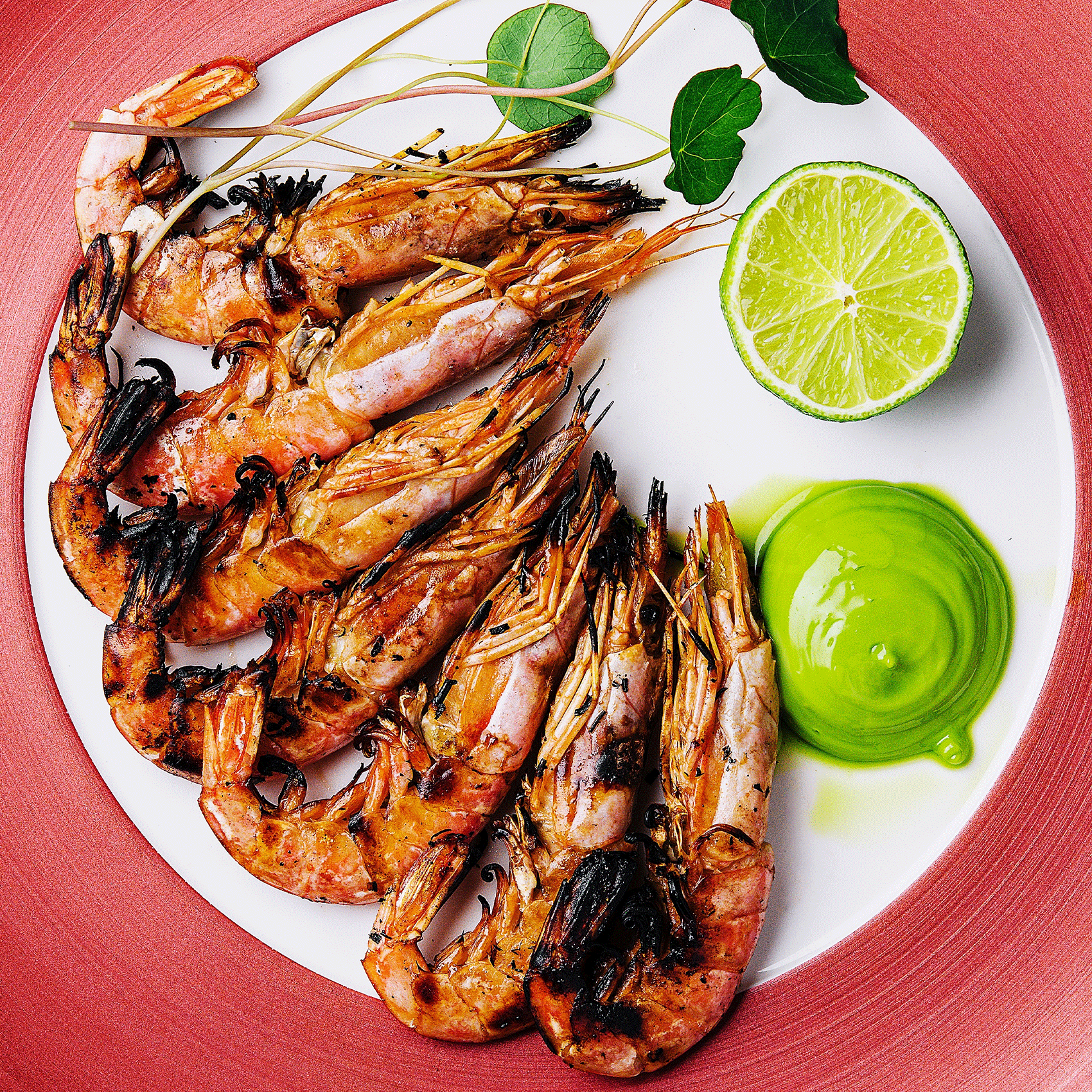
Spices and marinades by food type
Red meat calls for powerful spices that hold up through cooking. It can marinate for a long time and genuinely benefits from it.
For a quick combination: mix olive oil, lemon juice, and a Lok Lak spice blend. Thirty seconds of preparation, an immediately convincing result.
For an Eastern-style version: smoked paprika, cumin, and yoghurt, prepare the night before for best results. Marinating time: a minimum of 2 hours, up to 24 hours for thick cuts. For large pieces, score the flesh before applying the marinade so the spices penetrate deep rather than staying on the surface.
Poultry and pork call for more balanced spices. Their flesh is more delicate: too powerful a spice blend will overwhelm rather than reveal it.
For a quick, ready-to-use combination: mix olive oil, lime juice, and a roast chicken spice blend.
For a Cambodian-style version: young ginger powder, lemongrass stems, and Khmer green curry combined with coconut milk, which simultaneously tenderises and carries the aromas. Ideal marinating time: 1 to 12 hours. Poultry marinates faster than red meat: there is no need to go beyond 12 hours. Yoghurt as a marinade base tenderises chicken remarkably well, particularly for oven cooking.
Fish demands short, delicate marinades. Its fibres are fragile: over-marinating deteriorates the texture. The rule: never exceed 30 minutes for fish fillets and a maximum of 1 hour for prawns.
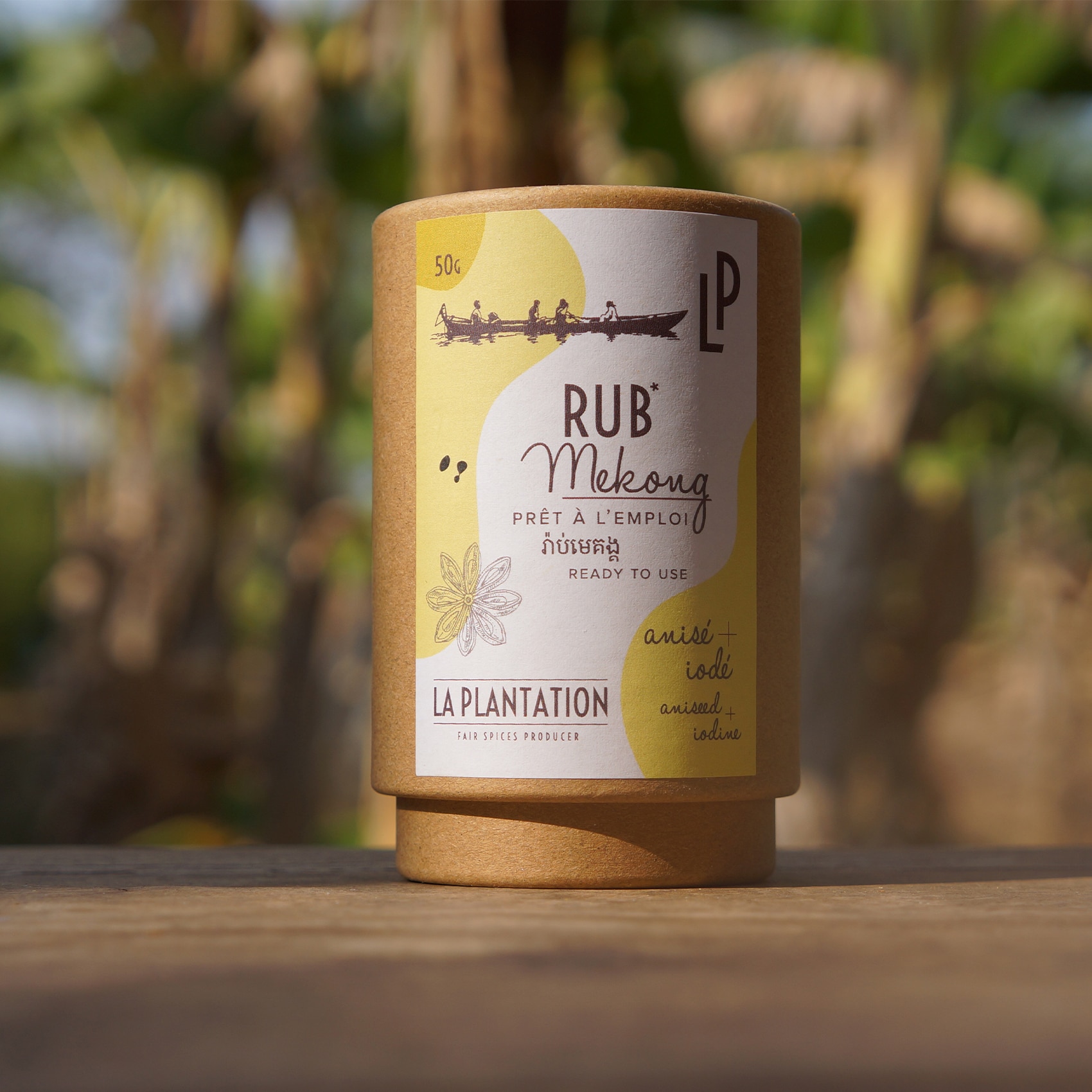
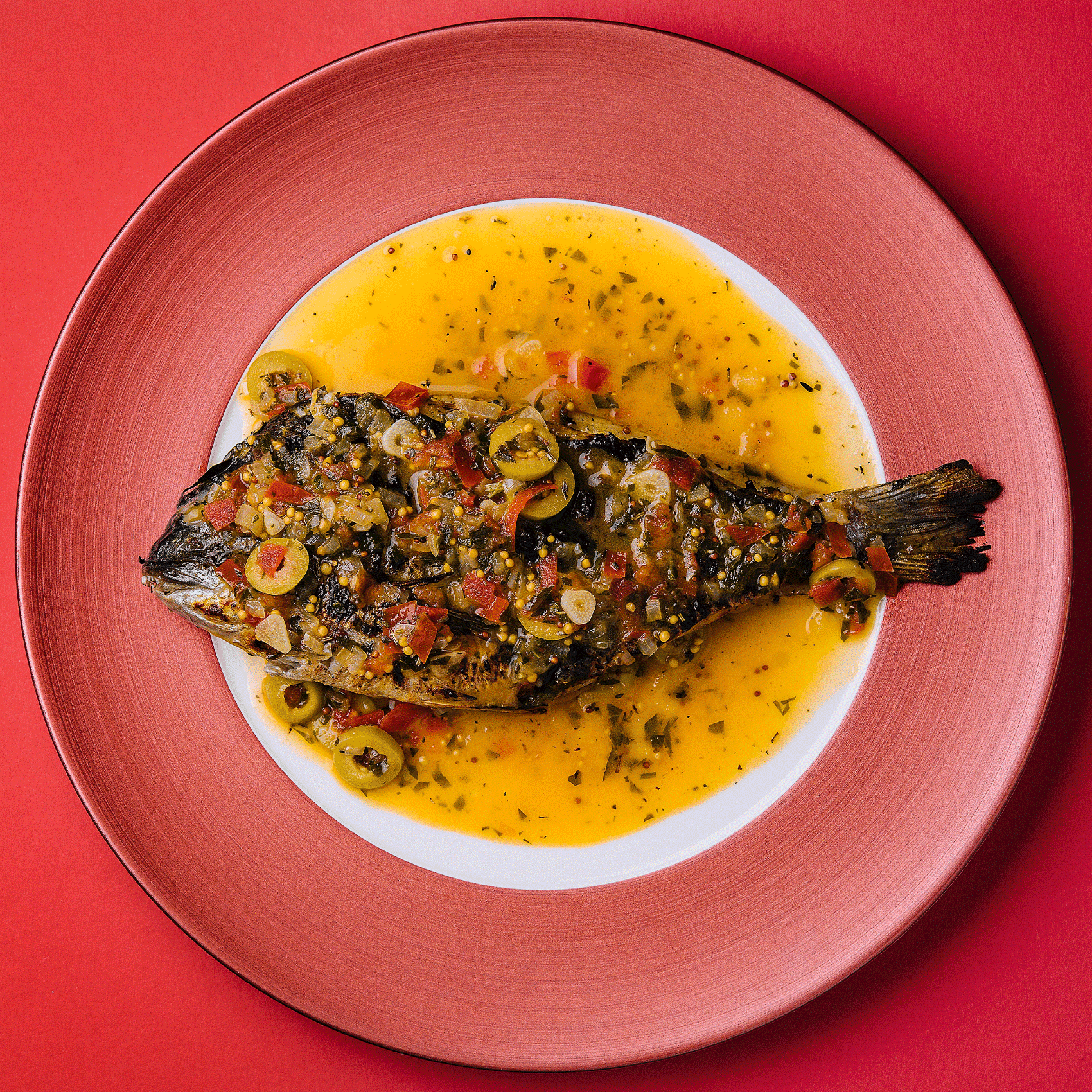
The Grilled Fish blend or Seafood blend combined with olive oil and lemon is the fastest combination. For a dry marinade option, the Mekong Rub applied directly to fillets is ideal for the plancha, as the crust forms within seconds over high heat.
The Cambodian version uses kaffir lime leaves, young ginger, red Kampot pepper, and coconut milk to create a floral-fruity pairing that beautifully reveals the iodised flavours of the sea.
Vegetables have an often-underestimated advantage: they absorb aromas very quickly. Thirty minutes is enough for most. Two hours, and the marinade has penetrated deeply.
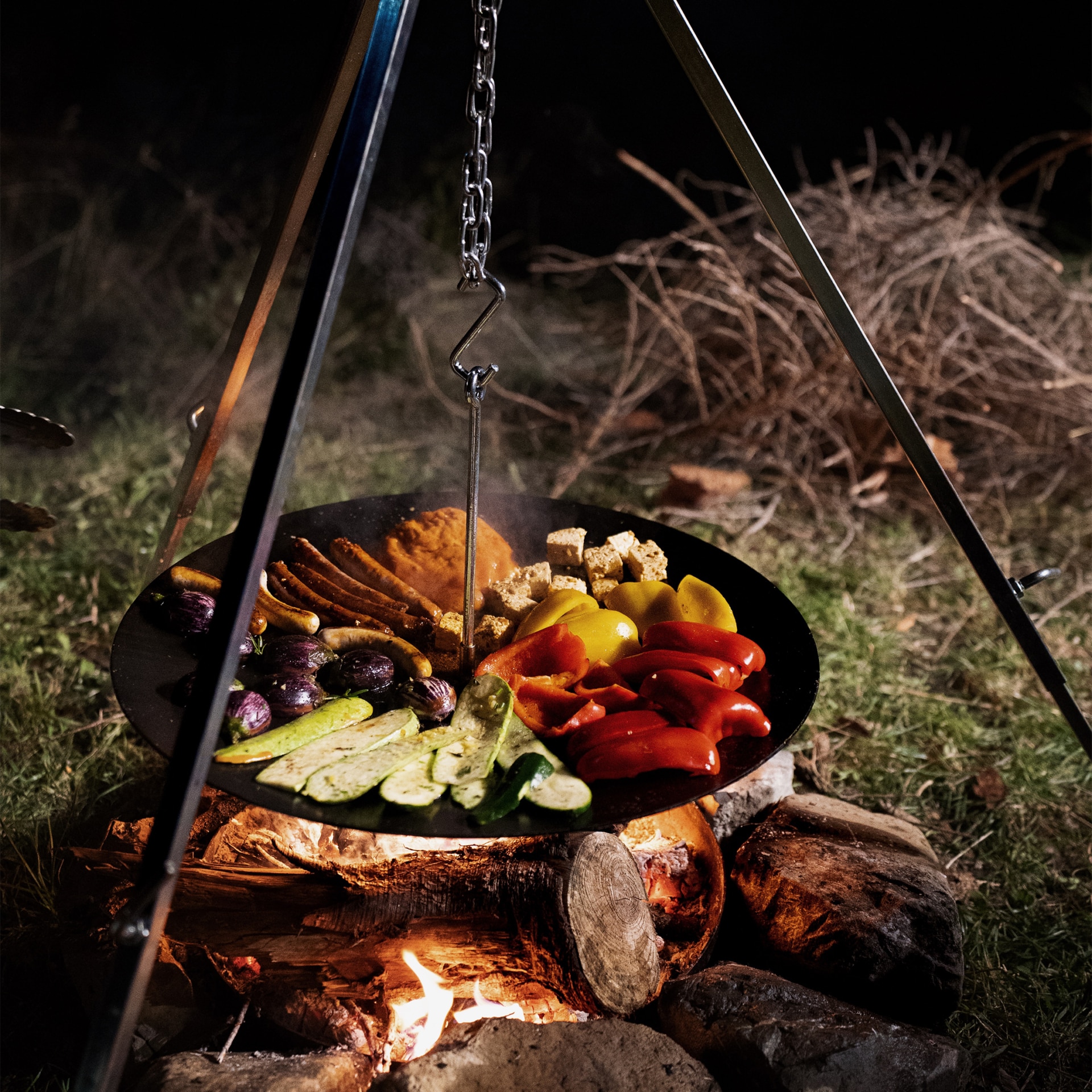
For a dry marinade version: a spice rub on seasonal vegetables before roasting or griddling is one of the simplest and most effective preparations there is. For an Eastern-style version: turmeric powder, young ginger, yellow curry, and coconut milk, excellent on aubergine, peppers, or firm tofu.
Vegetables that marinate particularly well: aubergine, courgette, pepper, mushrooms, and tofu.
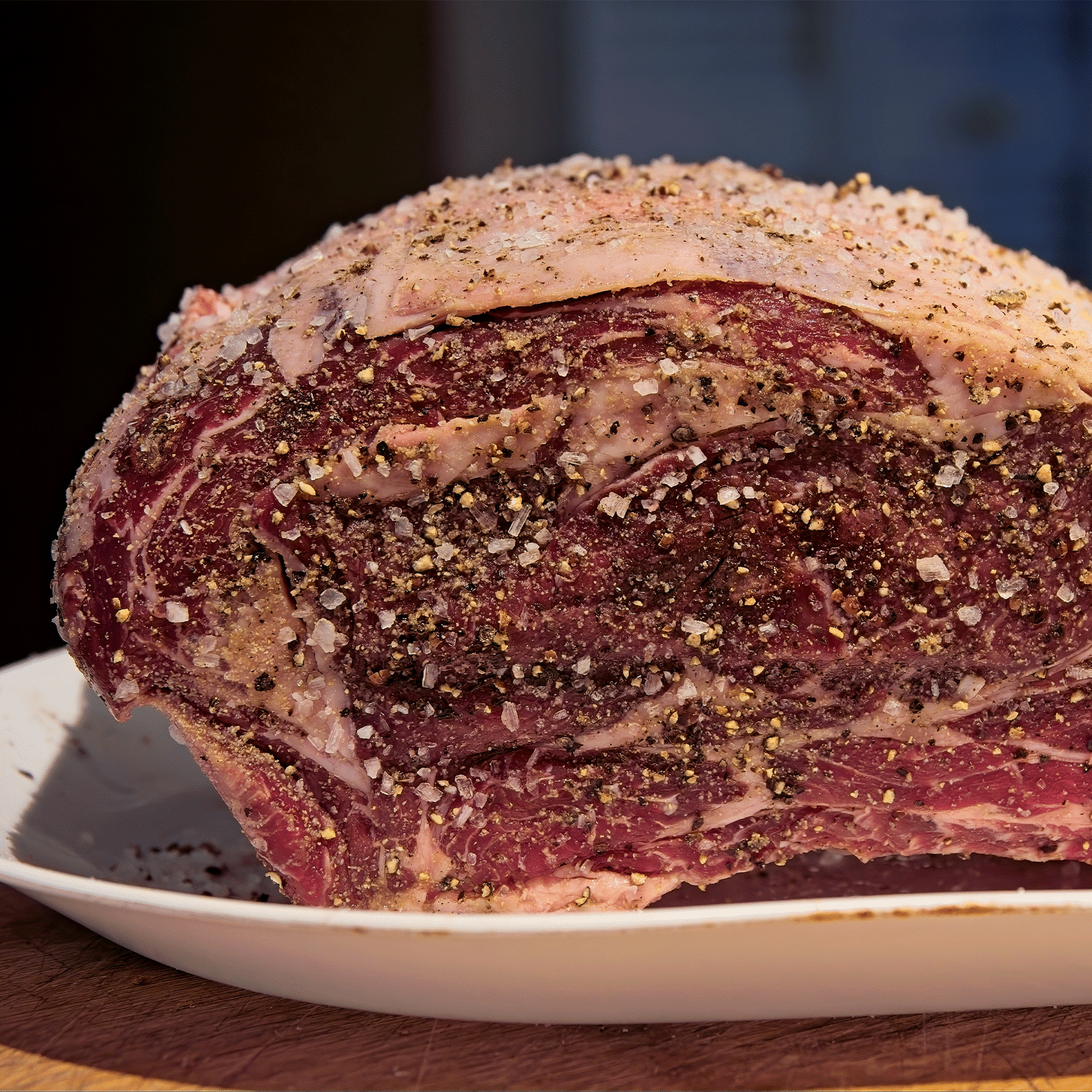
Adapting your marinade to the cooking method
The oven is the most generous cooking method for marinades. Heat surrounds the food on all sides, the spices have time to diffuse deeply, and the aromas concentrate progressively rather than evaporating all at once.
The most suitable spices for oven cooking: red curry, turmeric powder, ginger, and smoked paprika. Their aromatic profiles hold up under prolonged heat and develop rather than disappear. A yoghurt-based marinade is particularly effective in the oven: it forms a golden, protective crust that keeps the flesh juicy while caramelising on the surface. For a dry rub, applying it the night before and leaving uncovered gives the best results. Cover the dish at the start of cooking to fix the aromas, then uncover at the end for colour.
The pan and plancha demand short marinades with very little sugar. The cooking is fast and intense: sugars burn before the aromas have time to develop if you add too much. Thirty minutes of marinating is generally sufficient.
The most suitable spices: ginger, white pepper, bird’s eye chilli, and lemongrass stems. Their aromatic freshness expresses itself immediately at high heat without turning bitter. A dry rub is the ideal technique for the plancha: the crust forms within seconds, the aromas concentrate. For liquid marinades, blot the excess before placing the food in the pan: surface moisture prevents a proper crust from forming.
Spices that caramelise well are your best allies: smoked paprika, garlic powder, and cumin. Fresh herbs burn on the grill: keep them for finishing after cooking.
| Cooking method | Marinade type | Ideal duration | Suitable spices |
|---|---|---|---|
| Low oven (150-180°C) | Liquid or yoghurt | 4 to 12h | Curry, turmeric, ginger, mild paprika |
| Hot oven (200-220°C) | Dry rub or yoghurt | 1 to 8h | Smoked paprika, pepper, cumin, rubs |
| Pan / plancha | Dry rub or short marinade | 15 to 30 min | Ginger, chilli, lemongrass, pepper |
| Barbecue / grill | Dry rub or dry marinade | 30 min to 12h | Smoked paprika, rubs, smoked pepper |
| Slow / braised cooking | Liquid marinade | 8 to 24h | Cinnamon, cumin, curry, long pepper |
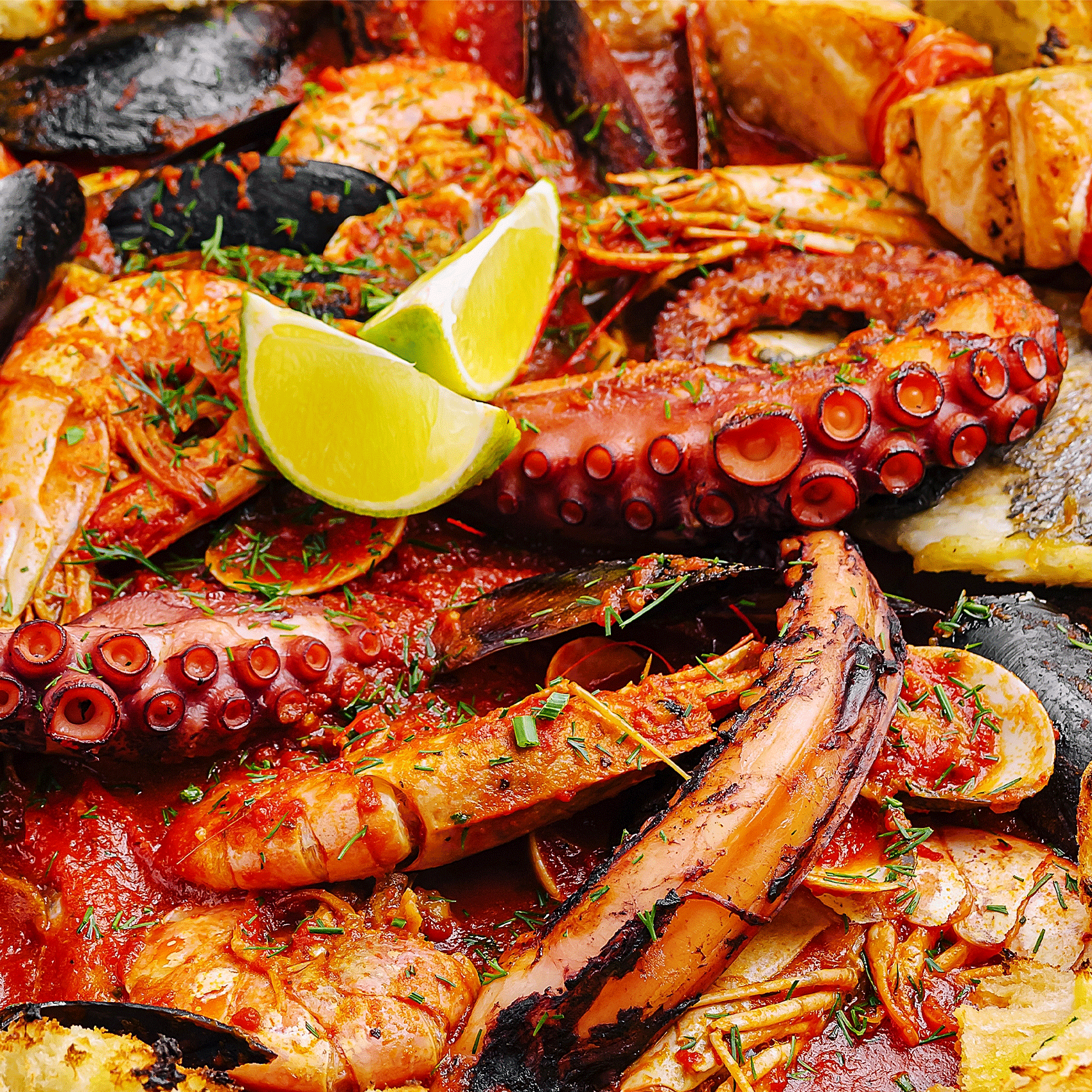
3 express marinade ideas to make yourself
This is the base marinade to master first. Olive oil, lemon juice, garlic, oregano, and White Mondolkiri Pepper. Five ingredients, universal result. It works on poultry, fish, and grilled vegetables, everywhere. Marinating time: 30 minutes for fish, 1 hour for poultry, 2 hours for vegetables.
This is the marinade to prepare the night before. Yoghurt, smoked paprika, ground long pepper, cumin, garlic, and smoked black pepper. The yoghurt tenderises, the smoked paprika colours, the long pepper brings sweet depth, and the smoked pepper adds woody complexity. Marinating time: 4 to 12 hours.
This is La Plantation’s signature marinade. Coconut milk, young ginger powder, lemongrass stems, kaffir lime zest, and Khmer green curry. The coconut milk is both fat carrier and tenderiser. Young ginger brings floral freshness. Lemongrass brings herbaceous vibrancy. Kaffir lime brings citrusy intensity. Khmer green curry binds and structures everything together. Marinating time: 30 minutes for prawns, 1 to 2 hours for chicken and tofu.
FAQ: spices and marinades
Both techniques give different results, neither is superior to the other. A dry rub concentrates the aromas on the surface and forms a crispy crust during cooking. It is ideal for high-heat cooking: plancha, pan, hot oven, and grill. A liquid marinade penetrates deeper, tenderises the fibres, and diffuses aromas from the inside out. It is ideal for long cooking: low oven, braising, and thick cuts. The choice depends on the food and the cooking method, and both can be combined. More in our guide to rubs.
No. The dry rub proves it. Oil is a useful aroma carrier: it transports the aromatic molecules from the spices and helps them penetrate the fibres. But it is not essential. On water-rich foods (tofu, juicy vegetables) or naturally fatty ingredients (salmon, lamb), spices adhere and penetrate without any added fat.
Three simple questions are enough. Which food? Which cooking method? Which culinary tradition? Red meat in the oven calls for warm, smoky spices: paprika, cumin, long pepper. Fish on the plancha calls for freshness: ginger, kaffir lime, white pepper. Grilled vegetables call for relief: rub, paprika, garlic.
For under 30 minutes, yes. Beyond that, always in the refrigerator. Bacterial growth accelerates at room temperature once meat or fish has been exposed for more than 30 minutes. For long marinades (4 to 24 hours), the refrigerator is non-negotiable.


Subscribe to our Newsletter now
Get a free product for your first order!
Donation