Beginner Spice Selection: A practical guide to start cooking
Our Tips
-
05.09.25
Suggestions
The best spices for vegetarian and vegan cooking
Sommaire
Key takeways:
|
Vegetarian and vegan cooking depends on a delicate balance between textures, flavours and nutrition.
Without meat or fish, spices become essential. They shape dishes, strengthen vegetable flavours, transform legumes and reveal the potential of plant proteins such as tofu, tempeh or cashew nuts.
When well chosen and well used, spices bring character without unnecessary complexity. A sprinkle of smoked paprika, a touch of curry or a spoon of turmeric can change the entire profile of a dish.
Which spices should you use in vegetarian cooking?
Vegetarian and vegan cooking often relies on natural ingredients rich in plant protein. Spices lift flavours, bring balance and help build depth. Here are the essentials and how to use them.
Smoked paprika is sweet, warm and slightly fruity. It brings depth and gentle heat to plant-based dishes. It works beautifully with roasted vegetables, grilled tofu or sautéed cashew nuts. Its smoky aroma instantly adds body to simple dishes.
Cumin has warm, earthy and slightly bitter notes. It boosts legumes such as lentils, chickpeas or beans.
It pairs well with curries, veggie chili and spice rubs for tofu and tempeh.
Curry powders bring complexity and balance to vegetarian dishes.
Different curries create different moods:
Red curry: round, aromatic, ideal for tempeh and Asian vegetables.
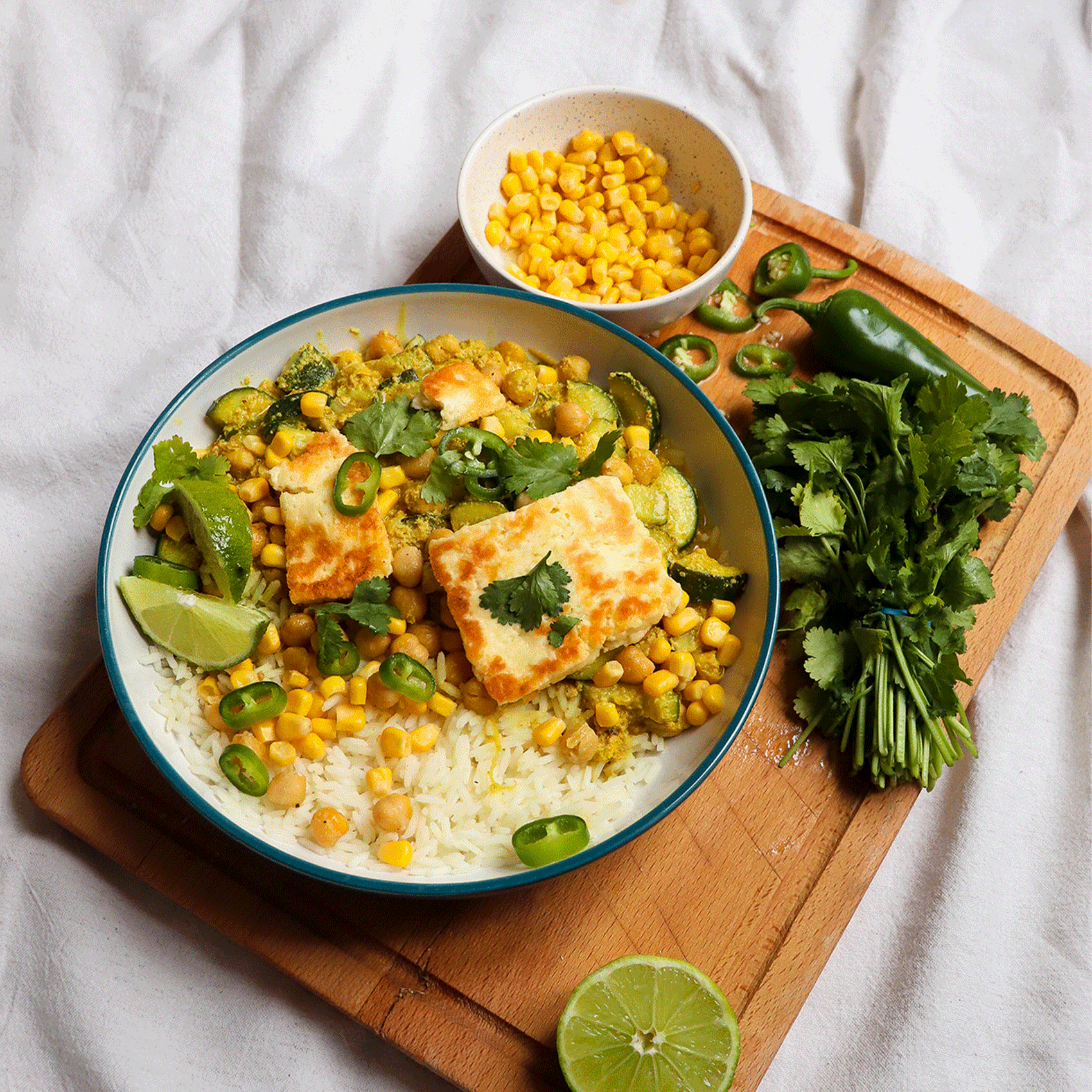
Green curry: fresh and bright, perfect for tofu and coconut sauces.
Yellow curry: aromatic, slightly powerful, great on roasted vegetables or cashew nuts.
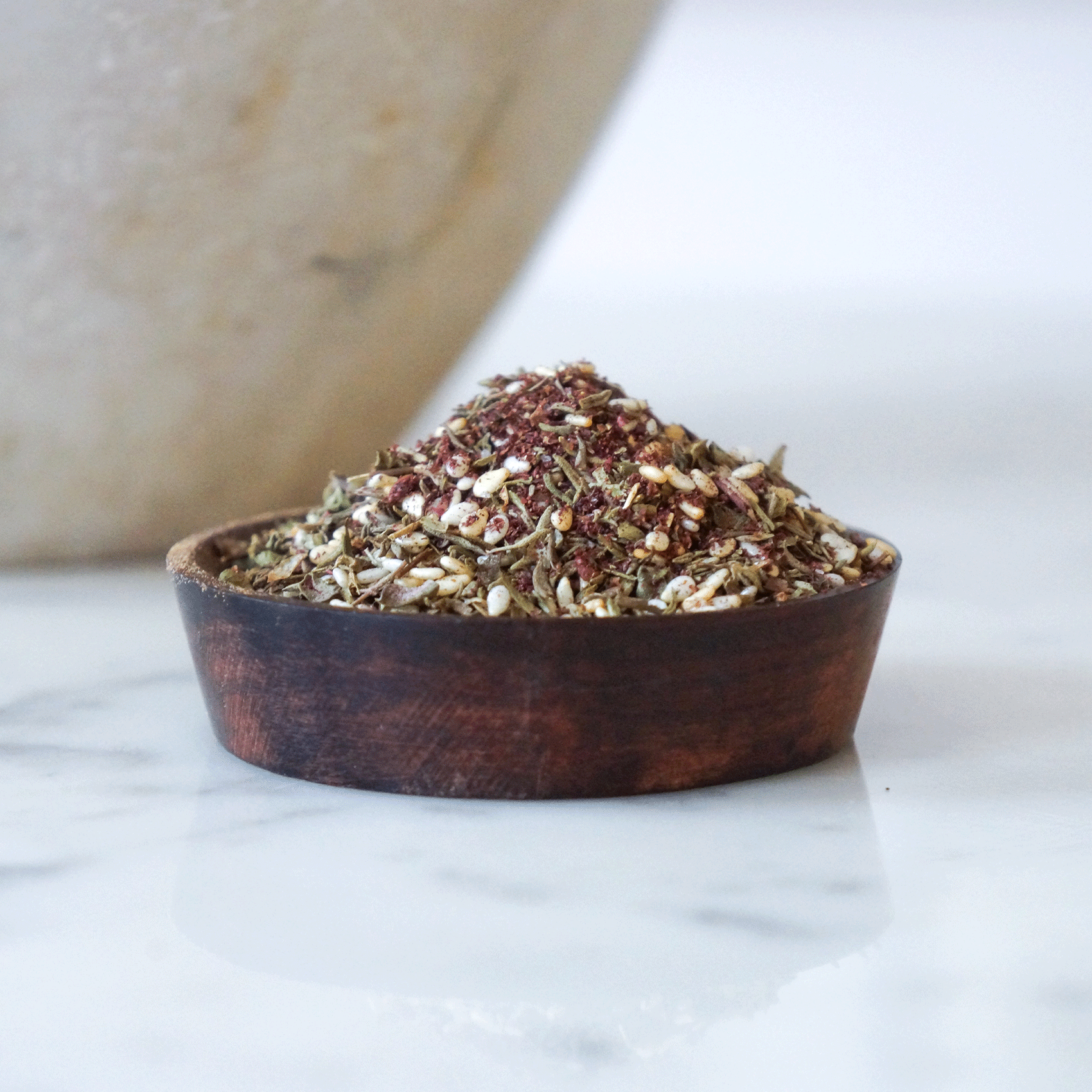
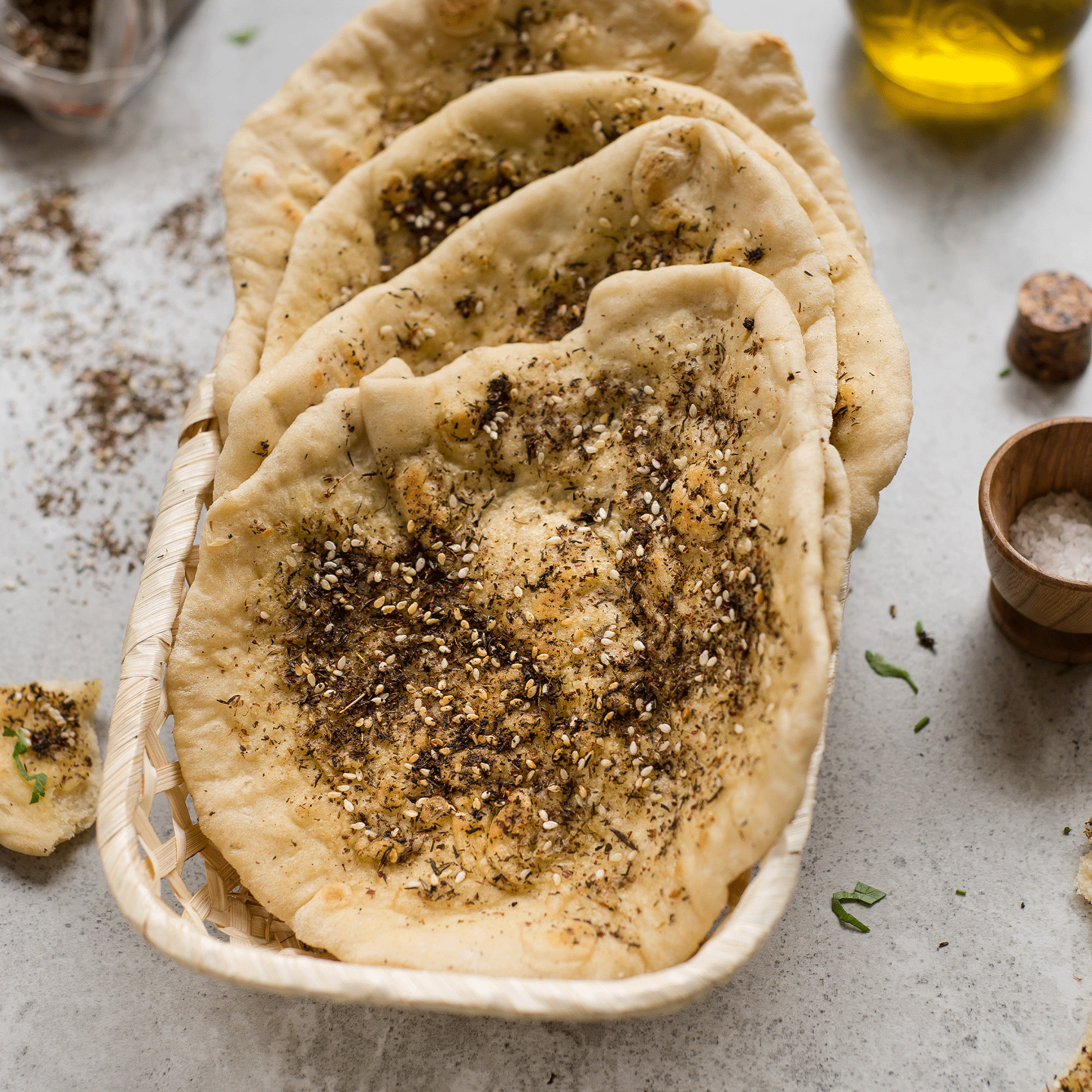
Zaatar blends thyme, sesame and sumac. It adds an herbal, citrus lift with a subtle crunch.
Perfect on roasted vegetables, tofu or flatbreads. It pairs beautifully with olive oil or vegan yogurt for a quick dressing
Turmeric has a soft, earthy flavour and brings natural golden colour. Great with legumes, it also provides antioxidants and vitamin C.
It enhances vegetable curries, tofu sauces, and blends well with coconut milk for a comforting broth.
Harissa powder brings controlled, aromatic heat. It lifts the taste of legumes, vegetables or plant-based proteins.
Ginger is fresh, spicy and slightly citrusy. It works for soups, sauces and marinades. It brings brightness to mild dishes and balances sweet, savory recipes.
Essential in plant-based cooking, garlic and onion create the aromatic base of many dishes. Roasted garlic, caramelised onions or onion powder all enhance tofu, tempeh and vegetables.
Coriander adds freshness and complexity, perfect as a final touch before serving.
Sesame adds crunch and a soft, nutty flavour. Perfect with grilled tofu, sautéed vegetables and roasted cashews.
A great topping for vegan bowls.
Dry rubs are an excellent way to give strong flavour to tofu, tempeh or cashew nuts.
These powdered blends combine many freshly ground spices to create an aromatic coating that penetrates the food before cooking.
A few minutes of rest are enough to let the spices infuse.
They transform a simple vegetarian dish into something rich and full of character.
Pairing spices with vegetarian ingredients
To make spice pairing easier in vegetarian and vegan cooking, here is a clear summary based on your main ingredients.
| Ingredients | Recommended spices and blends |
| Legumes (chickpeas, kidney beans, lentils) | Cocoa rub, cumin, turmeric, coriander, chili, ras el hanout |
| Tofu | Smoked paprika, garlic, ginger, green curry, five-spice, green pepper rub |
| Tempeh | Red curry, turmeric, ginger, chili, Mekong rub |
| Veggies | Harissa, cumin and coriander for carrots; curry and paprika for squash; garlic and paprika for broccoli; zaatar and paprika for peppers |
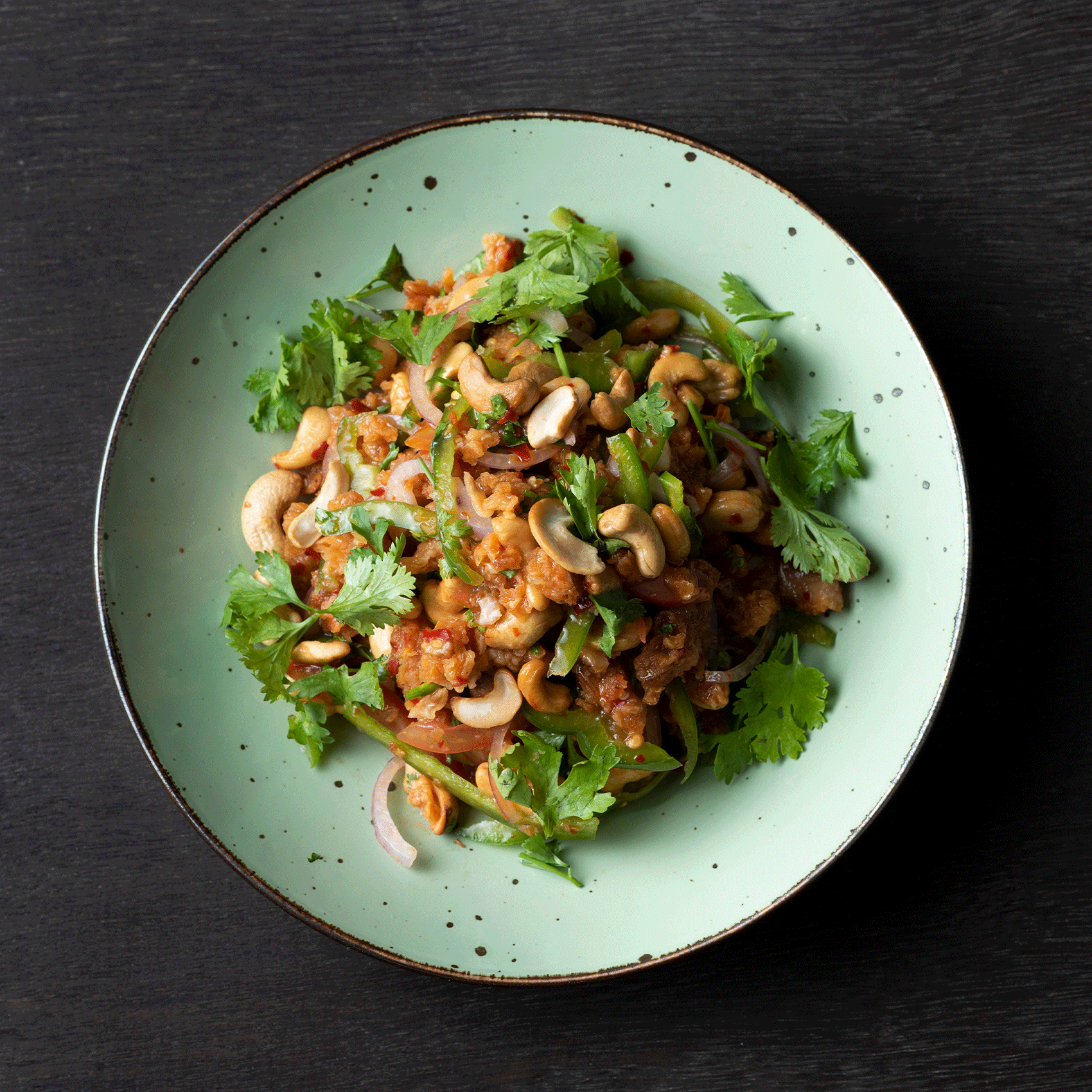
| Plant proteins & cashews | Yellow curry, smoked paprika, garam masala, zaatar, ginger |
This table helps you choose spices that match the texture and flavour of each vegetarian ingredient.
Understanding vegetarian cooking
Vegetarian cooking brings together vegetables, legumes, tofu, tempeh, cashew nuts and plant-based proteins.
Each category needs the right balance of flavours to replace the depth usually provided by animal proteins.
Textures matter:
Legumes bring softness and comfort.Tofu and tempeh offer firm, neutral bases that absorb spices easily.
Cashews and nuts add crunch, richness and natural fats.
Playing with these textures helps make vegetarian meals satisfying, complete and enjoyable.
Balancing flavours in vegetarian dishes
Sweet: squash, carrots, sweet potatoes
Bitter: cabbage, broccoli
Umami: fermented tofu, nutritional yeast, roasted cashews
Spicy: pepper, curry, paprika
Balancing these flavours helps you build dishes that feel complete and harmonious.
Why spices play a key role?
Spices add depth, warmth and character. They improve flavour perception, elevate textures and create structure in plant-based cooking. Turmeric colours and perfumes. cumin and coriander bring roundness and balance. Smoked paprika adds body.
Ginger lifts and refreshes.
Seasoning eggs and dairy in vegetarian cooking
In vegetarian cooking (non-vegan), eggs and dairy offer soft textures and gentle flavours.
Spices can elevate them easily. Scrambled eggs or omelettes become richer with yellow curry, smoked paprika, pepper or dried herbs.
Fresh cheese, yogurt or cream turn into aromatic dips or sauces with coriander, nutmeg, cardamom or a hint of chili.
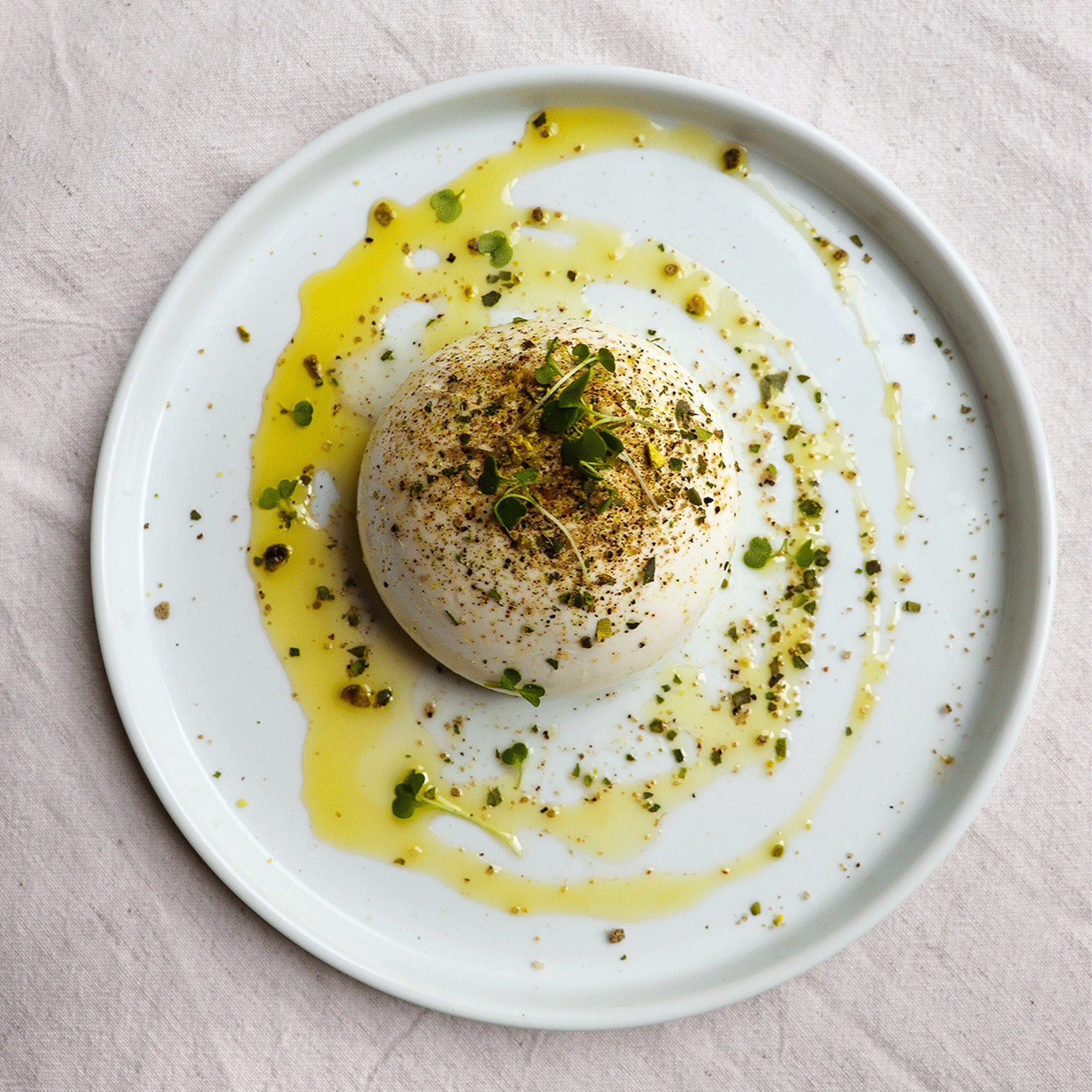
| Tip: add spices to classic cheeses such as burrata or fresh goat cheese for a surprising, flavourful twist. This brings colour, creativity and depth while staying fully vegetarian. |
Frequently asked questions
Marinate plant proteins, add spices at the end of cooking, and play with textures.
Dry rubs and ready-made spice blends are very effective.
Yes. Marinating tofu, tempeh or cashews helps spices penetrate and boosts flavour.
Use a dry rub and leave for at least 30 minutes, or overnight for even better results.
Roasted or natural, they can replace animal proteins in curries or be used as toppings for bowls, salads or noodle dishes.


Subscribe to our Newsletter now
Get a free product for your first order!
Donation