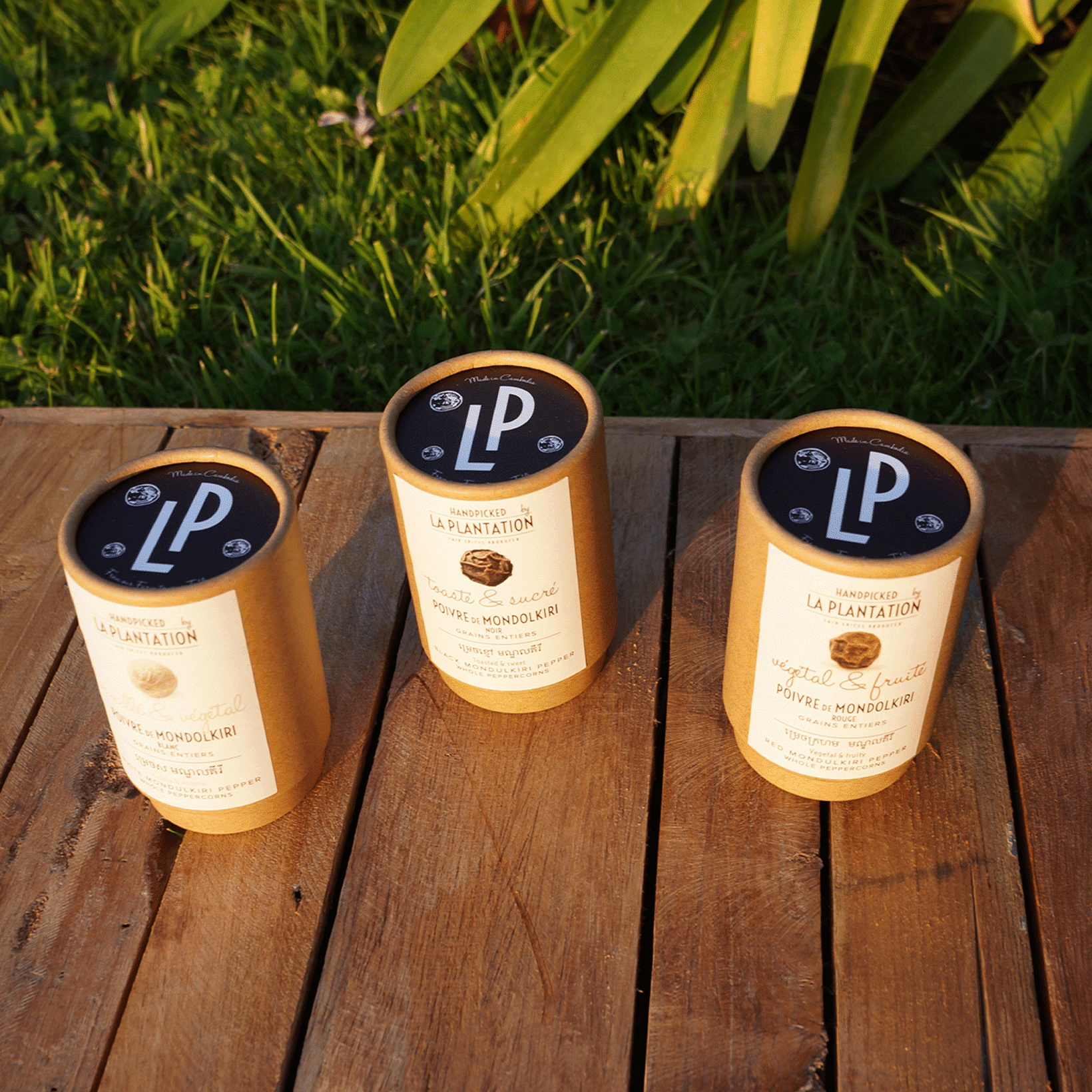
How to use Mondulkiri peppercorns?
Product
-
20.09.24
Suggestions
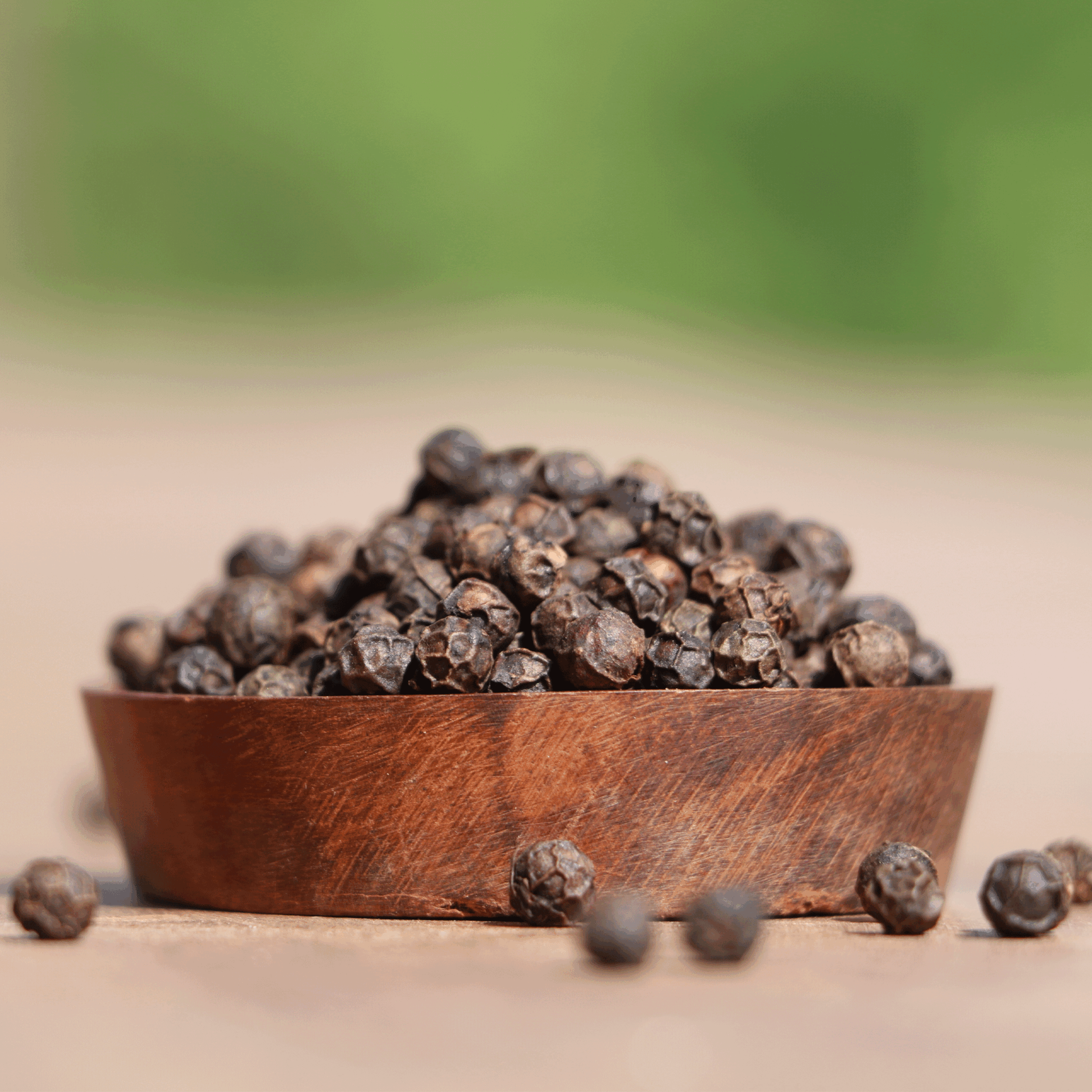
Complete guide to Peppercorns
Sommaire
Choosing pepper is a culinary decision that deserves more attention than it usually receives. Pepper is the world’s most widely used spice, present in almost every kitchen. Behind that name lie several botanical species and related peppers, with aromatic profiles that can differ considerably.
A PGI terroir pepper stands clearly apart from a supermarket pepper through its origin, production method, and aromatic profile. A fruity red pepper is nothing like a delicate white pepper and several spices sold as “peppers” do not even belong to the same botanical family. This guide covers the foundations: botanical families, major terroirs, colours, quality criteria, and culinary uses. To choose your pepper with precision, not by chance.
Botanical families: true peppers and false peppers
In botanical terms, true pepper refers to plants of the genus Piper, belonging to the Piperaceae family. The best known is Piper nigrum but this genus also encompasses other species that produce botanical peppers. These are distinguished from false peppers, which belong to entirely different plant families.
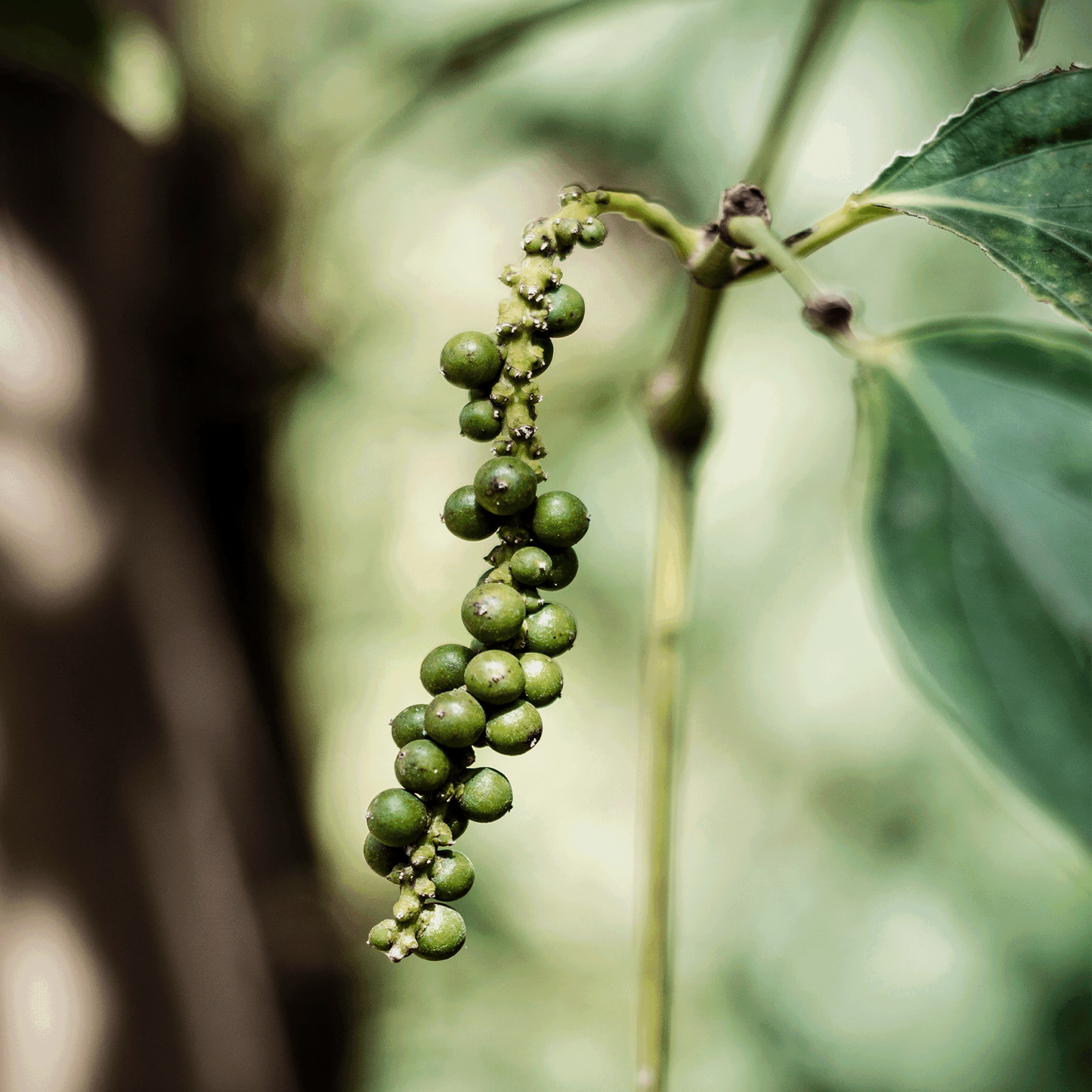
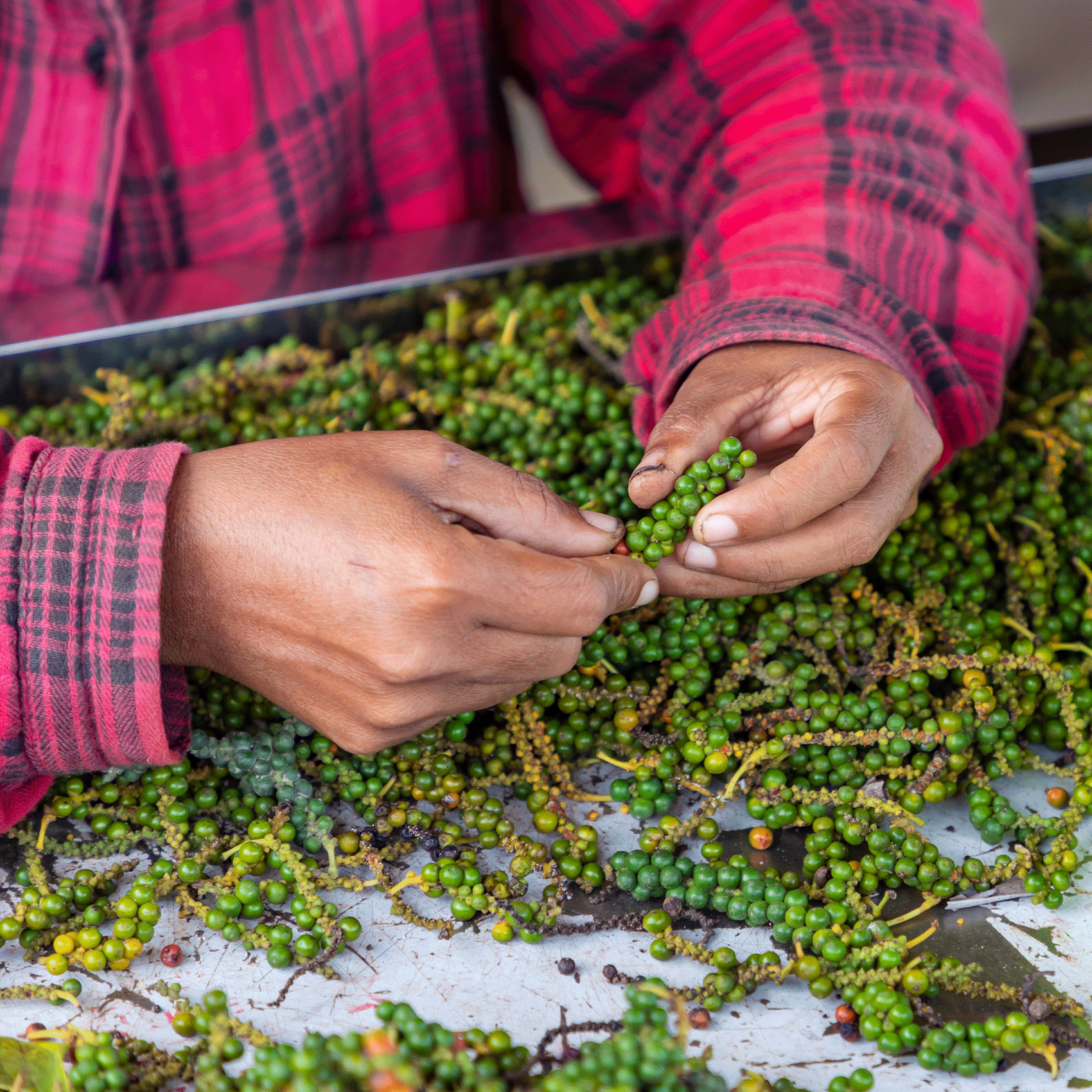
Piper nigrum is the botanical species that produces the vast majority of culinary peppers found in spice shops and on restaurant tables. It is a tropical vine originating from Kerala, India. Black, white, green, and red peppercorns from this species are distinguished primarily by their stage of maturity at harvest and by their processing method.
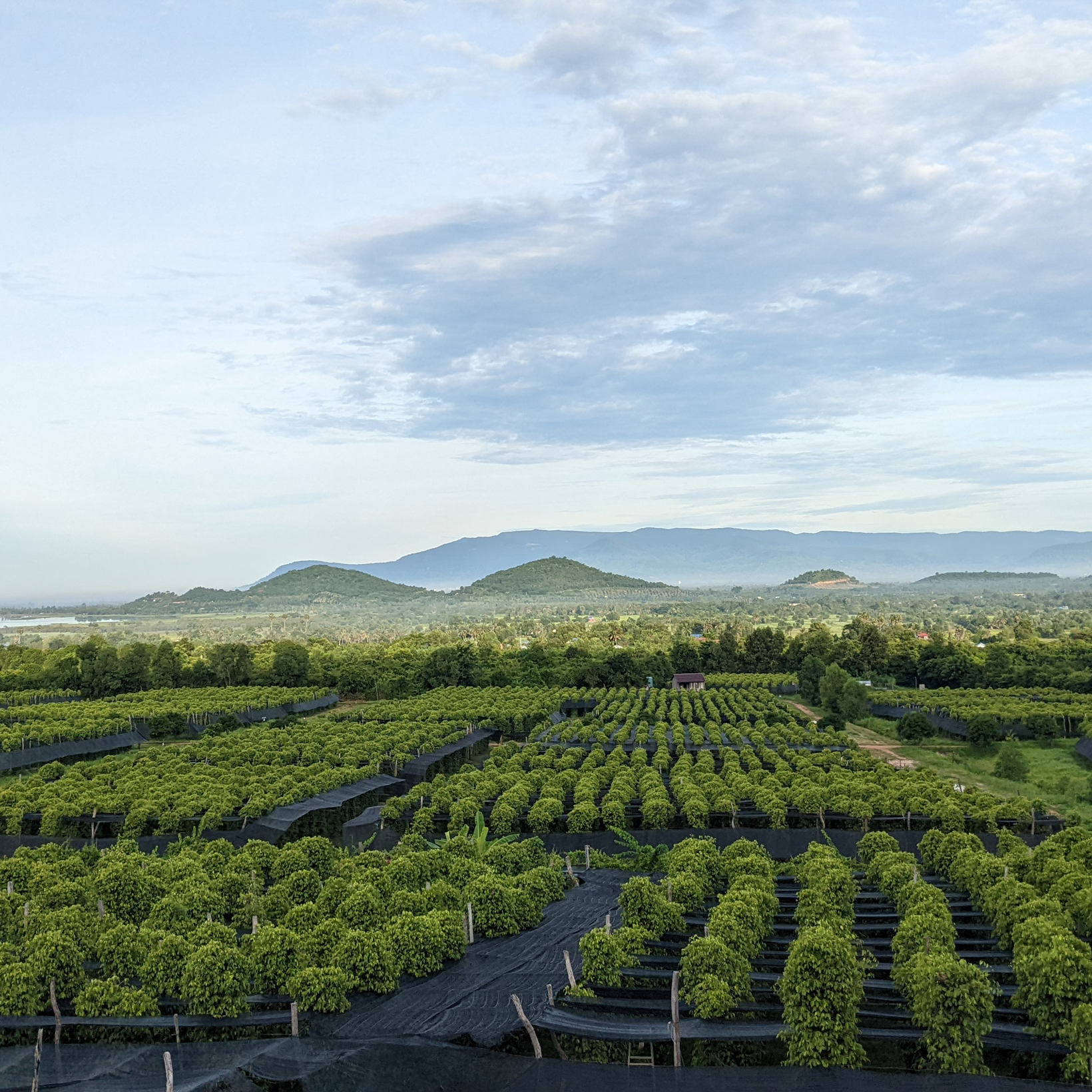
The major Piper nigrum terroirs span several continents: Kampot and Mondolkiri in Cambodia, Malabar and Tellicherry in India, Penja in Cameroon, Sarawak in Malaysia. Each produces a distinct pepper despite the shared botanical identity.
Two other species from the genus Piper are true peppers in the botanical sense, even though their form and aromatic profile differ noticeably from Piper nigrum.
Piper longum or long pepper produces an elongated spike rather than a spherical grain. Its notes are woody and lightly sweet, less pungent than black pepper. It is grown primarily in India and South-East Asia.
Piper cubeba or cubeb pepper is recognisable by its characteristic grain with a small stalk, earning it the nickname “tailed pepper”. Its aromatic profile is camphor-like and resinous, with a lightly mentholated touch. It is used in traditional medicine and in certain African and Arab spice blends.
Several spices carry the name “pepper” by analogy of use or heat level, without belonging to the genus Piper. They are spices in their own right, with their own distinct aromatic qualities.
| Common name | Botanical name | Family | Distinctive characteristic |
| Sichuan pepper | Zanthoxylum piperitum | Rutaceae | Numbing effect, citrus notes, electric tingling |
| Pink pepper | Schinus molle / terebinthifolia | Anacardiaceae | Soft, fruity, lightly resinous, no heat |
| Tasmanian pepper | Tasmannia lanceolata | Winteraceae | Intense and delayed heat, eucalyptus notes |
| Allspice (Jamaica pepper) | Pimenta dioica | Myrtaceae | Evokes cloves, cinnamon, and nutmeg |
| Grains of paradise | Aframomum melegueta | Zingiberaceae | Sharp heat, cardamom and citrus notes |
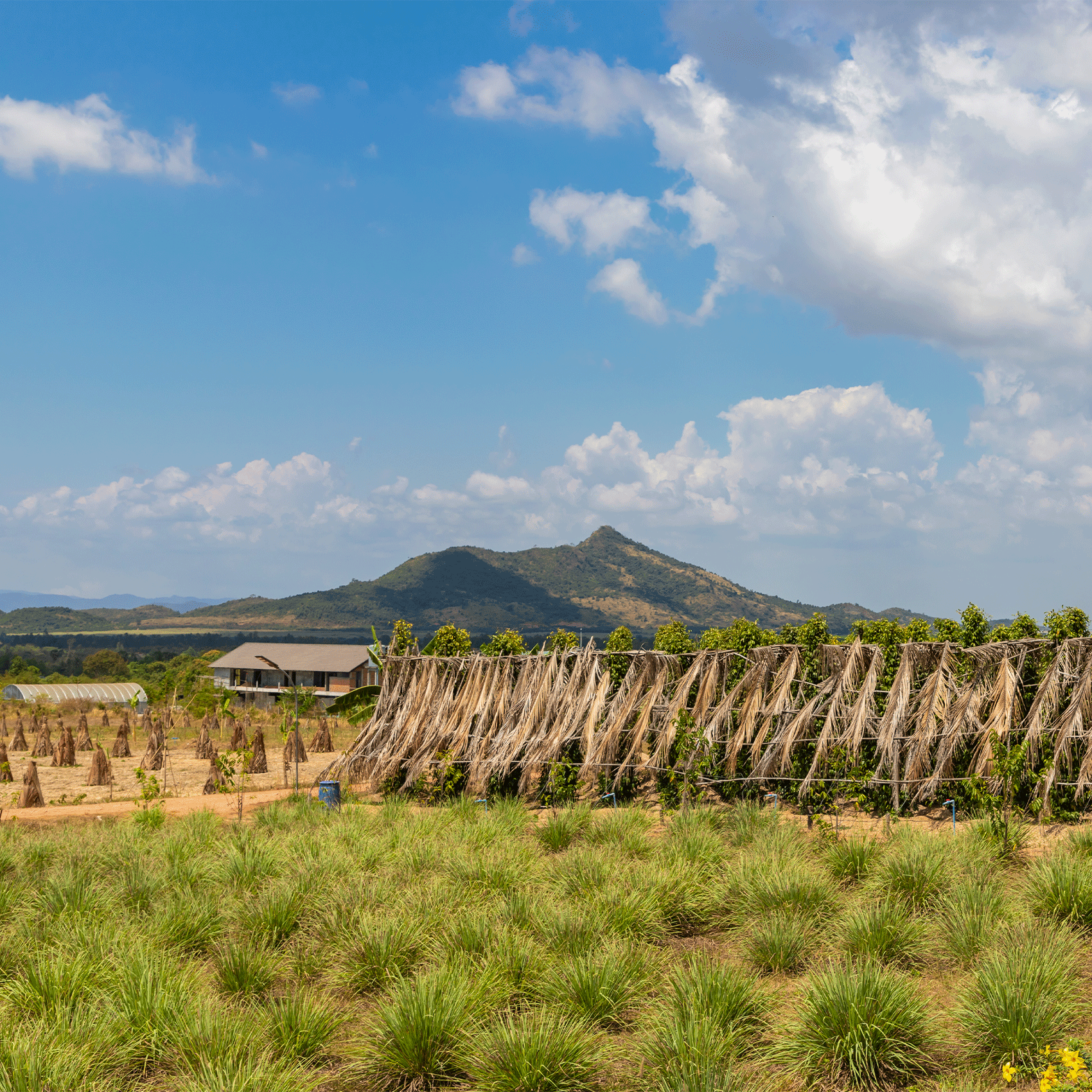
The world’s major pepper terroirs
Terroir is to pepper what it is to wine: a fundamental aromatic determinant.
Soil composition, altitude, rainfall, and sunshine directly influence the aromatic profile of the grain. The same Piper nigrum planted in Vietnam and in Cambodia produces noticeably different pepper with distinct notes, intensity, and length.
This botanical reality, combined with strictly defined production methods, explains why a PGI-certified pepper is more expensive than a supermarket pepper. The certification guarantees origin, growing methods, and traceability. It protects both the consumer and local producers against imitations.
Two peppers currently hold a PGI recognised in Europe: Kampot Pepper and Penja Pepper. The Protected Geographical Indication imposes a strictly delimited geographical zone, defined growing methods, manual harvesting, and full traceability. It is both a protection tool and a quality guarantee for the consumer.
Beyond Kampot Pepper and its PGI, other peppers are recognised through certifications, grades, or labels specific to their terroir — such as Tellicherry (TGSEB) or Malabar (MG1).
| Terroir | Country | Soil characteristics | Aromatic profile | Certification |
| Kampot | Cambodia | Lateritic soil, Gulf of Thailand | Fruity, floral, woody, complex | PGI Cambodia & EU |
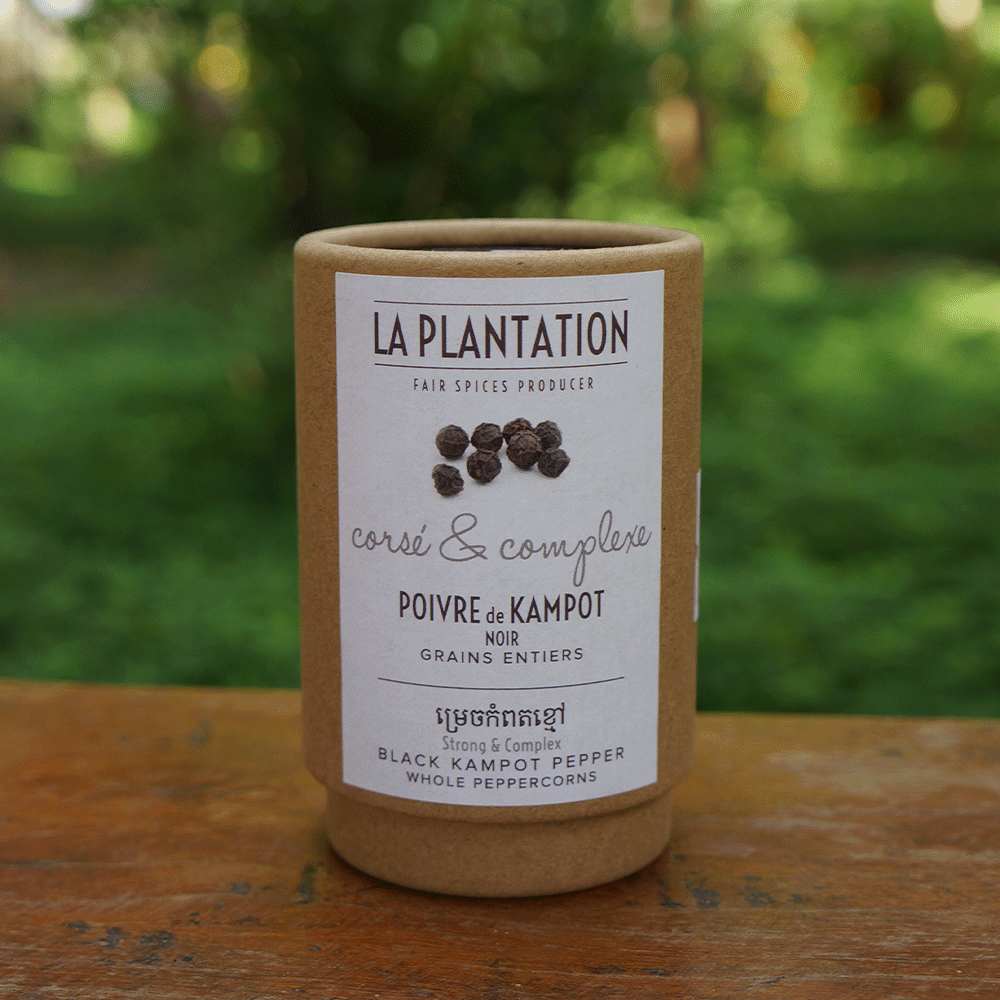
| Mondolkiri | Cambodia | Red lateritic soil, 600-800m altitude | Intense, woody, wild notes | None |
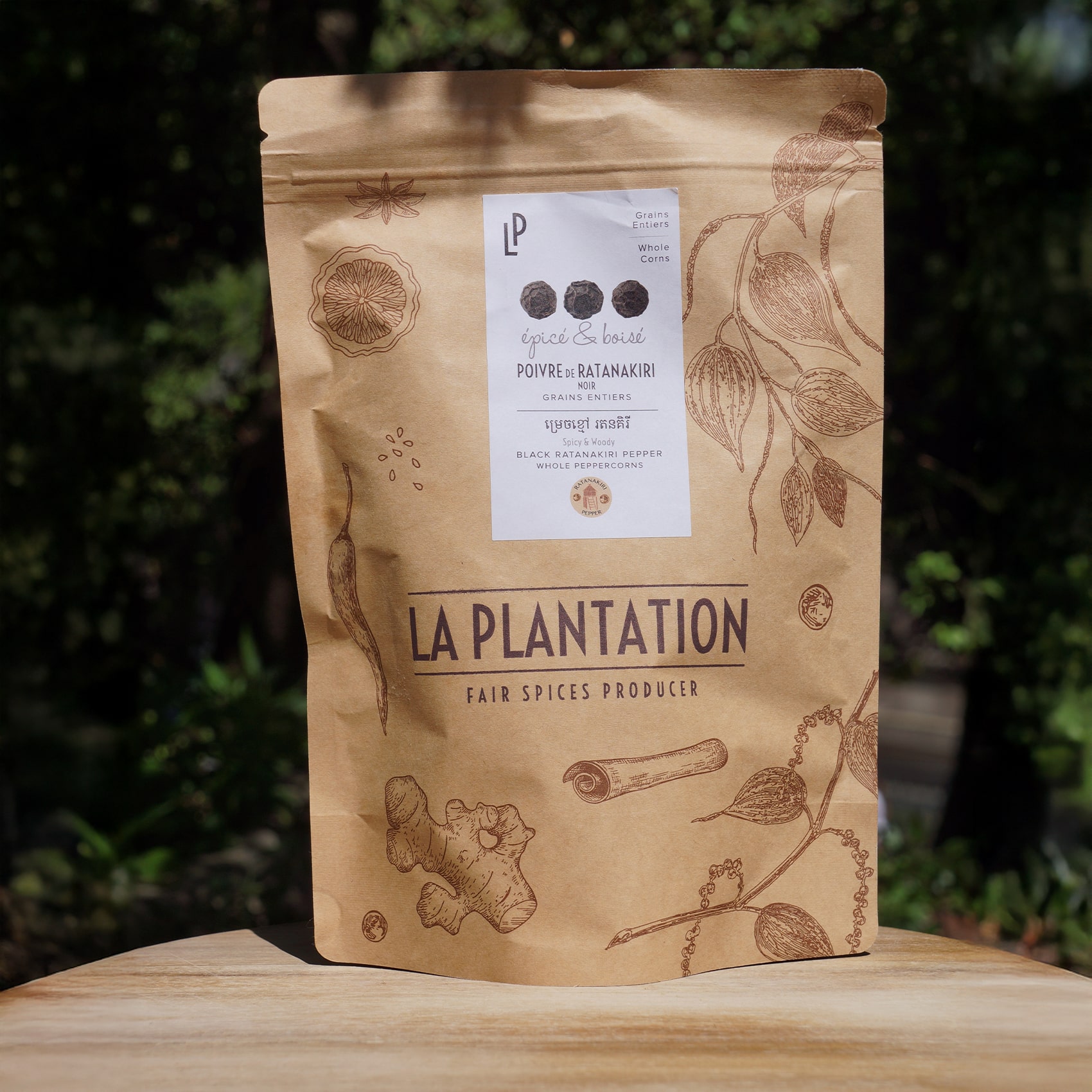
| Ratanakiri | Cambodia | Fertile red soil | Woody, fruity | None |
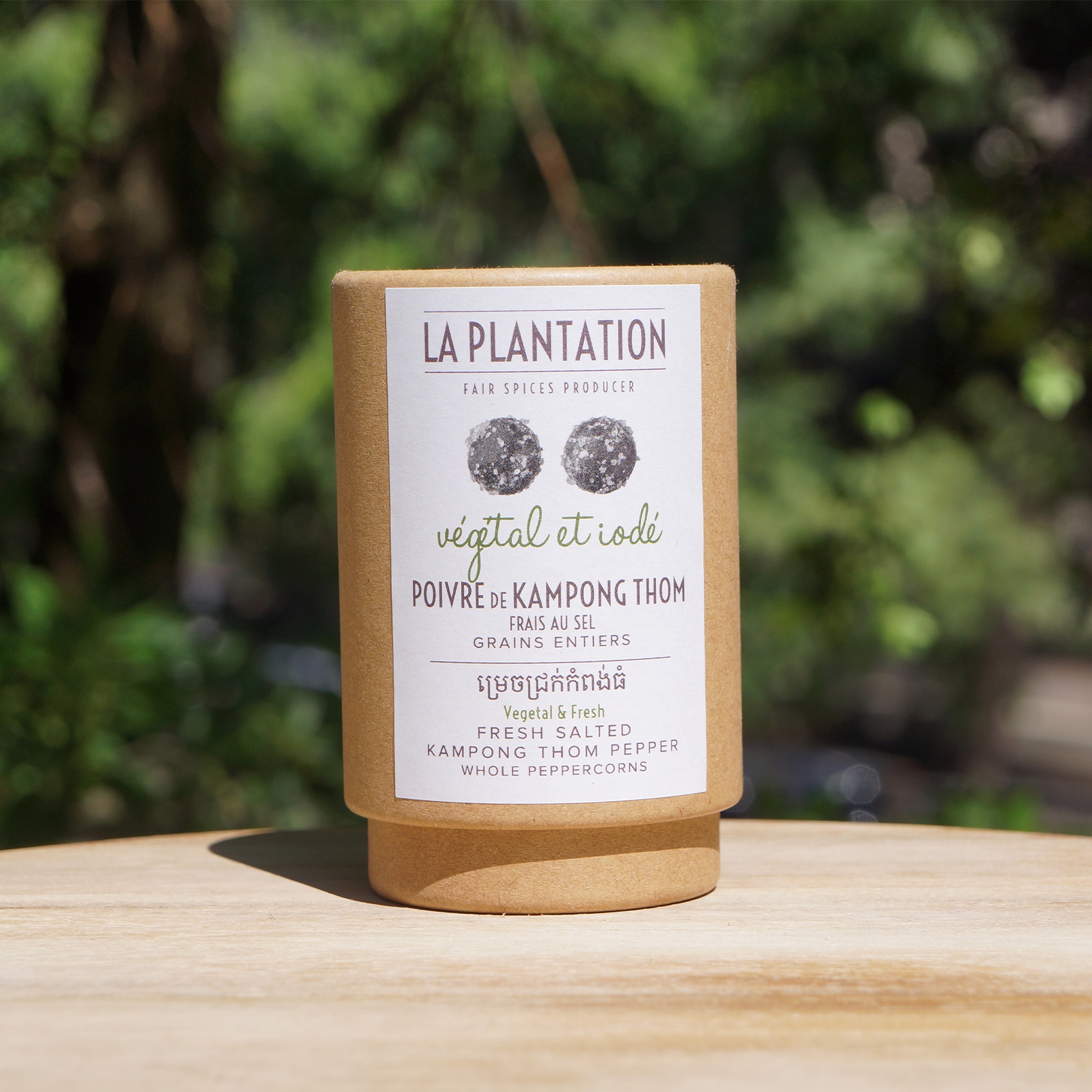
| Kampong Thom | Cambodia | Irrigated agricultural landscape | Elegant, balsamic | None |
| Malabar | India | Malabar coast, rich soil | Warm, resinous, direct heat | MG1 |
| Tellicherry | India | Malabar variant, larger grain | Softer, fruitier | TGSEB |
| Penja | Cameroon | Volcanic soil | Very aromatic, lightly smoky | PGI |
| Sarawak | Malaysia | Borneo, tropical humidity | Soft, fruity, lightly acidic | None |
| Lampung | Indonesia | Java, intensive production | Robust, direct heat, low complexity | None |
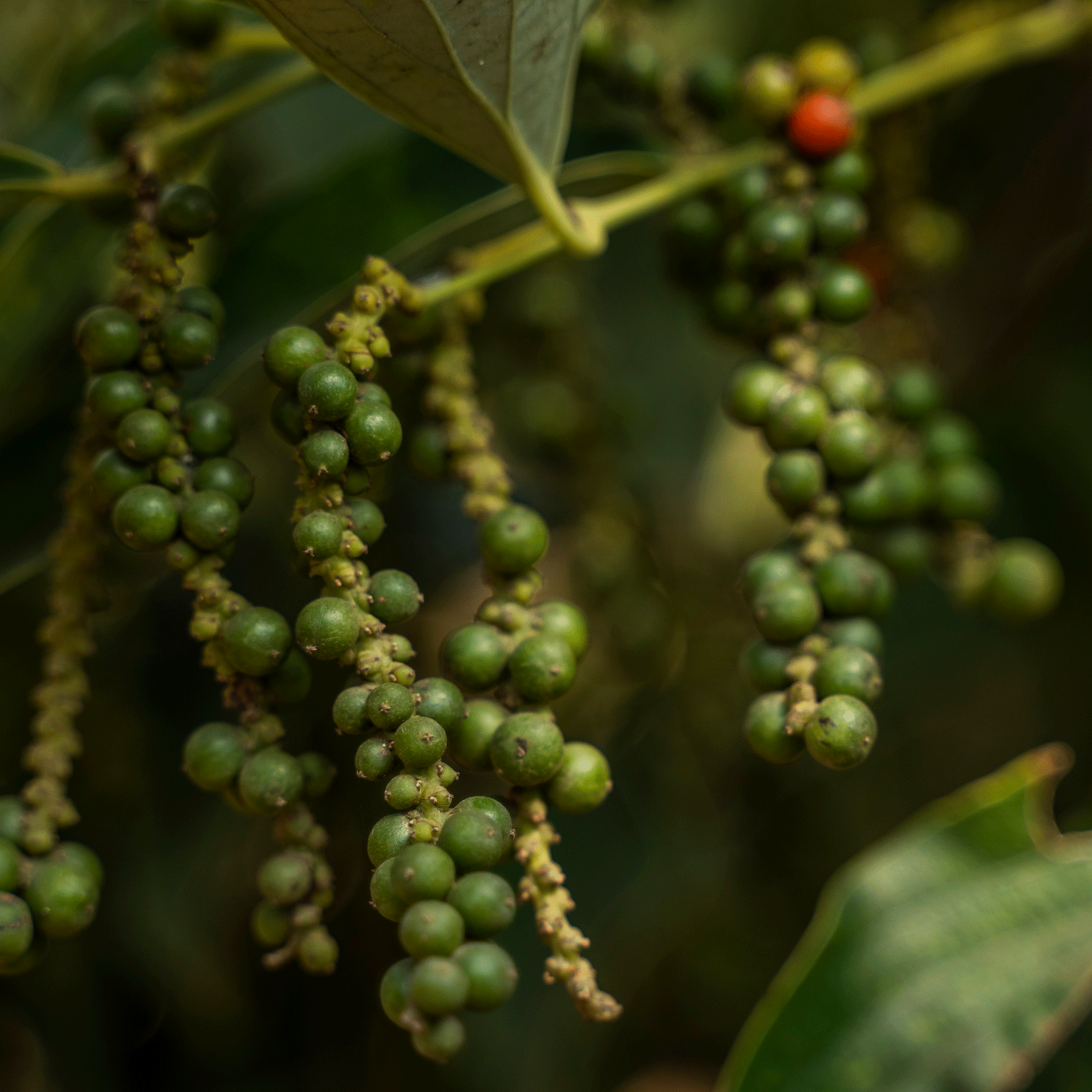
| Important to know: black, white, red, and green do not refer to different botanical varieties, they refer to grains harvested at different stages of maturity and processed in distinct ways. |
This logic applies primarily to Piper nigrum, but is not exclusive to it: other species of the genus Piper, such as Piper longum or Piper borbonense, also exist in several colours, with variations related to harvest timing and post-harvest treatment.
| Colour | Harvest stage | Colour on the vine | Processing | Aromatic profile | Ideal use |
| Green | Before maturity | Light green | Quick-drying or freeze-drying | Fresh, herbaceous, lightly spicy | Fish, cream sauces |
| Black | Standard maturity | Green | Blanching + sun-drying | Intense, woody, fruity, pungent | Red meat, sauces, marinades |
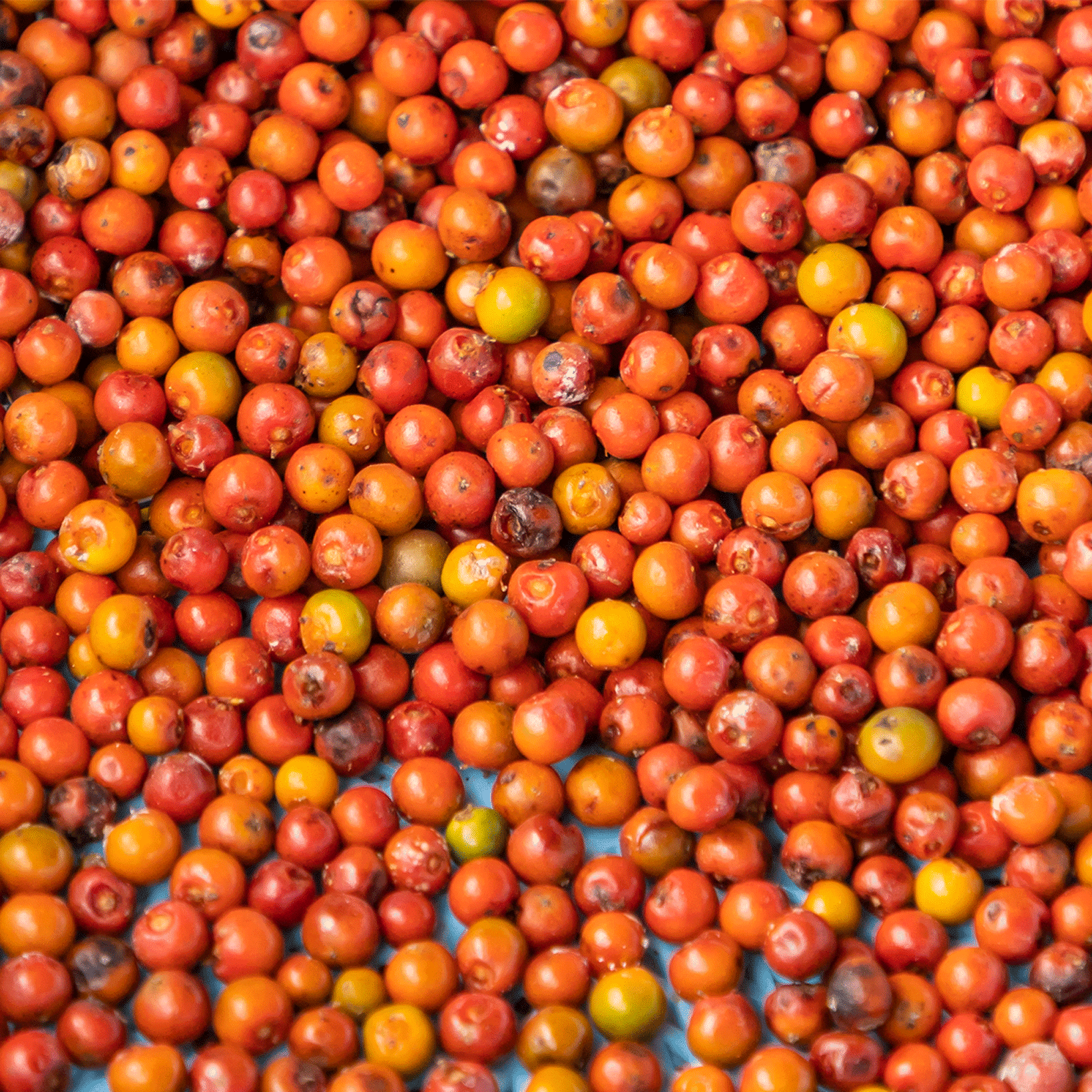
| Red | Full maturity | Red | Shade-drying | Soft, fruity, complex, long warmth | Desserts, cheeses, sweet-savoury |
| White | Advanced maturity | Deep red | Depulping + drying | Soft, fermented, less pungent | Fish, white sauces, delicate dishes |
Grey pepper does not exist as a distinct botanical variety. It is most commonly finely ground black pepper, its greyish colour comes from grinding the whole grain. Like any ground spice, it loses its aromas faster than whole peppercorns.
How to recognise a good pepper?
A pepper sold already ground is a pepper whose aromatic profile has already partially degraded. The peppercorn contains volatile essential oils that evaporate as soon as the grain is broken. Ground pepper loses between 60 and 80% of its aromas within a few hours of grinding. Our recommendation as pepper producers: buy whole grain, grind at the moment of use. For everything you need to know about pepper mills, our complete guide covers all the criteria.
A quality pepper clearly states its precise origin: country, region, ideally the producer and at best, full traceability down to the plot. A bag labelled simply “black pepper” with no origin mention is generally a blend of various productions, often from large distribution circuits, with no real guarantee of a consistent aromatic profile. We recommend prioritising peppers from identified terroirs, with a named producer or direct importer.
A quality pepper is often recognisable by its whole, even, and well-sorted grains. A high proportion of dust or fragments may indicate a more fragile, older, or already over-handled pepper. Colour should be homogeneous: a black pepper with noticeably pale grains suggests a mix of different quality levels.
A quality pepper already releases perceptible aromas in grain form, before any grinding. Open the bag and smell directly: you should detect woody, fruity, or floral notes depending on the variety. A peppercorn with no smell is a depleted or over-aged pepper. It is the simplest and most reliable test to assess quality on first contact.
Which pepper to choose for each culinary use?
Red meats and game call for intense peppers that hold up through cooking. Ratanakiri pepper (plain or smoked) offers an intensity and aromatic structure that works well with meat-based recipes. Long pepper brings woody, lightly sweet notes that caramelise on a grilled crust, ideal with poultry and duck.
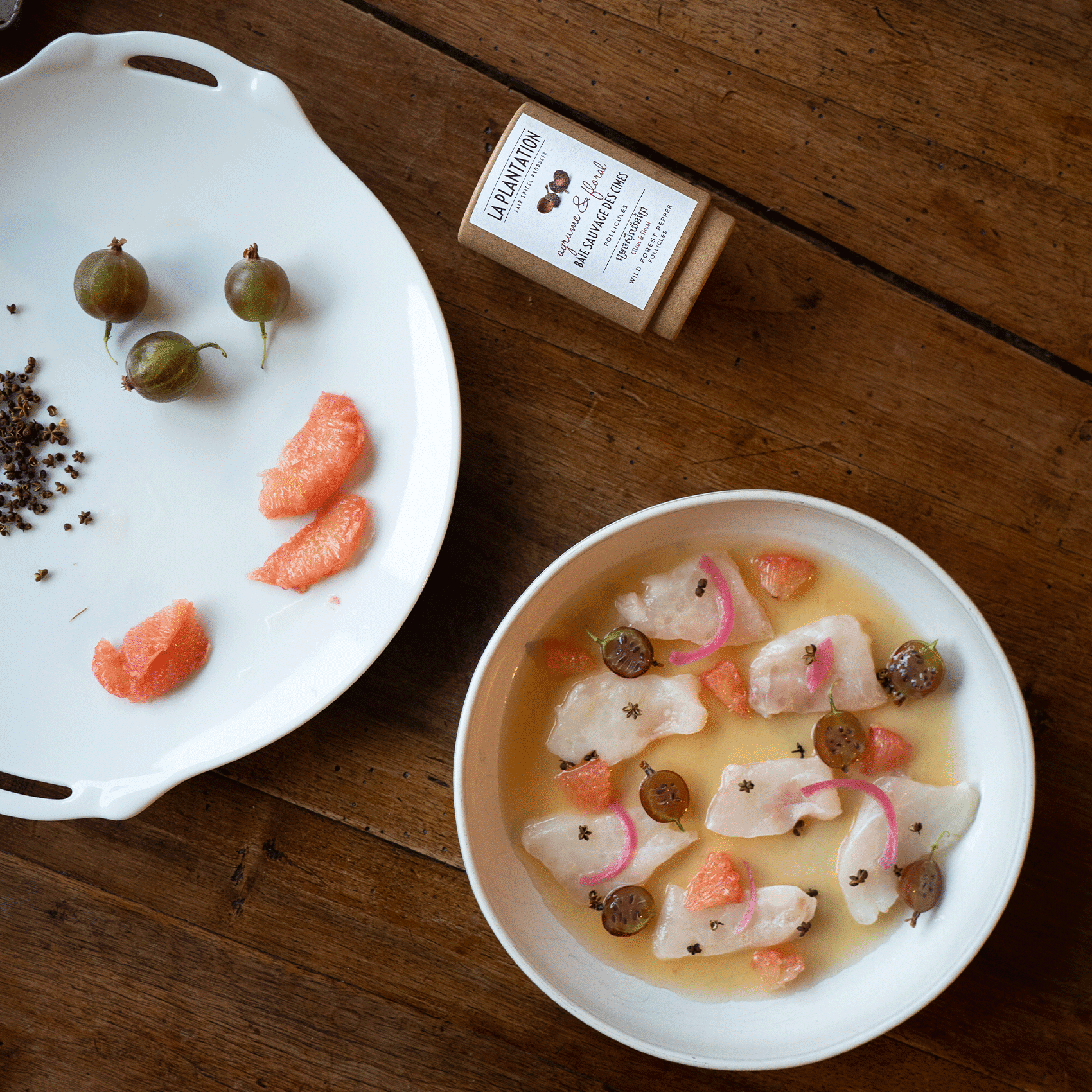
Fish and seafood demand discreet peppers that respect the delicacy of the flesh. White pepper blends into sauces without dominating them. Dehydrated green pepper (herbaceous and light) forms a classic pairing with salmon and shellfish.
A fresh and vegetal pepper such as salt-brined fermented Kampong Thom pepper is ideal on a goat’s cheese or a burrata. Ma Khen berries (from the Zanthoxylum botanical family), with their electric tingling and citrus notes, create an unexpected and memorable pairing on strong-flavoured cheeses.
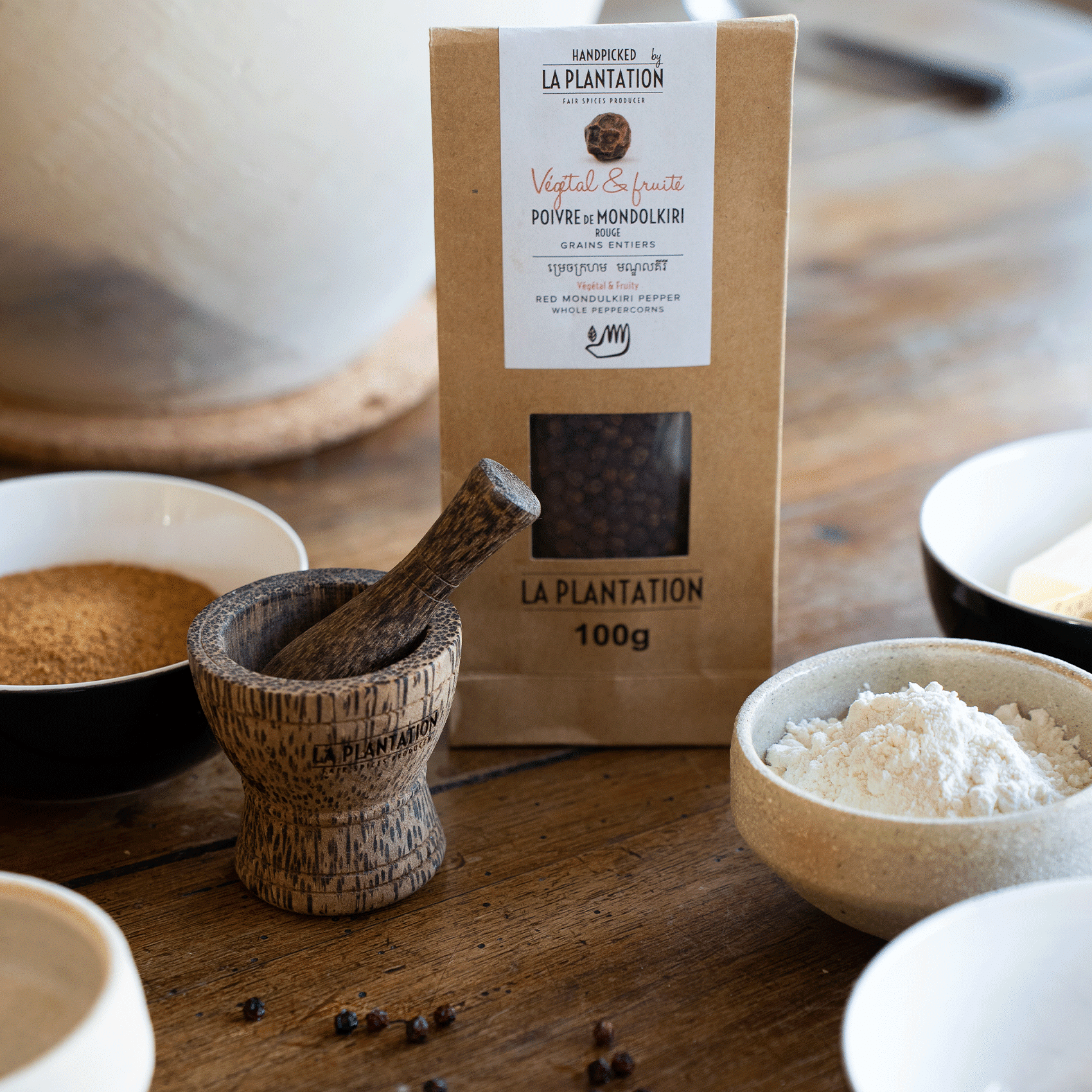
For desserts, choose a soft and aromatic pepper rather than a pungent one. Red Mondolkiri pepper is the most accessible: fruity, with a long warmth, it integrates beautifully on dark chocolate, strawberries, or a caramel or in a chocolate fondant for an interesting aromatic dimension. Red long pepper, with its notes of nutmeg and vanilla, fits naturally into sweet preparations.
Frequently asked questions about choosing pepper
A PGI stands foProtected Geographical Indication, guarantees the geographical origin, production methods, and traceability of a product. For pepper, it imposes a delimited growing zone, manual harvesting, and regular audits. Two peppers hold a PGI recognised in Europe: Kampot Pepper and Penja Pepper. This label protects the consumer against imitations and guarantees a consistent aromatic profile from one harvest to the next.
Technically yes but it is not recommended for exceptional peppers. Each variety has a distinct aromatic profile. Mixing a fruity red pepper and an intense black pepper erases the nuances of both. Pepper blends suit general everyday use. To fully appreciate a terroir pepper, we recommend to choose a quality pepper mill.
Piper nigrum is the plant that produces true pepper like black, white, red, or green depending on the harvest stage. Zanthoxylum is the botanical genus of Sichuan pepper, a plant from the Rutaceae family with no botanical relationship to the pepper vine. Both produce a sensation of heat, but through different chemical mechanisms: piperine in the case of true pepper, sanshool in the case of Zanthoxylum.
Long pepper (Piper longum) is a distinct botanical species from black pepper (Piper nigrum). Its fruit is an elongated spike rather than a spherical grain. Its aromatic profile is softer and less pungent, with woody, nutmeg-like notes and a lightly sweet touch. Both belong to the genus Piper, but they are not used the same way in the kitchen.


Subscribe to our Newsletter now
Get a free product for your first order!
Donation