Kampot pepper: its health benefits and what makes it exceptional
Product
-
16.02.25
Suggestions
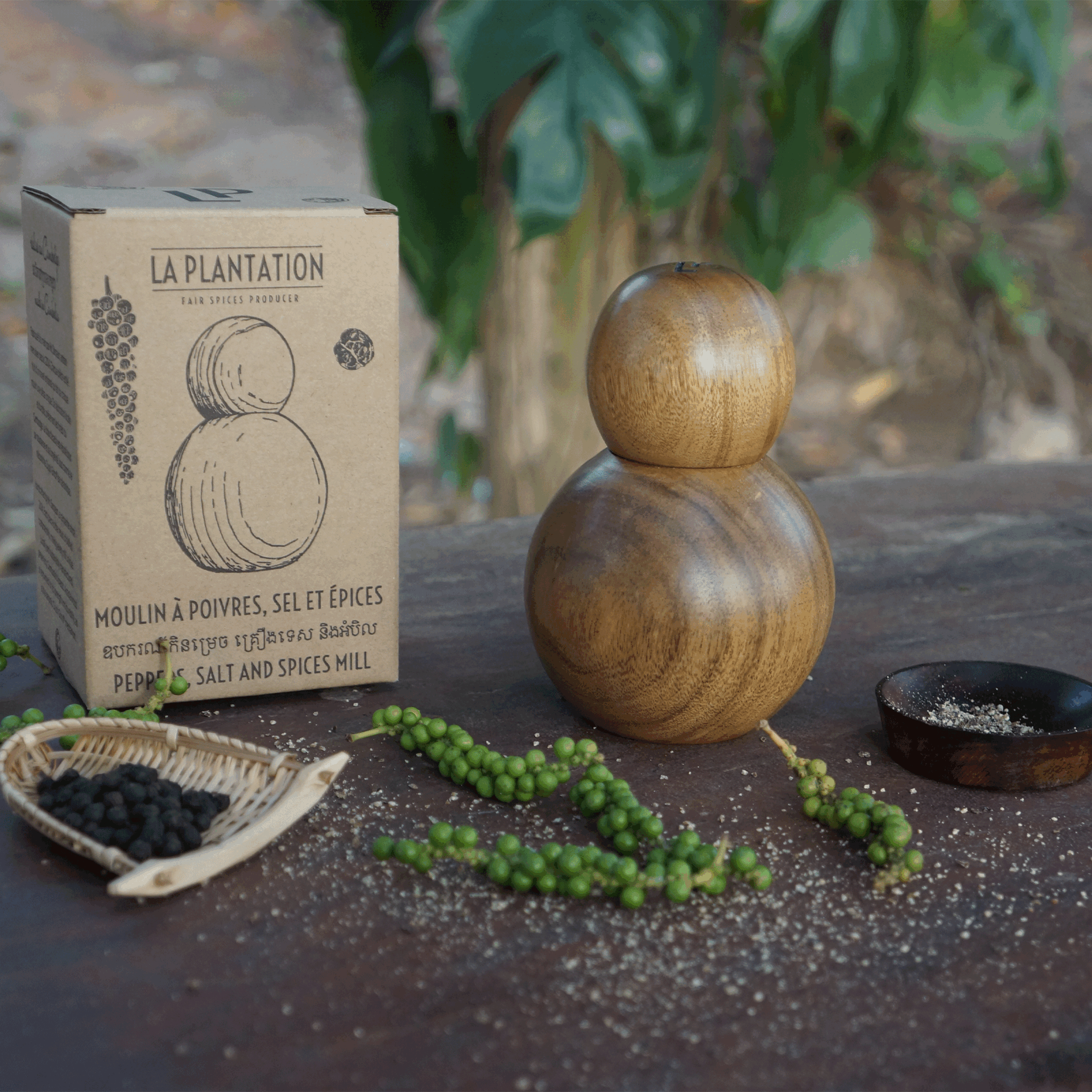
How to choose a pepper mill: the complete guide
Sommaire
Why grind your own pepper?
The peppercorn contains volatile essential oils that evaporate as soon as the grain is broken.
| Did you know? Pre-ground pepper loses between 60 and 80% of its aromas within a few hours. |
That figure alone explains why commercially sold ground pepper cannot rival freshly ground pepper, even an ordinary one.
Our advice as producer and rare peppercorns grow experts: buy whole peppercorns, grind at the moment of use, and never use pre-ground pepper from a jar. It is the simplest and most impactful change you can make to improve the quality of a dish.
The size of the particles changes the way aromas are released. A fine grind diffuses its aromas quickly, it blends into sauces, soups, and liquid preparations. A coarse grind releases its aromas more slowly, it brings texture on the palate and is perfect as a finishing touch on grilled meat or a salad.
The ability to adjust the grind is therefore a central criterion, not a technical detail. A mill without a grind setting imposes its result rather than adapting to the dish.
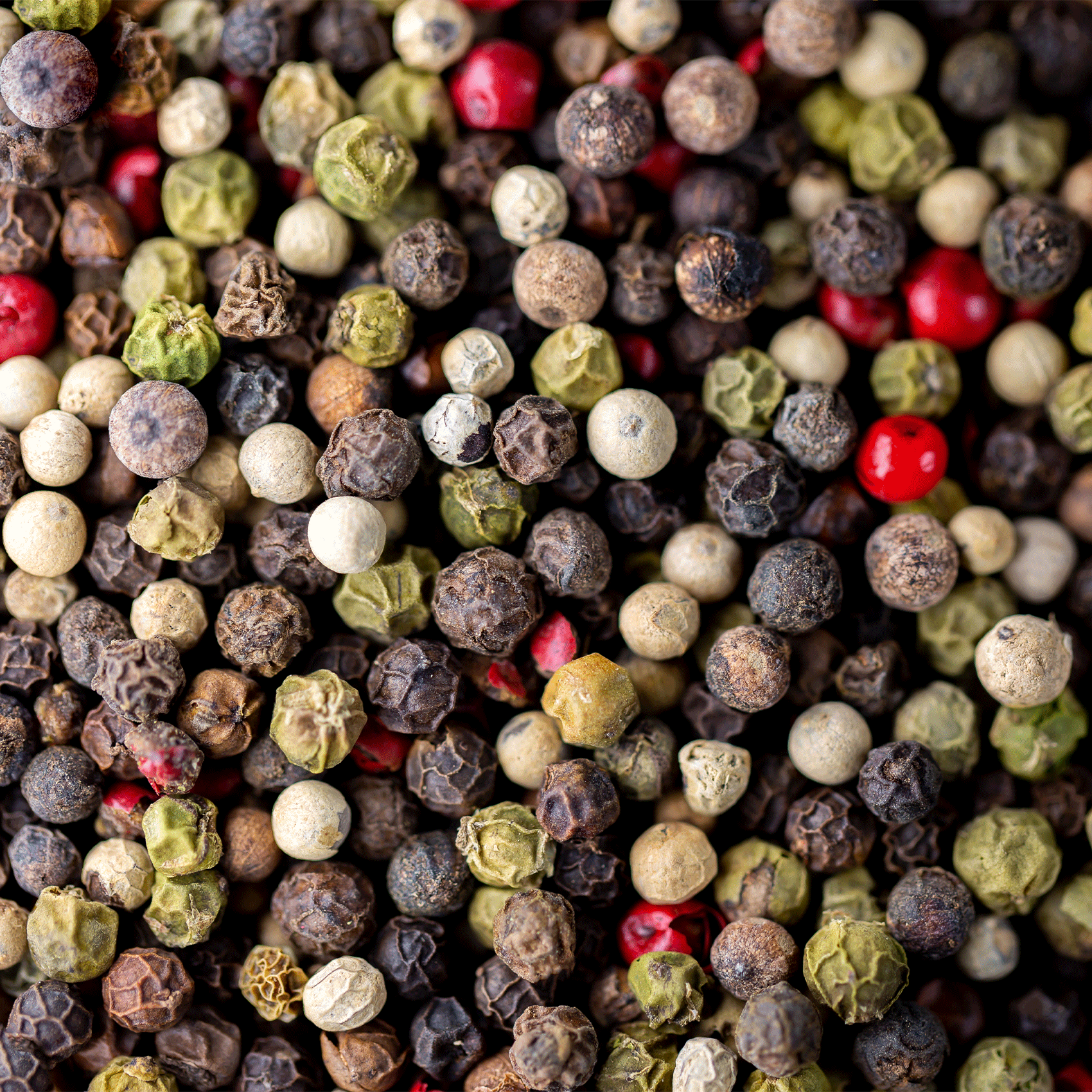
What types of mechanisms are there?
The stainless steel mechanism is the most widely found on the market. It is robust, durable, and effective for grinding dry pepper. Its entry price is accessible.
Its main limitation is important to understand: it is not suitable for salt. Salt’s natural moisture gradually oxidises the steel, clogging and damaging the mechanism over time. A steel-mechanism mill must be reserved exclusively for dry pepper. It is the ideal choice for a dedicated pepper mill used on a daily basis.
The ceramic mechanism is more refined and more versatile. It does not oxidise, is moisture-resistant, and is compatible with both pepper and salt in the same mill. Its cut is more precise: it slices the grains rather than crushing them, which produces a more homogeneous grind and better preserves the aromas.
Some manufacturers guarantee their ceramic mechanisms for up to 25 years. This is the option to choose for careful culinary use, for exceptional peppercorns, or for a versatile pepper-and-salt mill.
| Criterion | Steel mechanism | Ceramic mechanism |
| Price | Affordable | Higher |
| Compatible with salt | No | Yes |
| Durability | Good | Excellent (up to 25 years) |
| Grind quality | Good | Very precise |
| Maintenance | Standard | Easy, moisture-resistant |
| Ideal for | Pepper only | Pepper and salt, versatile use |
Manual or electric: which to choose?
A manual mill offers total control over the grind. It needs no batteries or charging, works in silence, and has a virtually unlimited lifespan with proper care. The gesture of grinding is part of the culinary ritual, at the table as much as in the kitchen, it keeps you directly connected to the seasoning.
A manual mill suits all uses, from everyday cooking to gastronomy. Its only limitation: it requires physical effort for large quantities, when preparing a marinade or a barbecue rub, for example.
An electric mill is fast and requires no effort. It suits intensive use in a professional kitchen or for people with reduced mobility. But it offers less precise grind control, its mechanism is often more fragile, and dependence on batteries or charging can be inconvenient.
If you go for an electric mill, two criteria are non-negotiable: check that the mechanism is ceramic and that the grind is adjustable. Without those two features, an electric mill does not justify its extra cost.
| Criterion | Manuel mill | Eletric mill |
| Grind control | Excellent | Variable |
| Effort required | Moderate | None |
| Lifespan | Very long | Depends on batteries or charge |
| Price | Affordable to premium | Variable |
| Use at the table | Ideal | Cumbersome |
| Large quantities | Tedious | Fast |
| Best for | Home cooks and gourmets | Intensive use or reduced mobility |
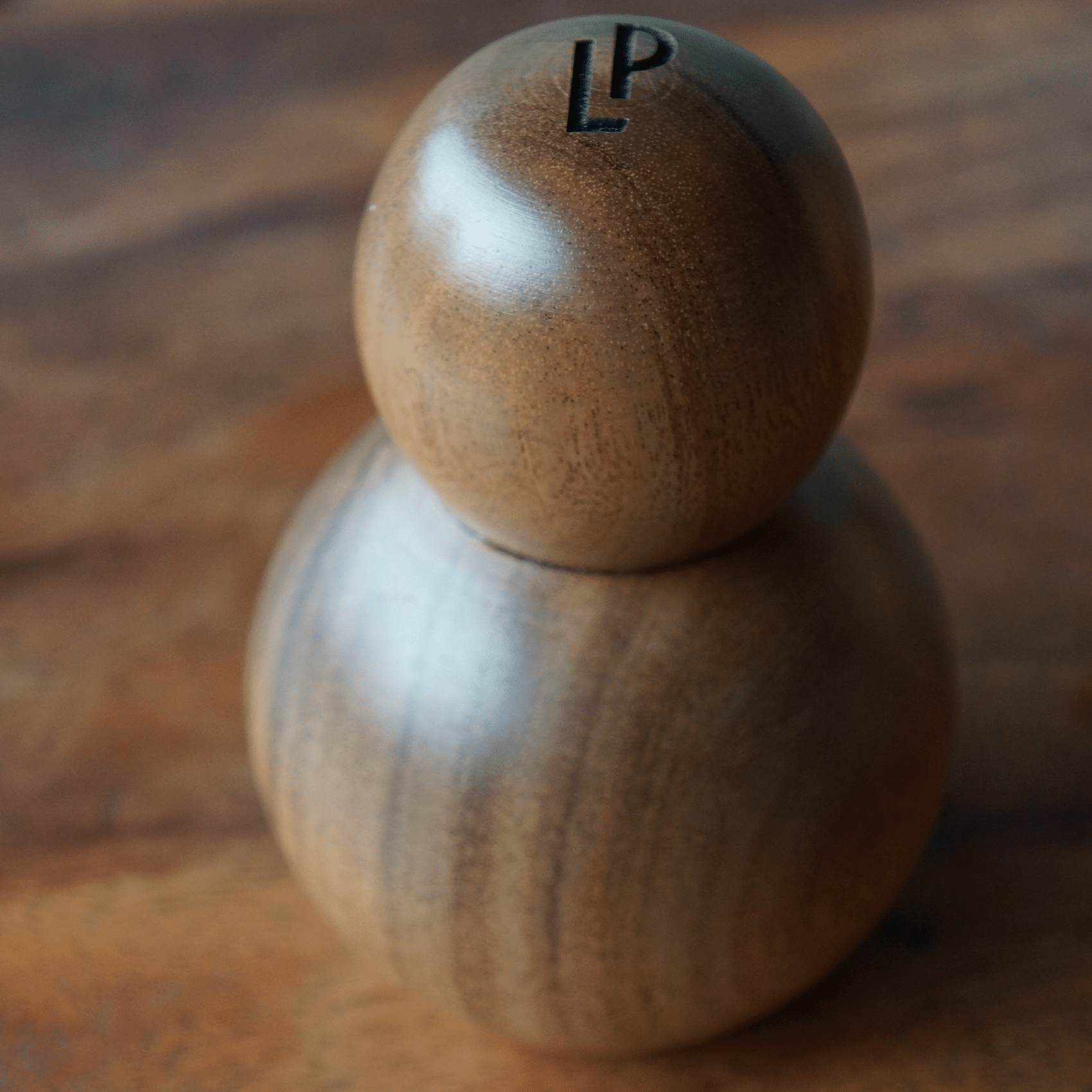
Material and design: wood, stainless steel, or acrylic?
Wood is the most widely used material for pepper mills. Beech, oak, acacia, olive: each variety has its own aesthetic qualities. Wood is warm to the touch and fits any kitchen style. It is worth looking for FSC-certified and surface-treated wood, untreated wood can absorb aromas over time. Maintenance is simple: never immerse in water; clean dry or with a very lightly damp cloth.
Stainless steel is easy to clean, resistant, and well suited to contemporary kitchens. It works well for professional use. One important point: a stainless steel exterior finish does not mean the internal mechanism is also stainless steel. Always check the mechanism composition separately.
Transparent acrylic has one concrete advantage: you can see the fill level without opening the mill. It is less visually striking than a wooden mill, but very practical day to day. It shows its full value when paired with a quality ceramic mechanism.
Can you use the same mill for pepper and salt?
The answer depends entirely on the mechanism. With a ceramic mechanism: yes, the mill can hold either pepper or salt interchangeably. With a steel mechanism: no, salt’s natural moisture oxidises the metal and gradually damages the mechanism until it seizes completely.
In practice, having two separate mills remains the ideal approach, even with a ceramic mechanism. Exceptional peppercorns transfer their aromas to the mill, and those aromas can interfere with salt if the two share the same tool. Two separate mills guarantee the aromatic purity of each spice.
Double mills with two compartments exist and are convenient, but their mechanism is often less effective than two independent mills of good quality.
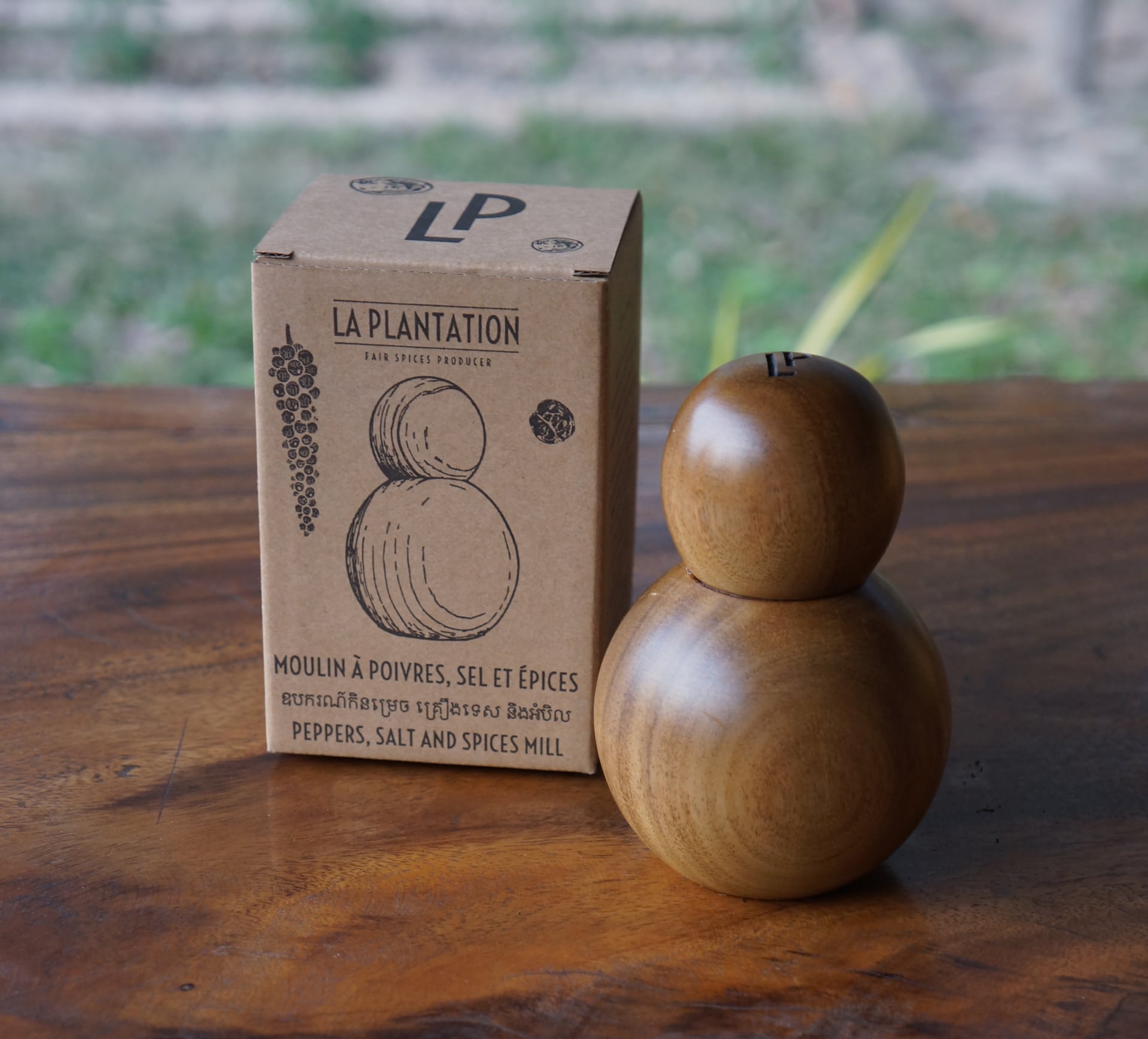
La Plantation’s pepper mill is fitted with a Danish ceramic mechanism guaranteed for 25 years, compatible with both pepper and salt. It is one of the very few options available directly from a pepper producer. A dedicated salt version is also in development, to make it easy to keep the two uses clearly separate.
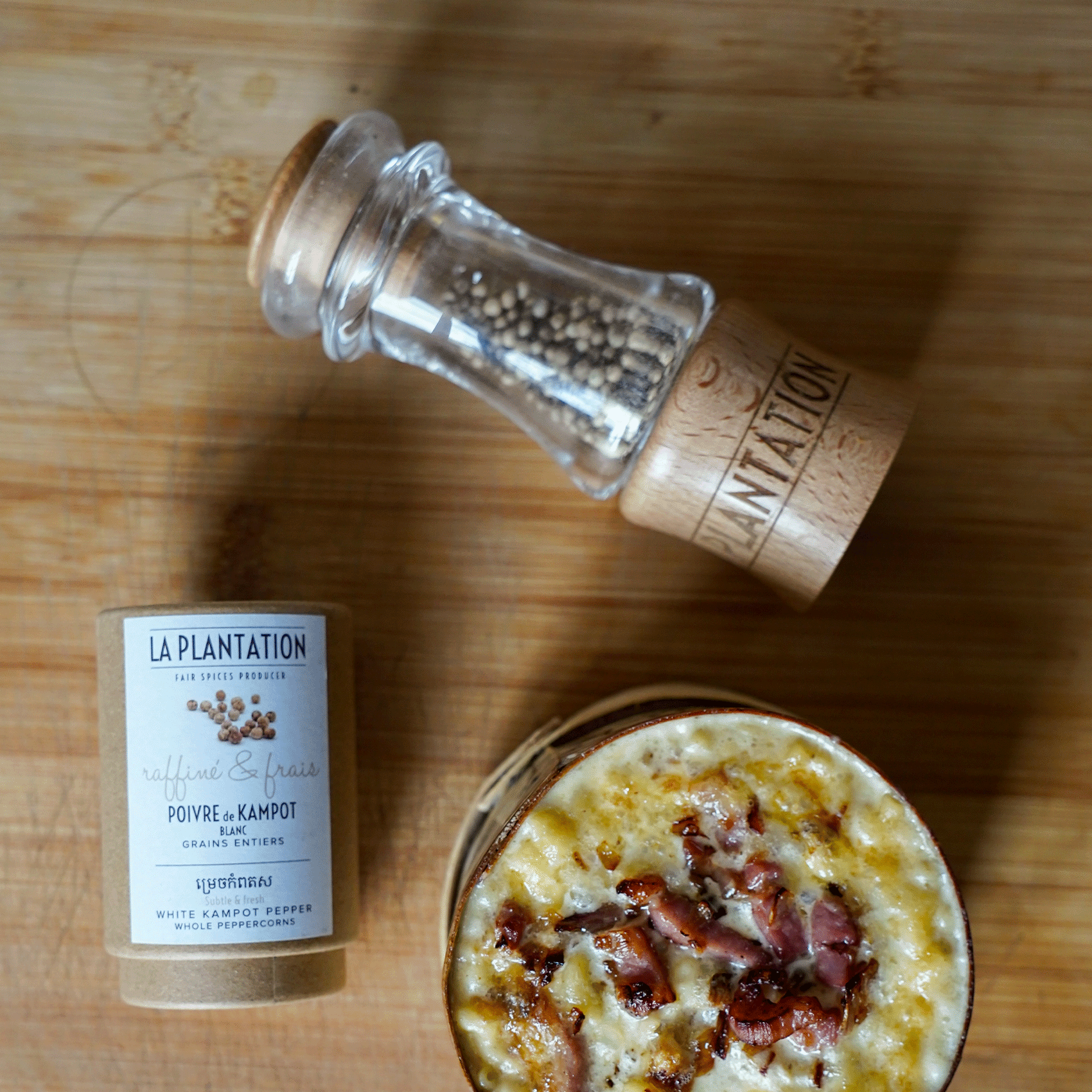
How to use your pepper mill correctly
Never fill a pepper mill to the brim. The grains need space to circulate towards the mechanism. The rule: fill to two-thirds maximum. Do not mix different varieties of pepper in the same mill, the aromatic profiles are distinct, and mixing diminishes each variety. For exceptional peppercorns such as Kampot black, white, or red pepper, it is recommended to dedicate one mill per colour.
The screw or knob at the top or bottom of the mill controls the gap between the two grinding elements. Tightened, it produces a fine grind suited to sauces, soups, and eggs. Loosened, it produces a coarse grind ideal for grilled meats, salads, and finishing at the table. To check the particle size before using it on a dish, grind onto a sheet of white paper, a quick and effective visual check.
Always at the end of cooking, or directly onto the plate. Prolonged heat destroys the volatile aromas of freshly ground pepper. The exception is long marinades, where pepper can be ground in advance and infused in a fat to gradually extract the essential oils.
How to clean and maintain your pepper mill
Never put a pepper mill under water or in the dishwasher. Water swells the wood and clogs the mechanism. Routine cleaning is done dry: blow into the opening or use a small brush to dislodge residues. Wipe the exterior with a very lightly damp cloth and dry it immediately.
Once or twice a year, empty the mill completely and grind a few grains of dry rice through it. The rice absorbs aromatic residues and cleans the grooves of the mechanism without damaging the surfaces. For dismountable ceramic mechanisms, a rinse under lukewarm water is possible on the ceramic part only, provided it is dried completely before reassembly.
Store the mill away from moisture and direct heat. If the mill is unused for more than a month, empty it of its peppercorns, they can clump with moisture and jam the mechanism. A quality mill fitted with a ceramic mechanism lasts for several decades with minimal care.
FAQ
For table use and a careful culinary experience, a manual mill is far preferable. It offers total grind control, a virtually unlimited lifespan, and works in silence. An electric mill is relevant only for high volumes or specific practical reasons, professional kitchens or reduced mobility.
Yes, provided the grains are dry. Very hard peppers such as long pepper may require a robust mechanism. Pepper blends are not recommended in a quality mill, each variety deserves its own mill to fully express its aromatic profile.
A robust ceramic-mechanism mill can accommodate other dry spices such as cardamom seeds or dried chilli. The mill must be cleaned thoroughly between each spice to avoid aroma transfer. For regular use with several different spices, plan a dedicated mill for each use.
Three signs to look for. The grind becomes irregular. The mill “slips” without grinding effectively. Flakes of metal or ceramic appear in the grind. In these cases, the mechanism can often be replaced on its own without changing the whole mill, an accessible and cost-effective repair.


Subscribe to our Newsletter now
Get a free product for your first order!
Donation