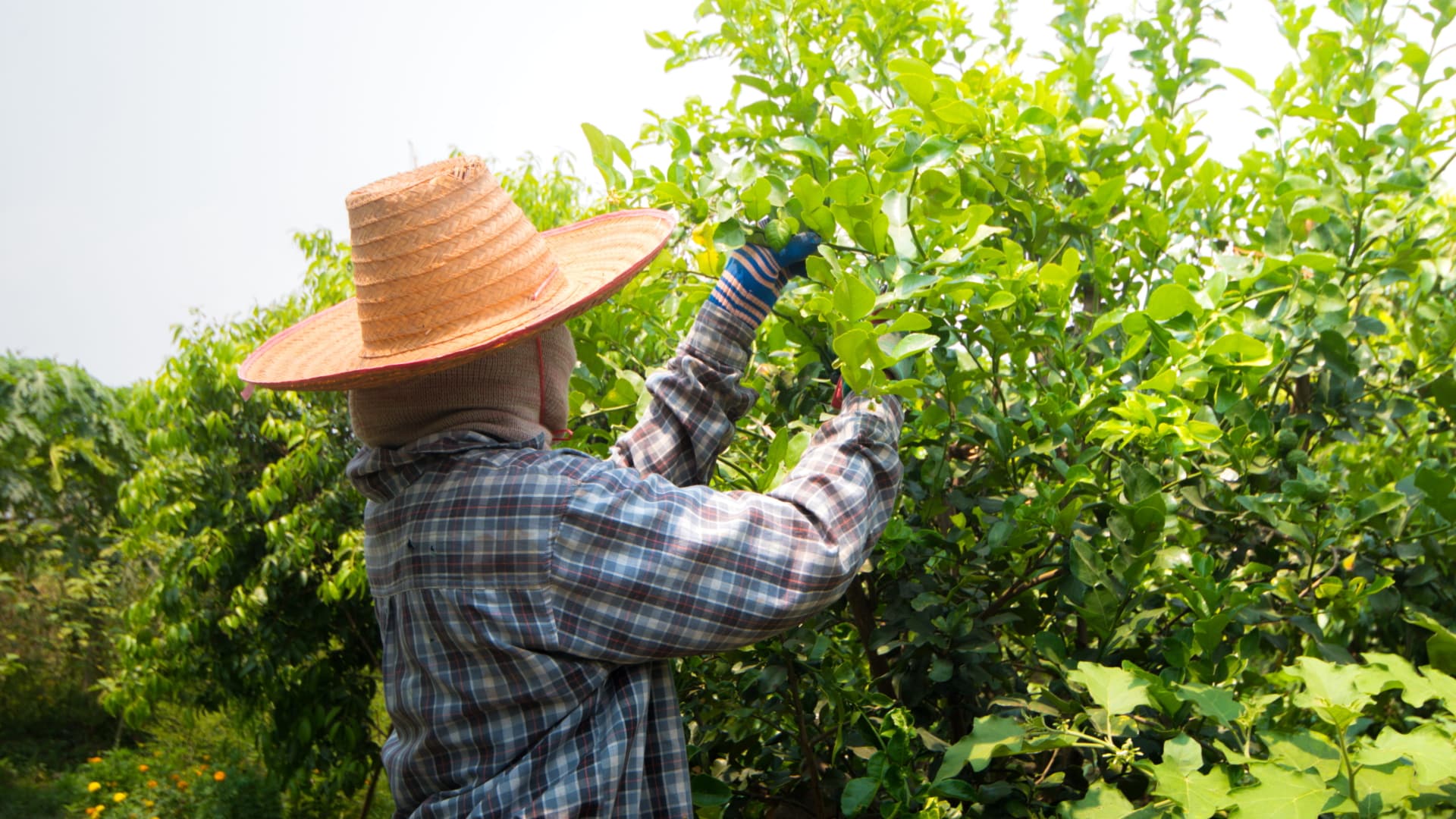
Our Organic Commitment: Farming Differently, Growing Together
Ecocert-certified organic spices since 2016, over 60 certified organic hectares, and a lasting commitment to Cambodian farmers.
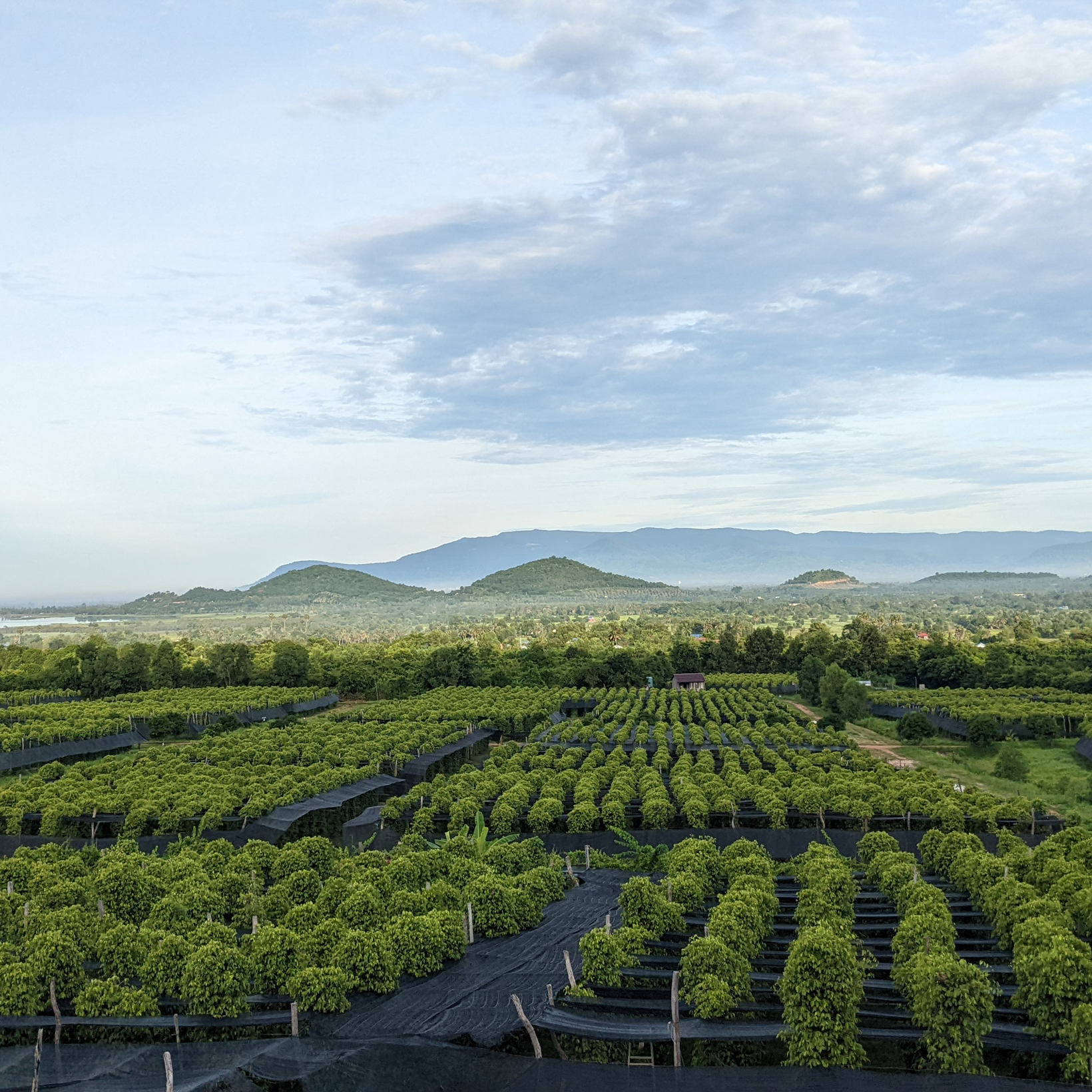
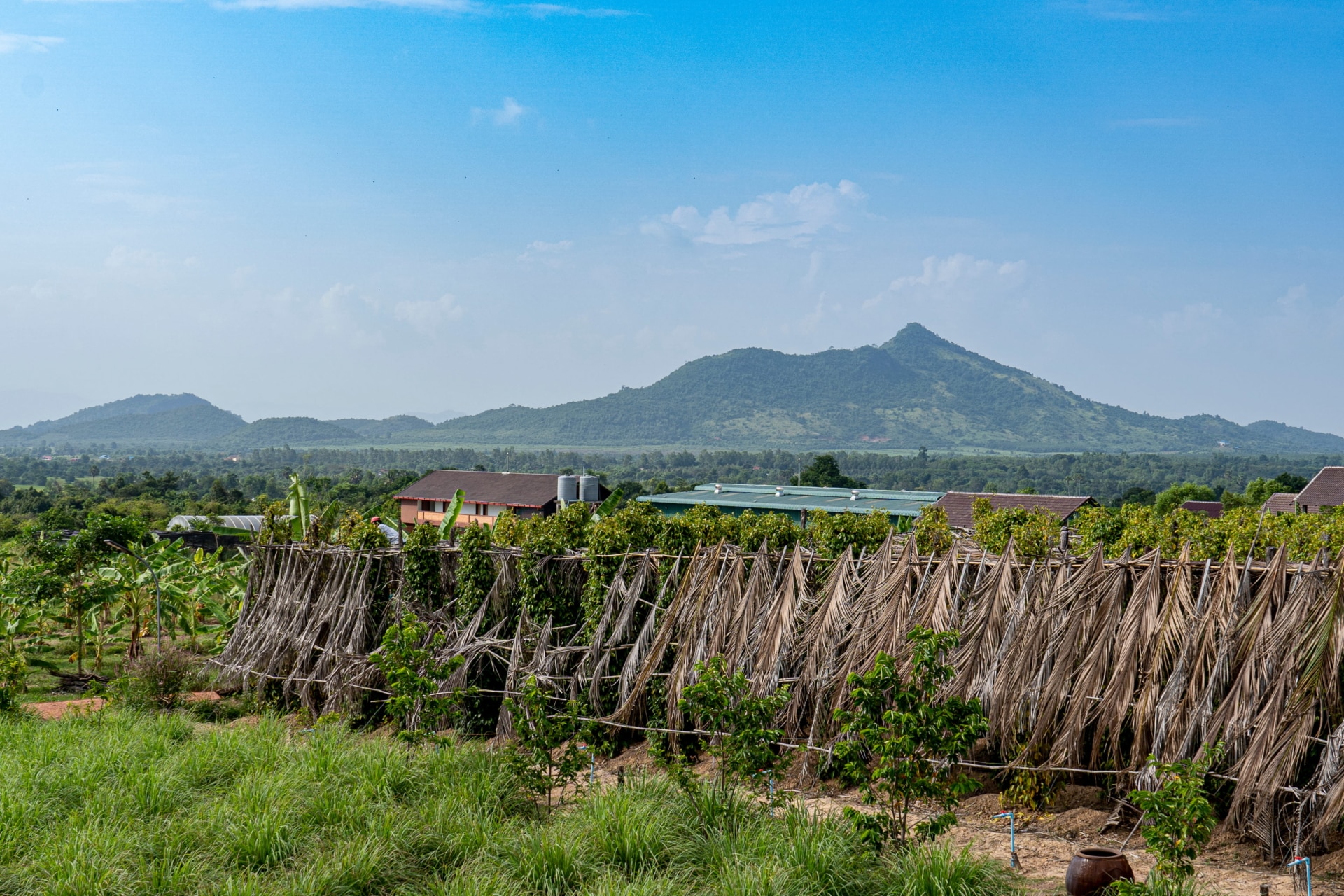
La Plantation is a producer of organic peppers and spices based in Kampot, Cambodia. Since 2016, our farm has been certified by Ecocert, an independent inspection and certification body, under European regulation (EU) 2018/848 and the American USDA Organic standard (NOP).
Our network now represents more than 60 certified organic hectares, bringing together our own farm, a group of 20 farmers operating under our certification, and two independent partner producer groups.
At La Plantation, we believe that the quality of a spice begins with respect for the land and for the people who cultivate it.
Ecocert Certification to International Standards Since 2016
An organic certification issued in Cambodia under European regulation meets exactly the same production requirements as a certification issued in France or anywhere else in the European Union.
The location of our farm does not change the requirements of the European standard: cultivation methods, permitted inputs, soil management, harvest traceability, and certified activities are all subject to precise rules and independent audits.
Our organic products destined for the European Union must also meet the import control and traceability requirements that apply to goods entering Europe.
This dual certification reflects our commitment to offering organic spices whose origin and production methods are rigorously verified.
Over 60 Certified Organic Hectares in Cambodia
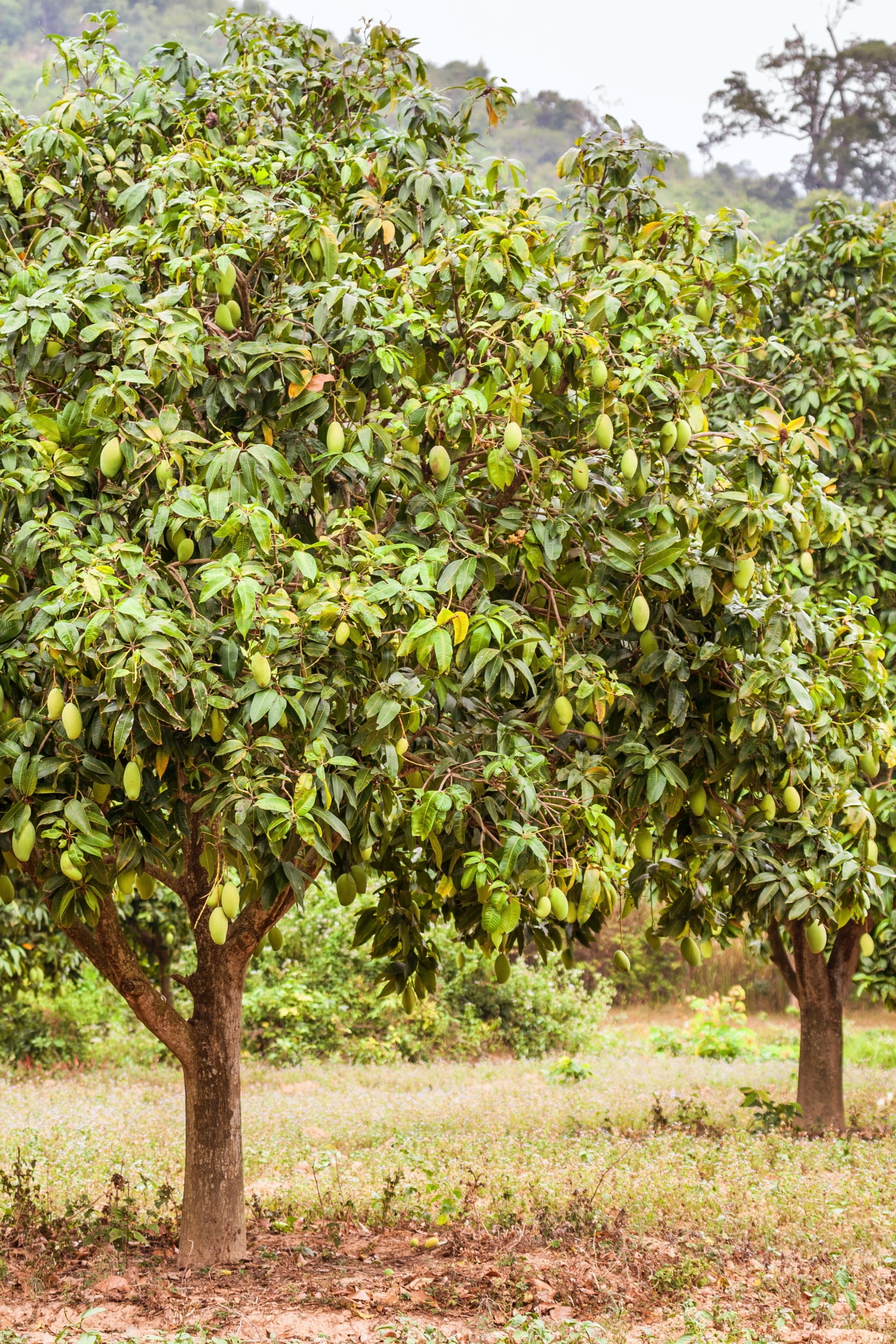
Our organic commitment extends from our farm in Kampot to several partner farming communities across Cambodia.
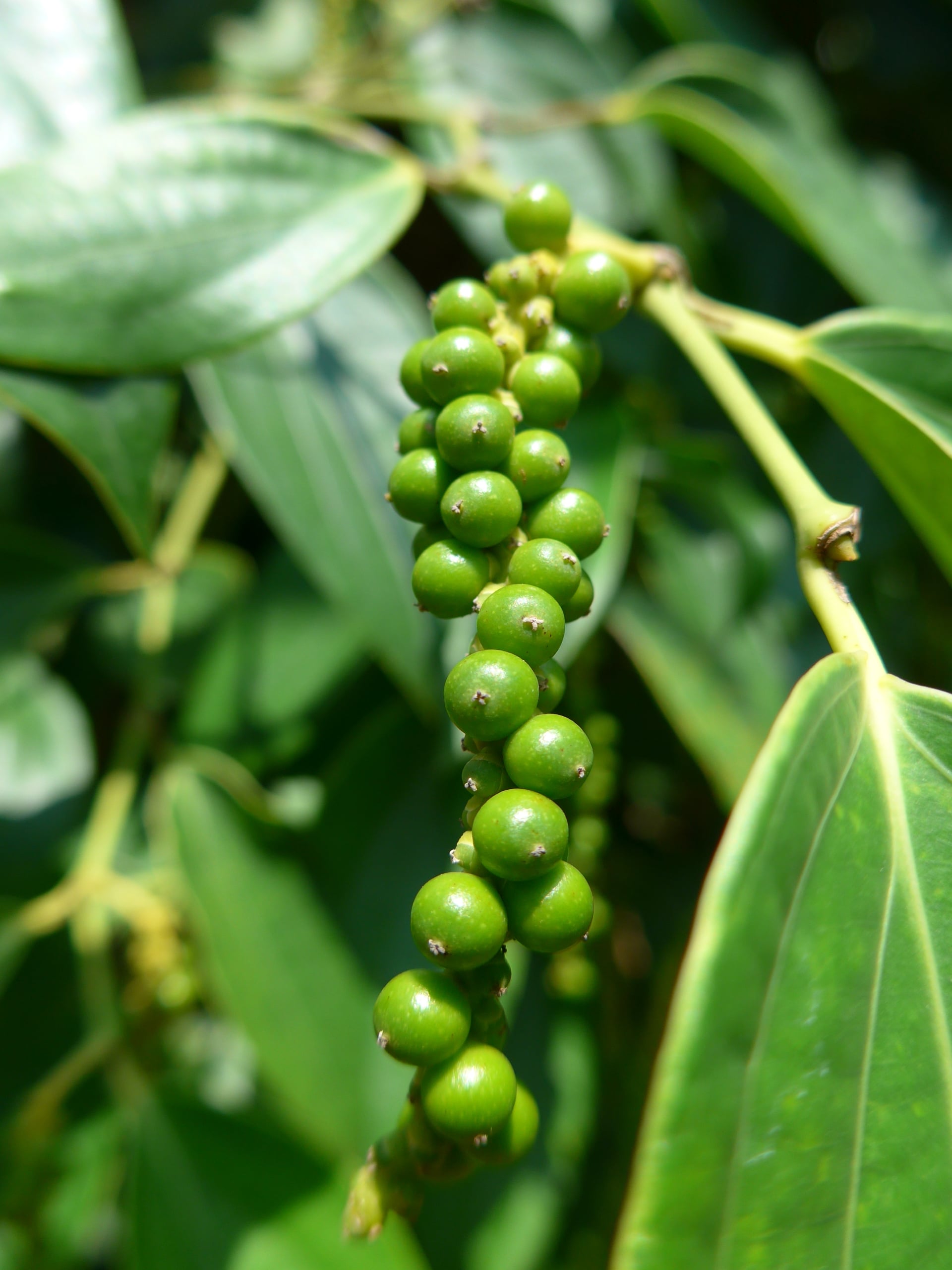
Across our 40 fully certified organic hectares, we grow more than 15 plants: spices, aromatic roots, and tropical plants. All products are processed on the farm on the day of harvest, to preserve their freshness and aromatic richness.
Our own production is complemented by a group of 20 certified farmers operating under our internal control system, as well as two independent groups of organic producers located in other provinces of Cambodia.
Our Organic Network in Numbers
| Indicator | Key figures |
|---|---|
| Ecocert organic certification | Since 2016 |
| Organic standards | EU and USDA Organic (NOP) |
| Our certified organic farm in Kampot | 40 ha |
| Plants grown organically on our farm | More than 15 |
| Our certified group | 20 farmers – 6 ha |
| Independent organic partner groups | 2 groups |
| Partner family farms | Around 20 |
| Partner organic land area | Around 15 ha |
| Total certified organic network | More than 60 ha |
Source: La Plantation data, updated October 2026.
How Do We Support Cambodian Organic Farmers?
La Plantation supports 20 farmers within its organic group by financing their certification, providing training, and guaranteeing the purchase of their entire production at a price above market rate, as part of a fair and responsible trading relationship.
For small family farms, accessing organic certification represents an opportunity — but also a real technical and financial challenge.
To make this process accessible, we have developed a concrete support programme built on five commitments:
- Train farmers in organic cultivation methods.
- Support their agricultural practices through regular technical assistance.
- Monitor farms through our internal control system.
- Finance their organic certification in full.
- Guarantee the purchase of all their relevant production at a price above the market rate.
By securing commercial outlets and giving financial recognition to their harvests, we help farming families build better economic prospects.
Beyond this group, we also work directly with two independent organic producer groups. These partnerships allow us to showcase the diversity of Cambodian terroirs, preserve agricultural expertise, and develop a traceable organic spice supply chain.
Our ambition: to grow organic farming by growing the communities that practise it.
Organic Farming in Cambodia: a Commitment That Matters
In Cambodia, certified organic farming still represents a small share of agricultural activity.
According to statistics published by FiBL and IFOAM – Organics International in 2026, 23,444 hectares were dedicated to organic farming in 2024 — around 0.4% of the country’s agricultural land.
These figures illustrate the challenges facing small producers: access to training, funding for certifications, and finding commercial markets for their products.
La Plantation contributes, at its own scale, to the development of a structured and sustainable organic agriculture sector in Cambodia.
Source: FiBL & IFOAM – Organics International, The World of Organic Agriculture 2026, national data 2024.
Organic and Fair Trade: Two Complementary Commitments
Organic farming and fair trade are the two pillars of our approach. Since 2019, La Plantation has been a certified member of the World Fair Trade Organization (WFTO).
- Organic farming governs our cultivation and production practices.
- Fair trade protects working conditions, fair pay for producers, and responsible trading relationships.
At La Plantation, these two commitments come together naturally: preserving natural resources, building the skills of farming communities, and contributing to better living conditions for the rural families we work with.
They form part of our broader project — one that links agricultural production, local job creation, and support for the education of children in the surrounding villages through the Les Écoles de La Plantation association.
Taking care of the land and the people who cultivate it: that is our vision of sustainable agriculture.
Organic Spices, from Our Farms to Your Kitchen
Choosing an organic spice from La Plantation means supporting a farming model based on quality, traceability, the diversity of terroirs and sustainable partnerships with Cambodian producers.
It also means rediscovering the joy of cooking with spices that have been carefully grown and processed to preserve their full aromatic richness.
Frequently Asked Questions about Our Organic Commitment
Yes. A certification issued in compliance with European regulation (EU) 2018/848 imposes the same organic production requirements on farms certified in Cambodia as on those located within the European Union. La Plantation’s organic products are audited by Ecocert under this standard, with additional control and traceability obligations when they are imported into Europe.
La Plantation has been certified organic since 2016 by Ecocert, an independent certification body. Our certification covers both the European (EU) and American USDA Organic (NOP) standards, for all relevant products and activities.
We support a group of 20 farmers by providing training, technical assistance, and regular audits. We fund their organic certification in full and commit to purchasing their entire relevant production at a price above the market rate.
Organic farming governs cultivation and production methods. Fair trade concerns trading relationships, working conditions, and fair pay for producers. La Plantation combines an Ecocert organic certification and a WFTO fair trade membership in order to develop an agriculture that respects both the environment and rural communities.
References
- European Regulation (EU) 2018/848 : https://eur-lex.europa.eu/eli/reg/2018/848/oj
- FiBL & IFOAM – The World of Organic Agriculture 2026 : https://www.fibl.org/fileadmin/documents/shop/1861-organic-world-2026.pdf
- Current Ecocert certificate of La Plantation