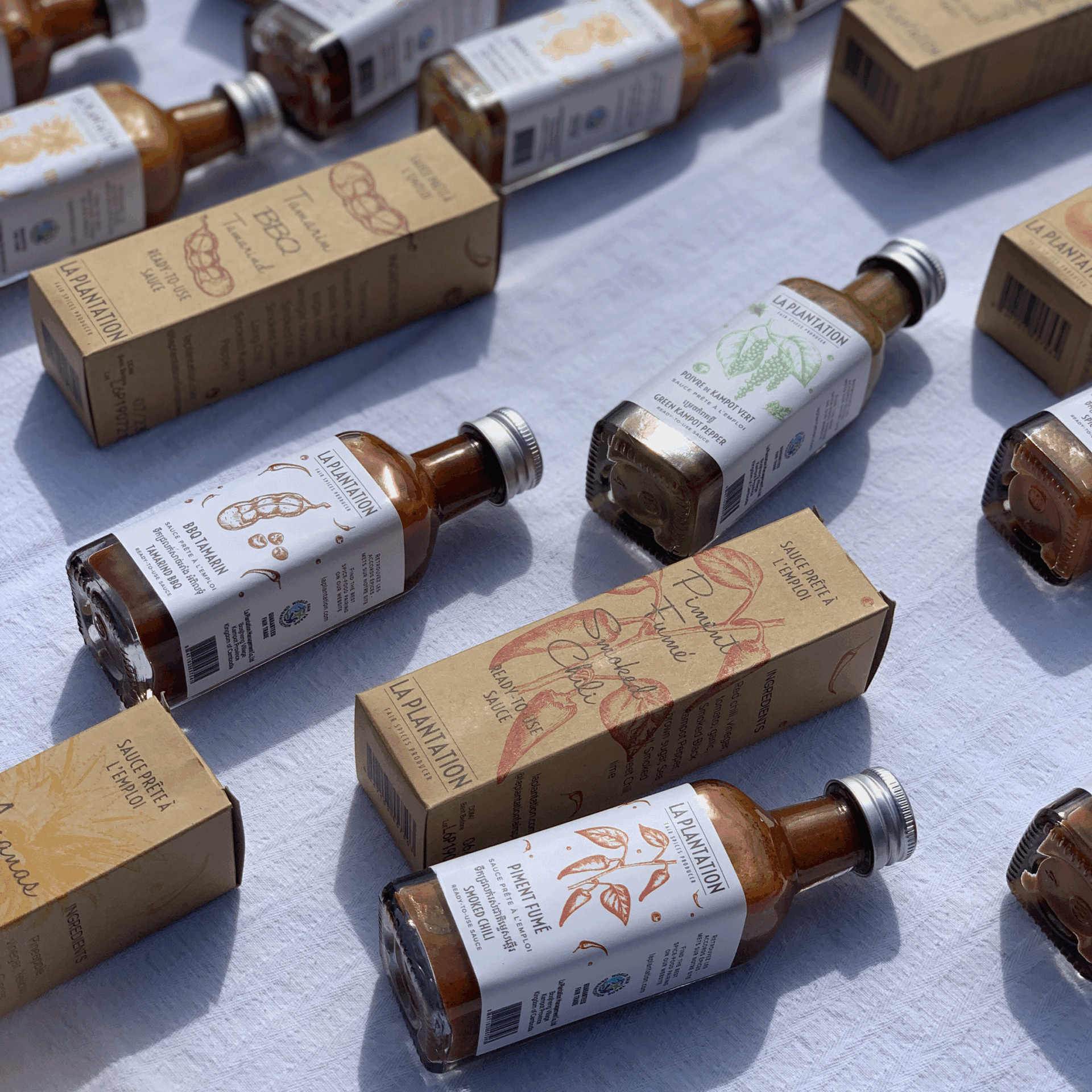
Hot Ones Challenge: take up the challenge using our hot sauces
Health
-
16.02.24
Suggestions
Chili Oil: Your complete guide to choosing and using It
Sommaire
Here are the key takeaways:
|
Chili oil is one of the most universal condiments in the world. You find it on Sichuan noodle bowls, New York brunch tables, Neapolitan pizzas, and Korean soups. But behind this simple name, there are radically different preparations and knowing the difference transforms the way you cook.
A chili oil from a restaurant in Chengdu has almost nothing in common with the one in a Roman trattoria or an Oaxacan kitchen. The origins, ingredients, textures, and uses vary greatly across culinary traditions.
Chili oil, hot oil, infused oil, these terms cover very different preparations. A Chinese chili oil is very different from an Italian olio di peperoncino, and a crispy chili oil is not used the same way as a smooth infused oil. Understanding those differences turns a simple condiment into a genuinely powerful culinary tool.
This article explores the main types of chili oil around the world, explains how to measure their heat level, and guides you on how to use them with confidence in your kitchen.
What is Chili Oil?
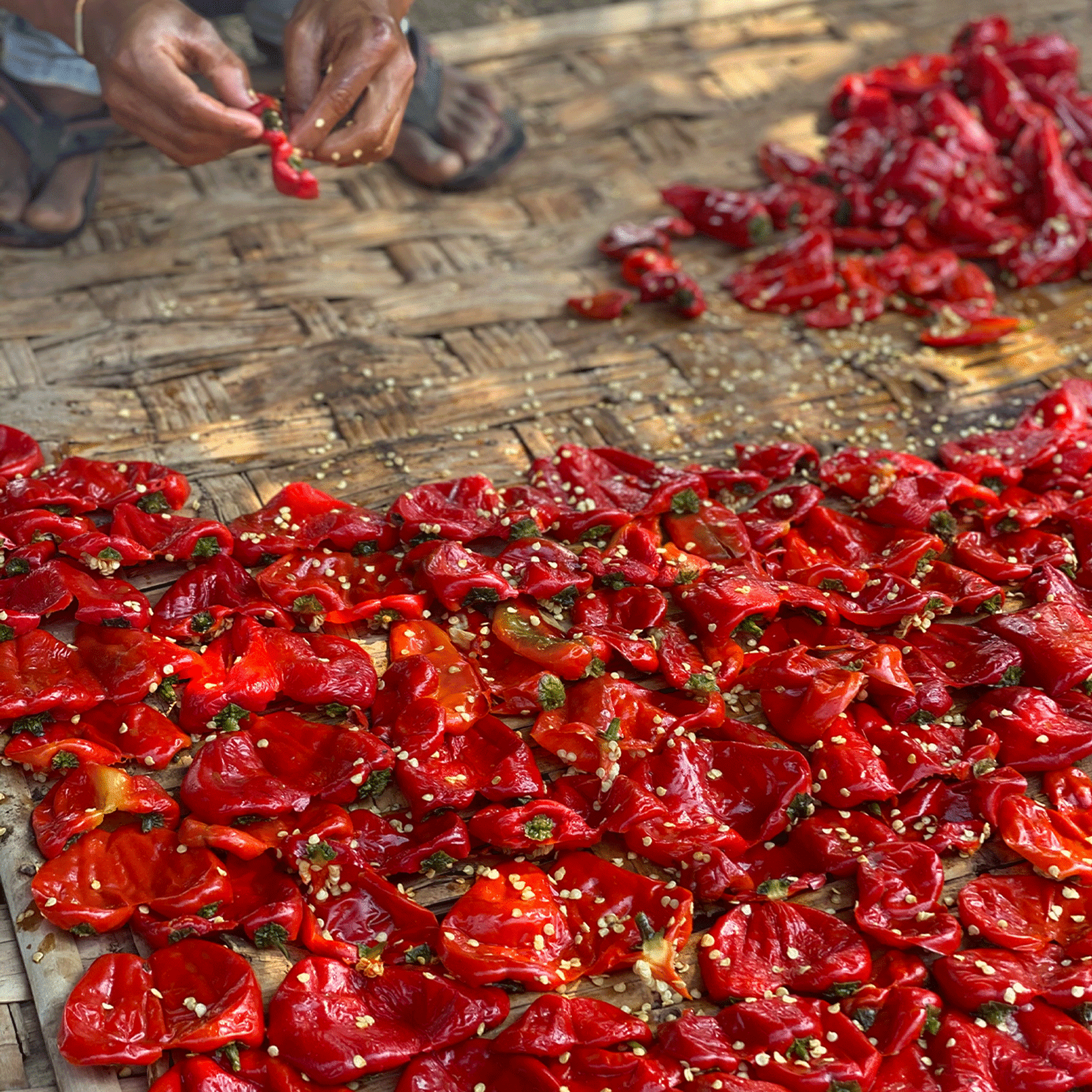
Chili oil is, in its simplest form, a vegetable oil in which chillies have been infused. Those chillies can be dried, fresh, or crushed into flakes. They are often combined with other aromatics like garlic, ginger, whole spices, dried herbs, or toasted seeds. The result is an oil loaded with flavour, aroma, and heat.
The basic method is the same across all culinary traditions. You heat the oil to a precise temperature, add the chillies and aromatics, and leave them to infuse. This process allows the aromatic compounds and capsaicin which the molecule responsible for the burning sensation to dissolve into the oil.
The longer the infusion and the more chillies used, the more intense the oil becomes. Temperature plays a critical role. Too cold, and the oil does not extract enough flavour. Too hot, and it burns the chillies, producing an unpleasant bitterness. Most traditional recipes recommend heating the oil to 160°C to 180°C before pouring it over the chillies.
The base oil used directly reflects the culinary tradition it comes from. In Asia, soybean oil or sesame oil are preferred for their characteristic depth of flavour. In the Mediterranean, extra virgin olive oil brings fruity and herbaceous notes. For a more neutral and versatile version, sunflower or rapeseed oil is often preferred, as it lets the chillies and aromatics express themselves fully.
There is a distinction that is often overlooked between chili oil and hot oil, which typically includes additional aromatics. In practice, both terms are used interchangeably, and no one is offended by either. In this article, we use the term “chili oil” as a general term to cover all these preparations, whether smooth or crunchy, Asian or Mediterranean.
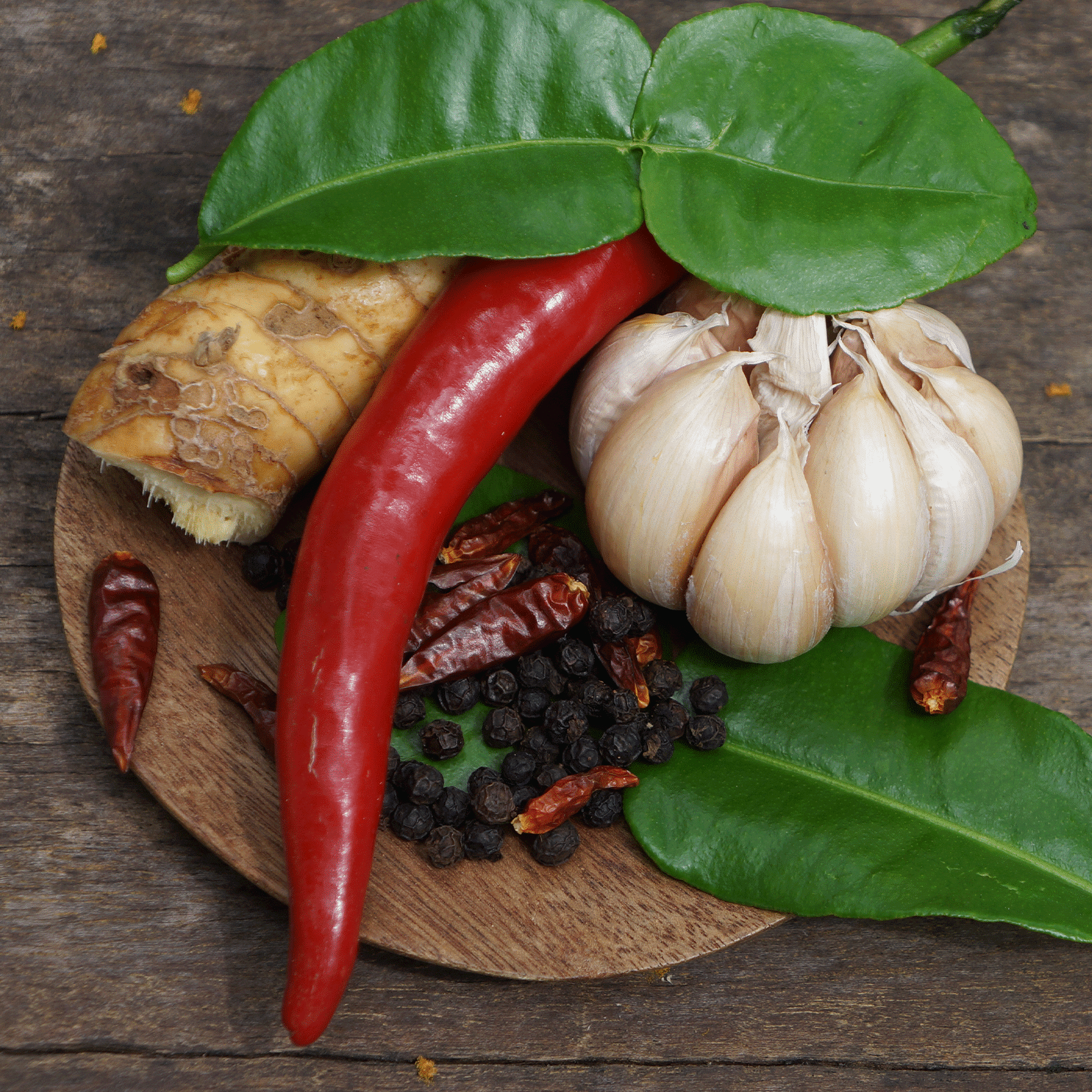
The main types of chili oil around the world
Chinese chili oil, known in its original form as làjiāo yóu, is probably the most iconic. Born in the kitchens of Sichuan and Guizhou, it is built on a base of soybean or rapeseed oil and carefully selected dried chillies, such as the Facing Heaven or the Erjingtiao. Some versions include Sichuan pepper, which creates the fascinating málà effect, a combination of heat and a light, almost electric numbness on the tongue.
What sets this oil apart from the rest? A deep red colour, a slow-building aromatic warmth, and a lightly roasted aroma. It pairs perfectly with noodles, soups, and dim sum, and turns any bowl into something truly serious.
Crispy chili oil was born in Guizhou province and became a global phenomenon in the 1990s when Tao Huabi launched her Lao Gan Ma sauce which is now a worldwide icon. The concept is quite different from a simple infused oil. This is a multi-textured condiment loaded with solid elements: fried onions, crispy garlic, fermented black beans, peanuts, and sesame.
The result delivers heat, umami, and crunch all at once. That trio explains its explosion on social media in recent years — it turns an ordinary dish into a genuine flavour experience.
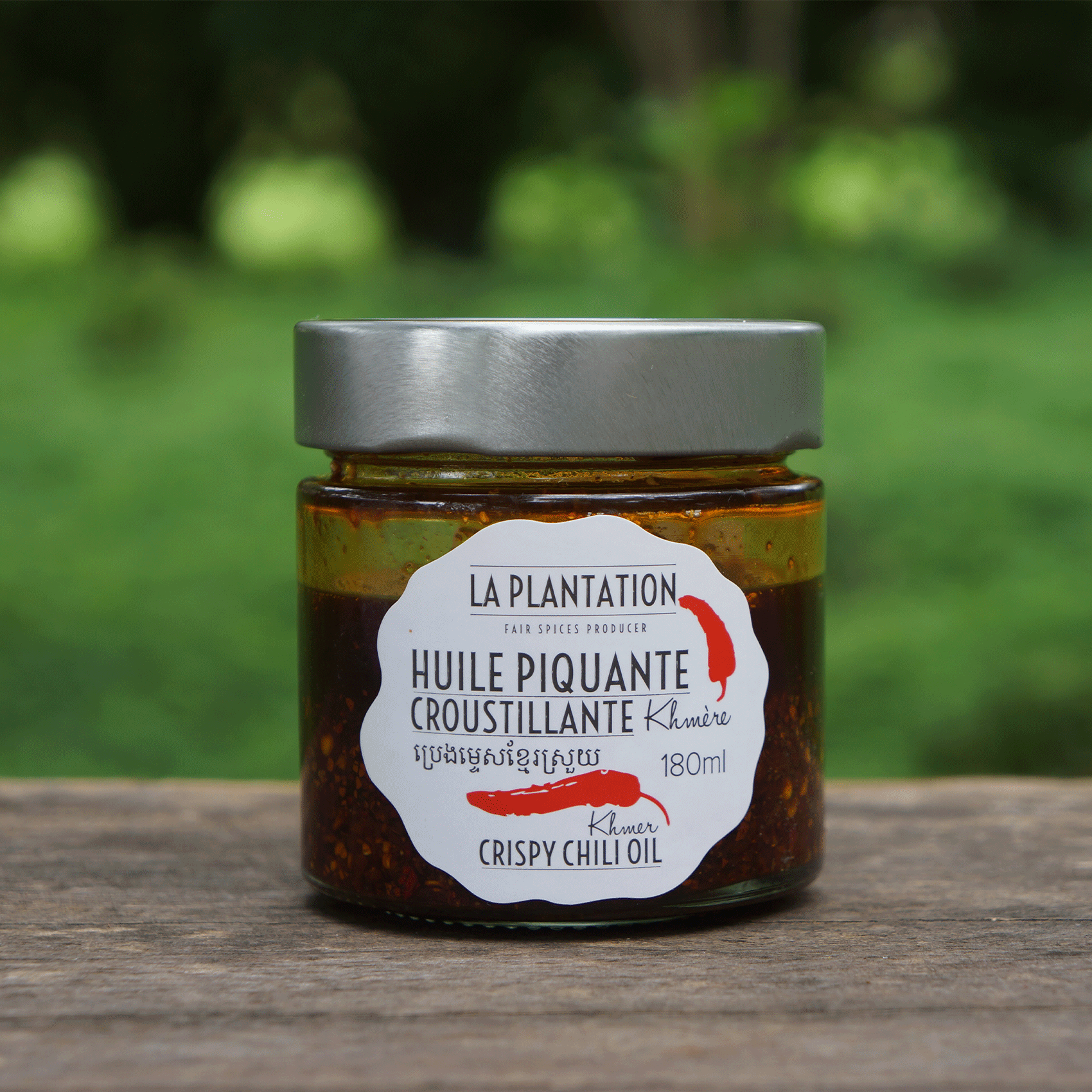
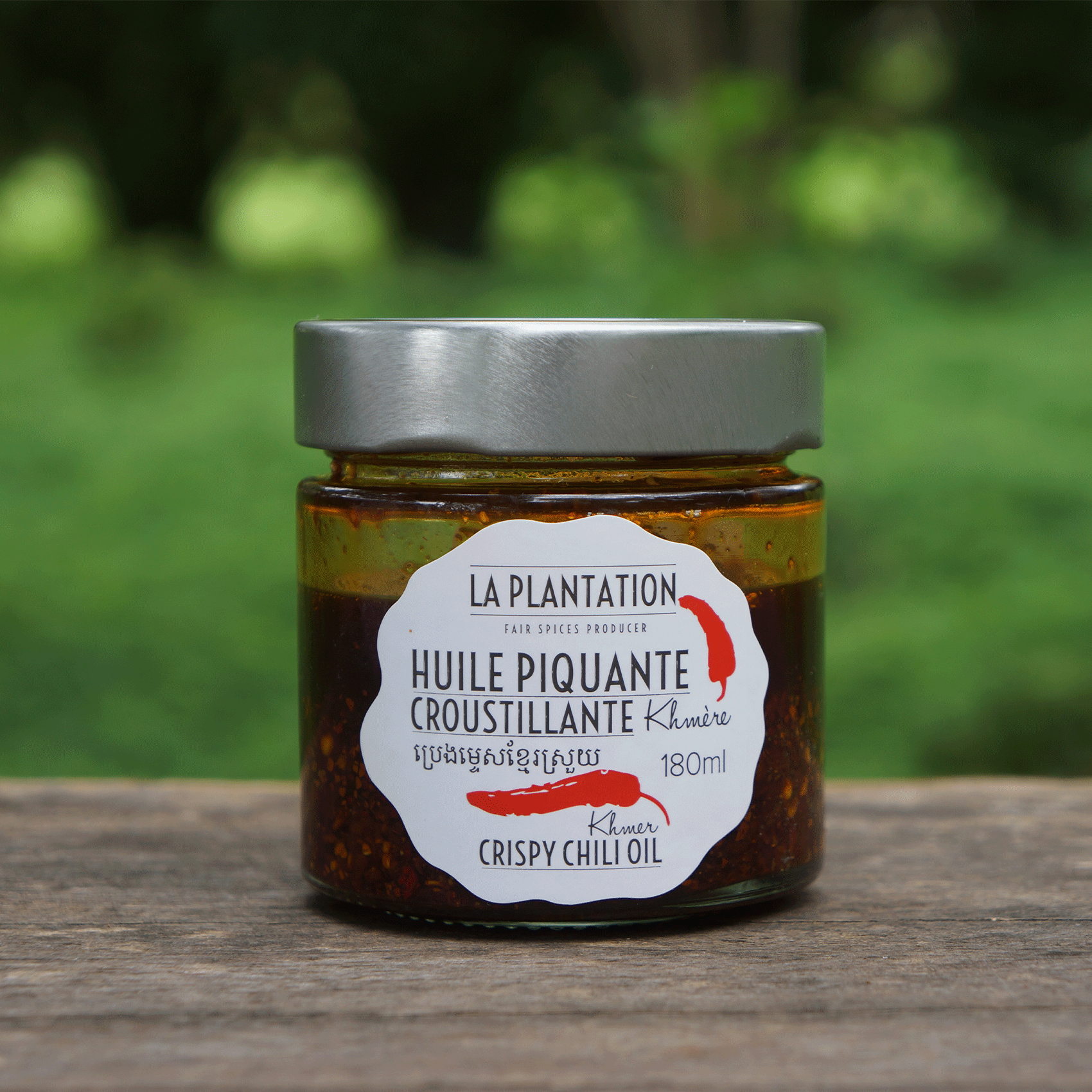
This is precisely the tradition we wanted to reinterpret with our Khmer Crispy Chili Oil. Produced in Kampot, Cambodia, it follows the same fundamentals (texture, heat, and umami) while adding a Cambodian aromatic signature, particularly through kaffir lime zest, a rare citrus with intense floral notes.
This recipe has already received recognition: it won the Trophée at the Prix Épicures 2026, organised by Le Monde de l’Épicerie Fine in the oils category before its official launch.
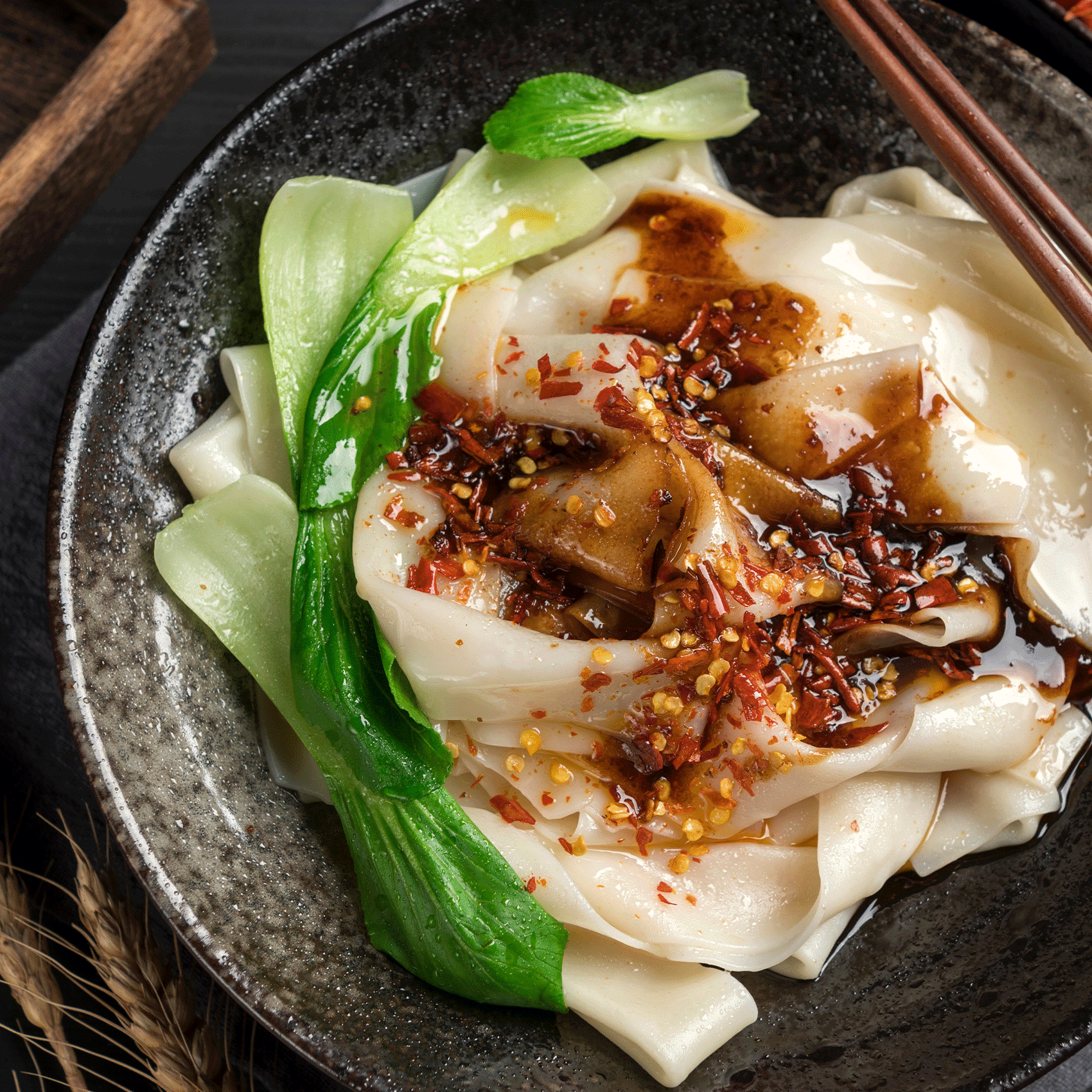
Across Asia, chili oil is part of everyday cooking. In Korea, gochu gireum seasons spicy noodles and soups. In Japan, rāyu lighter and often sesame-based, is the classic accompaniment to gyoza. In Thailand, Vietnam, and Cambodia, every cuisine has its own version: lemongrass, satay, galangal and local aromatics shape a distinct identity for each one.
Less well known in Europe, salsa macha is a remarkable condiment. Originally from Veracruz and Oaxaca, it sits somewhere between a sauce and a chili oil. It is built on dried Mexican chillies (chile de árbol, morita, guajillo) toasted with garlic, sesame seeds, and peanuts. The result is deep, slightly smoky, with a texture reminiscent of crispy chili oil. It works on tacos, grilled meats, eggs, and roasted vegetables. Once you try it, you put it on everything.
Italy has its own version. Olio di peperoncino is an extra virgin olive oil infused with dried chillies, sometimes with garlic, rosemary, or bay leaf. The heat here is more restrained, the goal is to extend the fruity and herbaceous notes of the olive oil without overwhelming them. A staple on pizzeria tables, it works just as well on pasta, bruschetta, and grilled fish.
Understanding heat: the Scoville scale applied to chili oils
The Scoville Scale measures the concentration of capsaicin — the active molecule responsible for the burning sensation caused by chillies. It was developed in 1912 by American pharmacologist Wilbur Scoville, who wanted to quantify chilli intensity objectively. The unit of measurement is the SHU (Scoville Heat Unit). The higher the score, the hotter the chilli.
As a reference point, a bell pepper sits at 0 SHU which contains no capsaicin at all. The hottest chilli ever measured, Pepper X, exceeds 2.69 million SHU.
Knowing a chilli’s SHU gives a useful indication, but the intensity of a finished chili oil depends on several combined factors. The ratio of chilli to oil volume plays an obvious role. Infusion time amplifies capsaicin extraction, a longer infusion produces a more powerful oil. The temperature of the oil during infusion also influences the final result. Finally, the presence of other ingredients such as garlic, ginger, and whole spices can soften or add complexity to the perception of heat.
How to use Chili oil in the kitchen
The most natural approach is to drizzle a little over the top as a finishing touch with noodles, a bowl of rice, a soup, eggs, or a pizza. Half a teaspoon is often enough to transform the dish. Adjust according to your own tolerance for heat.
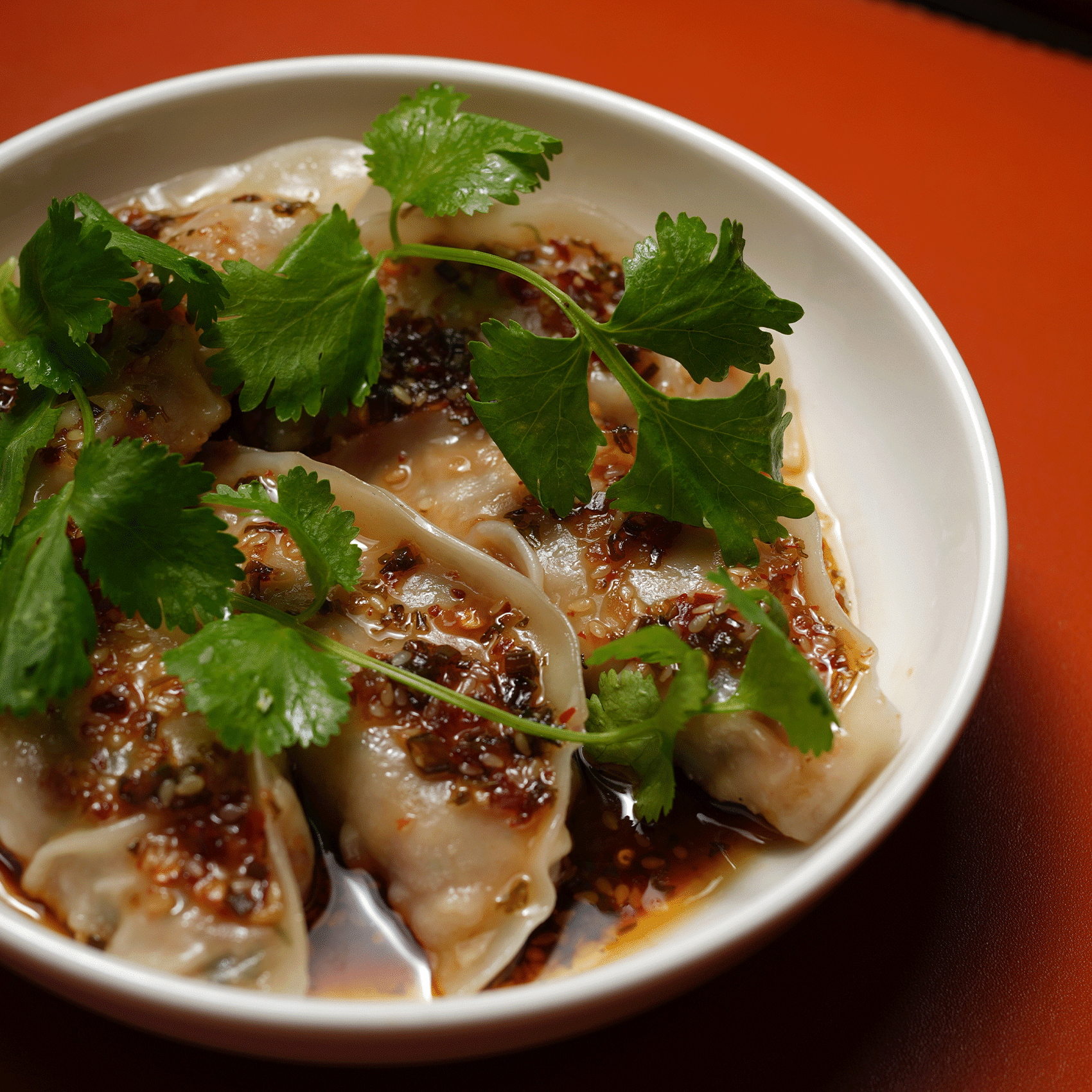
Chili oil also works well in quick sauces. Mix it with soy sauce and rice vinegar for dumplings, with lemon juice for prawns, or with a little honey for a salad dressing. These combinations are simple but consistently effective and they also make an excellent marinade base before cooking.
Some chili oils can withstand brief cooking like for example, to stir-fry vegetables or tofu over a medium heat. Avoid very high temperatures, which alter the aromas and bring out bitterness.
Crispy chili oil deserves a special mention. Its texture allows it to play a role well beyond simple heat. On an avocado toast, a burger, hummus, or even melted cheese, it brings texture, crunch, and depth all at once. It is a full condiment in its own right, not just something you leave on the table.
Frequently asked questions about chili oil
An unopened commercial chili oil generally keeps its best quality for around two years at room temperature. Once opened, it keeps for up to two years in the refrigerator. In all cases, store your oil away from light and heat to preserve its aromas.
The choice of base oil directly influences the result. A neutral oil such as grapeseed, rapeseed, or deodorised groundnut oil, lets the chillies and aromatics speak clearly. Sesame oil, widely used in Asian traditions, adds a characteristic depth of flavour but is not suitable for high-heat cooking. Olive oil suits Mediterranean-style preparations best.
Chili oil pairs well with noodles, rice, soups, dumplings, and steamed buns. It also lifts everyday Western dishes like fried eggs, avocado toast, pizzas, pasta, grilled meats, and sautéed prawns. It adds an unexpected touch to more original preparations too: melted cheeses, roasted vegetables, hummus with crudités, and salads.
Lao Gan Ma is the world’s best-selling crispy chili oil brand, born in Guizhou province in China in the 1990s. It was created by Tao Huabi, nicknamed “the Godmother” — Lao Gan Ma literally means “old godmother” in Mandarin. Today it is distributed in more than 80 countries and remains the global benchmark for crispy chili oil, the reference against which all others are measured.
Smooth chili oil is a pure infused oil, clear, liquid, used primarily for its heat and colour. Crispy chili oil contains solid elements such as fried onions, crispy garlic, peanuts, and sesame seeds. It adds texture and umami alongside the heat, making it a full condiment rather than a simple seasoning oil.


Subscribe to our Newsletter now
Get a free product for your first order!
Donation