History of Kampot Pepper and Its PGI
News
-
20.02.26
Suggestions
Pepper Sauce: The essential recipe and expert tips to master It
Sommaire
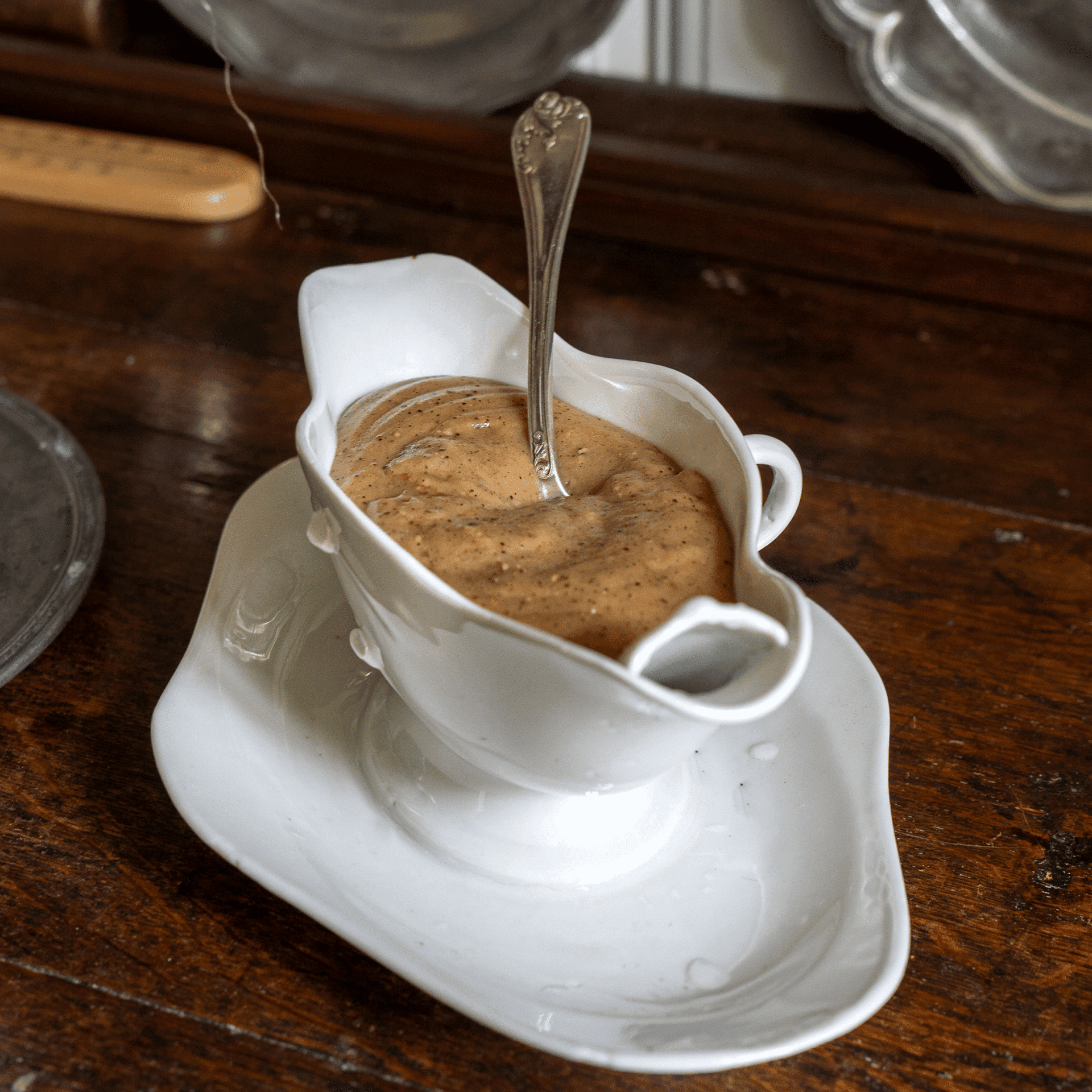
Pepper sauce is one of those timeless recipes you recognise from the first bite. Loved in bistros and reimagined by chefs, it has accompanied meat, potatoes and even vegetarian dishes for decades. Behind its apparent simplicity lies a precise balance. The pepper, the cooking time, the reduction — every detail shapes the final taste.
Which pepper should you use for a pepper sauce?
The pepper is the core of the sauce. It gives structure, warmth and character. Not all peppers taste the same. Their origin, maturity and processing influence the final flavour.
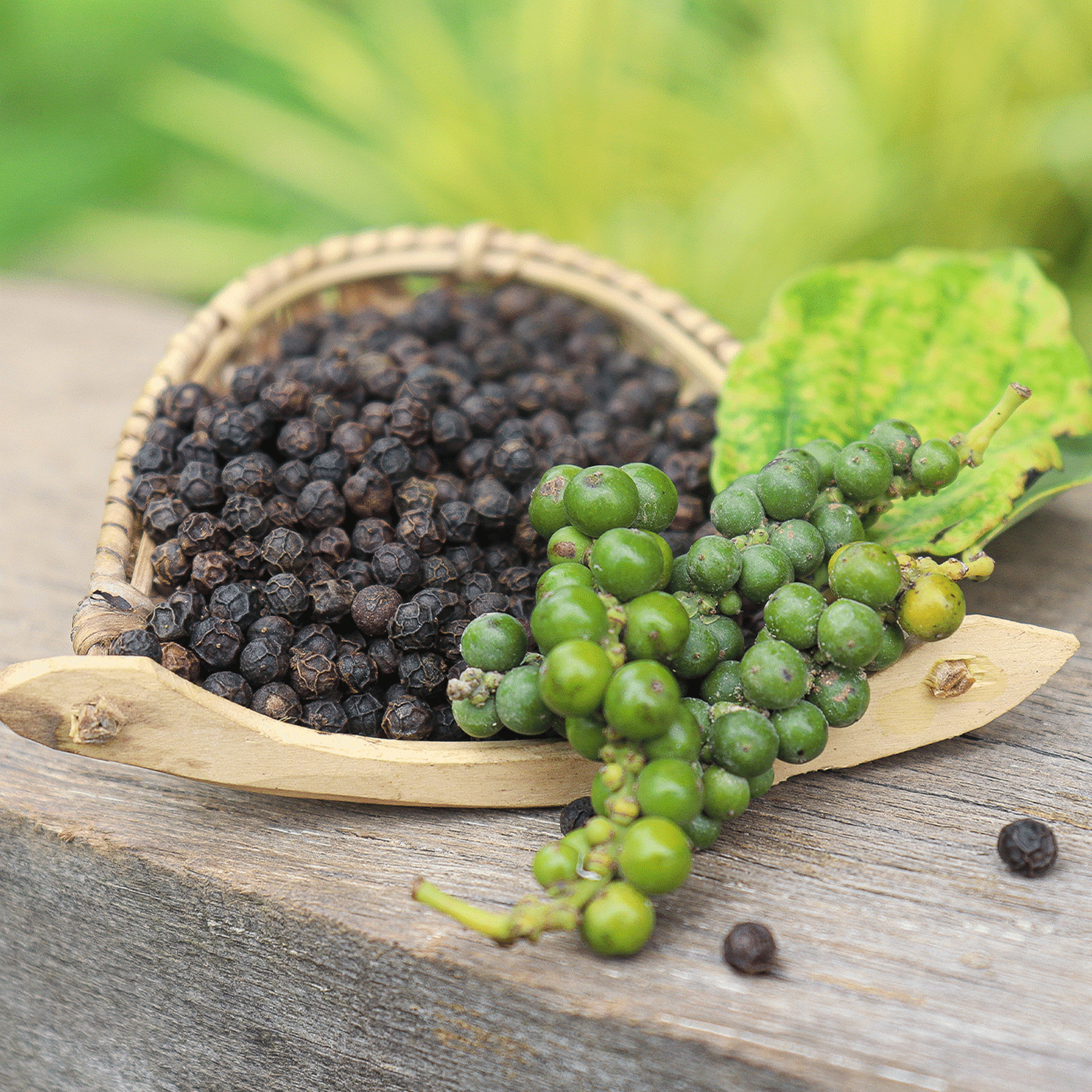
Black pepper is the traditional choice for pepper sauce. It develops warm, woody notes, sometimes with a subtle camphor touch.
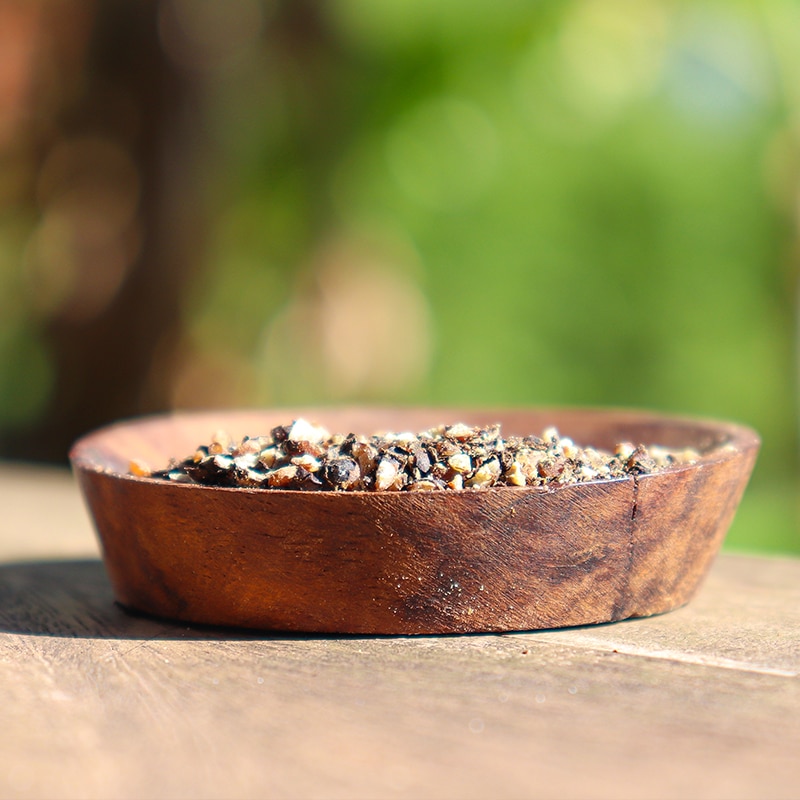
Crushed coarsely, it releases its essential oils slowly as it cooks.
A pepper that is too sharp can make the sauce bitter, so choosing an aromatic, well-sorted and freshly crushed pepper is essential for a smooth, balanced result.
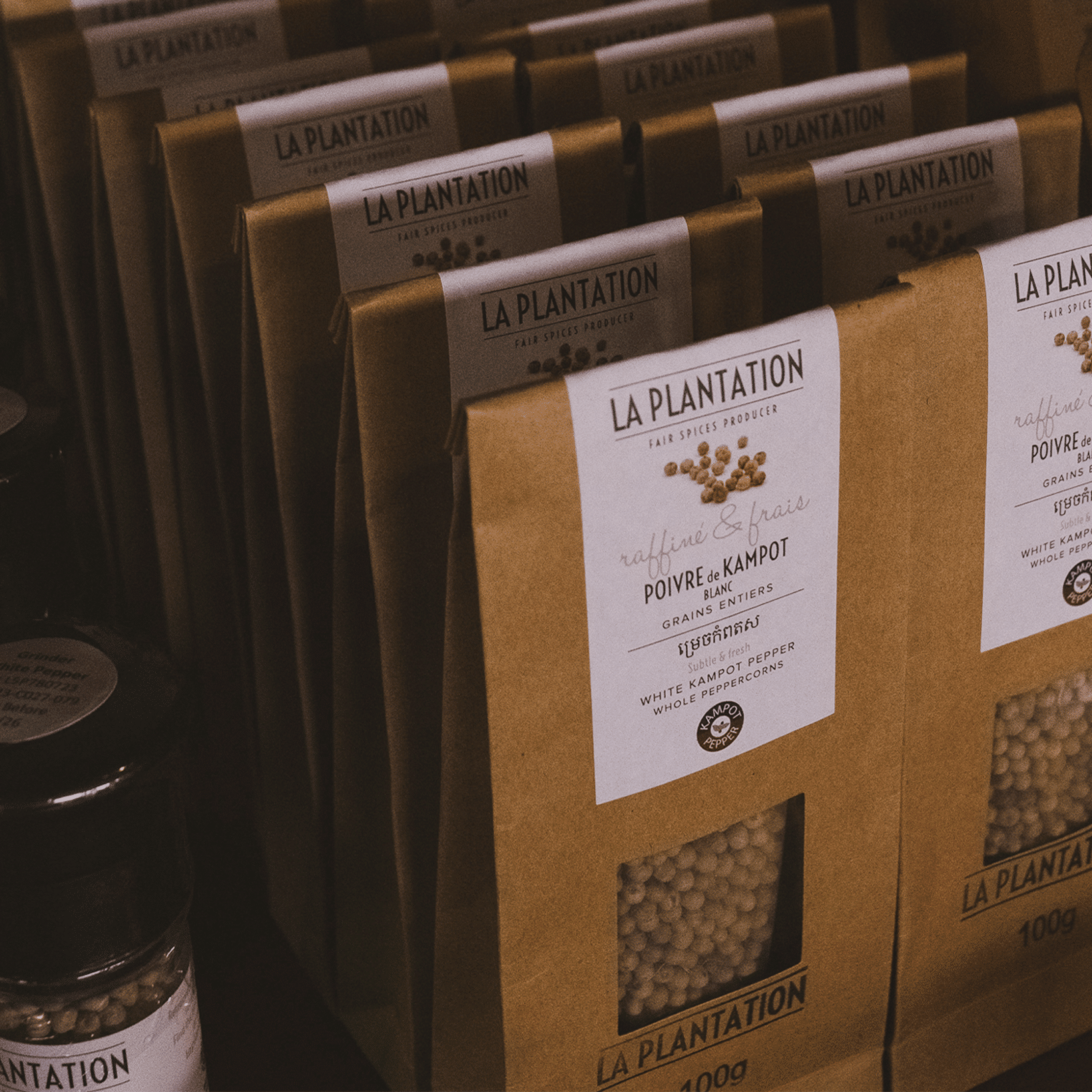
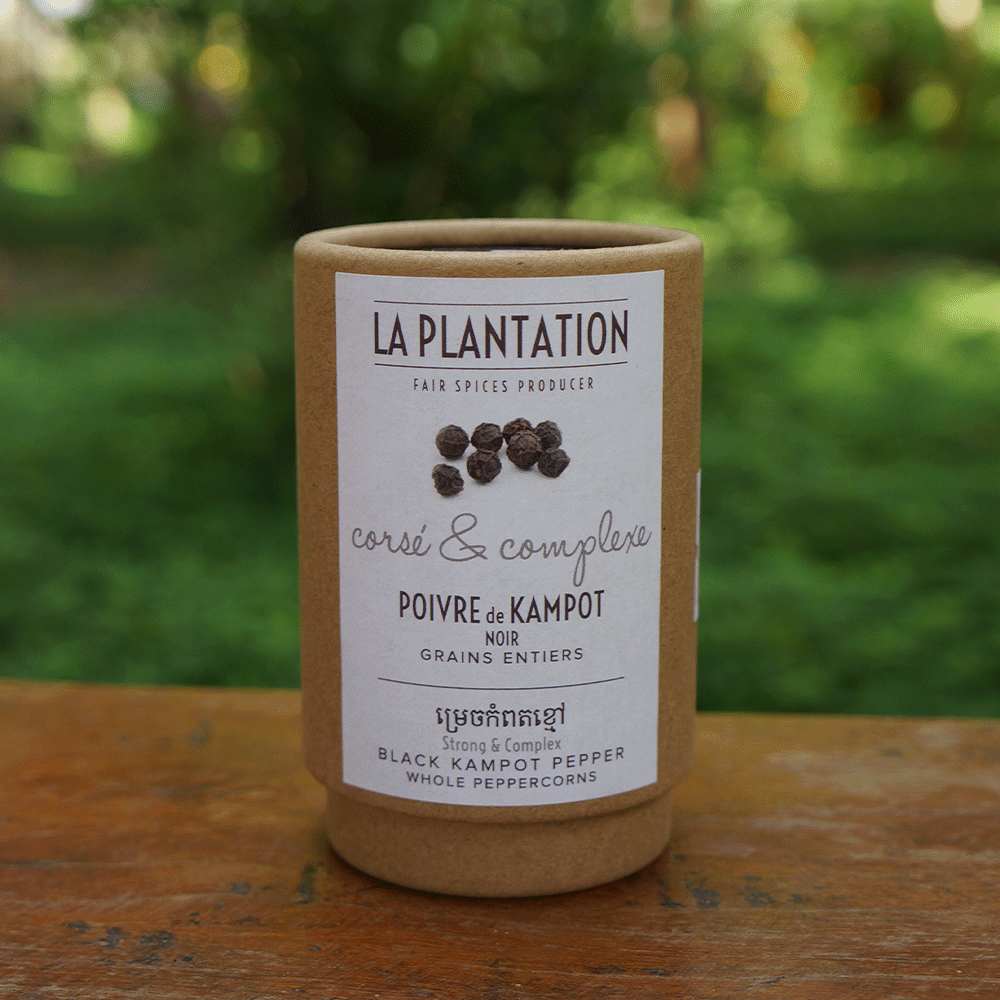
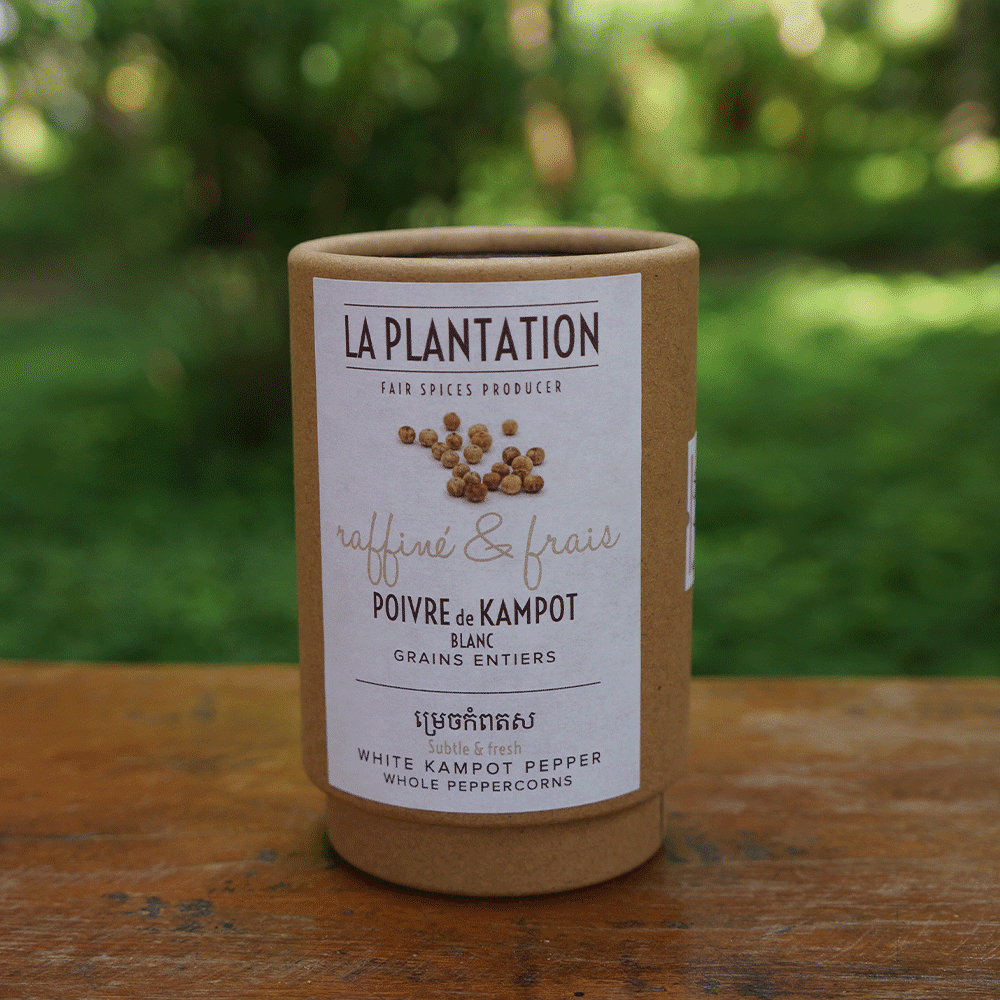
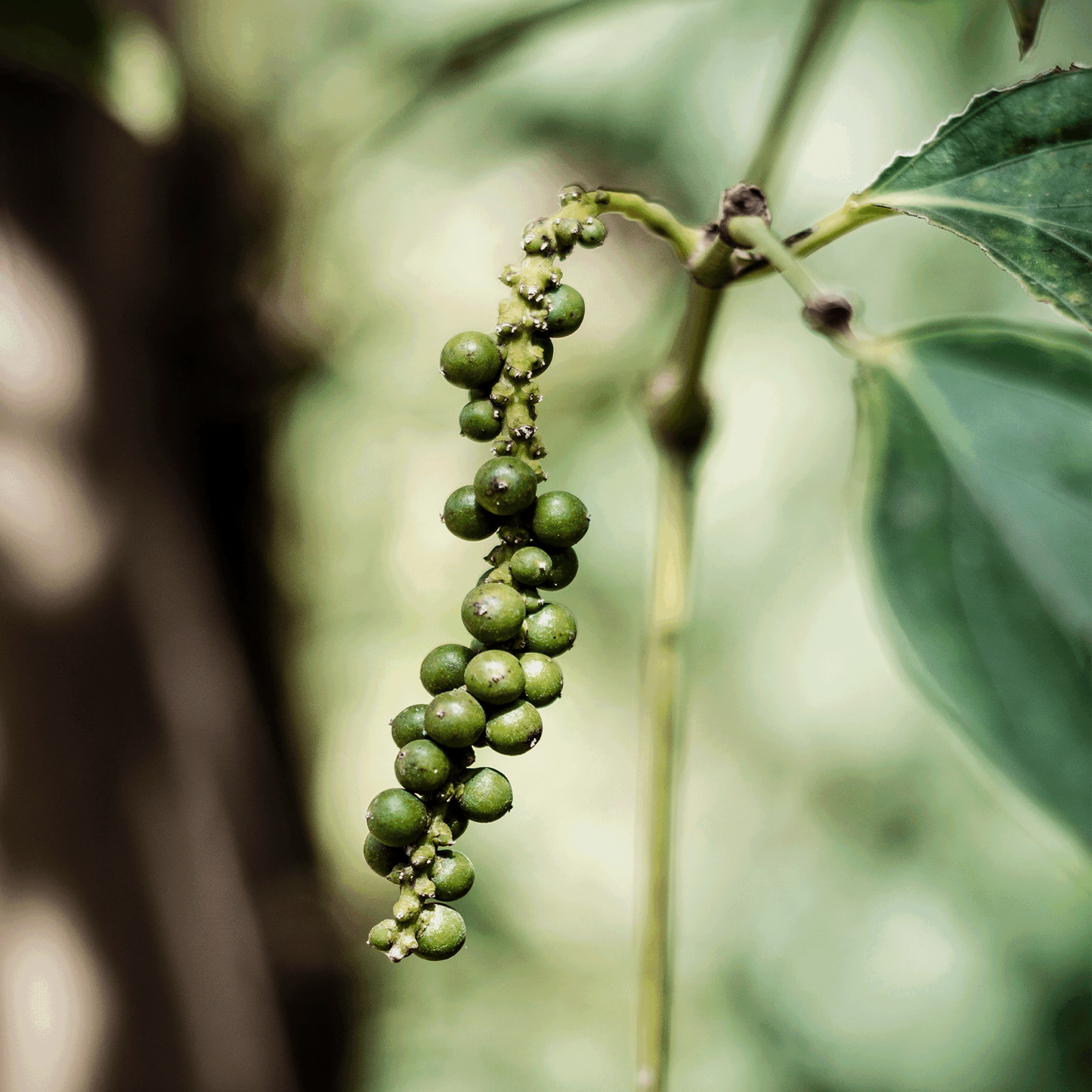
Kampot pepper is known for its elegance and complexity. Grown in southern Cambodia, it offers refined aromas without aggression. You often find notes of eucalyptus, fresh mint and citrus.
In pepper sauce, this complexity builds a powerful yet gentle flavour. It enhances the cream without overpowering it. It works especially well in slow-reduced sauces, where the aromas can open fully.
Depending on your dish, other peppers may be ideal. A long pepper brings a rounder, slightly sweet warmth.
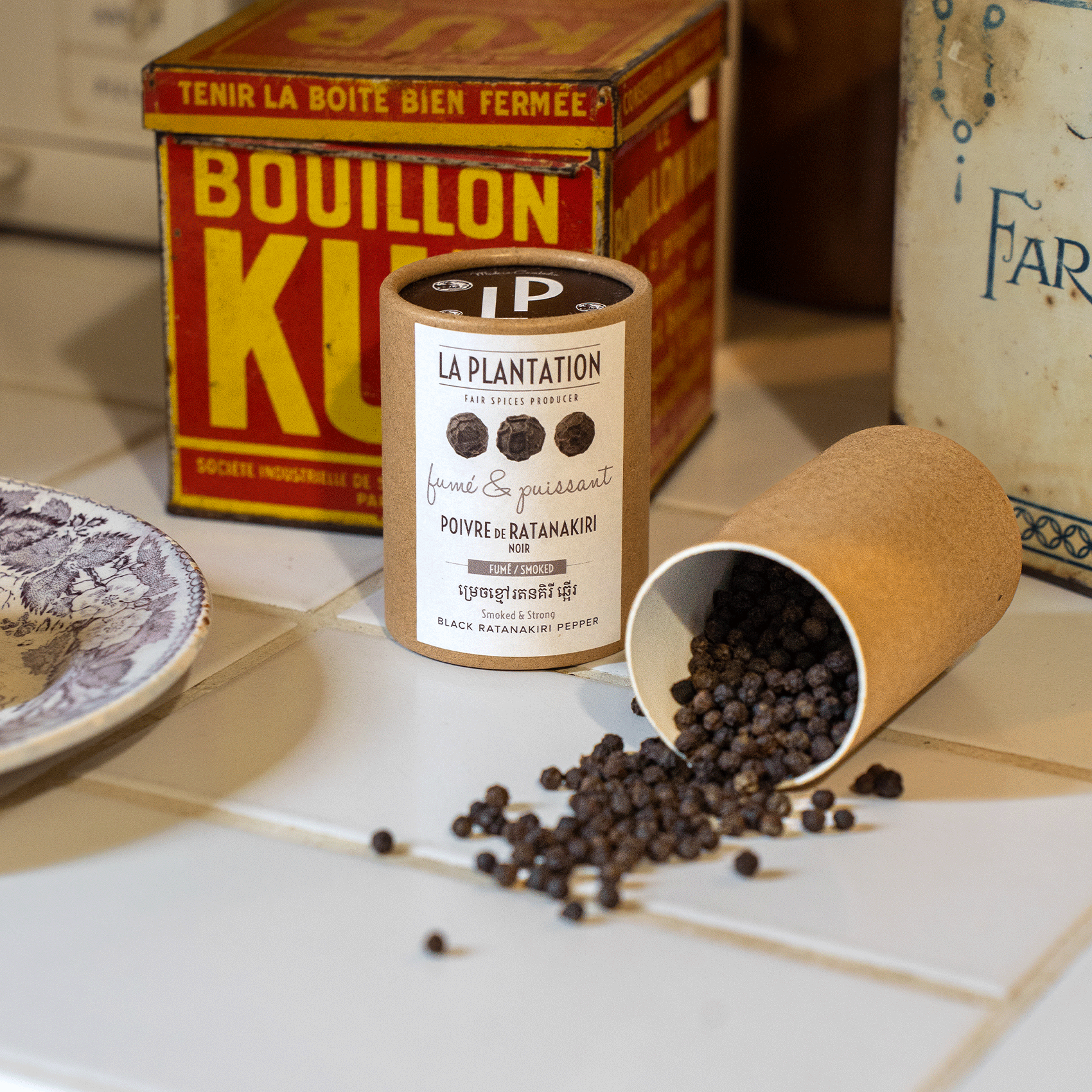
A smoked pepper, such as smoked black pepper from Ratanakiri, adds a rustic dimension perfect for roasted meat or vegetables.
What to serve with pepper sauce?
The most famous pairing is with beef.
A steak, sirloin or tenderloin works naturally with pepper sauce.
White meat is also a great match. Pork tenderloin, roasted poultry or veal pair beautifully with a smooth, elegant pepper sauce.
Pepper sauce is not limited to meat.
It pairs perfectly with sautéed mushrooms such as oyster mushrooms or portobellos. Their firm texture absorbs the sauce well.
Grilled tofu or oven-roasted vegetables also gain depth when topped with a balanced pepper sauce.
Homemade fries, mashed potatoes or fresh pasta offer a simple base that absorbs the sauce and highlights its flavours.
Recipe: how to make a homemade pepper sauce
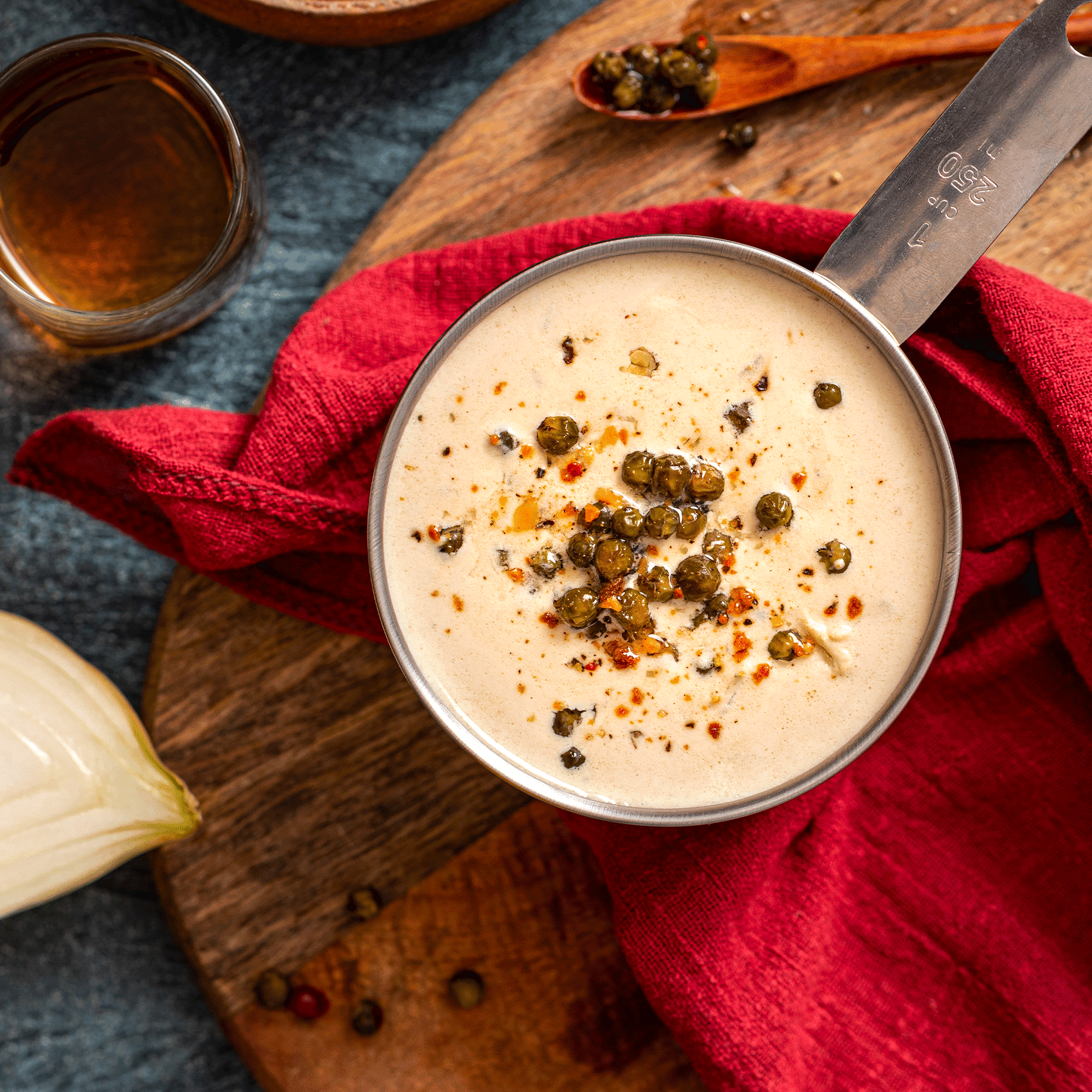
Here is a reliable and classic version of pepper sauce, easy to adapt to your taste.
1. Crush the peppercorns. Avoid using powdered pepper. A coarse crush spreads the aroma slowly and evenly.
2. Sweat the shallots in butter over low heat. They should become translucent without browning.
3. Add the crushed pepper and warm it briefly. This step awakens the aromatic oils.
4. Deglaze with cognac. Let the alcohol evaporate.
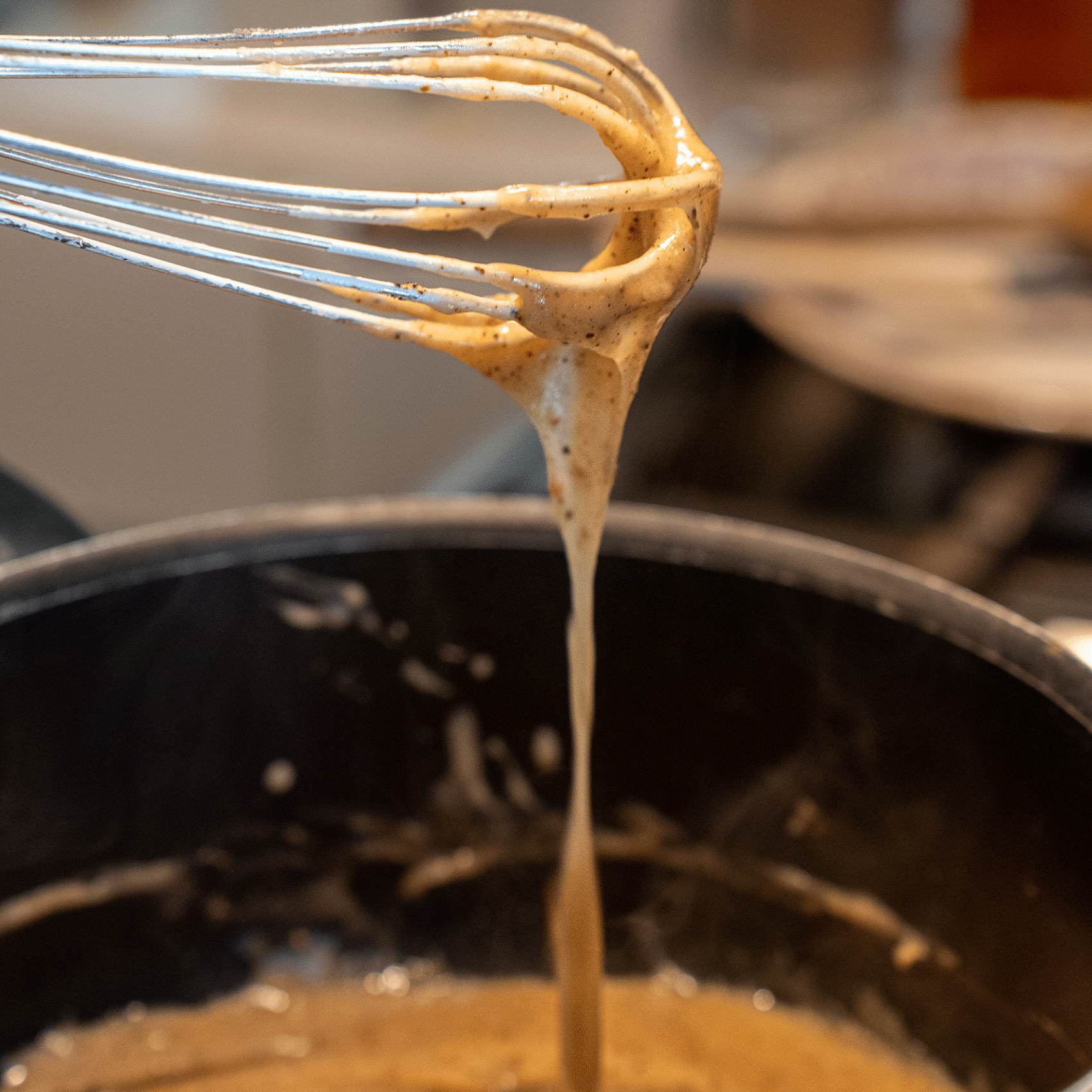
5. Add stock and cream, then reduce slowly. Stop when the sauce coats the spoon lightly.
6. Taste and adjust the salt.
Serve immediately.
A successful pepper sauce is all about precision.
The pepper should never burn. Overheating creates bitterness. The reduction must stay controlled: too thick becomes heavy, too thin lacks impact.
Salt is always added at the end. Freshly crushed pepper is essential. It makes the sauce vibrant and aromatic.
Frequently asked questions about pepper sauce
Let the sauce reduce slowly until it reaches the texture you want. Avoid flour, which dulls the flavour.
It pairs with red meat, white meat, mushrooms, grilled tofu, mashed potatoes, fries and roasted vegetables.
You can store it for up to 48 hours in the fridge in an airtight container. Reheat gently.
Yes. Replace cognac with reduced stock or a mild vinegar to add depth.


Subscribe to our Newsletter now
Get a free product for your first order!
Donation