Complete Guide: How to pair Spices in cooking
Our Tips
-
18.04.25
Suggestions
Why pair fruit and chilli?
Sommaire
Key takeways:
|
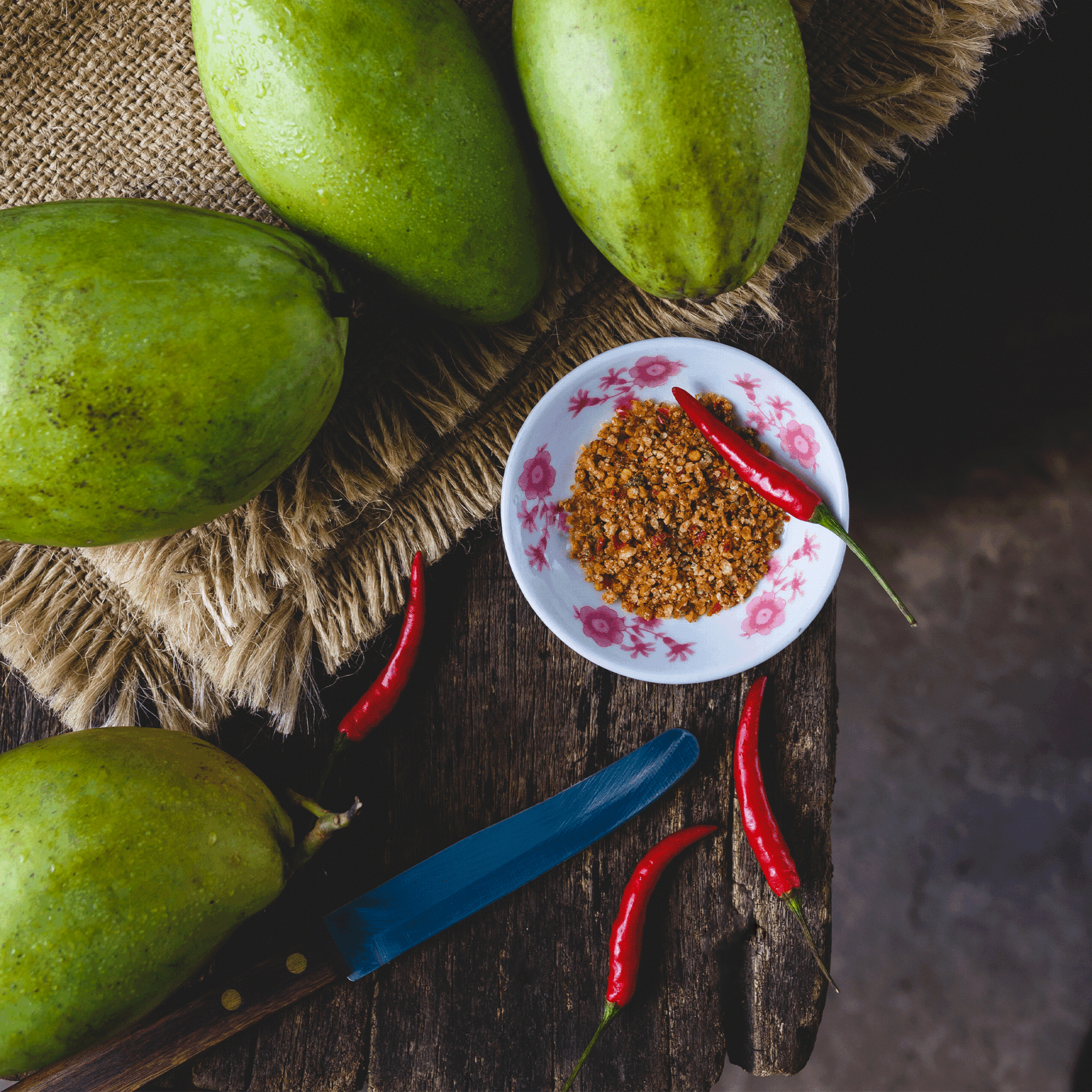
Fruit and chilli seem like opposites: one is soft and juicy, the other burns. And yet in Mexican, Thai, Caribbean, and African kitchens, they have coexisted naturally for centuries. That is not a coincidence. It is a gustatory truth that very different cultures discovered independently of one another. This guide explains why the pairing works and how to use it according to the fruit and the level of heat.
Capsaicin, the active molecule in chilli does not produce a taste: it triggers a heat sensation. It binds to the thermal receptors in the mouth, the same receptors that normally react to a real source of heat. The brain interprets this signal as burning, even though no combustion is taking place.
The natural sugar in fruit does not cancel this chemical reaction, but it changes the perception of it. No neutralisation occurs at a molecular level: sugar acts on the sensory plane, not the chemical one. It creates a contrast that softens the perceived intensity of the heat and adds a further dimension to the experience.
The acidity in fruit acts on the speed of the heat. It slightly amplifies the intensity of the capsaicin, but shortens how long it lingers in the mouth: the heat rises faster, and fades just as quickly. This combination produces a characteristic three-stage sequence — an intense but brief warmth, followed by a sweet note, then a sensation of freshness. It is this precise progression that makes the fruit-chilli pairing so naturally balanced.
This pairing is not a recent trend it has run through tropical cuisines for generations, across continents that never had direct culinary contact with one another. In Mexico, watermelon is dusted with tajín, mango is dipped in chamoy, and pineapple joins jalapeño in fresh salsas. In Thailand, green papaya is combined with bird’s eye chilli in som tam which is a salad pounded in a mortar where sweet, sour, and spicy respond to one another in a single mouthful. In the Caribbean, habanero infuses marinades of tropical fruits like mango or pineapple to create sauces that are at once fiery and fruity. In West Africa, chilli meets tamarind in condiments that accompany grilled meats and fish.
The fact that these cuisines, separated by oceans, each independently developed this same combination is not a coincidence. It is the separate response of different culinary traditions to the same sensory reality: the sugar and acidity of fruit naturally balance the heat of chilli, regardless of the culture doing the pairing.
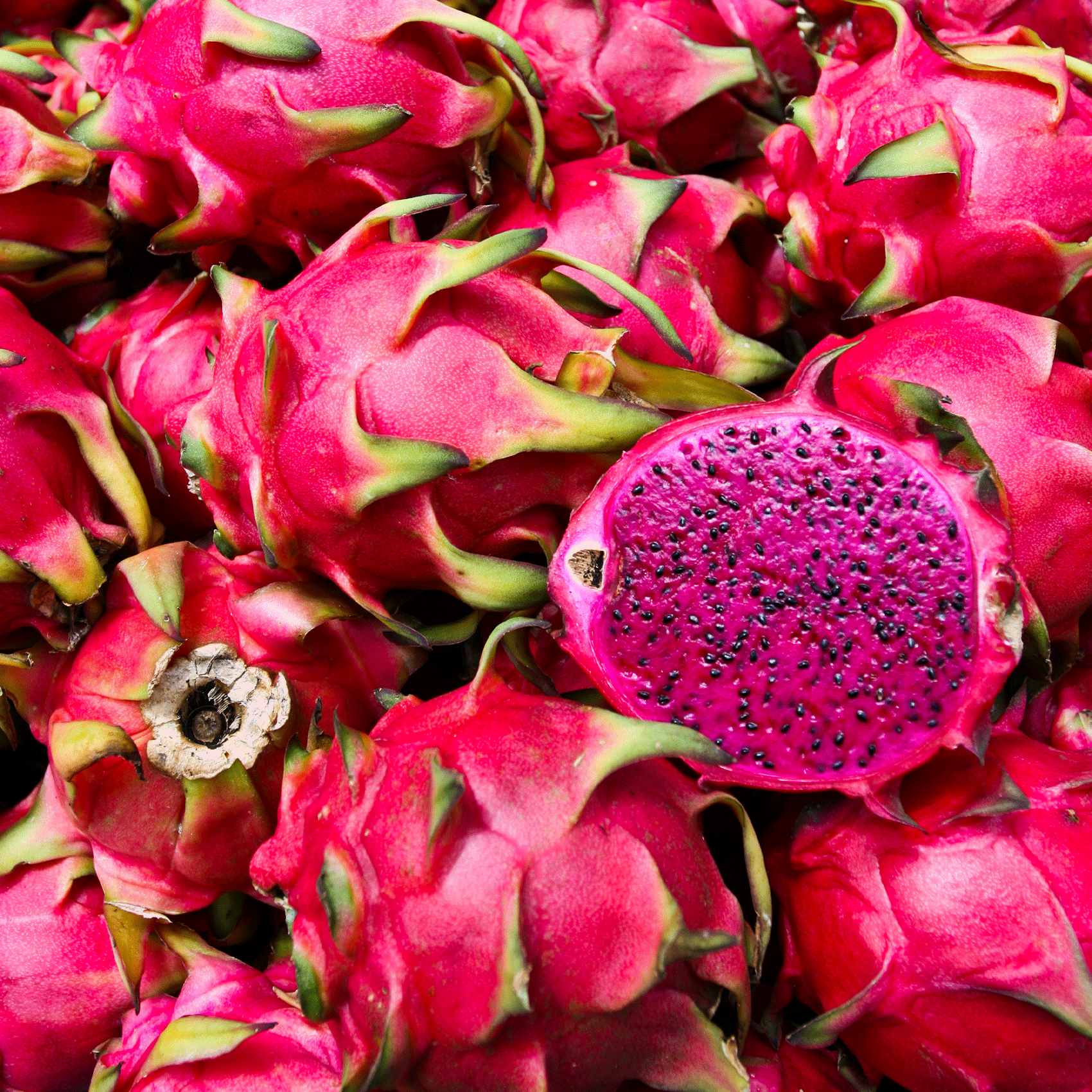
The Basic rules for pairing fruit and chilli
Three criteria guide the choice:
the sugar level of the fruit
its texture
the presence or absence of an acidic element
A very sweet fruit (ripe mango, pineapple, dragon fruit) can support a stronger chilli. The sugar absorbs and balances the intensity. A fruit with low sugar or high acidity likelemon, passion fruit, amplifies the heat, so it should be paired with a milder chilli.
One fundamental rule to remember: the sweeter and juicier the fruit, the higher you can push the heat level.
Texture determines the format of the chilli. On soft, yielding fruits like peach or strawberry, a chilli powder or sauce integrates better than fresh chilli. On firm, crunchy fruits like pineapple or watermelon, flakes or finely chopped pieces work well.
A squeeze of lime or a fruit vinegar creates a sweet-sour-spicy structure that is particularly effective. This is the principle behind all great fruit-based hot sauces.
The best pairings to try
The combinations below are organised by fruit and indicate the most suitable heat level for each one:
| Fruit | Best Chilli match | Intensity |
|---|---|---|
| Mango | Habanero, bird’s eye, jalapeño | Medium to strong |
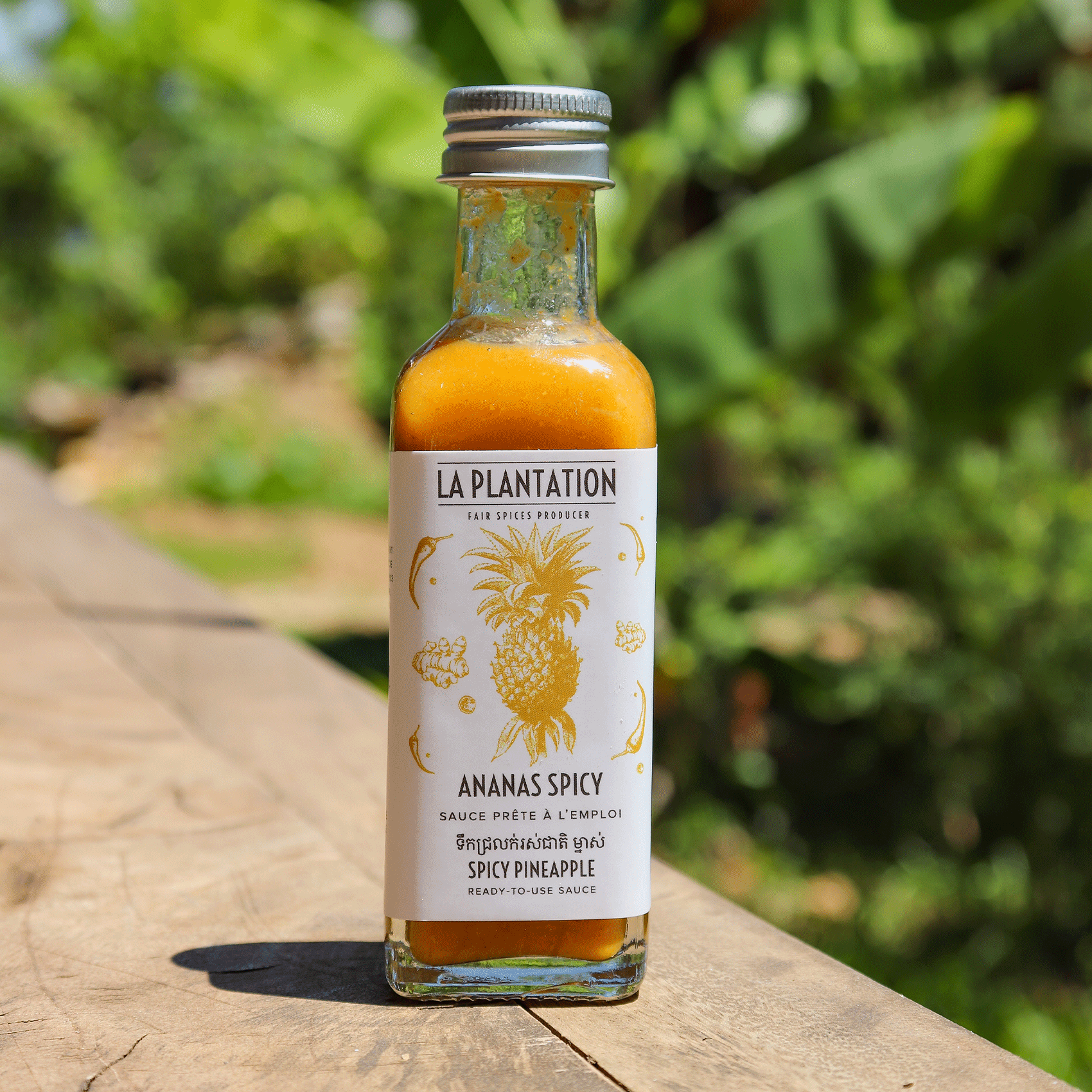
| Pineapple | Bird’s eye, jalapeño, Espelette | Mild to medium |
| Watermelon | Tajín, Espelette, mild chilli flakes | Mild |
| Dragon fruit | Mild chilli powder, Espelette | Mild |
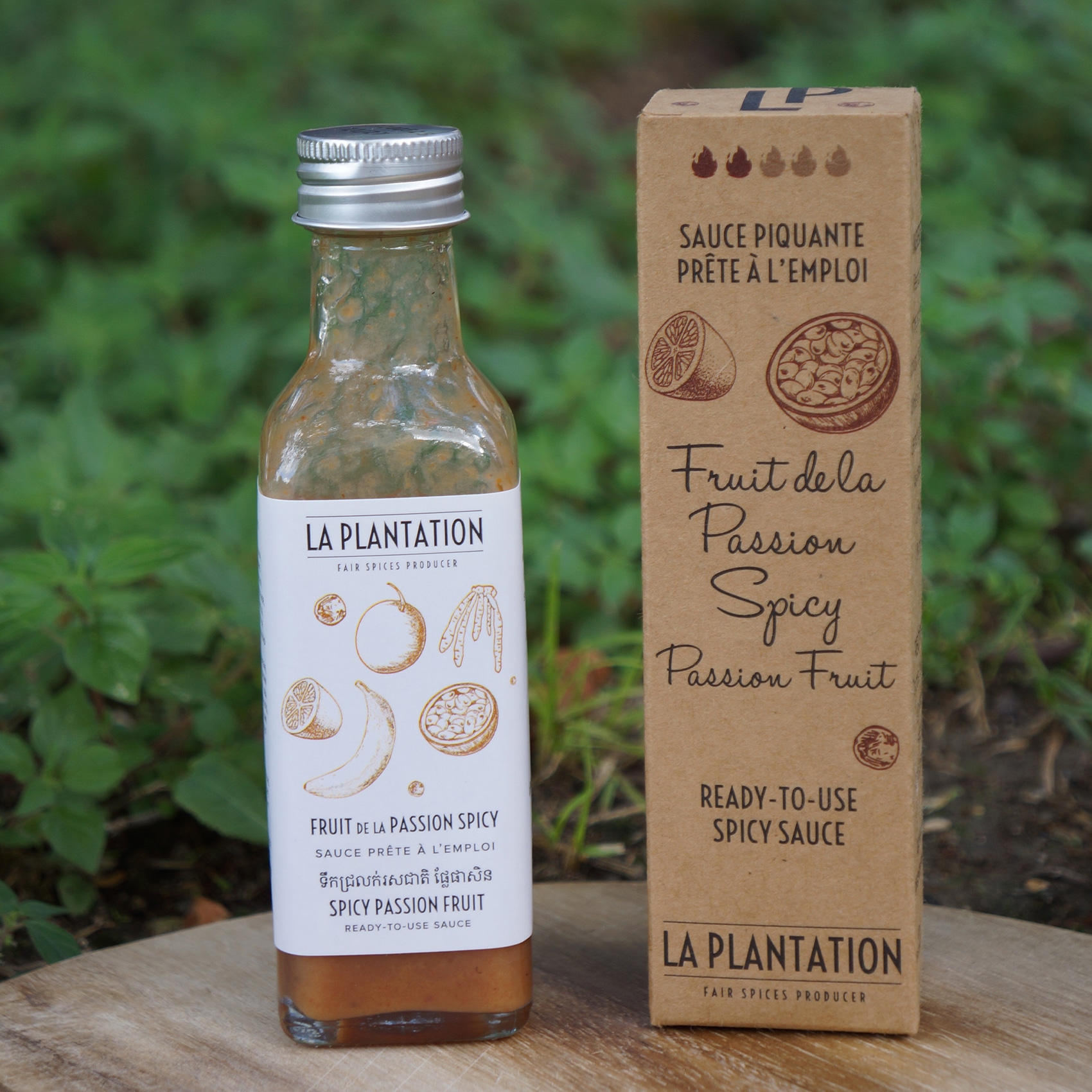
| Passion fruit | Mild chilli, bird’s eye (small amount) | Mild |
| Peaches | Espelette, mild paprika, soft chilli | Mild |
| Strawberry | Mild chilli powder, pink pepper | Very mild |
| Dried mango/dried pineapple | Red Kampot pepper, bird’s eye | Medium to strong |
Recipe Ideas
Four recipes to put the fruit-chilli pairing into practice from raw to roasted.
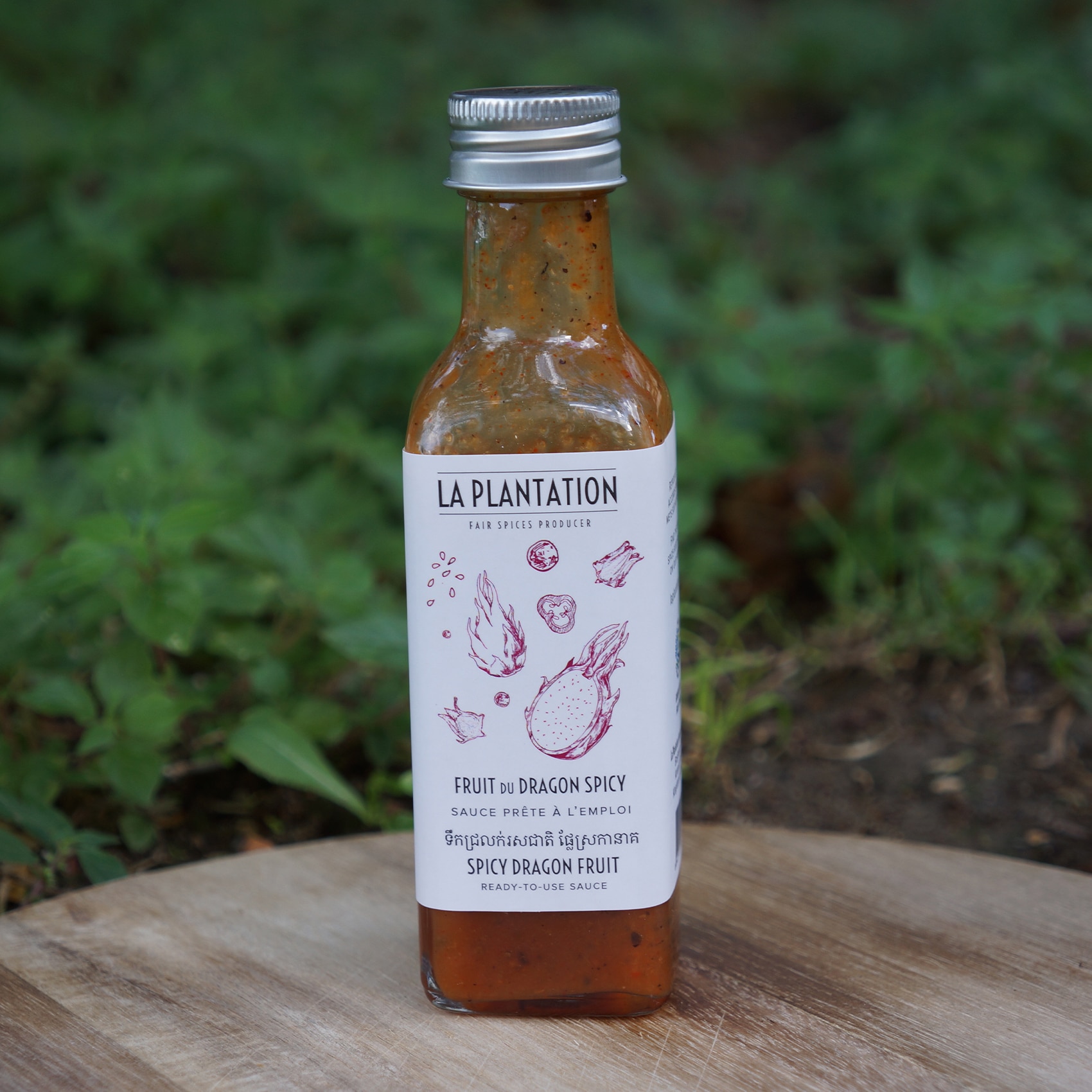
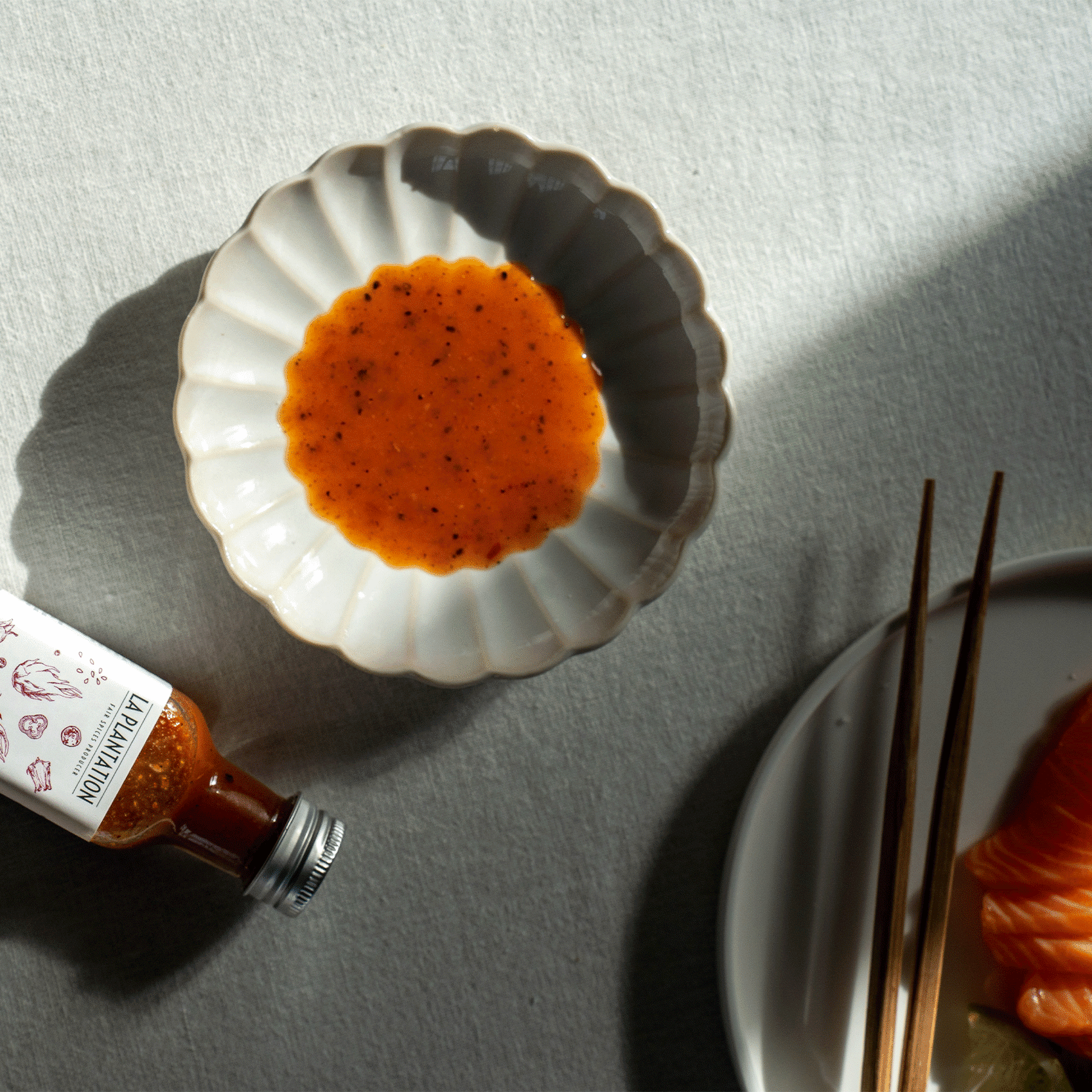
Salmon Sashimi with Spicy Dragon Fruit Sauce
Dragon fruit has a particular texture: its soft, almost sugar-neutral flesh gives full space to the chilli without ever masking the freshness of the raw fish. This is the model of a delicate, precisely calibrated pairing designed not to dominate a product as refined as salmon. Serve well chilled, with just enough sauce to coat each slice lightly.
Spring Rolls with Spicy Passion Fruit Dipping Sauce
Passion fruit brings a vivid acidity — exactly the kind of heat where the intensity rises quickly and falls just as quickly. That speed is an asset here: it lifts the fresh herbs (mint, coriander) and prawns without ever crushing them. The sauce is served separately as a dipping sauce, so each person can control the intensity to their own taste.
Chicken Nuggets with Spicy Mango Sauce
Unlike the first two, this sauce warms slightly on contact with the fried chicken: the sugar in the mango caramelises on the surface and creates a glossy, almost lacquered crust. The effect works just as well on homemade nuggets as on a shop-bought version, a reliable way to turn a quick dish into something more considered.
Roasted Sea Bass with Spicy Pineapple Sauce
The frank acidity of pineapple is a classic pairing for white-fleshed fish, whose flavour stays discreet and needs a clear contrast to come through on the plate. Spoon the sauce generously over the sea bass before roasting: the heat of the oven concentrates the pineapple sugars and deepens the pairing during cooking.
Useful questions and answers on fruits-chilli pairing
Can you cook fruit and chilli together, or is this pairing only for raw preparations?
This pairing works beautifully in cooked dishes. Cooking often reveals new dimensions in the combination. In a chutney, heat concentrates the fruit’s sugars and rounds off the chilli’s intensity. In a spiced jam, the cooking sugar further balances the capsaicin, making the heat more complex and less aggressive than in a fresh sauce.
How do you incorporate the fruit-chilli pairing into a savoury dish?
The best approach is to transform the fruit into a sauce or condiment rather than adding it whole. A purée of mango, pineapple, or passion fruit mixed with a mild or medium chilli (Espelette pepper, jalapeño) creates a base that works equally well alongside grilled fish or white meat. The acidity of the fruit bridges the savoury character of the dish and the heat of the chilli, without either one overwhelming the other.
Does the pairing work with dried fruit too?
Yes, and it is often a revelation. Dried fruits such as dried mango, dried pineapple, dried apricot, have a much higher sugar concentration than their fresh equivalents. They can therefore support proportionally stronger chillies. Our dried mango with red Kampot pepper is a good example: red pepper, softer and fruitier than black pepper, accompanies the concentrated sweetness of the mango without dominating it.


Subscribe to our Newsletter now
Get a free product for your first order!
Donation