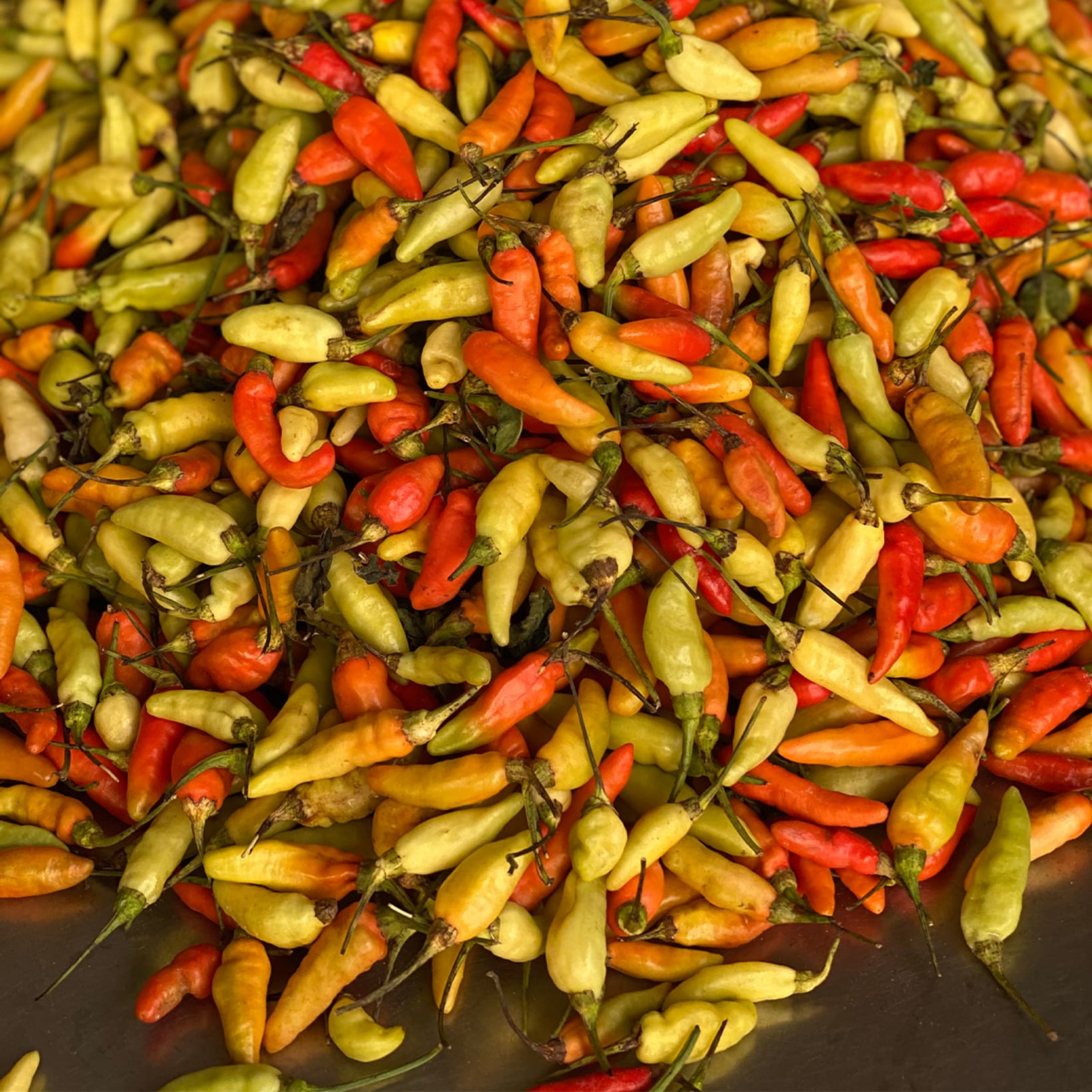
Bird’s eye Chili : Spice of the moment
Product
-
28.02.25
Suggestions
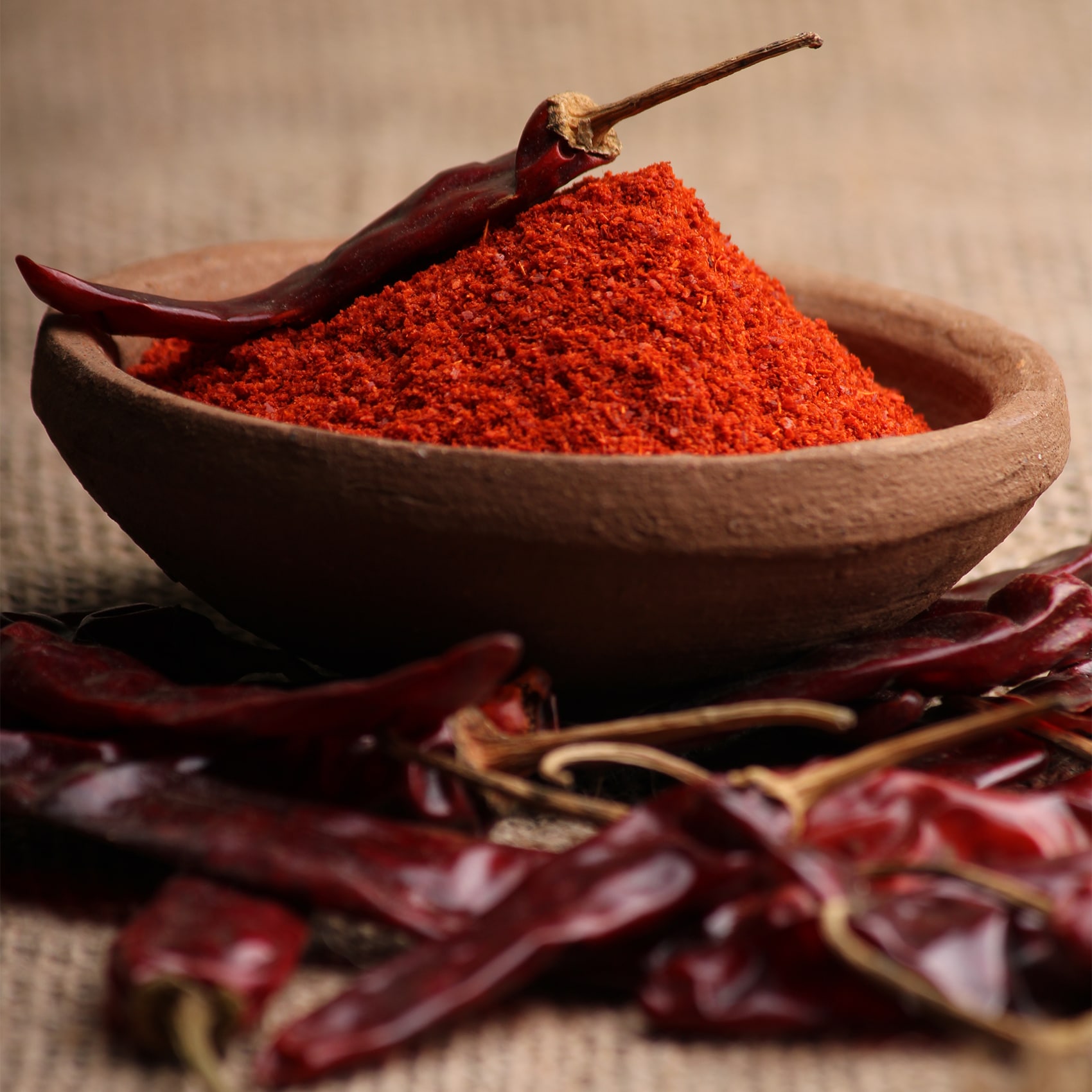
Paprika vs Chilli: What is the real difference?
Sommaire
Is paprika really a chilli?
Paprika and chilli both come from the genus Capsicum, which originates in Central and South America. This family includes more than 4,000 cultivated varieties worldwide, from the sweet bell pepper to the Carolina Reaper.
The distinction between paprika and chilli does not rest on botany. It comes down to four factors:
The cultivated variety: paprika comes from sweet cultivars of Capsicum annuum, selected for their very low capsaicin content.
The stage of harvest: the fruits are picked at full maturity, when their red colour is at its most intense.
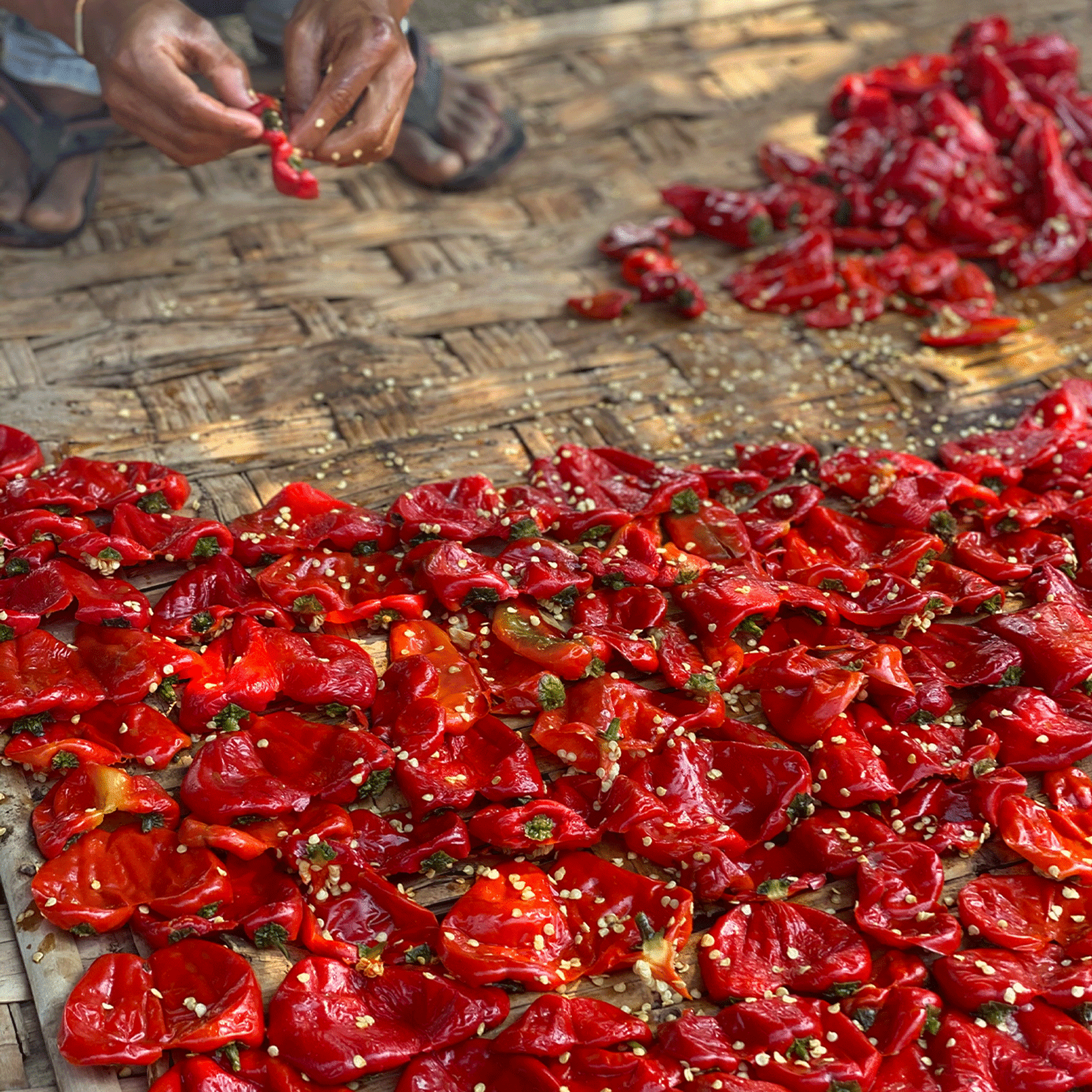
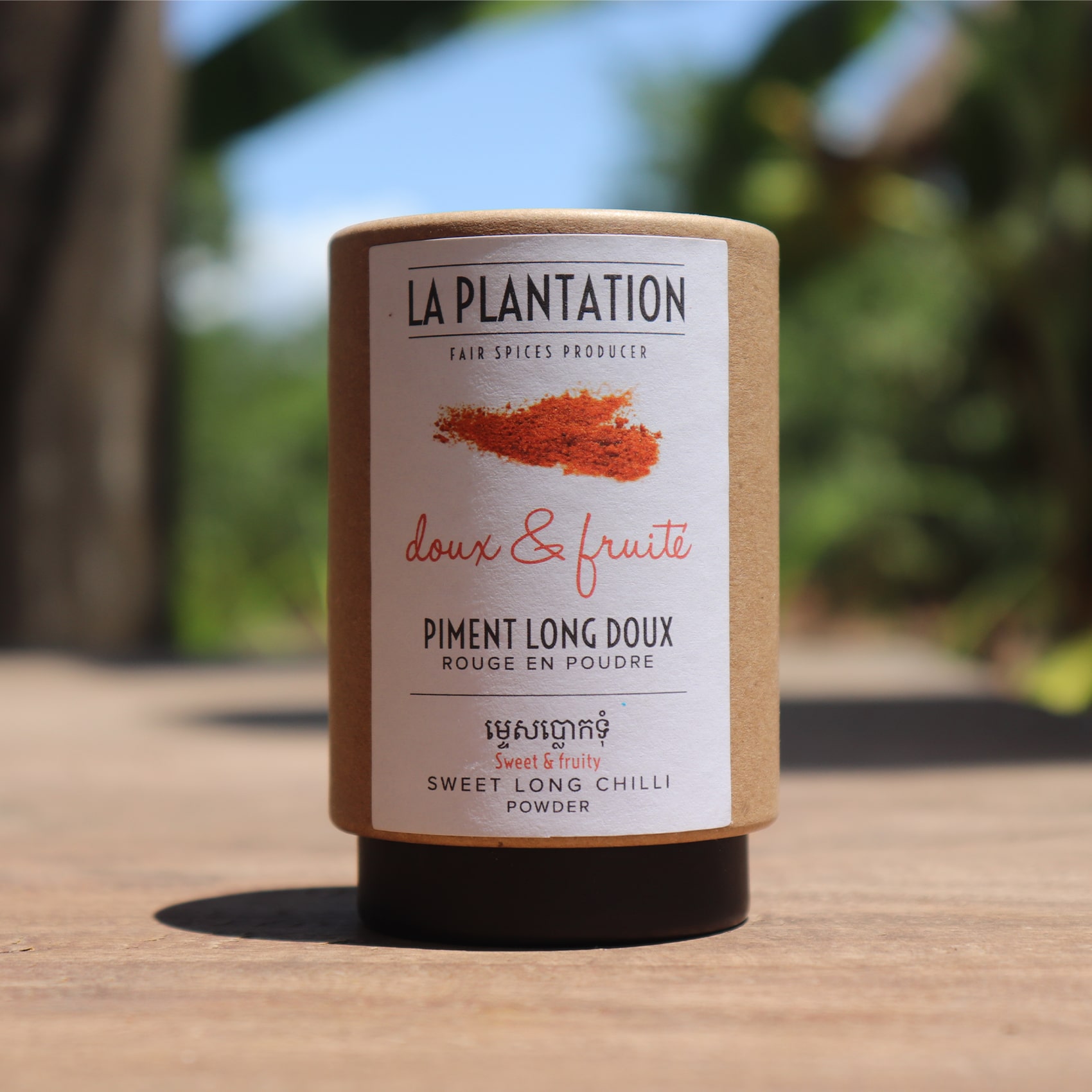
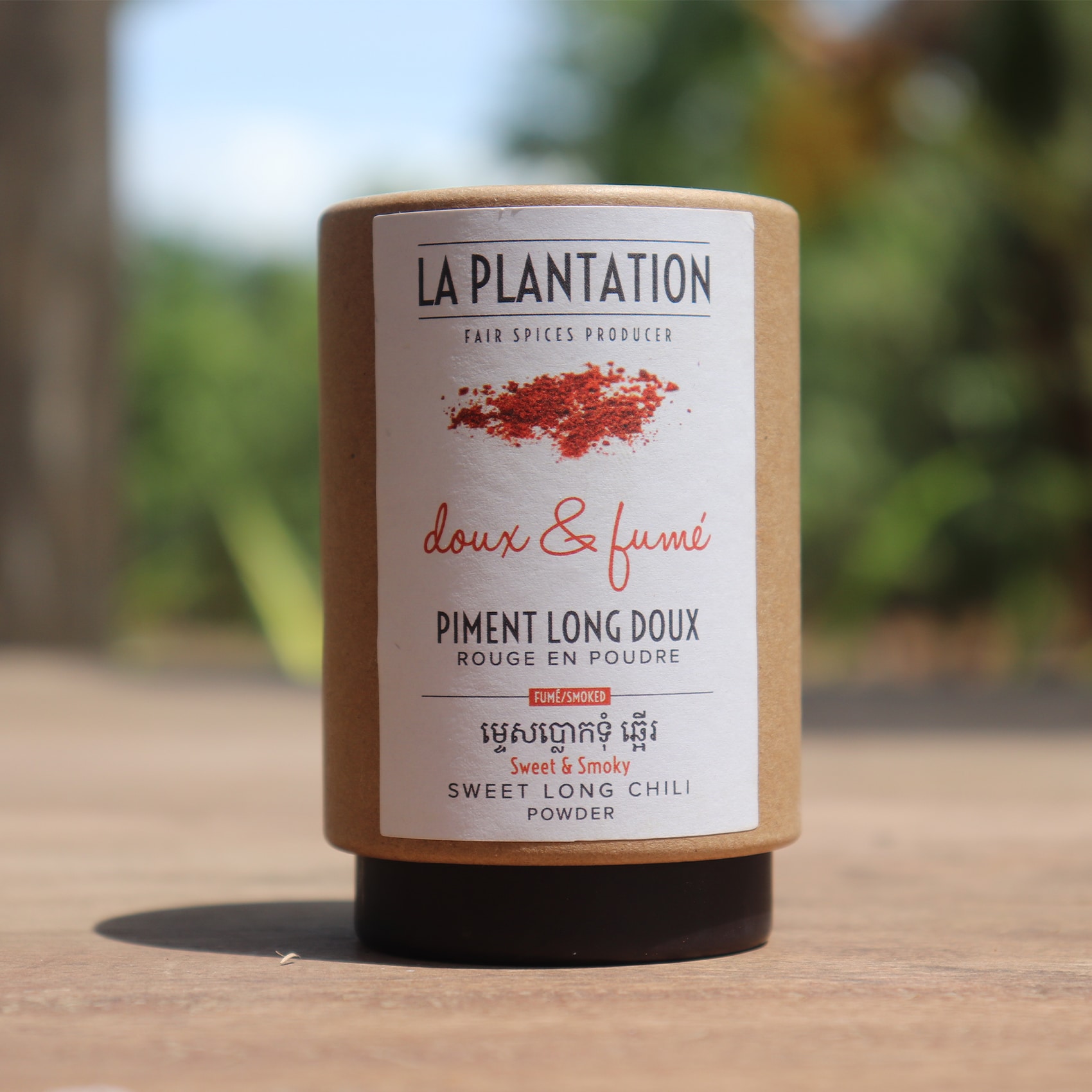
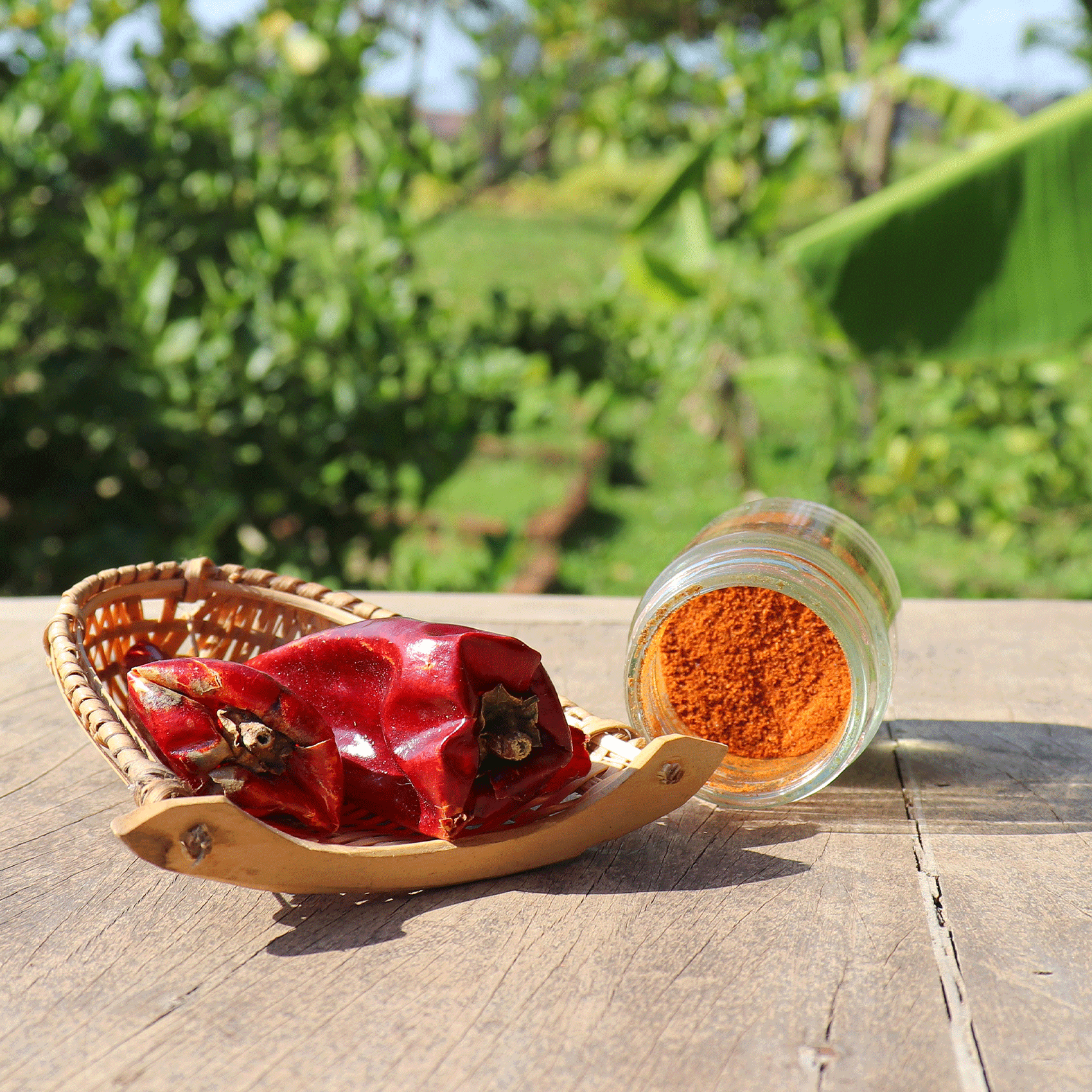
Post-harvest processing: sun-drying or oven-drying, then grinding into a fine powder. Some varieties are then smoked to make smoked paprika.
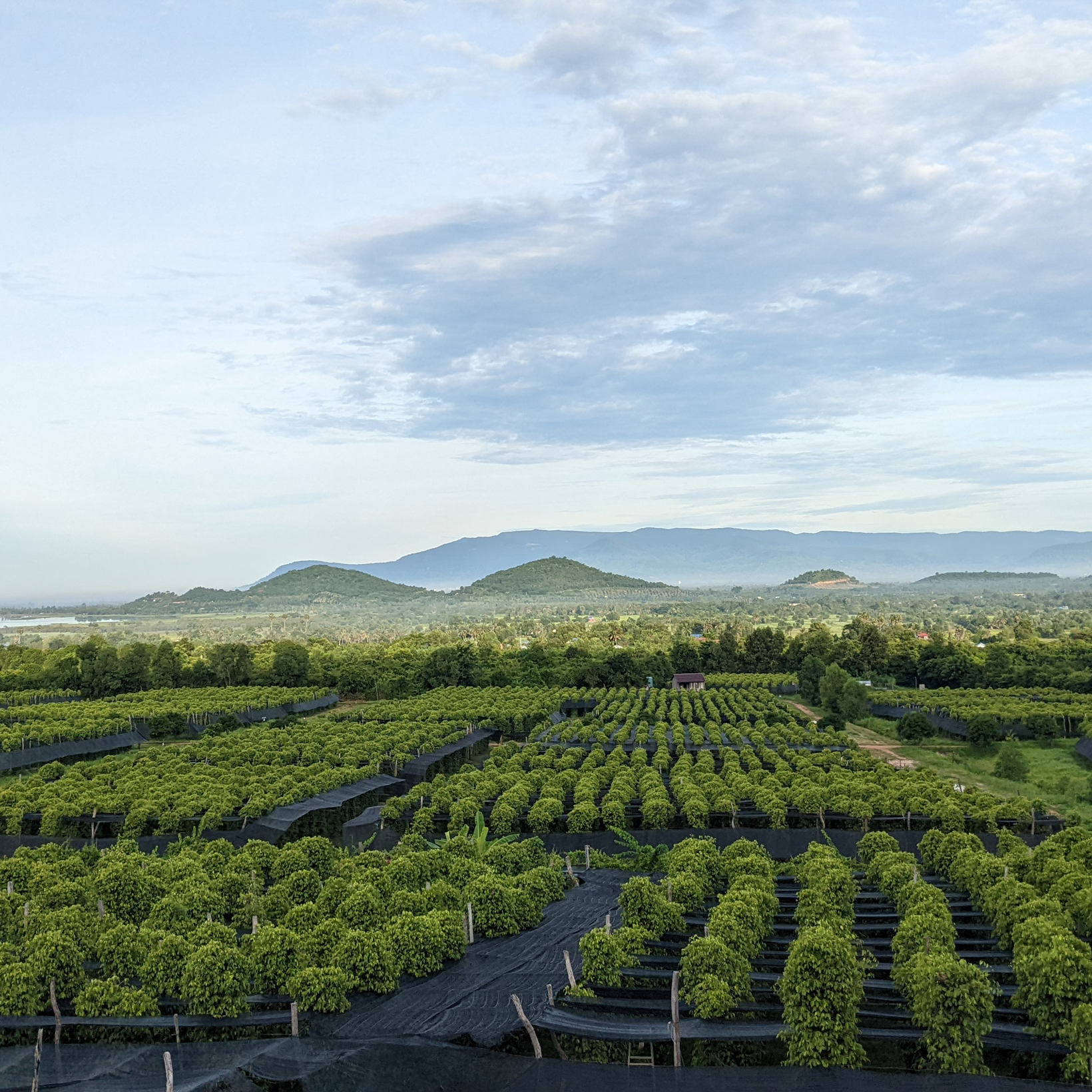
Geographical origin: historically, Hungary and Spain are the two main paprika-producing regions. South-East Asia, particularly Cambodia, is also notable, where Cambodian paprika is grown in ideal conditions of intense sunshine and regular annual rainfall.
Bell pepper belongs to this same family. It is a sweet Capsicum, grown as a fresh vegetable. Paprika is closely related: it is a sweet pepper transformed into a spice through drying and grinding.
The word paprika comes from Hungarian and literally means “pepper”. In Hungary, it refers to the powder obtained from sweet or moderately spiced cultivars of Capsicum annuum, grown in the Carpathian basin since the 16th century.
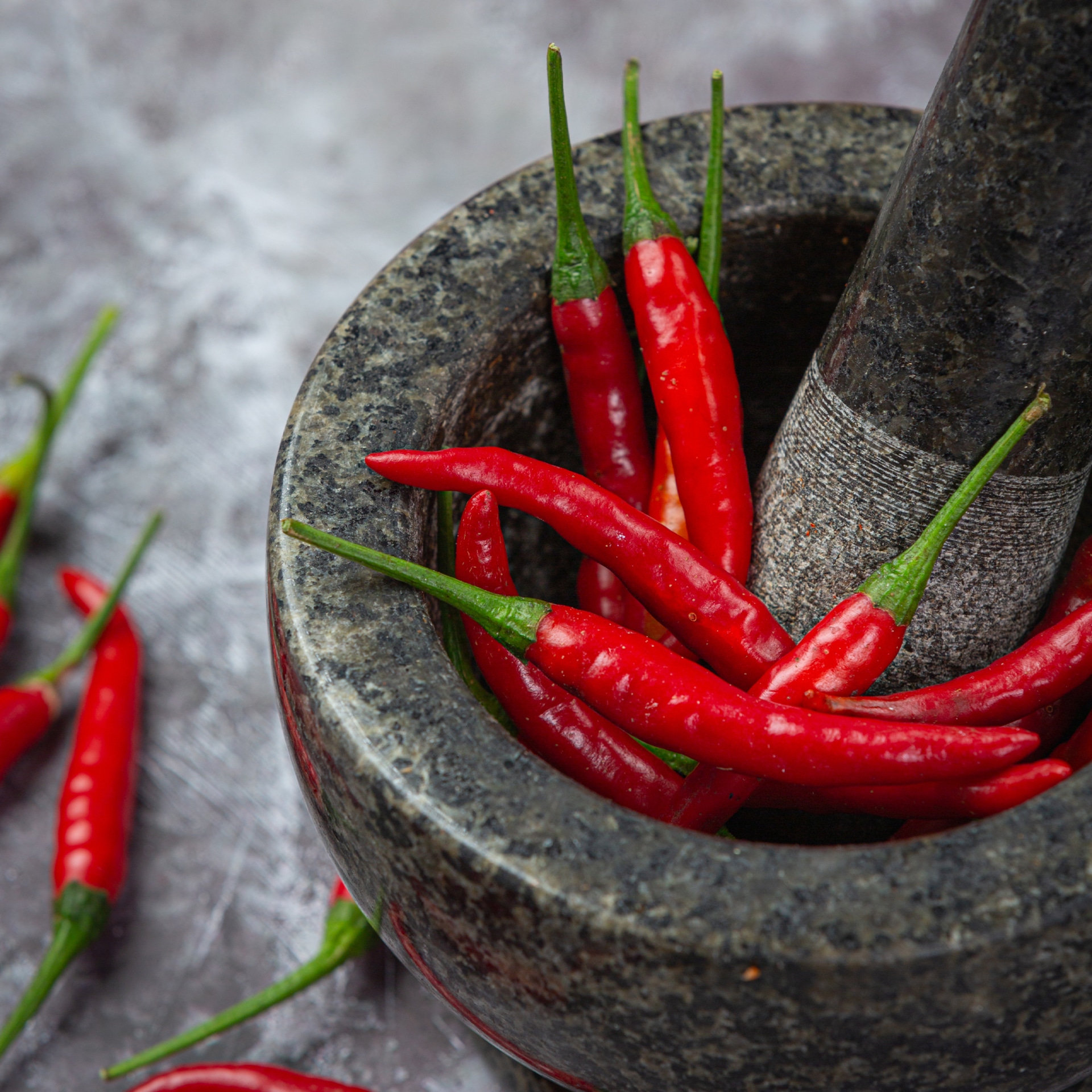
In English, the word chilli tends to refer to the hotter varieties, cayenne, bird’s eye, habanero, jalapeño, originating mainly from Central America, South-East Asia, and the Caribbean.
The distinction is above all cultural and culinary, not strictly botanical. Paprika is a dried and ground sweet chilli. Chilli, in common usage, refers to the hot and pungent varieties.
What is the real difference in heat between paprika and chilli?
Capsaicin is the chemical compound that causes the burning sensation in the mouth. It concentrates mainly in the internal membranes of the fruit, the placenta, not in the seeds, contrary to popular belief.
The heat level is measured on the Scoville Scale (SHU, Scoville Heat Units), developed by the American pharmacologist Wilbur Scoville in 1912. The higher the capsaicin concentration, the higher the Scoville value.
Sweet paprika contains between 0 and 500 SHU. Cayenne pepper reaches 30,000 to 50,000 SHU. The ratio is 1 to 100, a considerable gap that makes direct substitution at equal doses simply not possible.
| Spice | Capsaicin content | Scoville scale (SHU) | Flavour profile |
|---|---|---|---|
| Sweet paprika | Very low | 0 to 500 | Soft, lightly sweet |
| Smoked paprika | Very low | 0 to 500 | Smoky, woody, no heat |
| Hot paprika | Low | 500 to 1,000 | Lightly spiced |
| Espelette pepper (PDO) | Low to medium | 1,500 to 2,500 | Fruity, gentle warmth |
| Bird’s eye chilli | High | 50,000 to 100,000 | Intense heat |
| Cayenne pepper | High | 30,000 to 50,000 | Dry, direct heat |
How to use paprika and chilli in the kitchen
Paprika is above all a natural colourant and a gentle flavour enhancer. Its primary role in the kitchen: to bring an intense red-orange tint and a lightly sweet note, without altering the heat level of the dish.
A few classic uses of paprika in cooking:
Infused in fat at the start of cooking: paprika releases its pigments (carotenoids) and aromas into oil or butter. This is the foundation of Hungarian goulash, paprika chicken, and many Mediterranean sauces.
As a finishing seasoning: dusted over eggs, roasted potatoes, hummus, or a salad.
In dry marinades: combined with garlic, cumin, and olive oil to coat meats and vegetables before cooking.
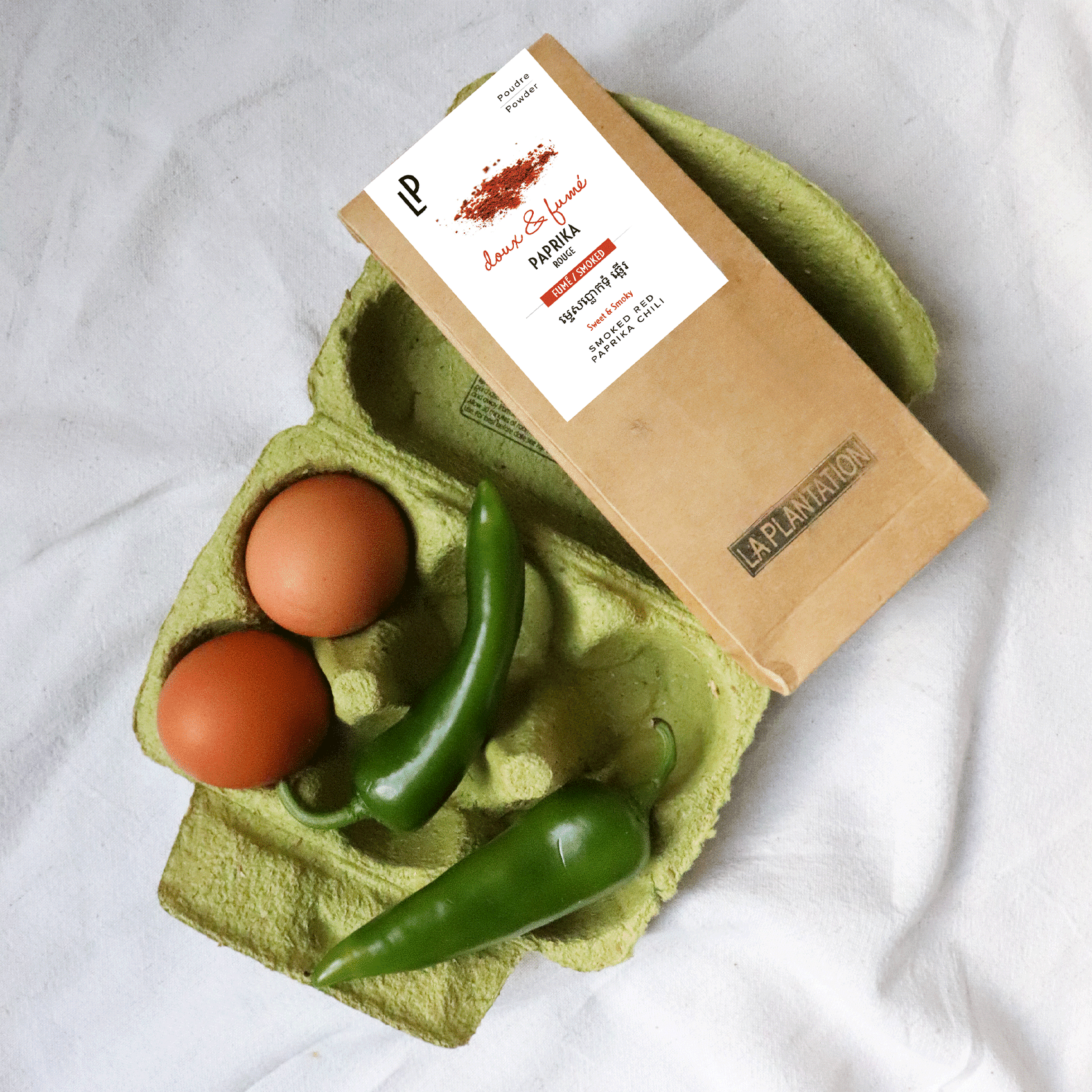
Smoked paprika (called pimentón in Spain) adds a woody, ember-like note that works beautifully in oven dishes, grilled preparations, and tomato-based recipes. It contains no additional heat.
Chilli is used to control the heat in a dish, that is, the burning sensation in the mouth. Its intensity varies depending on the variety, the form (powder, flakes, whole), and the moment it is added during cooking.
Two rules to remember:
Chilli flakes diffuse their heat gradually and progressively. They suit long cooking, stews and simmered sauces.
Ground chilli powder (cayenne, ground bird’s eye) acts more quickly. It is best added at the end of cooking or as a finishing touch, to control the intensity with precision.
Chilli is present in cuisines around the world: Indian and Thai curries, Mexican sauces, Korean kimchi, Sichuan dishes. Each culinary tradition uses specific varieties, selected for the aromatic profile they bring.
Yes, but the result will always be different. Here are the two scenarios:
Replacing paprika with chilli: this is possible by choosing a mild variety such as Espelette pepper and dividing the quantity by three or four. The characteristic vivid red colour and sweet softness of paprika will be lost in the process.
Replacing chilli with paprika: this works for colour and a gentle aromatic base, but without any heat at all. To compensate, a pinch of black pepper or Kampot pepper can be added, both bring a different kind of warmth (piperine rather than capsaicin) and an interesting aromatic complexity.
In both cases, the substitution changes the profile of the dish. Paprika and chilli are complementary, rarely interchangeable at an equivalent dose.
FAQ
Not in its standard form. Sweet paprika and smoked paprika contain very little capsaicin, their heat level is virtually zero. Hot paprika varieties exist and are lightly spiced, but they remain far below the intensity of a bird’s eye chilli or cayenne pepper.
Yes, but the result will be very different. Paprika brings colour and a soft flavour. Chilli brings heat. Substituting paprika with an equal quantity of chilli will make the dish far too spicy. Using a mild chilli such as Espelette pepper in a very small quantity is the closest substitution available.
All three come from the same Capsicum annuum. Sweet paprika is dried and ground without smoking, it has a lightly sweet, colouring flavour. Smoked paprika is subjected to a smoking process after drying, it develops woody, ember-like notes with no additional heat. Hot paprika contains a slightly higher proportion of capsaicin, it is lightly spiced, but remains well below the threshold of hot chillies.
Botanically, yes. Bell pepper belongs to the Capsicum genus. But it has been selectively cultivated to contain virtually no capsaicin, its heat level is zero. That is why it is treated as a vegetable in cooking rather than as a spice.

Subscribe to our Newsletter now
Get a free product for your first order!
Donation