Complete Guide: How to pair Spices in cooking
Our Tips
-
18.04.25
Suggestions
Which spices work best with pasta? The complete guide
Sommaire
Key takeways:
|
Pasta is the ultimate everyday dish. We cook it without thinking too hard about it: a little salt in the water, a sauce, some Parmesan. The result is often decent. Rarely memorable.
Yet a few well-chosen spices change everything. Freshly cracked pepper, a pinch of chilli infused in hot oil, a little kaffir lime zest added at the moment of plating and the dish takes on an entirely different dimension.
Why seasoning your pasta well makes all the differenceN
The strength of pasta lies in its neutrality. Flour and water form no dominant aroma. Unlike meat or fish, which impose their own flavour profile, pasta steps back and lets spices and herbs express themselves fully. It is an open invitation to cook with more confidence and creativity.
Spices need a fat to release their aromas. Olive oil, butter, and cream do not just bind the sauce, they carry the aromatic molecules and distribute them throughout the dish.
The right reflex: infuse your spices in hot fat before incorporating the pasta. Thirty seconds is enough for garlic, chilli, or pepper to express their full power. It is often this single step, more than the quality of the spices themselves, that makes the real difference.
Always reserve a cup of pasta cooking water before draining. Rich in starch, it binds the sauce, fixes the aromas, and loosens a preparation that is too thick without diluting it. This habit, systematic in Italian kitchens, immediately improves the final texture of any pasta dish.
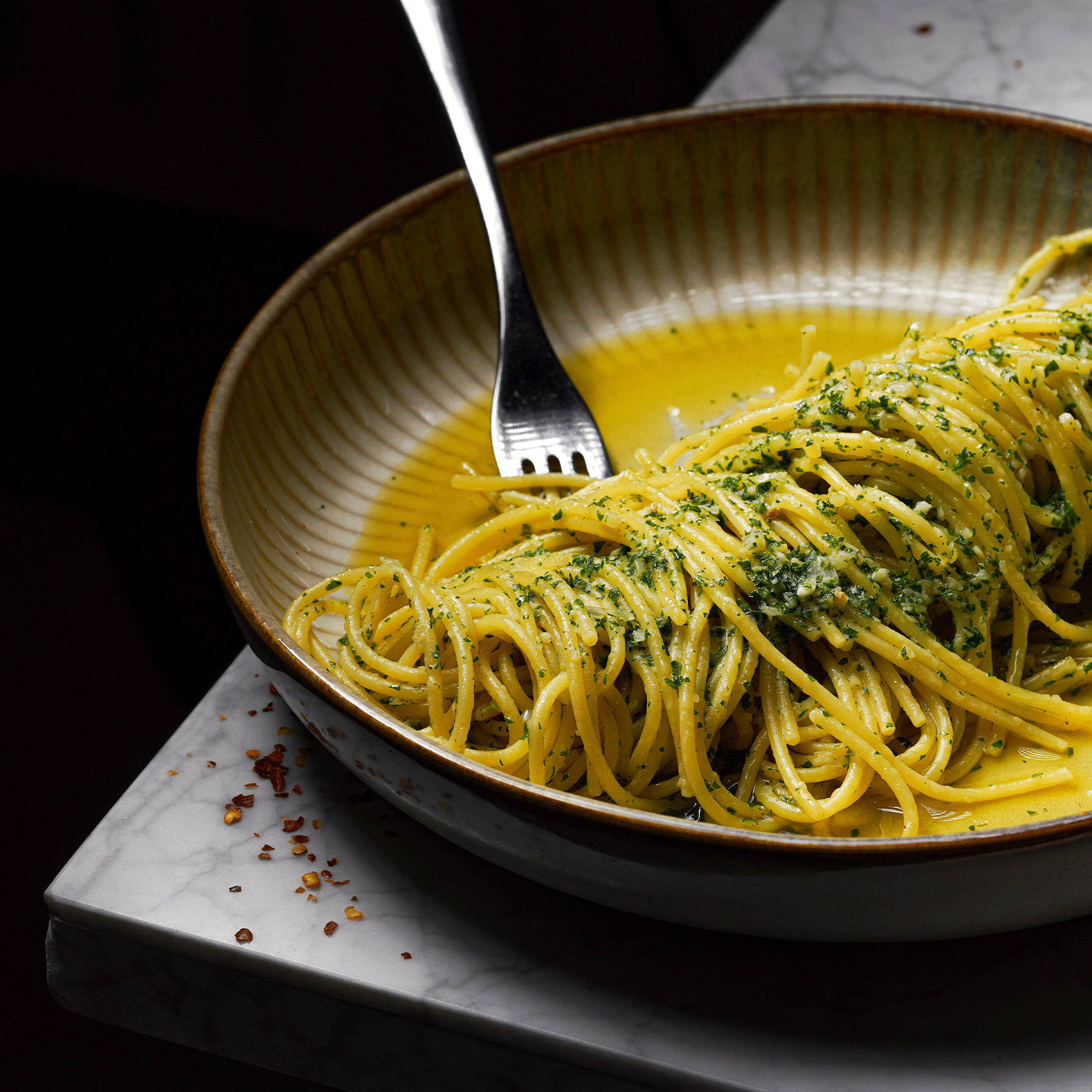
The essential spices for great pasta
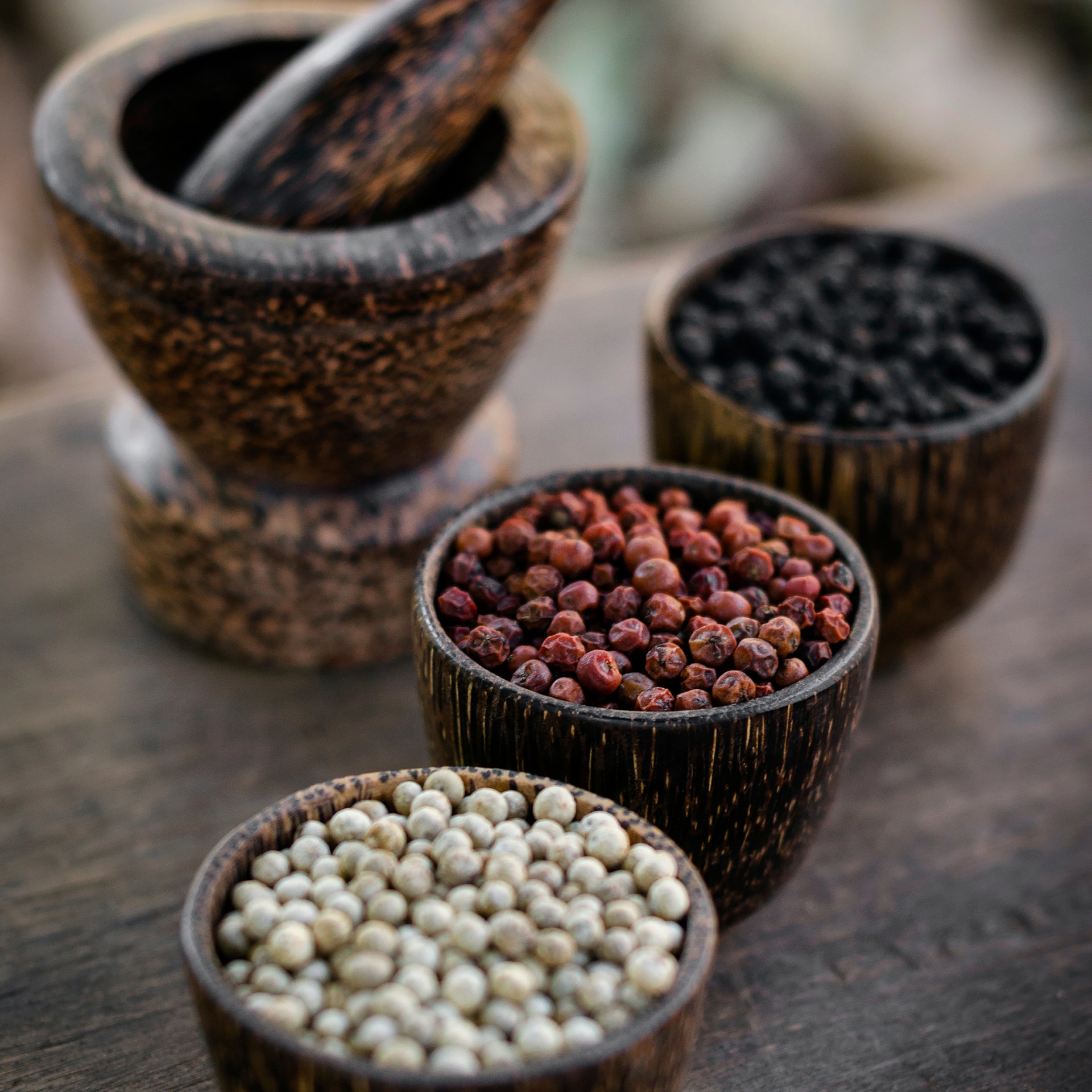
Pepper is the one truly universal spice for pasta. But not all peppers are equal and not all of them suit the same dishes.
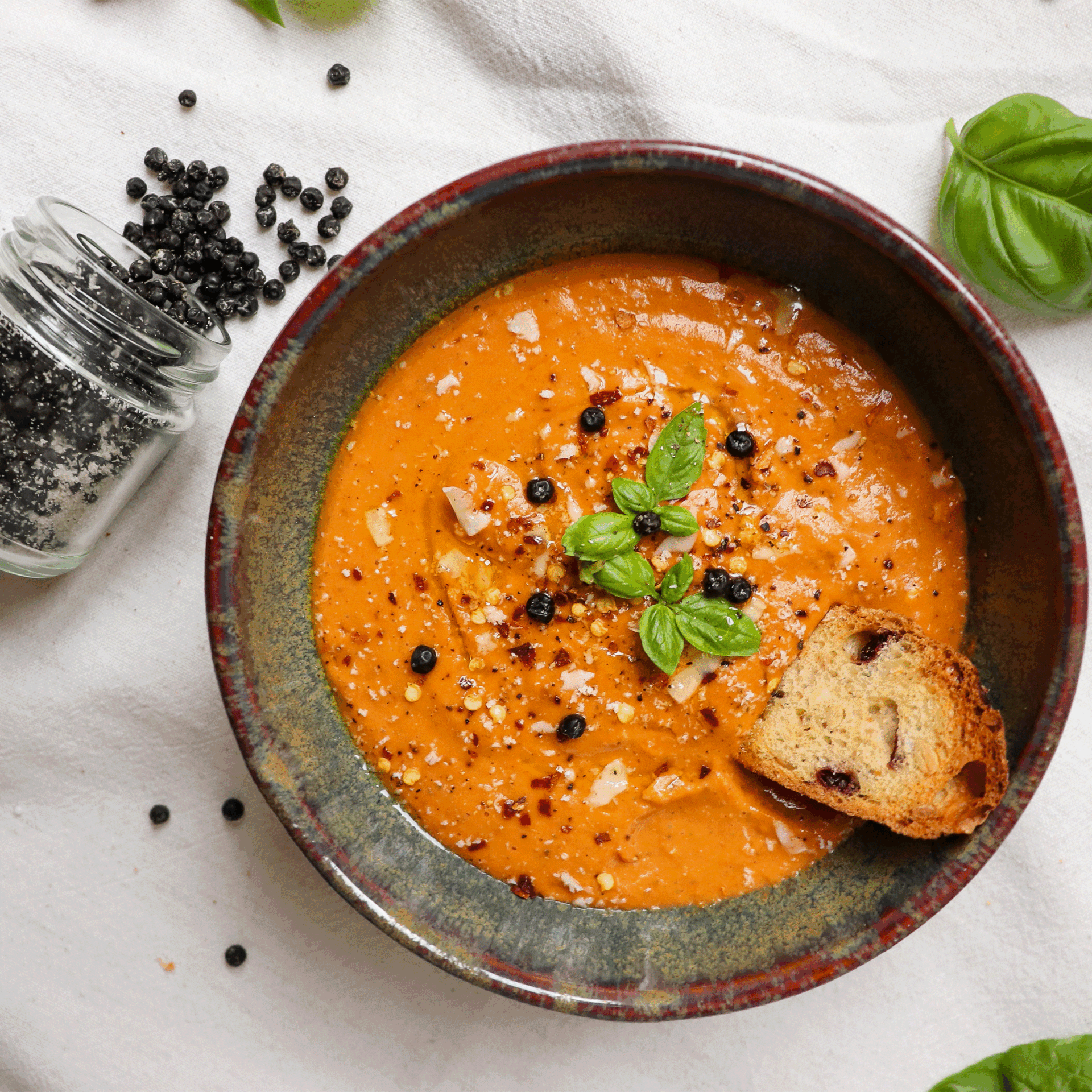
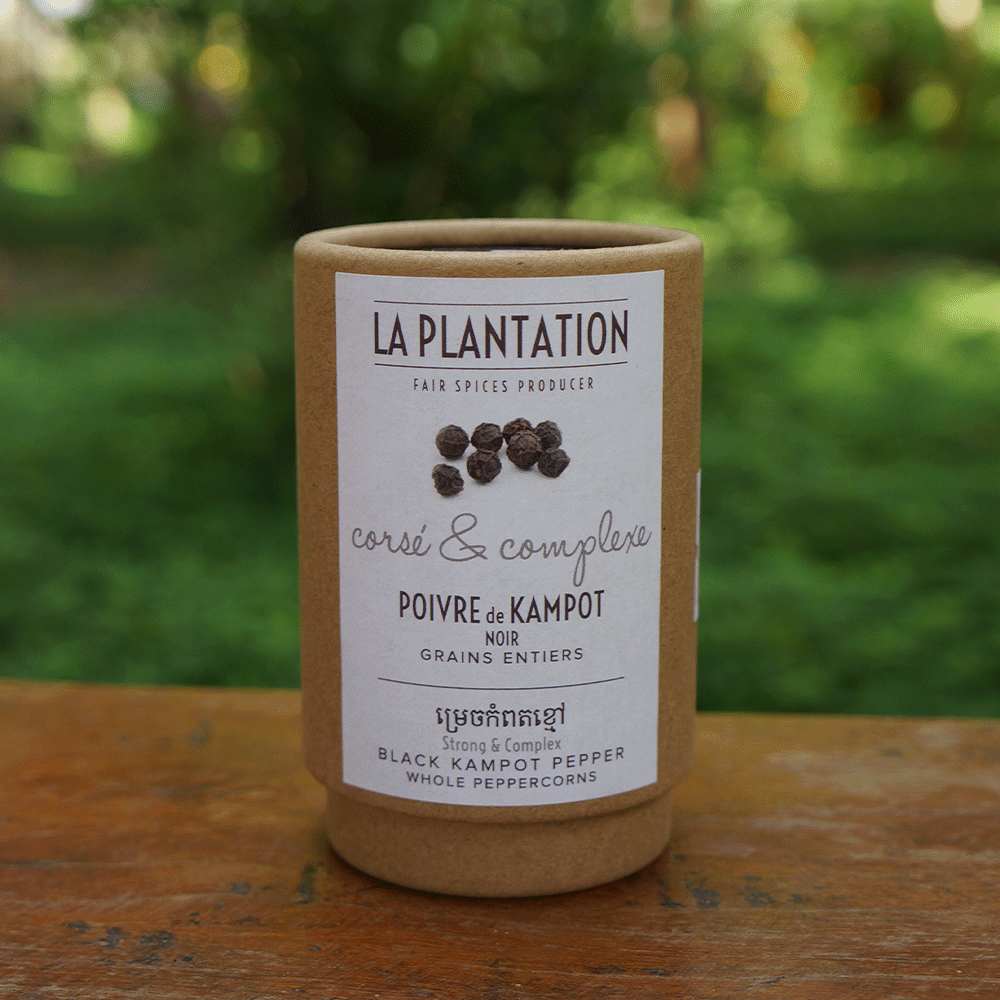
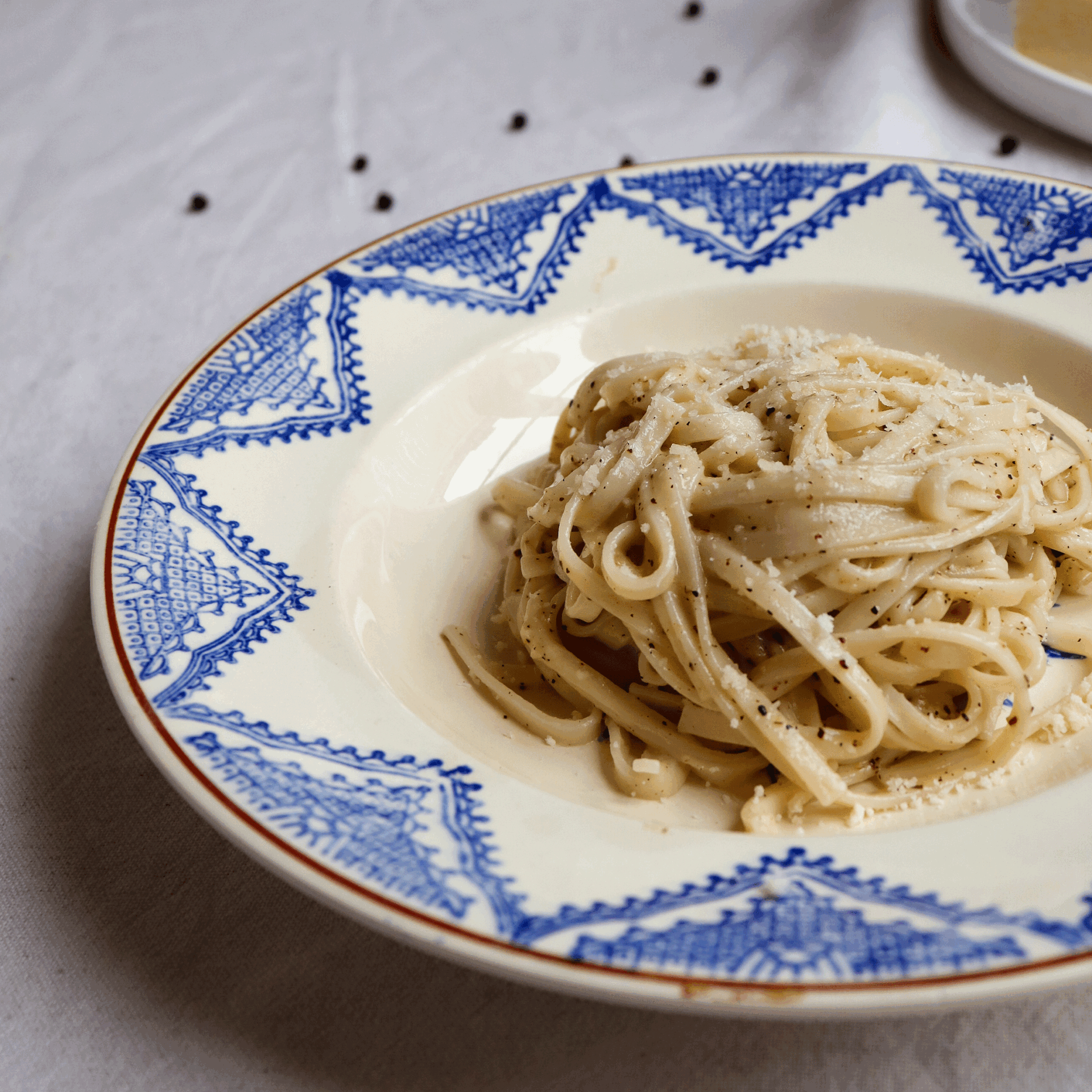
Black pepper is the essential starting point. Pungent and woody, with its characteristic mentholated notes, it is indispensable in creamy sauces and carbonara. It is also the central ingredient in cacio e pepe, the iconic Roman dish where pepper is no longer just a seasoning but a full ingredient in its own right.
White pepper is softer and less visually present. Its delicate floral notes make it the ideal companion for light sauces and dishes based on fish or seafood situations where black pepper would overpower the flavours rather than reveal them.
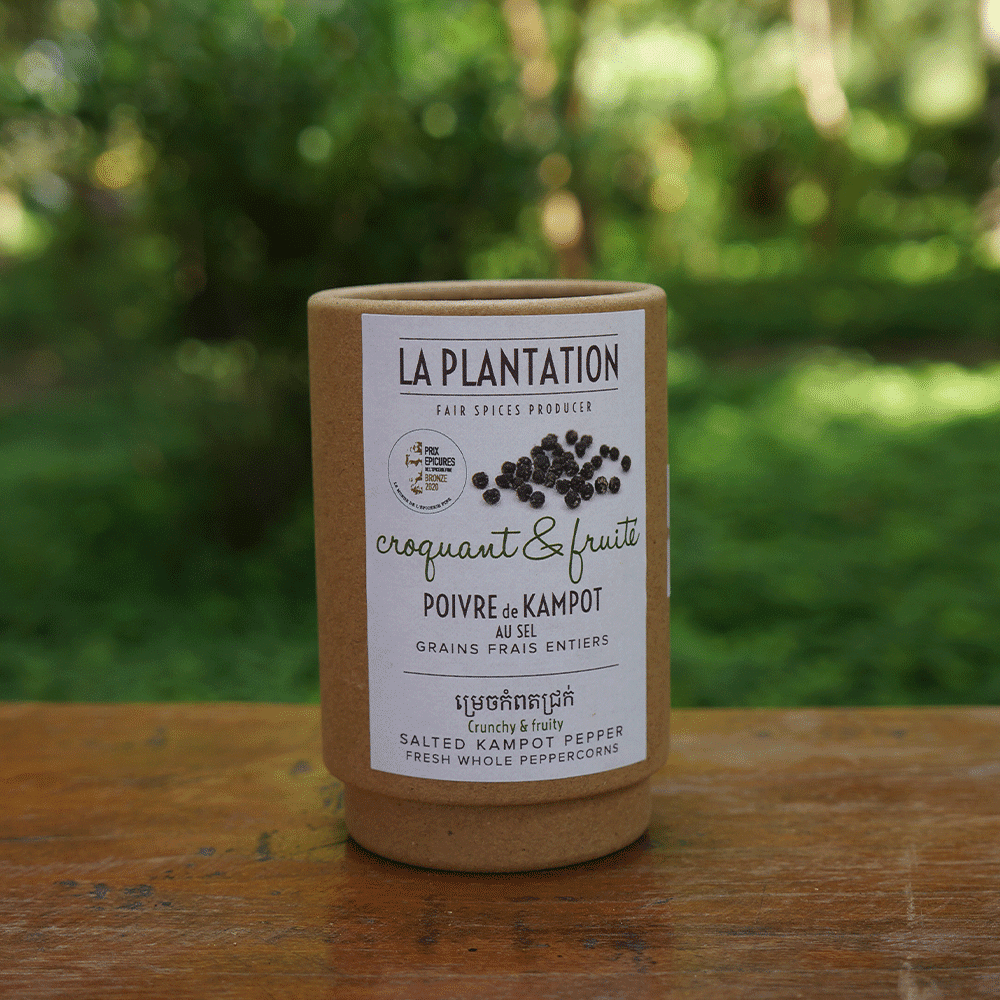
Salt fresh pepper works differently. This is a pepper fermented in salt, added whole directly to the plate at the moment of serving. It brings both salt and pepper in a single ingredient, with an aromatic freshness that no dried pepper can replicate. A few grains on simple olive oil pasta are enough to completely transform the dish.
| The advice that applies to all of them: grind or crack your pepper at the very last moment. Pre-ground pepper loses its volatile aromas within a few hours. This is often where the real difference is made. |
Garlic is the starting point for almost every great pasta recipe. Its profile is powerful, warm, and long-lasting. But the way it is prepared changes the result completely.
Fresh and chopped, it is sharp and direct, which is perfect for an aglio e olio or an arrabbiata. As a powder, it is more subtle and blends evenly into sauces. Confit, it loses its sharpness entirely and becomes soft and almost creamy, ideal for coating pasta without overwhelming the palate.
Three preparations, three results, one ingredient. Mastering garlic is already mastering a large part of pasta cooking.
Heat contrasts with the neutrality of pasta and lifts sauces that are too mild. That is the role of chilli provided you choose the right intensity.
Espelette pepper is mild and fruity, ideal for those who want warmth without excess. Dried red chilli flakes deliver a direct and clear intensity, perfect in an arrabbiata or pasta with prawns. Cayenne pepper is the most powerful of the three: use it with care, as even a small amount immediately wakes up any tomato sauce.
The essential rule: always add chilli at the end of cooking. Prolonged heat amplifies the heat level, and a dish that is too spicy cannot be corrected.
Nutmeg is the invisible spice of great creamy sauces. You do not notice it distinctly in the dish and yet it is there: it deepens, rounds off, and binds. Its warm, lightly woody and smooth profile enhances béchamels and cheese sauces without ever drawing attention to itself.
Indispensable in pasta gratin, alfredo sauce, or lasagne, it plays the role of a discreet flavour enhancer. A few gratings are enough. Nutmeg is powerful and can easily dominate if overdone.
Smoked paprika adds both colour and aromatic depth at the same time. Sweet paprika brings a gentle warmth and a beautiful golden tint. Smoked paprika goes further: its charred note integrates perfectly into pasta dishes with sausage or roasted vegetables, and gives a classic tomato sauce a very effective additional dimension.
Add it to hot oil at the start of cooking to activate its aromas. It works particularly well on chicken pasta, seasonal vegetable pasta, and any tomato-based sauce that needs enriching.
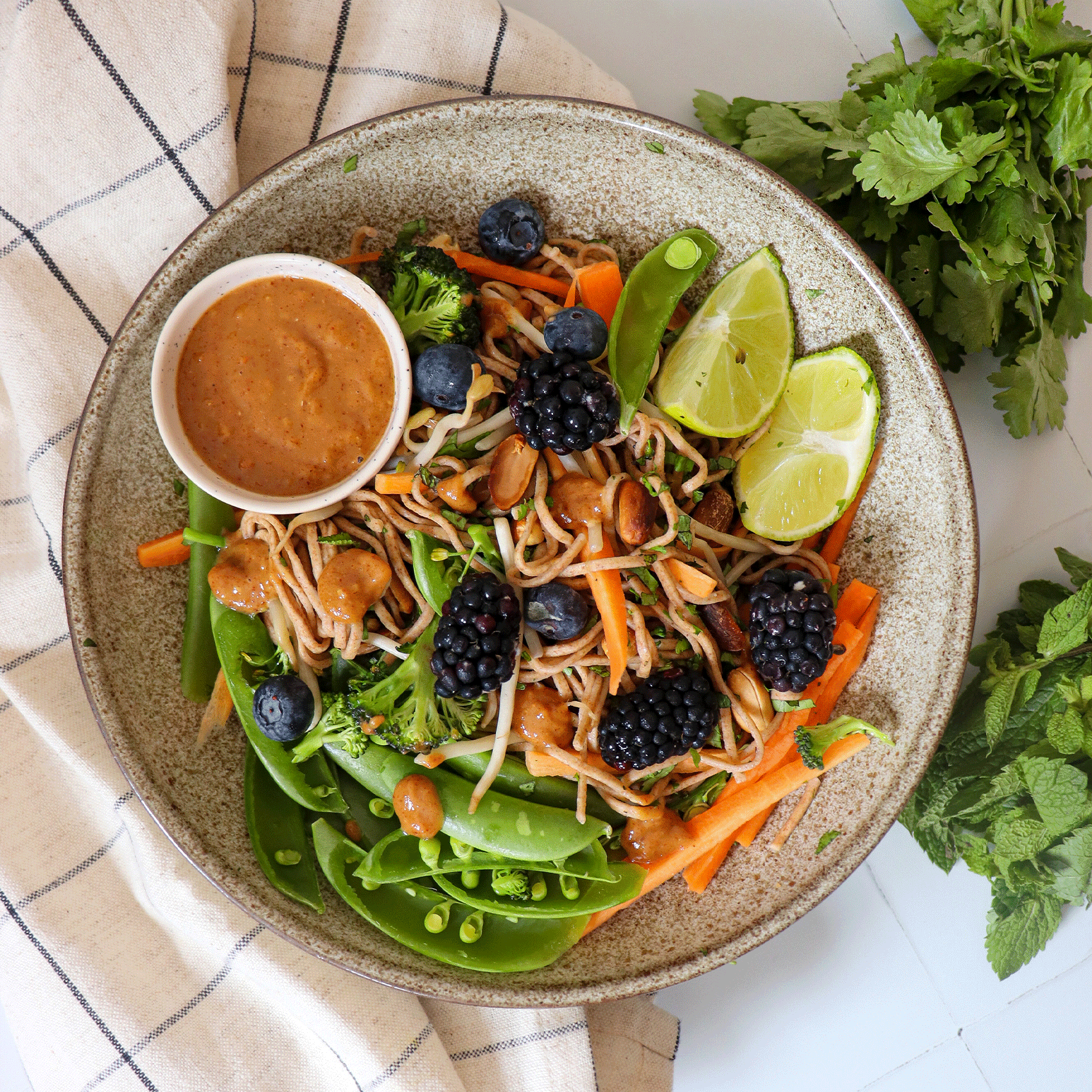
The indispensable herbs for pasta
Basil is the essential herb in pasta cooking. Its aromatic profile is fresh, lightly anise-like, and floral. It illuminates tomato sauces and summer preparations without ever weighing the dish down.
In a homemade pesto, fresh tomato pasta, or a pasta alla caprese, it is irreplaceable. No other herb gives summer dishes that characteristic lightness.
| The golden rule: always add basil off the heat. A few seconds of heat are enough to destroy its volatile aromas. Place it directly on the plate or into the sauce once it has been removed from the heat, just before serving. |
Oregano is warm, lightly bitter, earthy, and woody. Unlike basil, it holds up well to heat and can be added directly during cooking into a simmering tomato sauce or a baked dish.
It is the herb that gives arrabbiata pasta and long-cooked tomato sauces their unmistakably Mediterranean character.
A word of caution on quantity: dried oregano is far more concentrated than fresh oregano. A single pinch is often enough where you might be tempted to use three. It is better to adjust at the end of cooking according to your taste.
Flat-leaf parsley is the most versatile herb in the repertoire. Herbaceous, lightly peppery, and very fresh, it brings vibrancy without ever dominating the other flavours. It is a natural fit on seafood pasta, spaghetti aglio e olio, or buttered pasta.
The right gesture: chop it finely and add it as a finishing touch, just before serving. Like basil, its freshness evaporates with heat.
These are the herbs you do not expect on pasta and that create the most surprising results.
Tarragon, with its delicate anise note, pairs perfectly with cream sauces and chicken pasta. It brings an aromatic subtlety that neither basil nor oregano can offer in that context.
Chives, fresh and lightly garlicky, are a natural fit on egg pasta or fresh cheese pasta. They replace garlic to great effect in preparations where you want an allium note without too much power.
Both herbs are rarely used in this context. That is precisely what makes them interesting for surprising your guests.
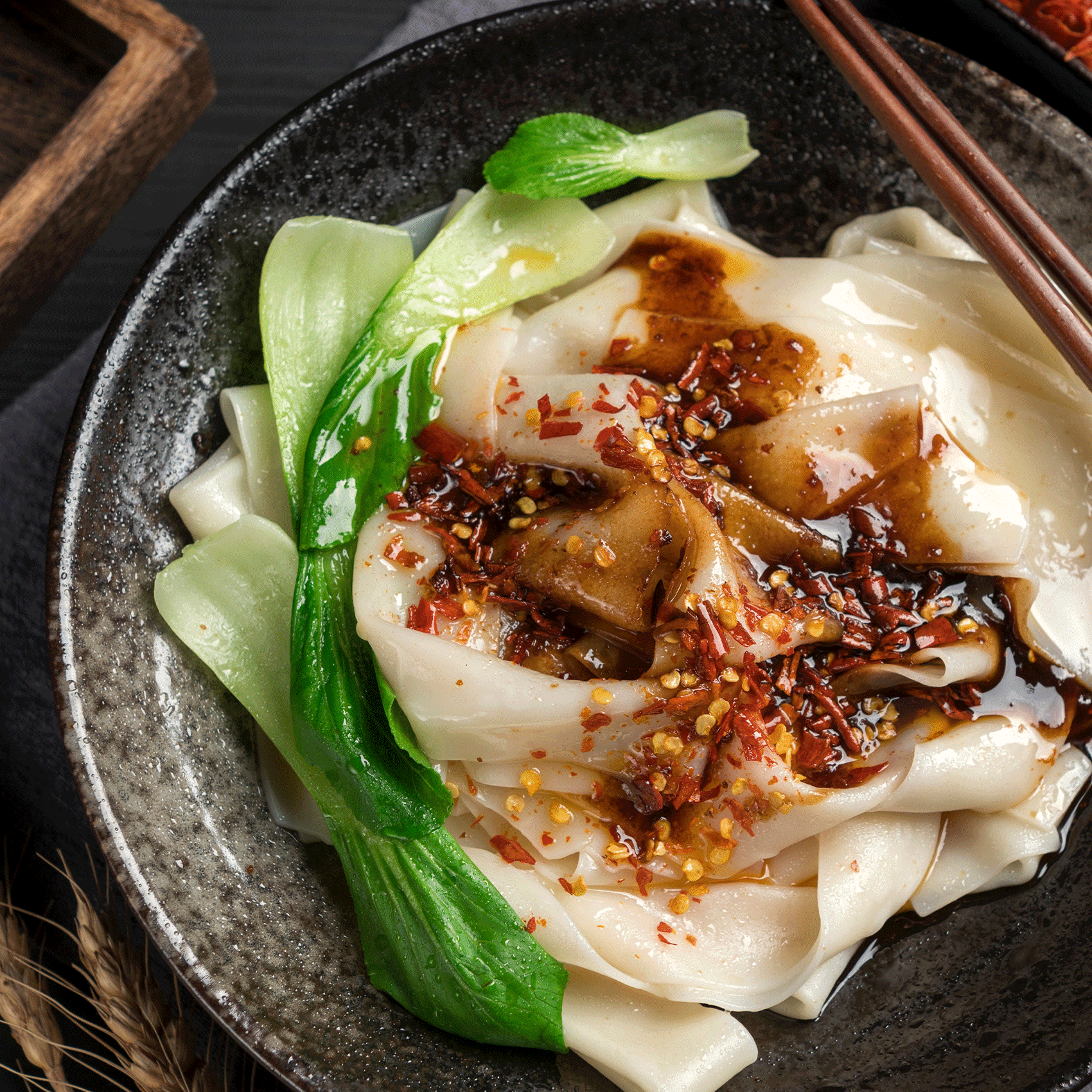
Spice blends and winning combinations for pasta
Seasoning pasta well also means knowing how to combine spices together. Here are four ready-to-use combinations, from the timeless classic to the more unexpected pairing.
Basil, oregano, garlic, black pepper, and olive oil. This is the reference combination the one that works every single time.
Garlic infuses in hot oil, pepper is ground at the last moment, basil arrives off the heat. Three simple steps, an impeccable result. This blend suits plain pasta or a basic tomato sauce perfectly. It is the ideal combination for cooking quickly and well, without ever disappointing.
Lemon zest, flat-leaf parsley, white pepper, and olive oil. A light and summery combination, perfect for cold pasta or pasta salads. White pepper stays discreet and leaves all the room to the lemon and parsley.
The key gesture: grate the zest directly over the pasta while it is still hot to release the citrus essential oils at the right moment. Once the pasta is cold, the aroma expresses itself far less effectively.
Chilli, smoked paprika, garlic, and thyme. For generous, comforting pasta to bring out as soon as the temperatures drop. Activate the spices in hot oil at the start of cooking. Smoked paprika brings the depth, chilli brings the heat, and thyme provides the aromatic structure.
Turmeric, ginger, cumin, and lemon. An original and accessible way to step outside the familiar with pasta. Turmeric adds colour, ginger brings energy, cumin installs a gentle earthy warmth, and lemon balances everything with a touch of acidity. This blend works particularly well on cold pasta salads or fusion dishes.
| Combination | Spices & herbs | Ideal dish | When to add | Key tip |
|---|---|---|---|---|
| Citrusy & fresh | Kaffir lime zest, flat-leaf parsley, Kampot white pepper, olive oil | Cold pasta, seafood pasta | All as a finish, off the heat | Grate the zest directly over hot pasta |
| Mediterranean classic | Basil, oregano, garlic, Kampot black pepper | Plain pasta, tomato sauce | Garlic in hot oil; basil off the heat | Infuse garlic in oil before adding pasta |
| Warm & wintry | Smoked chilli, smoked paprika, garlic, thyme | Meat pasta, mushrooms, sausage | Spices in fat at the start of cooking | Add chilli gradually |
| Eastern-inspired | Young ginger, cardamom, kaffir lime, Mondolkiri pepper | Prawn pasta, scallops, cold salad | In hot butter before incorporating pasta | Activate spices in butter first |
| Creamy & woody duo | Nutmeg, thyme, smoked pepper | Gratin, lasagne, béchamel, alfredo | During cooking, in the sauce | A few gratings of nutmeg are enough |
| Spicy Mediterranean | Oregano, dried bird’s eye chilli, garlic, basil | Arrabbiata, spicy tomato pasta | Oregano during cooking; basil off the heat | Balance with a drizzle of olive oil at the finish |
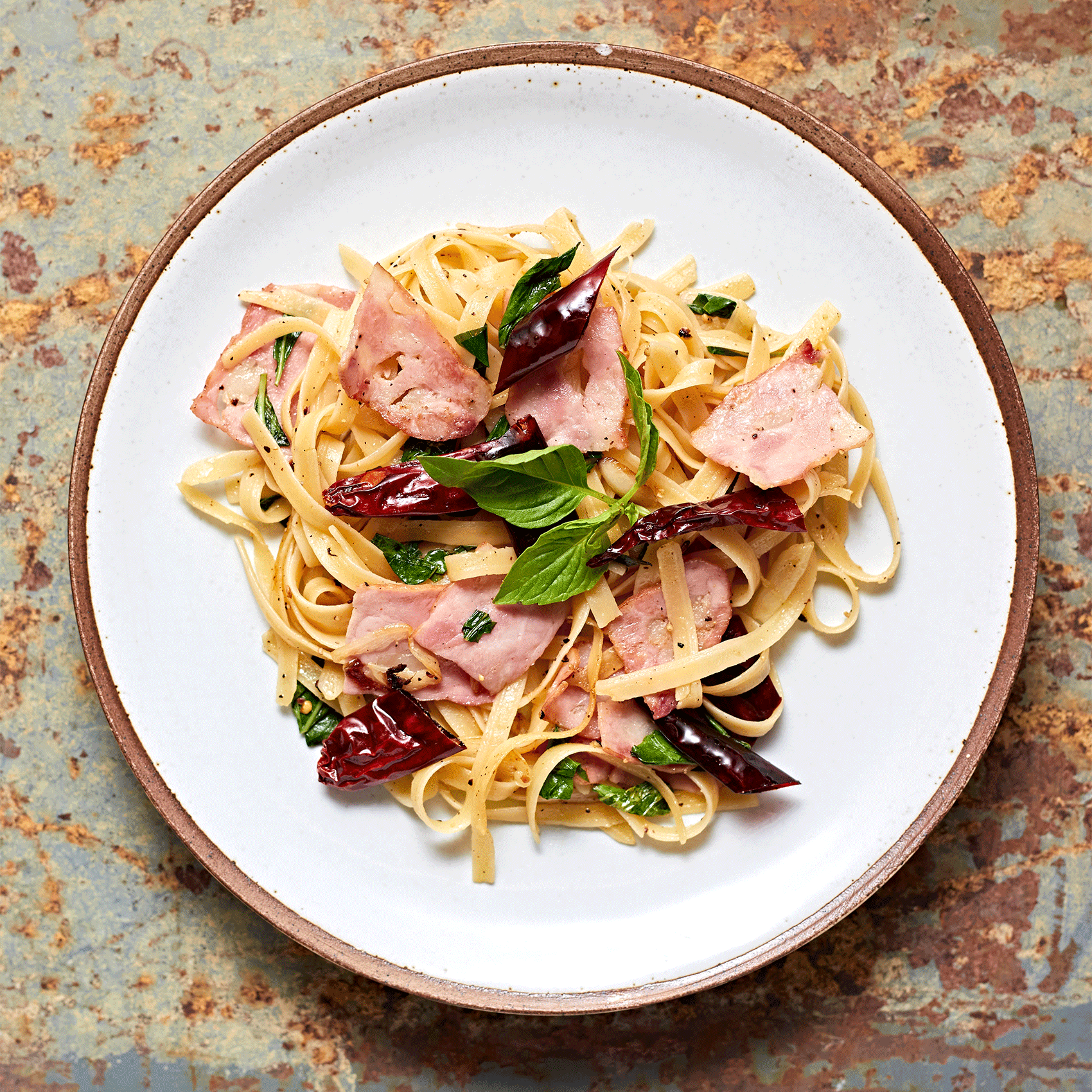
FAQ: everything you need to know about seasoning pasta
The fundamentals remain Mediterranean herbs (basil, oregano, and thyme) combined with the essential spices of pepper, garlic, and chilli. These ingredients cover the vast majority of classic pasta recipes.
To go further, three spices open up more original combinations depending on the sauce: smoked paprika on meat or roasted vegetable dishes, nutmeg in all creamy sauces, and lemon zest to bring freshness to summer preparations or cold pasta.
The timing matters as much as the choice of spice. Here are the rules to remember:
Dried spices (pepper, chilli, paprika, turmeric) go into hot fat at the start of cooking. They infuse and distribute their aromas throughout the sauce.
Dried herbs (oregano, thyme) hold up well to heat and can be added during cooking.
Fresh herbs (basil, parsley, chives) always arrive off the heat, at the very end of preparation, to preserve their volatile aromas.
Pepper is best ground at the very last moment, directly onto the plate or into the sauce once it has been removed from the heat.
Cold pasta absorbs spices far less effectively than hot pasta. The first rule: season your pasta while it is still warm, not cold. At that stage, the surface of the pasta is still slightly porous and captures aromas much more effectively. Once cooled, pasta forms a film that blocks absorption.
Always start with a drizzle of olive oil, before the spices. It prevents the pasta from sticking together and helps the spices adhere. Then season more generously than usual cold temperatures dull the perception of flavour. Focus on spices with a bright, fresh profile: lemon zest, white pepper, or finely chopped fresh herbs, which express themselves well even without heat. A touch of vinegar or lemon juice as a final step lifts everything and gives the freshness that makes a good pasta salad memorable.


Subscribe to our Newsletter now
Get a free product for your first order!
Donation