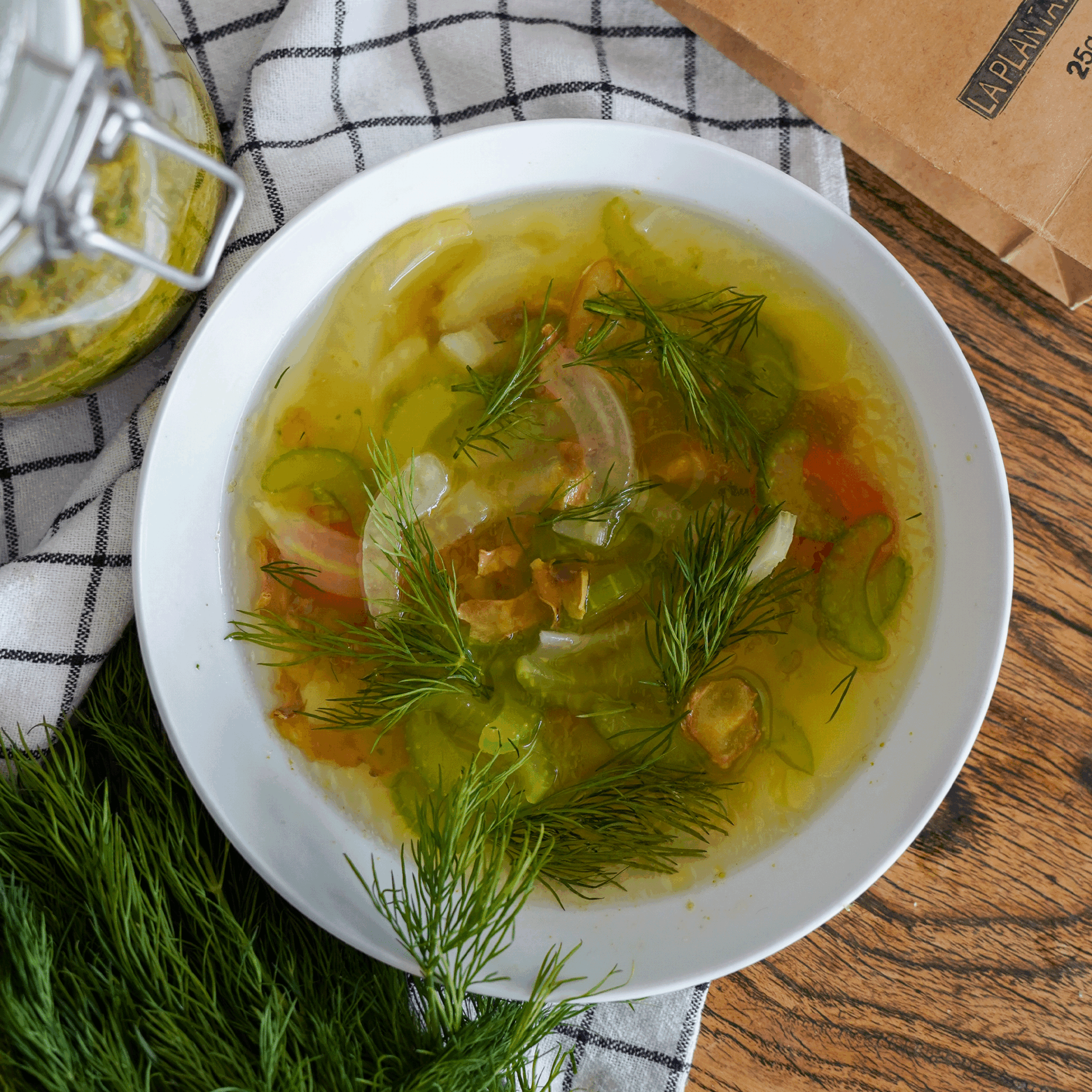
Which spices to use for a savoury and healthy stock or broth?
News
-
30.01.26
Suggestions
Which spices work best in a vegetable Soup?
Sommaire
Spices are an essential lever for giving a soup genuine flavour. Beyond a spoonful of cream, a piece of Parmesan, or a finishing condiment, spices make the real difference because they act from the very start of cooking and diffuse throughout the entire preparation. This guide explains which to choose, when to add them, and which suit each vegetable.
This article focuses on soups, velouté soups, and cream soup, not stocks and cooking broths, which follow their own logic.
The Technique That Changes Everything: Activating Spices Before Adding the Stock
The most effective technique for seasoning a soup is also the least known. It comes from Indian cooking and is called tarka: fry spice powders for 30 seconds in hot oil or butter before adding the vegetables and stock.
The reason is chemical. The essential oils in spices are fat-soluble: they dissolve in fats, not in water. A spice added directly to a stock stays on the surface and never truly integrates into the dish. The same spice fried for 30 seconds in hot fat releases its aromas and diffuses them deeply through the entire preparation.
It is one of the simplest gestures to remember — and one of the most impactful.
The Essential Spices for Soup
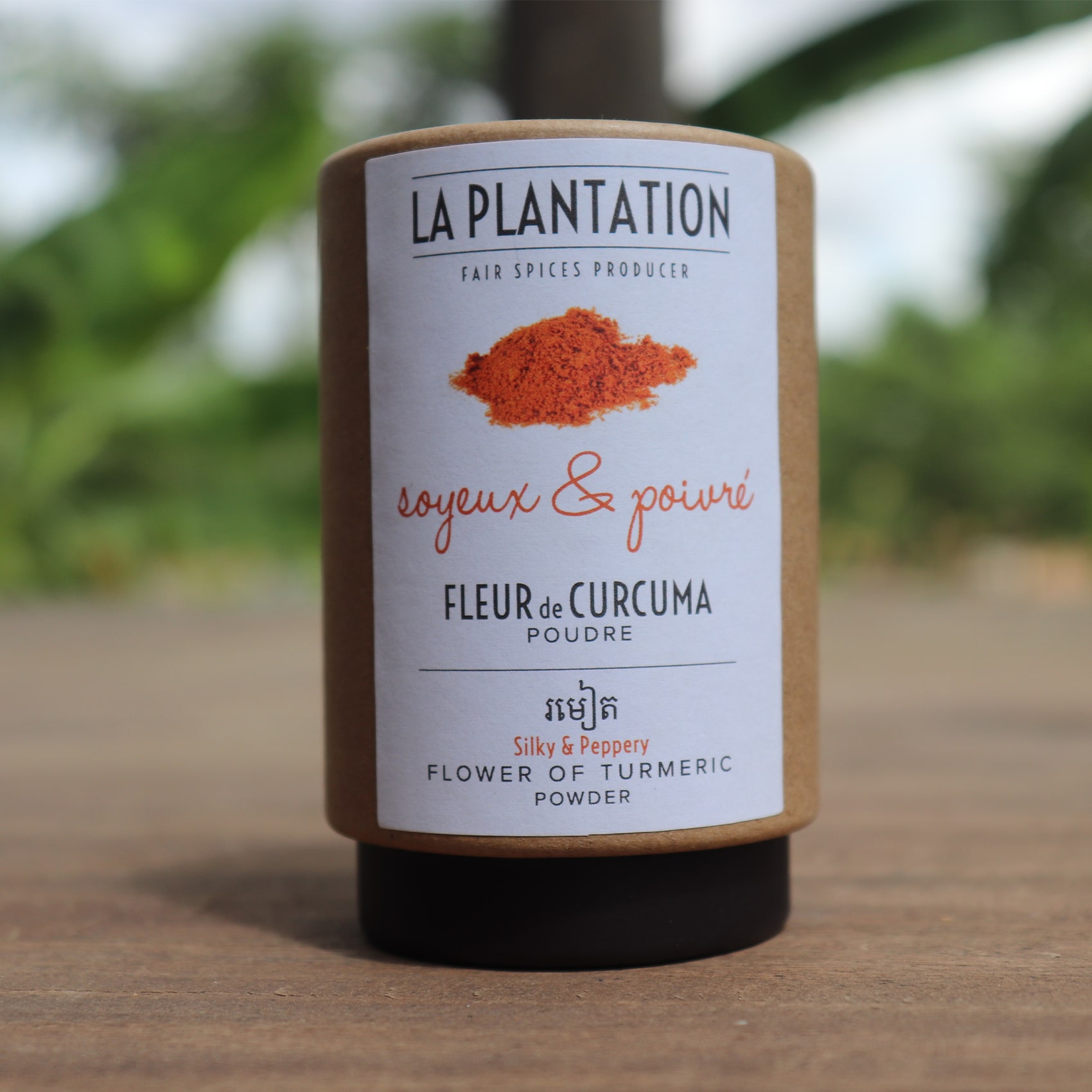
The intense orange colour of turmeric amplifies the natural tint of orange and golden vegetables. Its earthy, lightly bitter profile brings a gentle background warmth. It should always be paired with a pinch of freshly ground black pepper, which significantly increases its effectiveness. Ideal in a lentil soup, a butternut velouté, or a carrot soup.
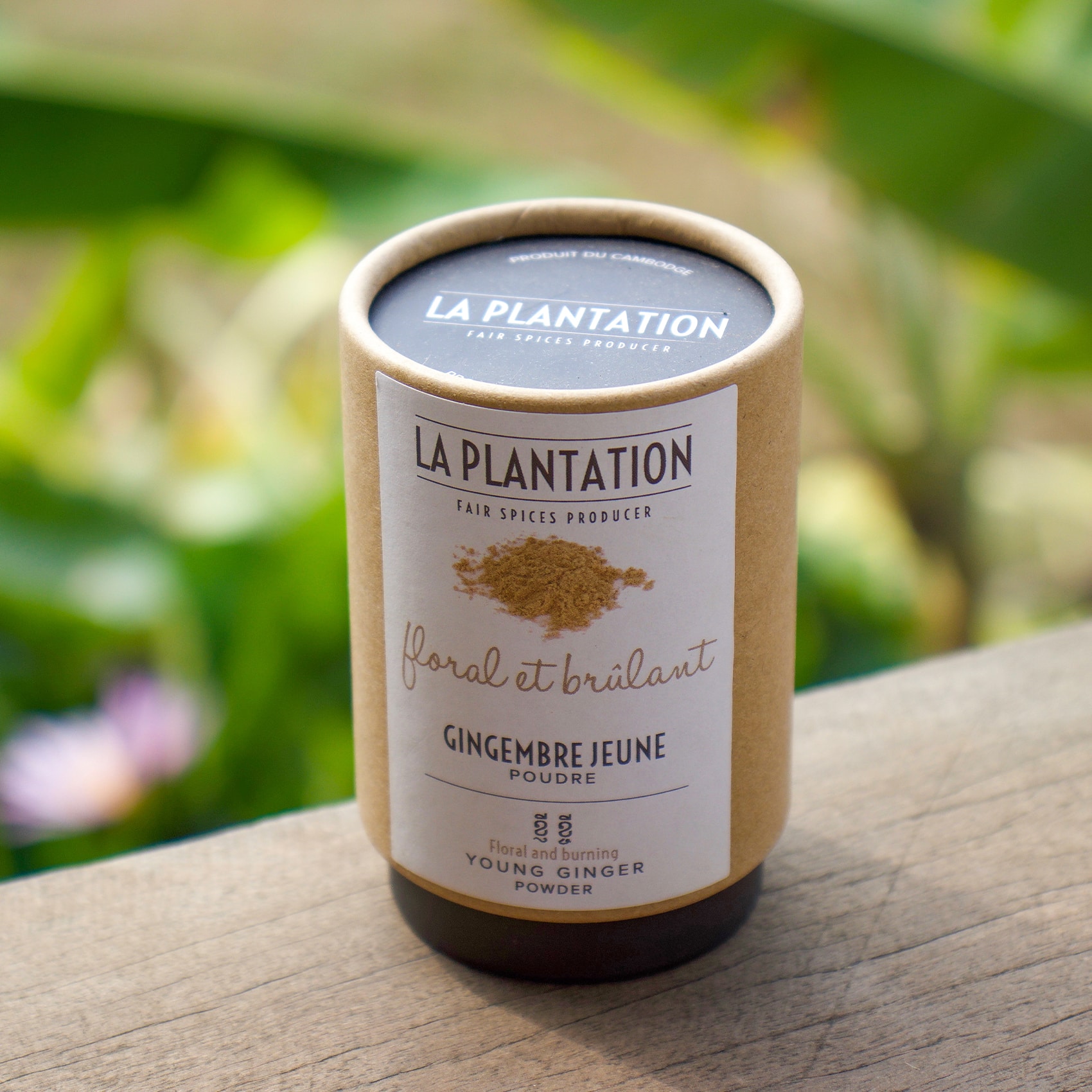
Ginger wakes up sweet soups and creamy velouté soups. Its lively, citrusy profile contrasts with the natural sweetness of vegetables like carrot, sweet potato, or butternut. In powder form, it can be incorporated directly into the hot fat at the start of cooking.
Galangal is often overlooked in favour of ginger and unfairly so. It brings depth and lifts the overall flavours of the dish. It is a particularly interesting choice for Asian-inspired soups. Very effective in a squash soup, a chicken broth, or a vegetable stock, galangal powder is used in the same way as ginger — while being less pungent and more floral in character.
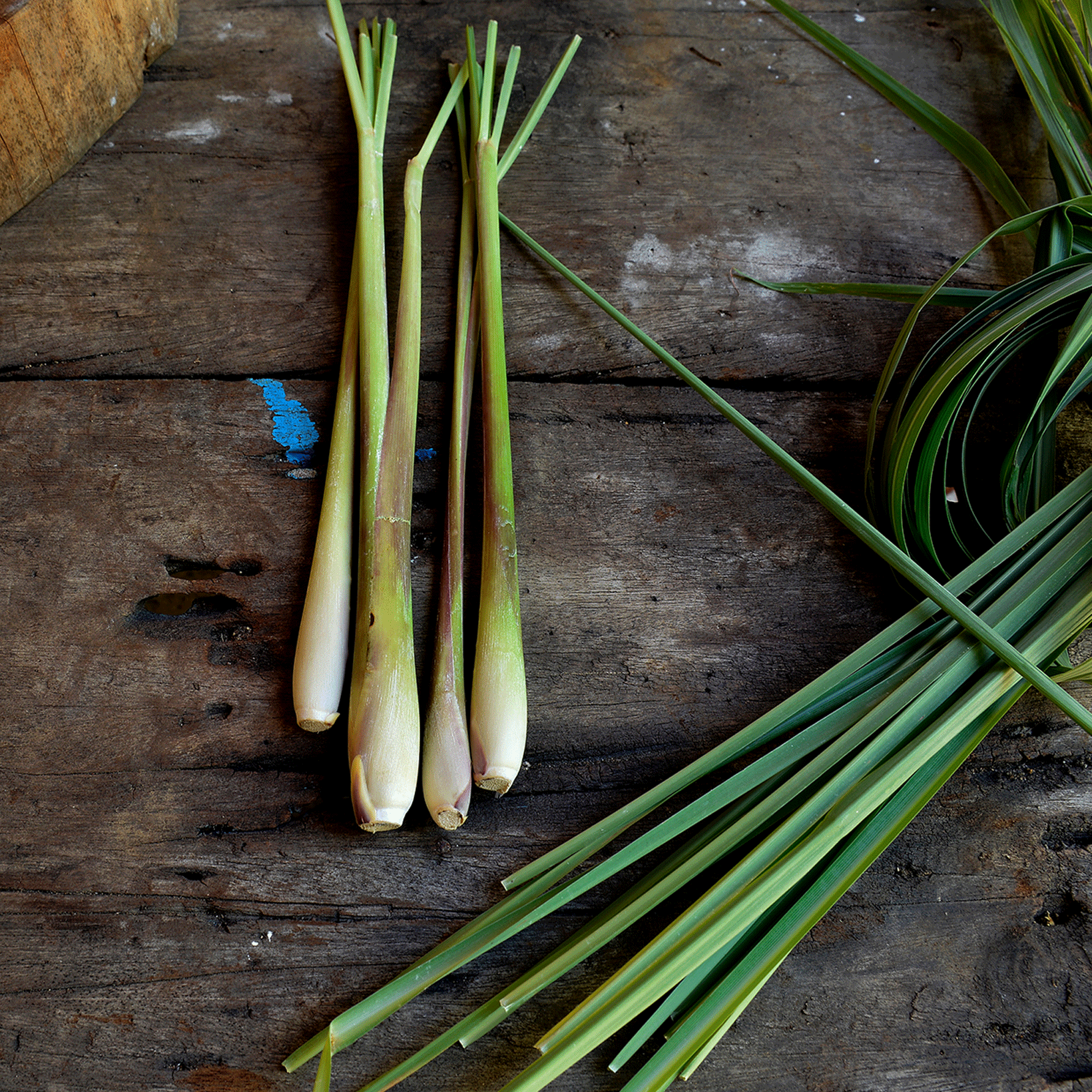
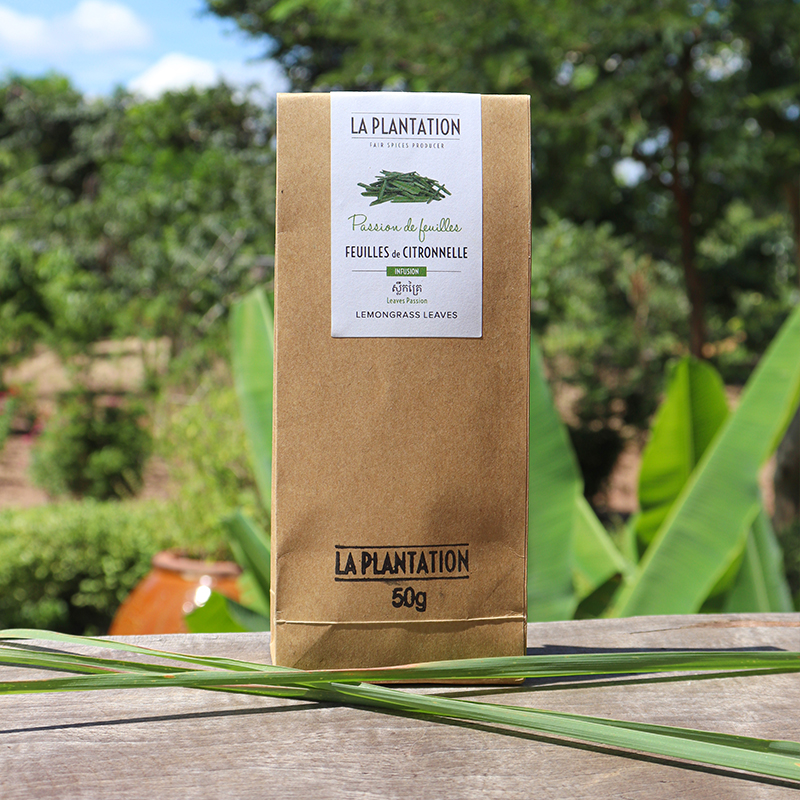
Lemongrass lightens rich soups and coconut milk-based preparations. Its citrusy profile brings an aromatic freshness that balances the sweetness of the vegetables and the richness of cream bases. In powder form, it incorporates directly into the hot fat. Ideal in a coconut milk soup, a prawn broth, a cauliflower velouté, or an Asian-style chicken soup.
A curry blend replaces several spices in a single gesture. Turmeric, cumin, coriander, chilli, ginger: a well-constructed curry brings complete aromatic depth without having to measure each spice individually. A mild curry suits creamy velouté soups where you want roundness. A red curry gives character to lentil or sweet potato soups.
At La Plantation, Khmer green curry, yellow curry, and Khmer red curry offer three distinct profiles inspired by South-East Asian cooking.
| Worth knowing: only the yellow curry blend contains mild heat, the green and red versions are both gentle. |
Peppers in Soup: Which One to Choose?
White pepper seasons with precision and discretion. It is particularly well suited to light, delicate velouté soups. Its floral, soft profile works with refined preparations: leek and potato velouté, cream of cauliflower, celeriac or parsnip velouté. Kampot White Pepper PGI and Mondolkiri White Pepper are the two references to consider for this use.
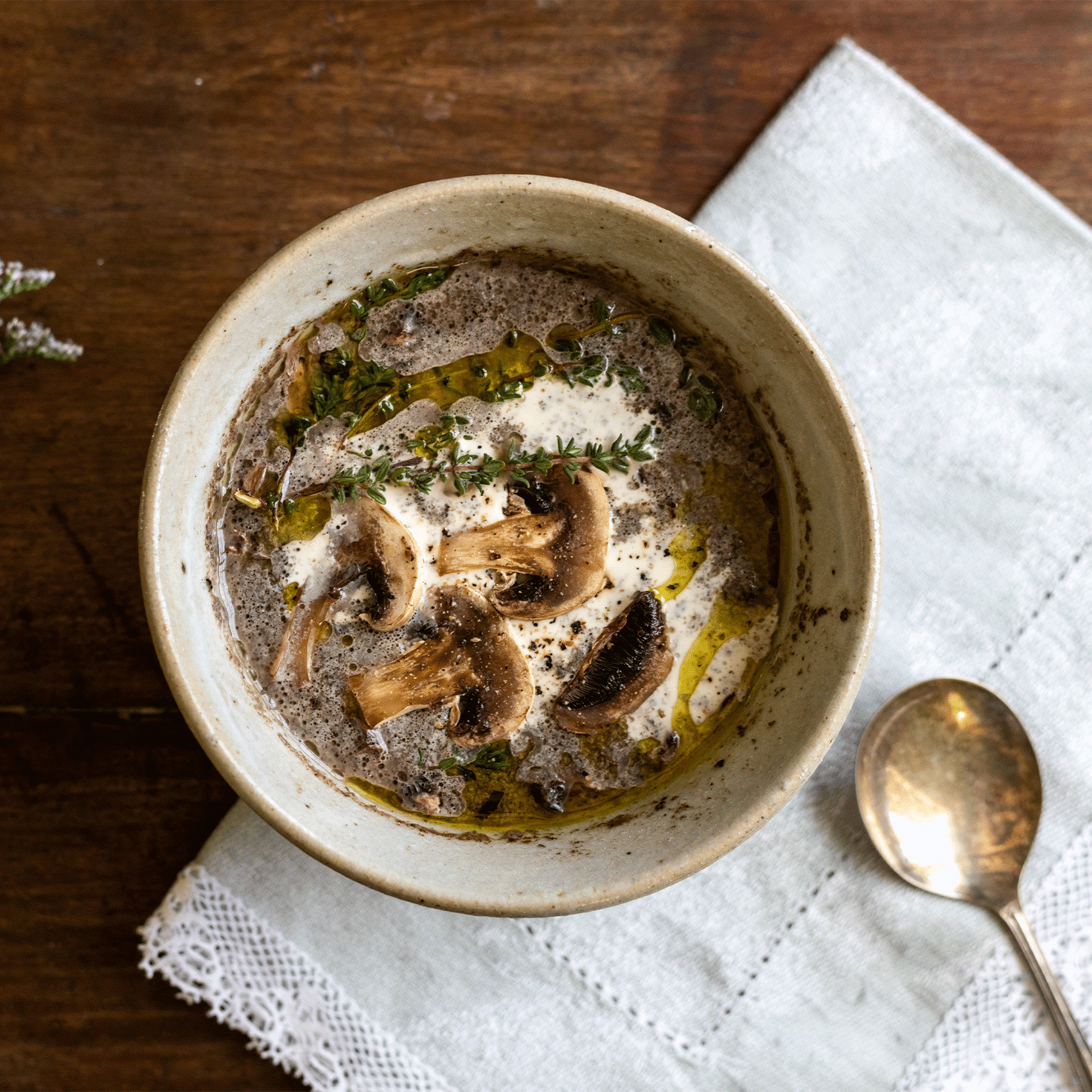
Black pepper structures intense soups. Its woody, pungent notes hold up beautifully against the umami of mushrooms, a rich beef stock, or a crab or lobster consommé. Ratanakiri Black Pepper — plain or smoked is a reference for strong-flavoured soups: its aromatic complexity adds a dimension that ordinary commercial pepper simply cannot replicate. Always grind at the last moment, directly into the bowl or in the very final seconds of cooking.
Kampong Thom salt-brined fresh pepper is particularly effective on naturally sweet soups. Carrot, Jerusalem artichoke, beetroot, tomato: the saline note of this fermented pepper counterbalances the natural sweetness of the vegetable and adds a brightness at the finish. Add it directly into the bowl at the moment of serving, no mill needed, and never during cooking.
Spices by Vegetable
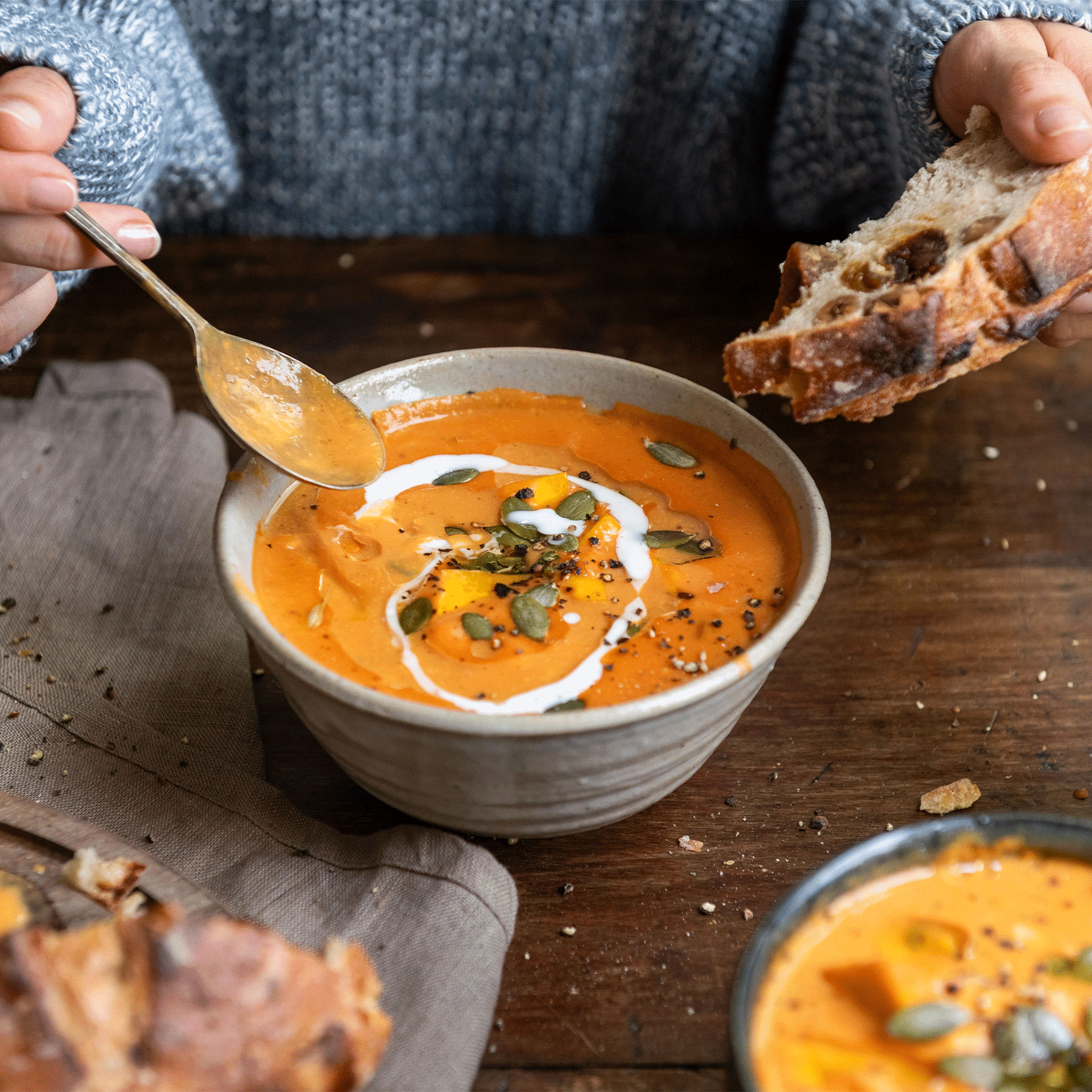
Butternut is sweet and dense, it calls for warm and floral spices. Ginger and turmeric in the hot fat at the start; coconut milk for the body; cardamom powder as a floral finish; or cinnamon for a lightly sweet touch.
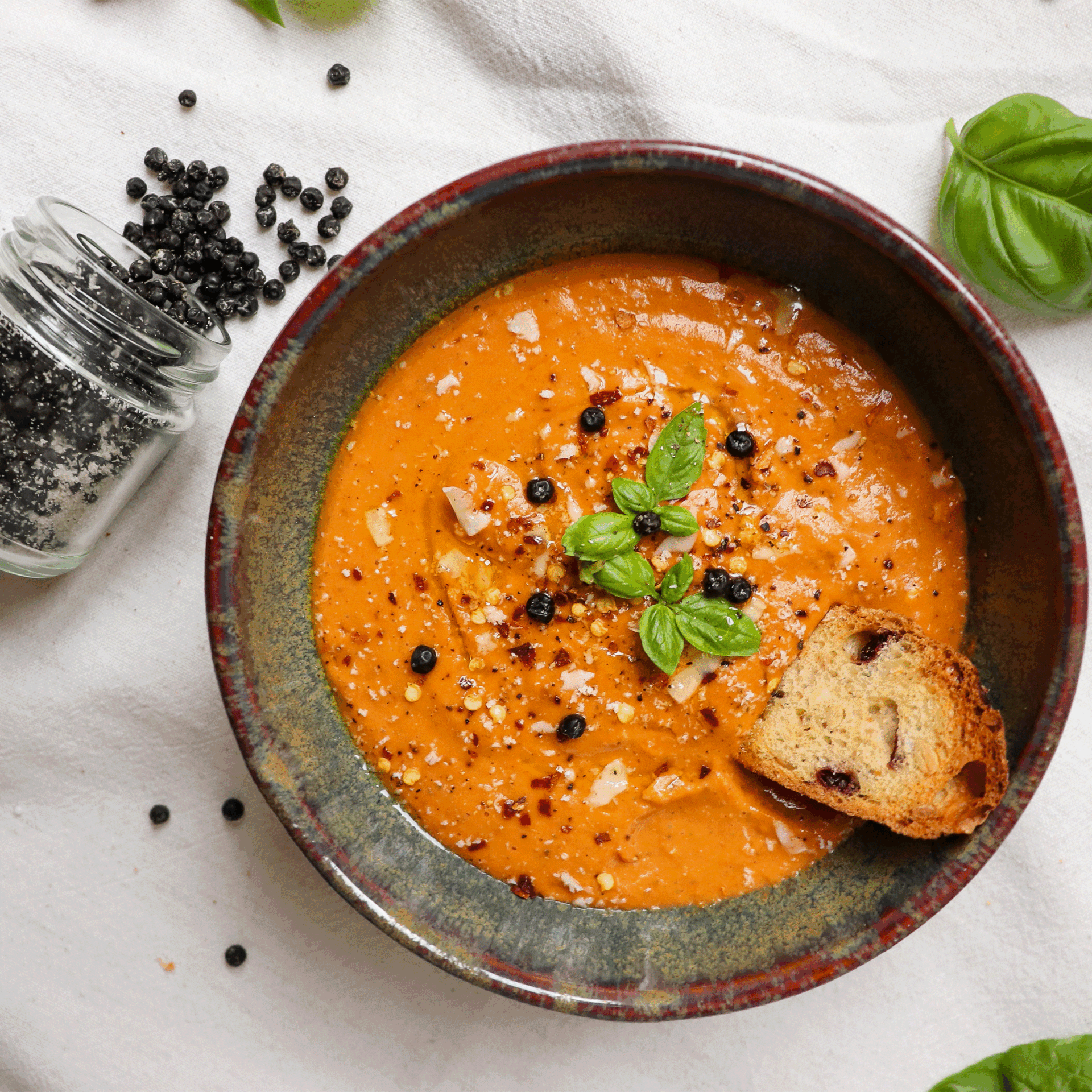
The natural acidity and sweetness of tomato call for spices that balance it. Smoked paprika brings an ember-like depth. Olive oil and a grind of pepper at the finish structure the whole preparation.
The softness and neutrality of this classic duo call for discreet spices. White pepper is the foundational seasoning. A pinch of freshly grated nutmeg amplifies the yielding, lightly buttery quality of the soup.
Sweet, lightly earthy carrot pairs well with warm spices. Ginger and turmeric at the start of cooking. Cinnamon and cardamom for a softer, more comforting version.
The intense umami of mushrooms calls for woody spices that hold up against it. Black pepper is indispensable. A touch of smoked pepper as a finishing touch adds an extra dimension.
Lentils are dense and floury warm, structuring spices are the most effective. Red curry and galangal in the hot fat at the start of cooking. For more depth, one whole star anise infused during long cooking adds a discreet anise note that blends quietly into the preparation.
A seafood spice blend built on a base of sautéed onions, garlic, and aromatics, with no heat — is designed precisely for this type of preparation. It pairs naturally with the iodised flavours of the sea.
| Cooking method | Spices that work | Technique | Recommended finishing pepper |
|---|---|---|---|
| Blended velouté | Turmeric, ginger, curry | Tarka before blending | Mondolkiri white pepper |
| Slow-simmered soup | Star anise, cinnamon, galangal | Whole spices from the start | Ratanakiri black pepper |
| Clear broth | Lemongrass, bouillon blend | Infused in the liquid | Kampot white pepper PGI |
| Quick soup | Curry, seafood blend | Powder in the hot fat | Mondolkiri pepper trio |


Subscribe to our Newsletter now
Get a free product for your first order!
Donation