Spice of the moment: Turmeric
Superfoods
-
10.10.25
Suggestions
Turmeric Benefits: Health properties and how to use It
Sommaire
Short on time? Here is everything you need to know about turmeric health benefits
Key takeways
|

What is turmeric and where do its properties come from?
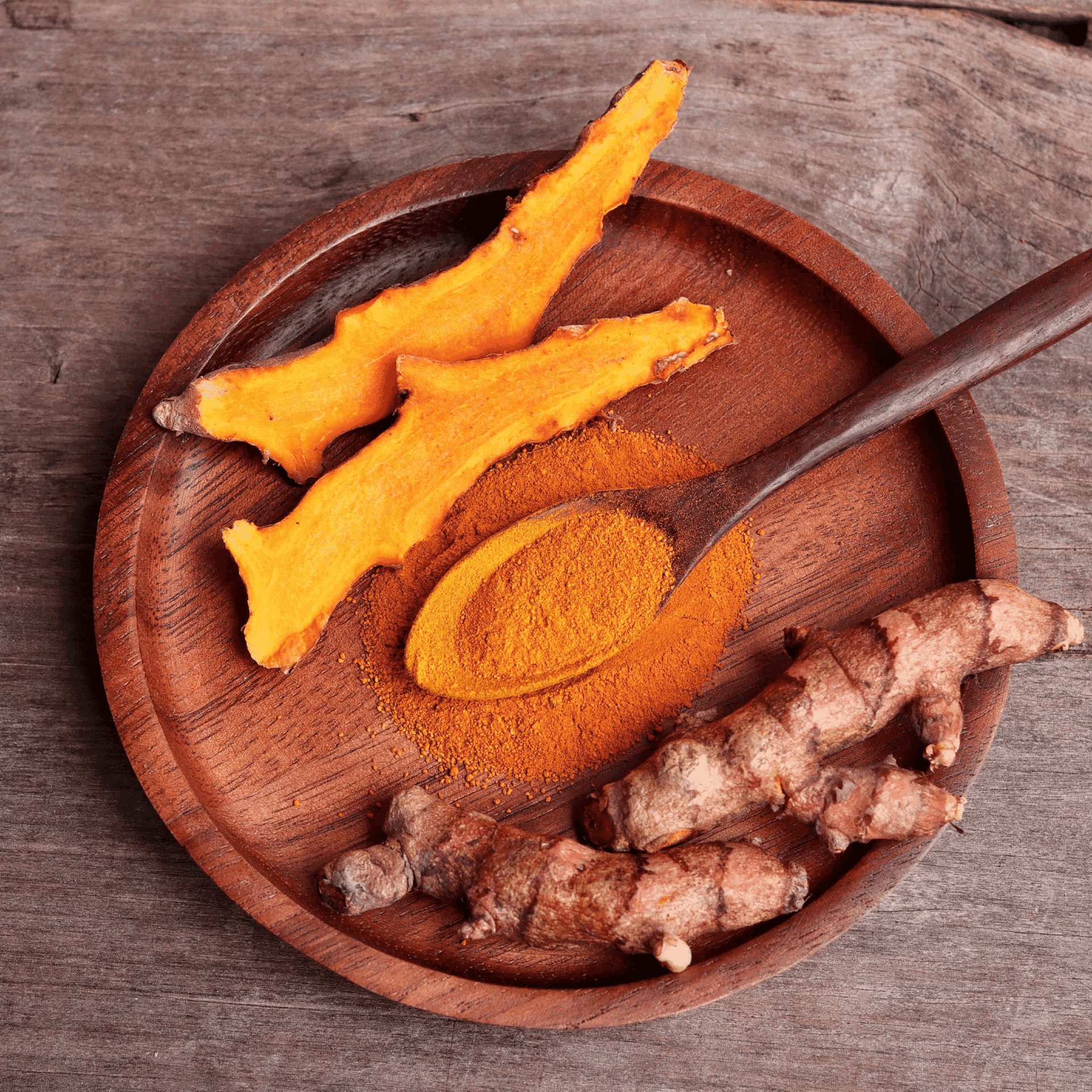
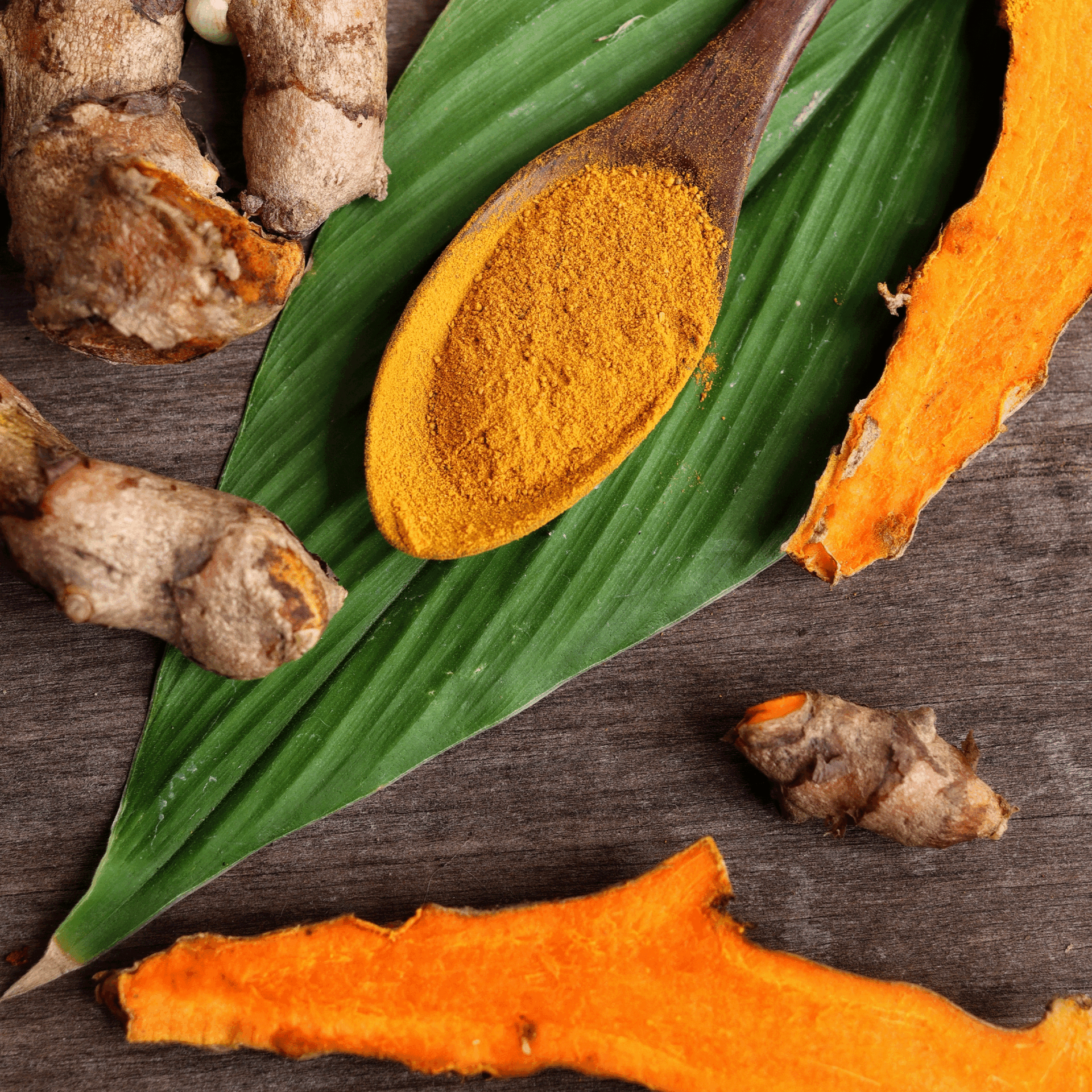
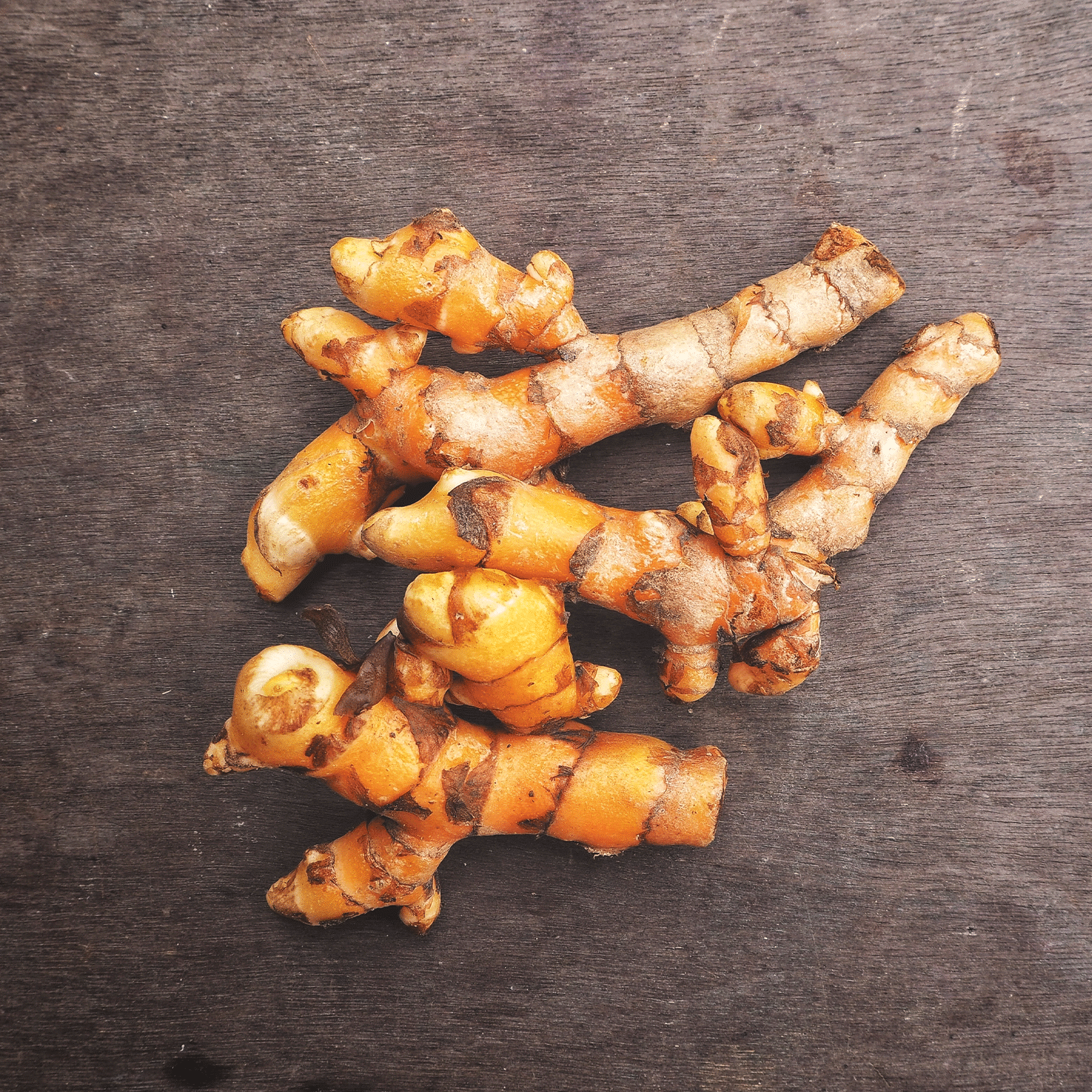
Turmeric benefits start with understanding what this golden spice actually is. Turmeric is a rhizome (an underground root) belonging to the Zingiberaceae family, the same as ginger. It has been used for over 4,000 years in Ayurvedic medicine and across Asian cuisines.
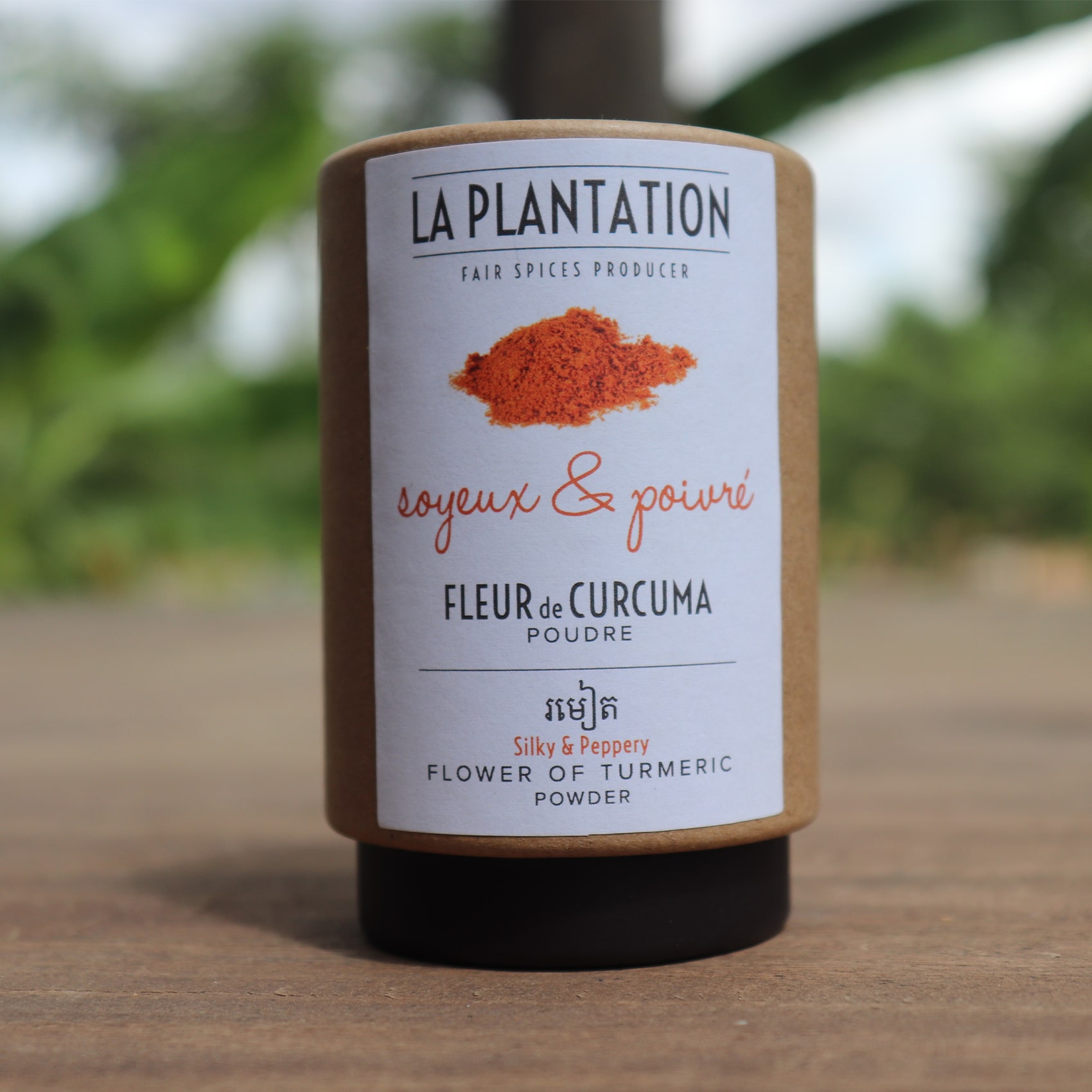
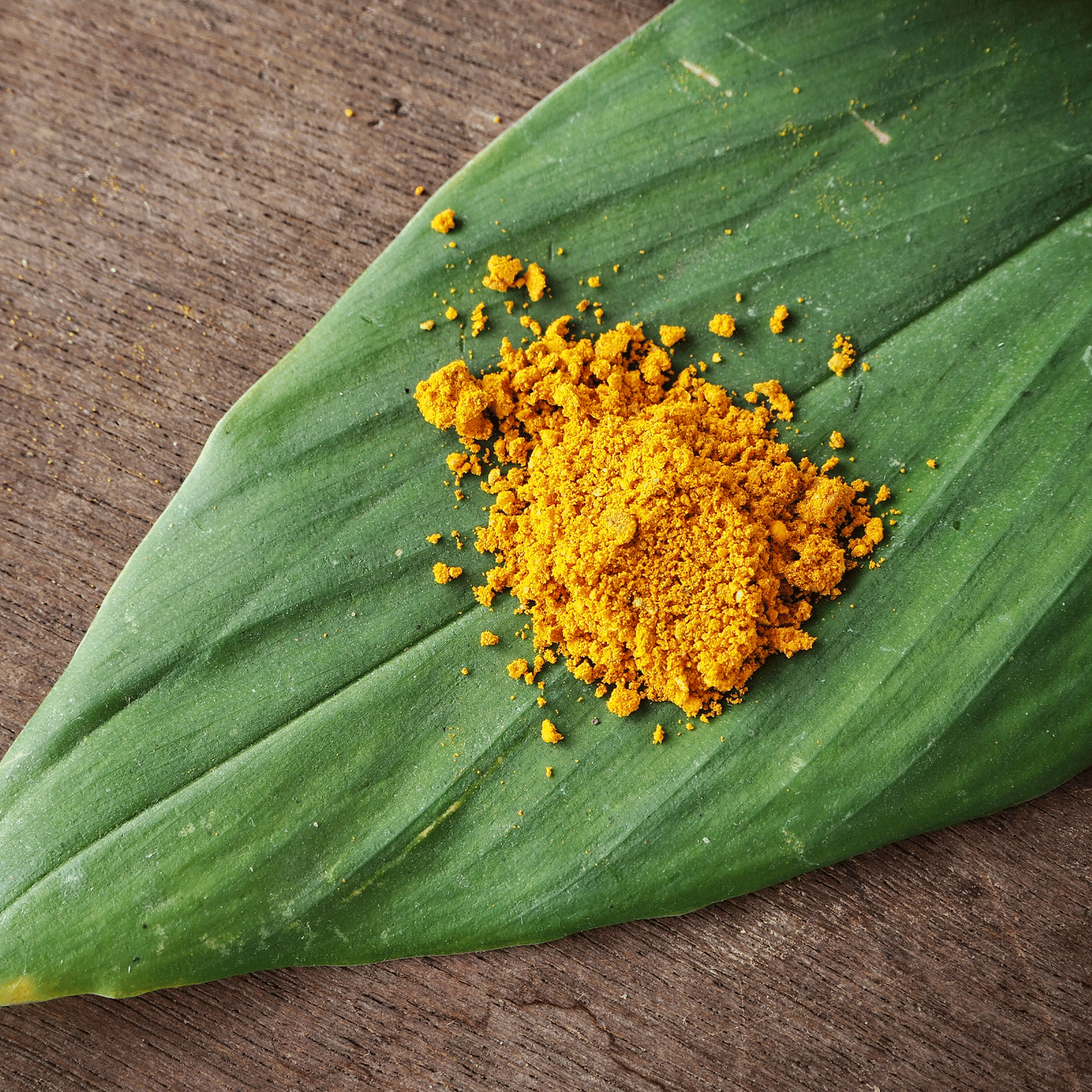
Today, it is most commonly found as a powder. The drying process concentrates its active compounds, which is why so many people talk about the benefits of turmeric powder specifically.
The main compound responsible for its effects is curcumin, a natural polyphenol found in the rhizome. It belongs to the curcuminoid family, which is widely studied for its biological properties.
Scientific research into turmeric has accelerated significantly in recent years. A recent review published in the International Journal of Molecular Sciences identified 389 clinical trials dedicated to curcumin (Skiba et al., 2023). This remarkable figure shows just how much interest there is in turmeric properties within the health research community.
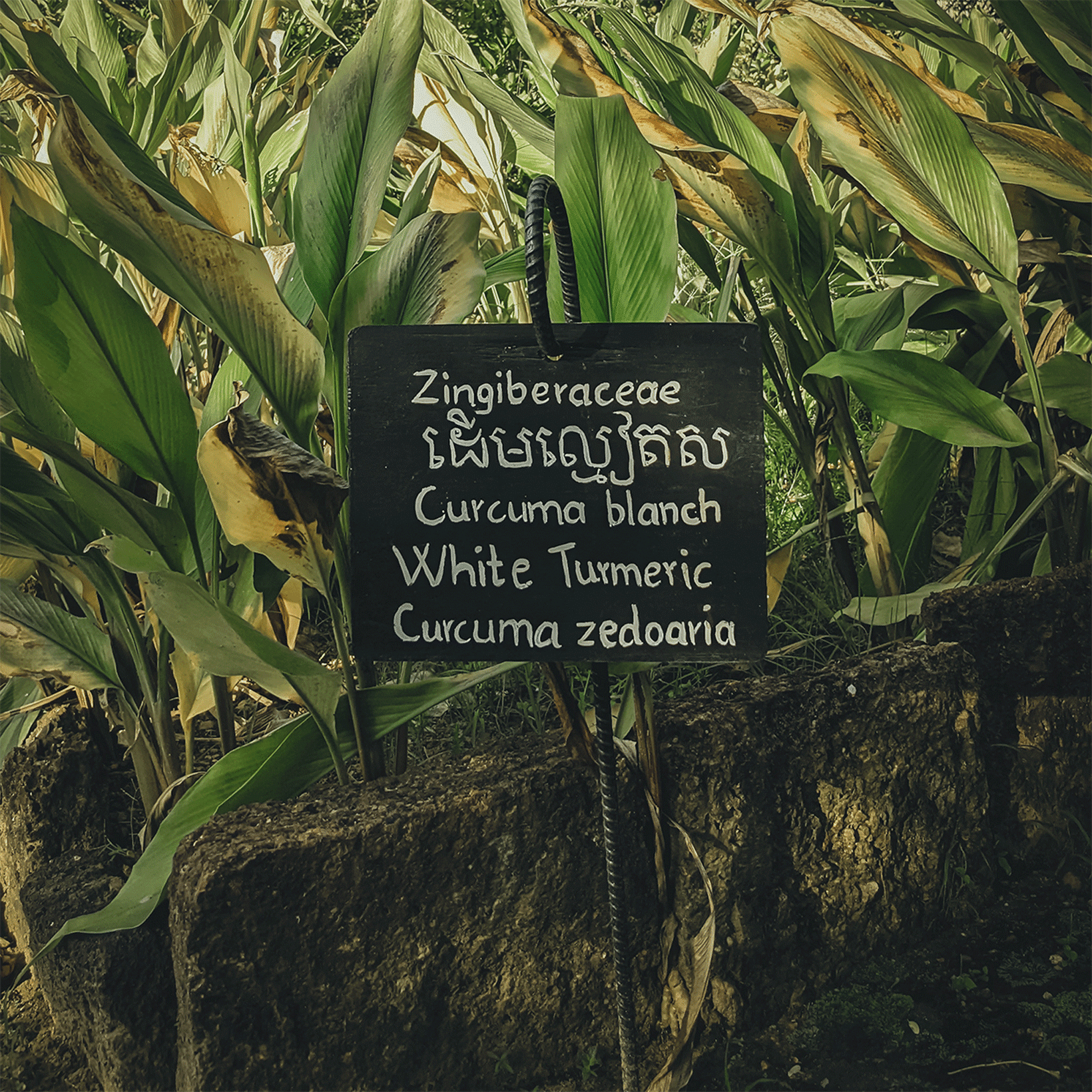
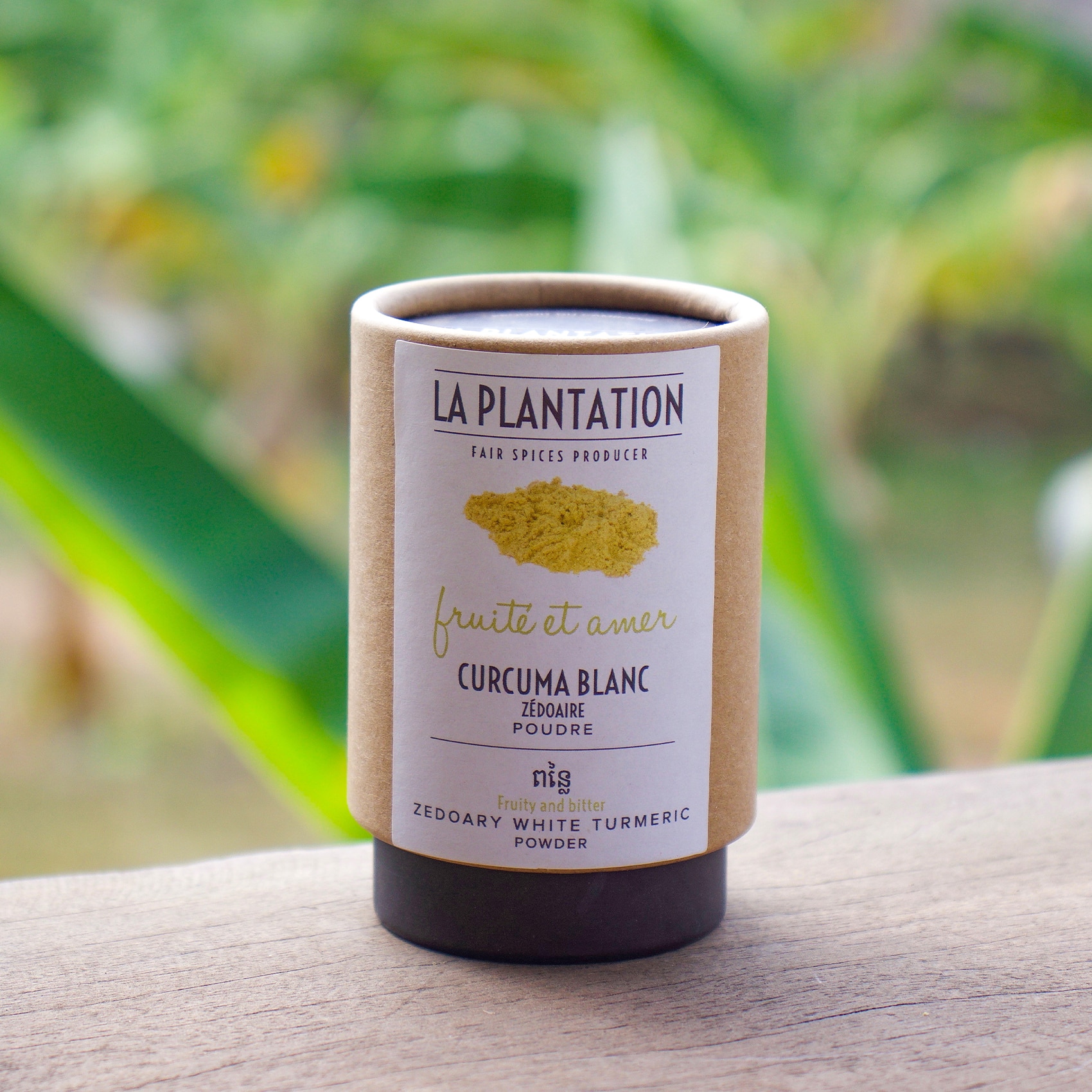
If you’re curious about lesser-known varieties, discover our article on white turmeric, a fascinating relative with its own unique profile.
Proven turmeric benefits for your health
Turmeric is one of the most well-researched natural anti-inflammatories available. Curcumin acts on several mechanisms involved in inflammation throughout the body.
Chronic low-grade inflammation is now linked to many modern health concerns, including cardiovascular issues, diabetes, joint pain, and persistent fatigue. What is turmeric good for in this context? Research suggests it may help address the root of these issues.
Several studies have shown that curcumin supplementation can reduce inflammatory markers in the body. A recent meta-analysis covering more than 80 clinical trials observed a significant decrease in these markers after curcumin consumption (Dehzad et al., 2023). Earlier work had already confirmed curcumin’s anti-inflammatory activity and good tolerability (Chainani-Wu, 2003).
Turmeric is good for your health partly because of its antioxidant power.
Our bodies produce unstable molecules called free radicals as a result of normal metabolic processes. When these accumulate, they trigger oxidative stress, which is associated with cellular ageing and disease.
Curcumin works on two levels: it helps neutralise free radicals directly, and it stimulates the body’s own antioxidant systems, including superoxide dismutase (SOD) and glutathione peroxidase. These mechanisms are at the heart of many turmeric benefits for the body.
Turmeric powder benefits extend to the digestive system. Traditionally, turmeric has been used to support digestion by stimulating bile production, which helps the body process fats more efficiently.
It is also associated with a reduction in bloating and digestive discomfort. A review published in Drug Design, Development and Therapy found promising results for irritable bowel syndrome and inflammatory bowel conditions (Ng et al., 2018).
If you’re looking for more ways to support your wellbeing through spices, explore our guide on using spices for a detox.
Turmeric can contribute to joint comfort and mobility. Curcumin acts on the inflammatory processes involved in joint pain, particularly in the context of osteoarthritis.
Some clinical studies have observed improvements in pain scores and mobility among participants taking curcumin, with results sometimes comparable to common anti-inflammatory medications. The review of 389 clinical trials by Skiba and colleagues confirms the growing scientific interest in this area.
Turmeric skin benefits have been recognised for centuries. Curcumin’s antioxidant and soothing properties can help reduce blemishes, calm redness, and improve the overall radiance of the complexion.
In traditional Ayurvedic cosmetics, turmeric is often used in face masks. In certain Cambodian traditions, a turmeric paste is applied after childbirth to soothe and heal the skin. A scientific review published in Phytotherapy Research analysed multiple clinical studies showing positive effects of turmeric on skin health (Vaughn et al., 2016).
Turmeric and black pepper: why this combination makes a difference
The benefits of turmeric and black pepper are deeply connected. Curcumin on its own is relatively poorly absorbed by the body. That’s where piperine, the active compound in black pepper, comes in.
A landmark study showed that combining curcumin with piperine could increase curcumin bioavailability by up to 2,000% (Shoba et al., 1998). More recent research nuances this figure, but consistently confirms the positive effect of this combination.
There’s another important point: curcumin is fat-soluble. It is better absorbed when consumed alongside a fat source, such as olive oil, coconut oil, or milk.
This pairing has existed for centuries in Asian culinary traditions. In many spice blends (including curry) turmeric and pepper are naturally combined. Modern science confirms what traditional cooks have known for generations. Discover more about this in our complete guide to curry.
How to use turmeric to get the most benefits
Turmeric is one of the most versatile spices in the kitchen. You can add it to soups, curries, salad dressings, roasted vegetables, and smoothies. It blends seamlessly into both savoury and sweet dishes.
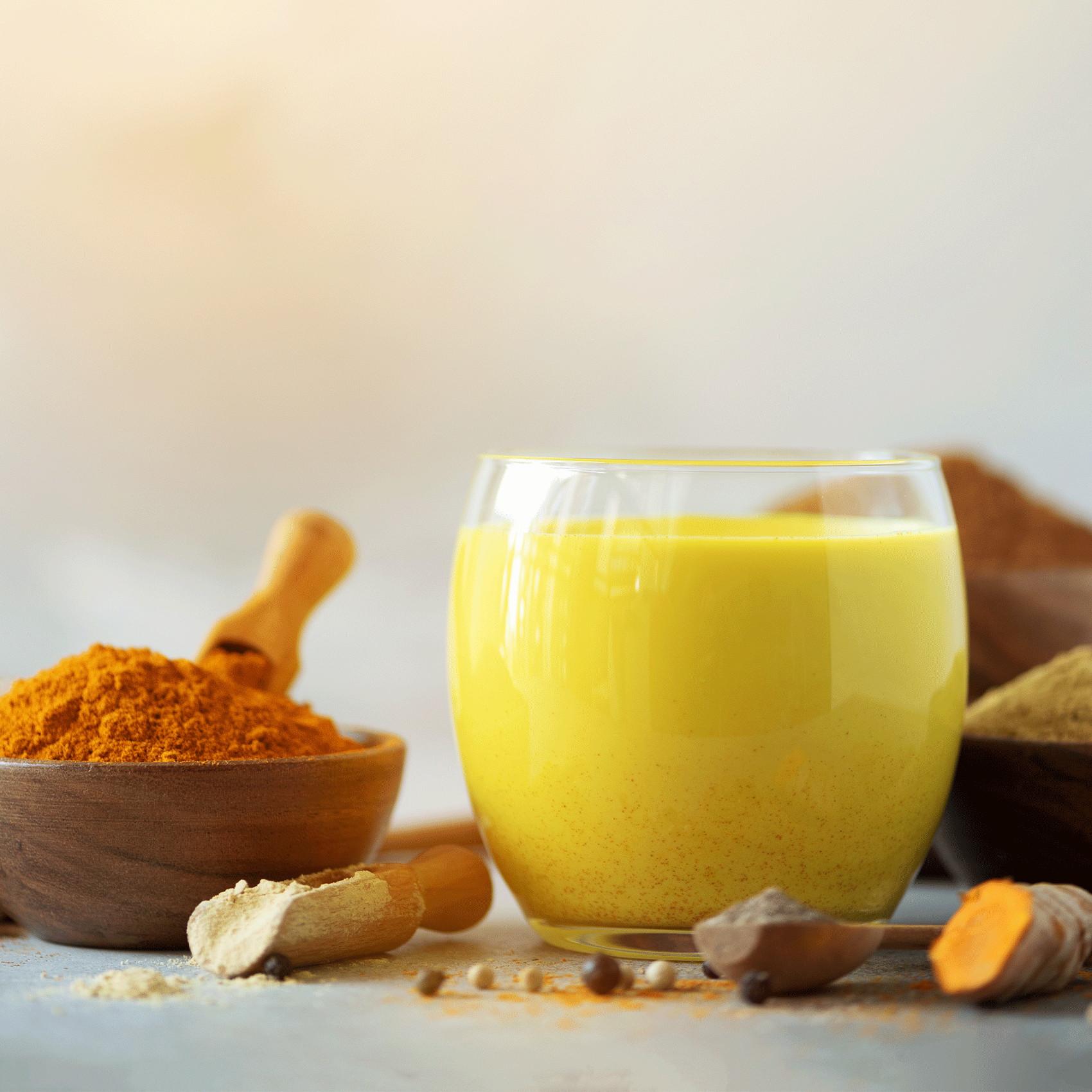
It is also a key ingredient in golden milk, a warming drink made with turmeric, milk, and spices. You’ll also find it in chai blends; explore our chai spices guide for inspiration and recipes.
To get the most from turmeric, always pair it with black pepper and a fat source. These two elements significantly improve absorption and make the most of its active compounds.
Precautions and dietary supplements
Turmeric tea is a popular choice for digestive comfort and general wellbeing. To prepare a simple infusion, steep dried turmeric root or powder in hot water for around 10 minutes. Add ginger, lemon, and a pinch of black pepper for an even more beneficial blend. This drink is often enjoyed in the evening or after meals.
Concentrated curcumin supplements are widely available today. They can be useful in specific contexts, but it is always advisable to consult a healthcare professional before starting a supplementation routine, particularly if you are taking medication.
Turmeric is generally safe when consumed as part of a normal diet. That said, some precautions are worth knowing. Curcumin can interact with certain anticoagulant medications, as it influences platelet aggregation.
Extra care is also recommended in cases of biliary disorders, during pregnancy or breastfeeding, or with prolonged supplementation.
Excessive consumption can occasionally cause digestive discomfort. As with any active plant, balance is key.
FAQ: your questions about turmeric
What are the main turmeric benefits?
The main turmeric benefits include anti-inflammatory effects, antioxidant properties, digestive support, joint comfort, and positive effects on skin health.
Is it good to take turmeric every day?
Yes, as part of a varied diet and at normal culinary doses. For concentrated curcumin supplementation, it is best to seek medical advice first.
How should you take turmeric to make it effective?
To maximise its effectiveness, always combine turmeric with black pepper and consume it with a fat source. Choosing high-quality turmeric also makes a difference. For further reading, explore our article on turmeric: benefits and uses.
Does turmeric help with joint pain?
Research suggests curcumin can support joint comfort, particularly in cases of osteoarthritis. Clinical studies have observed improvements in pain and mobility with curcumin supplementation.
Can turmeric improve skin health?
Yes. Turmeric skin benefits are well-documented. Its antioxidant and soothing properties can help with blemishes, redness, and skin radiance, both through diet and traditional topical applications.


Subscribe to our Newsletter now
Get a free product for your first order!
Donation