
9 Spices to Pair with Squash: Butternut, Kabocha, and Pumpkin
Product
-
02.10.26
Suggestions
How to Season rice: Spices, techniques, and recipes
Sommaire
Key takeways:
|
Rice is the most consumed grain in the world, yet in many households, it ends up on the plate plain, with no seasoning at all. That is a paradox. Because in the rest of the world, rice is never bland. It is perfumed with saffron in Iran, spiced with turmeric in India, scented with lemongrass in Cambodia, coloured with paprika in Spain, and sweetened with cardamom in Turkey.
These traditions share one thing in common: they season the rice during cooking, not after. The starch in rice captures the aromas dissolved in the cooking liquid,a simple and powerful mechanism that the world’s kitchens have been exploiting for centuries.
This article gives you a practical approach and concrete techniques for integrating spices into your rice recipes. It answers three questions: why rice absorbs spices so effectively, how to season it during and after cooking, and how to successfully recreate five of the world’s great rice traditions.
How to add flavour to rice: the role of starch and rinsing
The choice of spices plays a decisive role in adding flavour to rice but it is not the only factor, and not the first step in preparing your recipe. The first decision is whether or not to rinse the rice.
The decision to rinse or not depends on the type of recipe, the result you are looking for, and how the rice will be cooked. Beyond the question of removing any surface residues from the grain, rinsing rice also removes some of the starch — the compound that acts as a natural thickener and binding agent.
If you want well-separated grains with a cleaner finish, rinsing is the right choice.
In other situations, starch plays a direct role in absorption, in the cooking liquid and in the final texture of the dish. For preparations like risotto, paella, or rice pudding, it is what creates that creamy, unctuous result. Rinsing would work against you.
The starch in rice acts as a porous surface. It captures the aromas dissolved in the cooking liquid and fixes them inside the grain during cooking. This is why rice cooked in a flavoured stock has more depth than rice cooked in salted water. Spices infused into the cooking liquid penetrate to the heart of the grain. Spices added after cooking simply sit on the surface.
A study published in Food Chemistry in 2019 showed that rinsing has little impact on how sticky rice becomes after cooking, because surface starch (known as free starch) is not the main factor responsible. It is above all the variety of rice chosen that determines the final texture.
Seasoning rice during cooking
Cooking is the key moment for flavouring rice deeply. As noted above, starch captures dissolved aromas and fixes them at the heart of the grain. This is where spices have the greatest impact, far more so than anything added once the rice is in the bowl.
This is the simplest and most effective move. A chicken, vegetable, or beef stock immediately transforms the aromatic profile of the rice without any additional step.
Each stock impacts the flavour in a different direction. Chicken stock gives a soft, rounded rice. Beef stock gives deeper results. Vegetable stock produces a fresh, herbaceous finish.
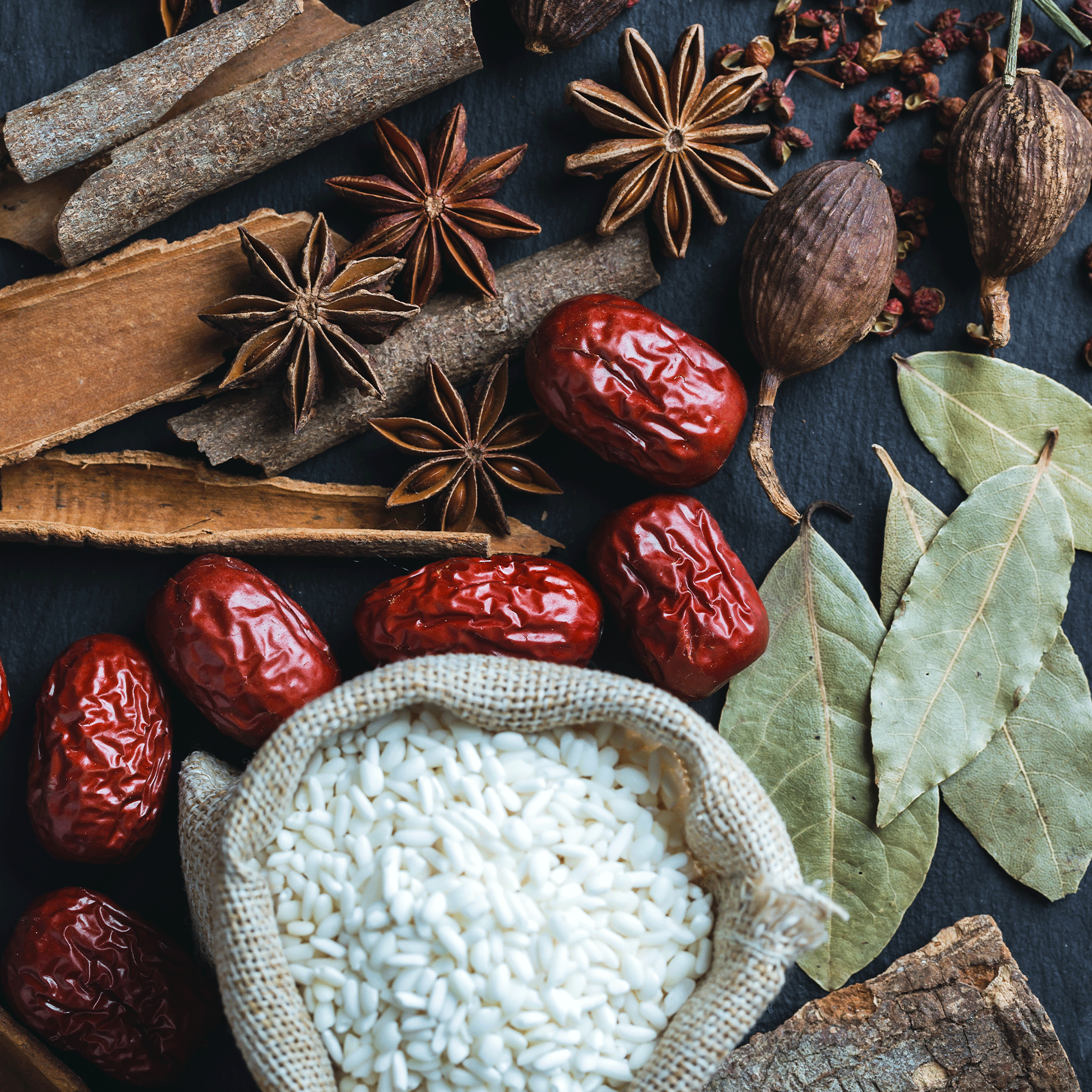
To go further, add a bay leaf, a cinnamon stick, or a whole garlic clove directly to the liquid. These aromas infuse gradually during cooking and flavour the grain from the inside.
Dry-toasting the grains for 2 to 3 minutes in a hot pan before adding liquid develops nutty, toasted notes. This is the pilaf technique, used from the Middle East to Central Asia.
A classic variation: fry the grains in butter or olive oil with garlic and finely sliced onion before adding the stock. The grains absorb the aromas of the fat before they even begin to take in the cooking liquid. The result is more fragrant and more structured.
Some spices act as much on colour as on flavour. These are the ones that give rice those golden, orange, and yellow tints that immediately signal a generous, well-considered dish.
Saffron is the historic spice of aromatic rice. A few threads steeped in hot water for 10 minutes before cooking are enough to dye the rice a deep gold and give it an inimitable floral, honeyed flavour. It is the foundation of Milanese risotto, Valencian rice, and Iranian chelow.
Annatto is a lesser-known and fascinating alternative. Its seeds, infused in the cooking stock, release an intense natural red-orange pigment used for centuries in Latin American and South-East Asian kitchens. It colours without altering the flavour of the rice which makes it a particularly versatile ingredient.
Turmeric colours the rice yellow and brings a gentle, earthy warmth. It activates best in a fat or in the presence of black pepper, a pairing worth remembering to fix the colour and fully release its aromas.
Seasoning rice after cooking
Post-cooking seasoning is just as important. This is the moment to adjust, personalise, and add the finishing touches that make the real difference in the bowl.
Curry is the most widely used spice blend for flavouring rice around the world. It can be incorporated directly into the cooking stock, or fried in fat before the rice is added. A mild curry gives a delicate, fragrant rice. A stronger curry gives a rice with real character.
Cumin works particularly well with long-grain and basmati rice. Lightly dry-toasted in whole seed form, it develops deep, slightly smoky notes. Used as a powder directly in the stock, its effect is more discreet.
Smoked paprika brings an ember-like note that works very well on Mediterranean and Spanish-inspired rice dishes.
Cinnamon and cardamom belong in sweet-savoury rice dishes, biryanis, and rice puddings.
A few well-chosen condiments are enough to turn plain cooked rice into a genuinely flavourful dish.
Toasted sesame oil is used in a few drops, off the heat. Its smoky, nutty note is immediately recognisable and gives rice a distinctly Asian dimension.
Soy sauce brings depth and a light saltiness through its concentrated umami. It replaces or effectively complements salt in fried rice and cold rice preparations.
Rice vinegar (lightly sweetened and mild) is essential in sushi rice and cold rice salads.
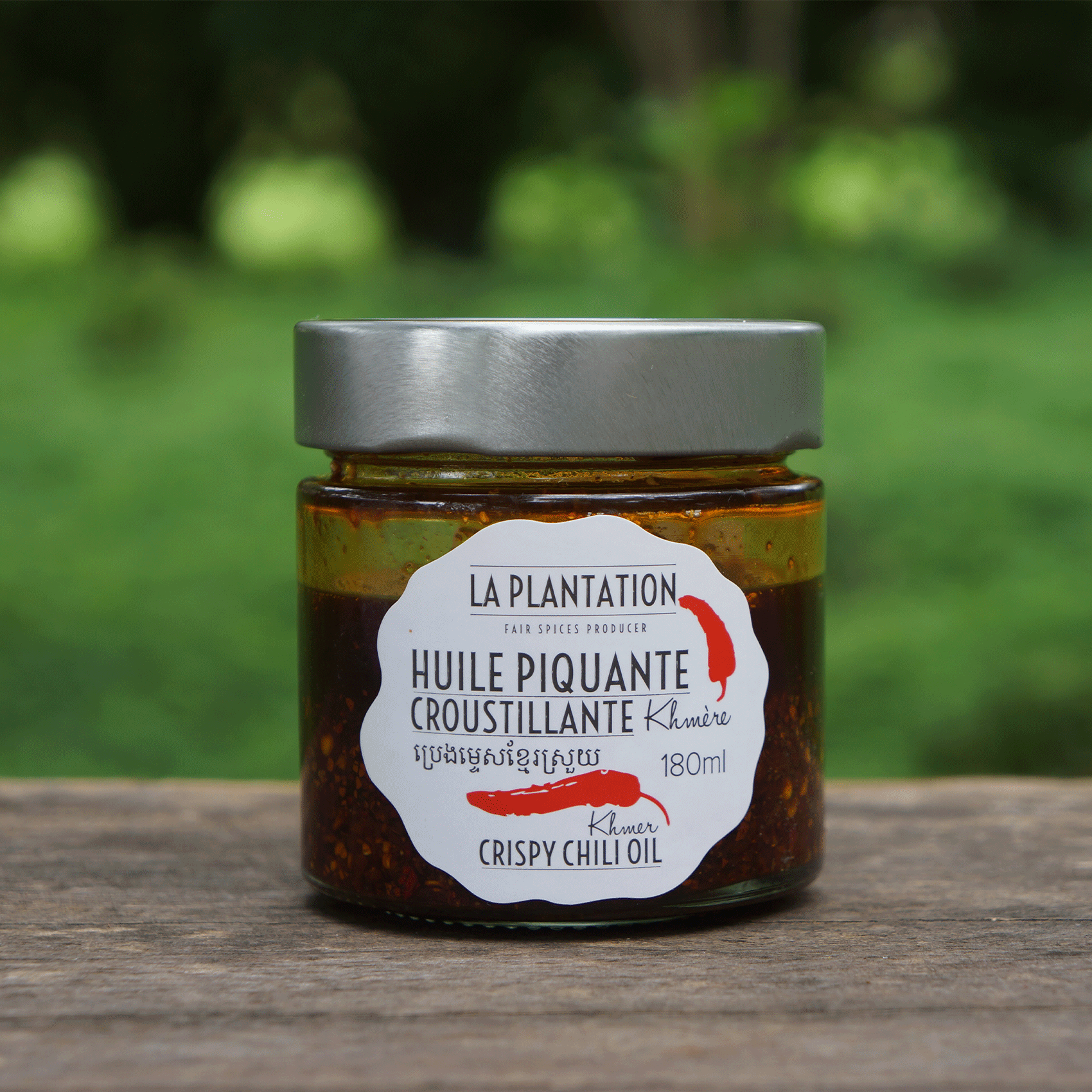
Crispy chili oil is perhaps the most effective condiment on plain white rice. A spoonful or two delivers heat, crunch, and umami all at once.
Butter and fresh garlic, added off the heat, create an immediate and universally appreciated aromatic base. For an Asian variation, replace the butter with sesame oil and add a dash of soy sauce. The result is different, and just as effective.
Fresh herbs always go on after cooking, off the heat. That is the rule shared by every variety. Heat destroys their volatile aromas within seconds.
Coriander (fresh and citrusy) is the classic herb for Asian and Mexican rice. Flat-leaf parsley (herbaceous and mild) is universal. Chives, lightly garlicky, work well on risottos and rice salads. Mint, more unexpected, is very effective on a lemon rice or a cold rice dish.
A grated lemon zest added as a finishing touch also transforms the entire aromatic register of a risotto or pilaf. One simple gesture, immediate results.
6 seasoned rice dishes from around the world
Rice pilaf is the most widespread rice technique in the world. From Uzbek plov to Indian biryani, Iranian tahdig, and Turkish pilav, the principle is shared: toast the rice in fat, cook in a flavoured stock, then rest to separate the grains.
The signature seasoning varies by region:
Central Asia uses cumin, onion, garlic, carrots, and lamb.
Iran uses saffron, candied orange zest, and barberries.
India uses turmeric, cardamom, cinnamon, cloves, and pepper.
Turkey uses chicken stock, bay leaf, and butter to finish.
The technique for a perfect pilaf: at the end of cooking, place a clean kitchen cloth between the pot and the lid. The cloth absorbs residual steam and gives perfectly separated, dry grains.
In South-East Asia, rice is not always seasoned with dry spices, it is scented with fresh plants infused into the cooking liquid.
In Cambodia, lemongrass, galangal, and kaffir lime leaves perfume the rice during cooking. The result is fresh, floral, and lightly citrusy.
A lesser-known but very effective technique: infuse dehydrated ginger or galangal petals directly in the cooking water, or slip a lemongrass stalk into the stock. The aromas release gradually and flavour every grain.
For a successful Cantonese fried rice, day-old rice is essential. Refrigerator-chilled overnight, the grains are dry and well-separated, they hold up perfectly over high heat. Freshly cooked rice is too moist and breaks up. That detail is often what makes all the difference.
The technique: wok or pan over very high heat, neutral oil, cold rice, scrambled eggs, peas, ham or prawns. Soy sauce goes in at the end, a few spoonfuls bring depth and colour. A few drops of sesame oil off the heat finish the dish.
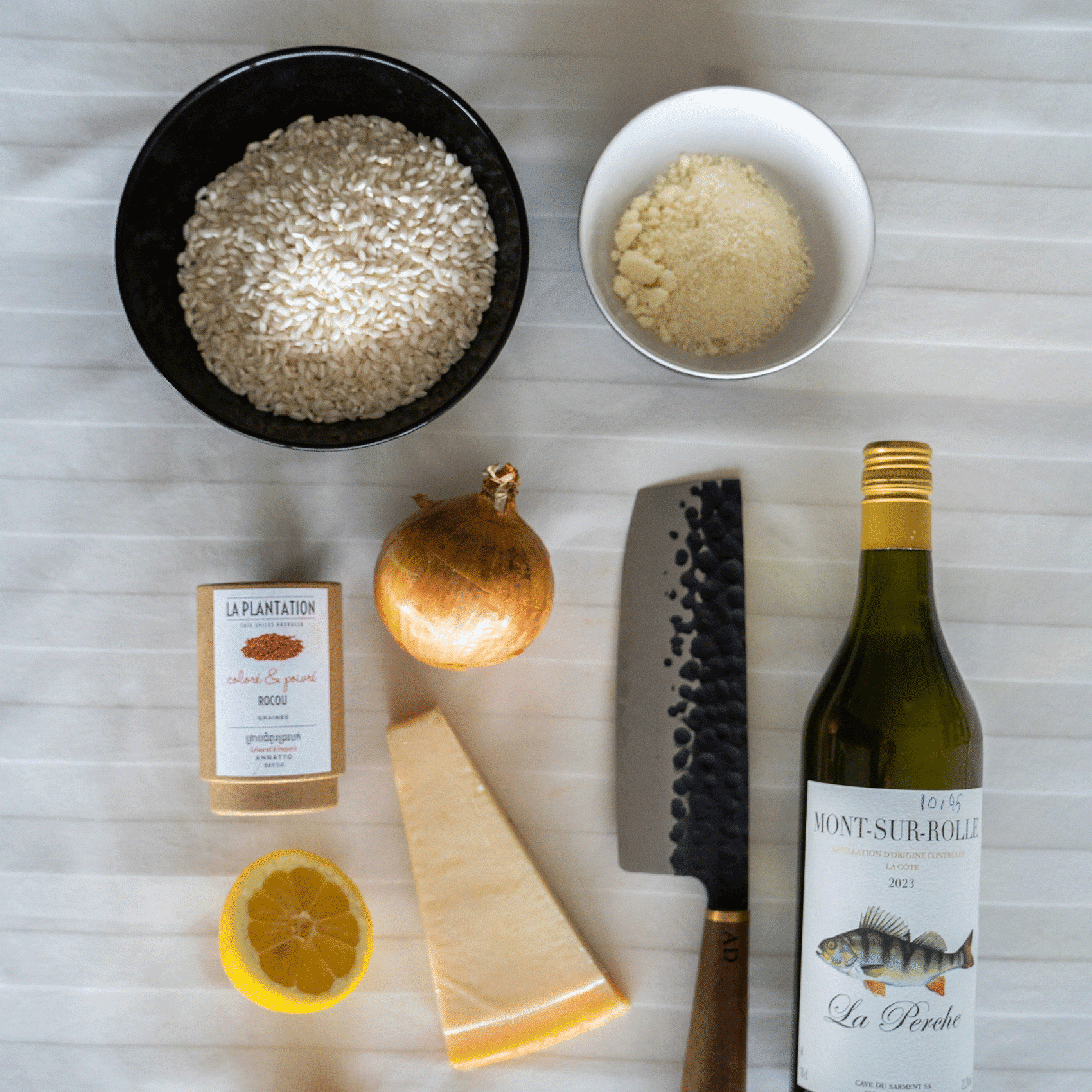
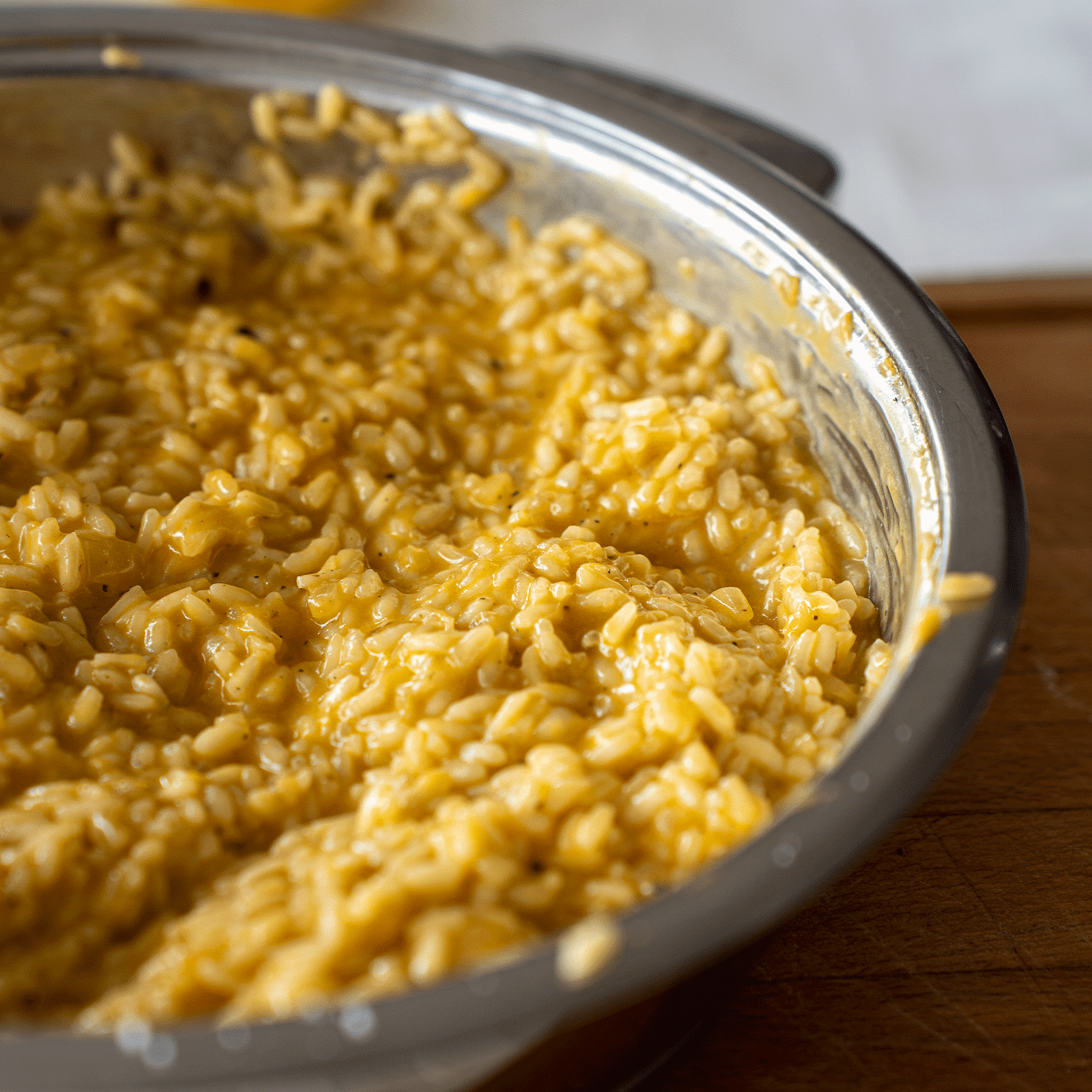
Risotto is the most eloquent demonstration of what rice can absorb when given the time. Use arborio rice, the traditional choice for this recipe. The correct approach is to cook the rice ladle by ladle in a warm stock, incorporate the white wine at the start of cooking, then finish with Parmesan and butter and the mantecato.
For a lesser-known but surprising variation: add a few turns of smoked Ratanakiri black pepper as a finishing touch on a lemon risotto, in the spirit of a reimagined cacio e pepe.
Leftover risotto transforms easily into arancini, fried rice balls stuffed with cheese or meat. The already-seasoned rice naturally carries its aromatic depth through to the final preparation. A simple and flavourful way to waste nothing.
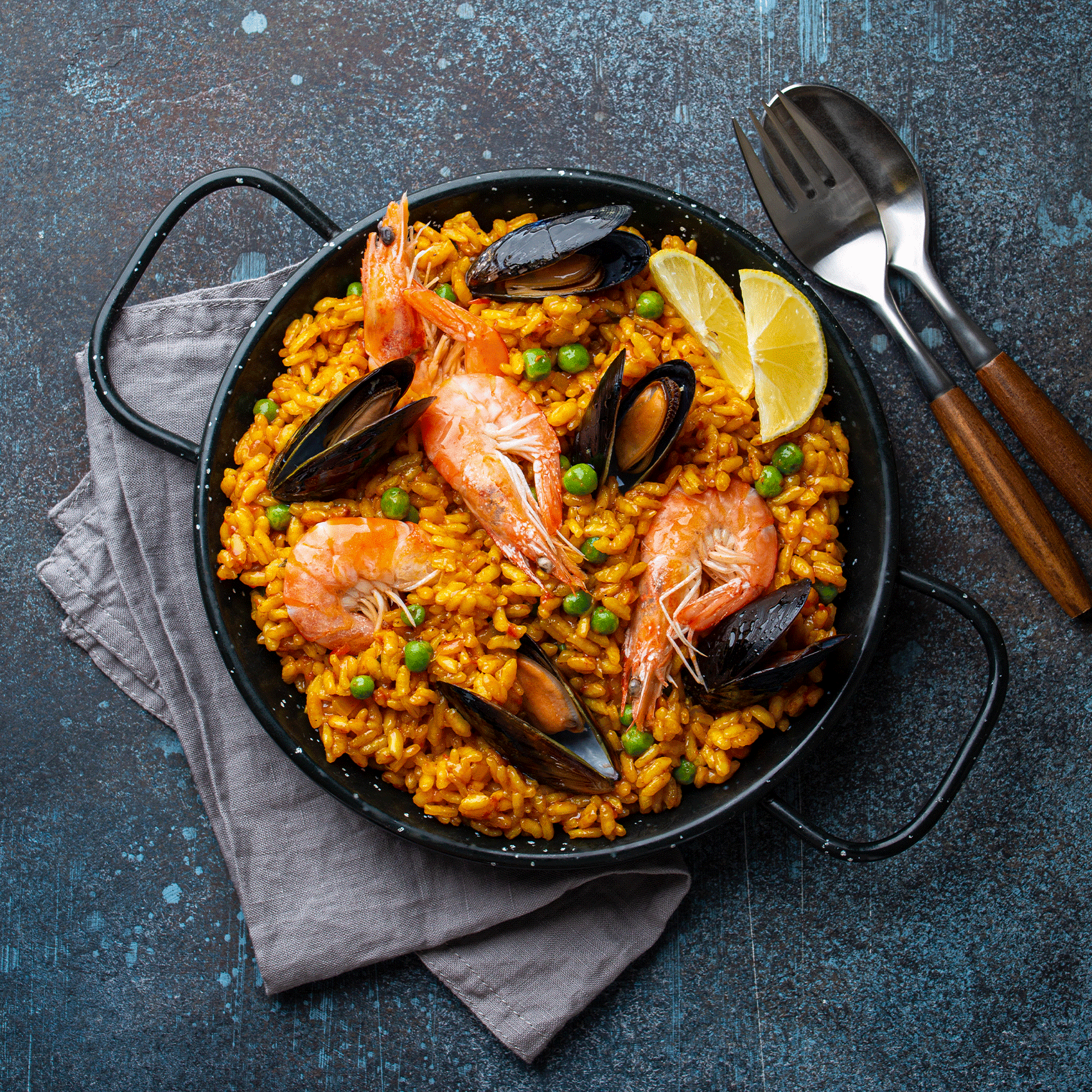
On the Mediterranean side, rice is seasoned with smoked paprika, tomatoes, peppers, and herbs.
This is the register of Spanish paella bomba rice cooked in a seafood stock perfumed with smoked paprika, saffron, and roasted peppers. Other recipes in this family include Portuguese rice and Greek lemon and oregano rice. A seafood spice blend brings immediate aromatic depth to these preparations without having to measure each spice individually.
On the Mexican side, arroz rojo is cooked in a tomato and garlic base, seasoned with cumin and coloured with paprika. The spices go into the fat at the very start of cooking, before the rice and liquid are added, they build the aromatic base rather than correct it afterwards.
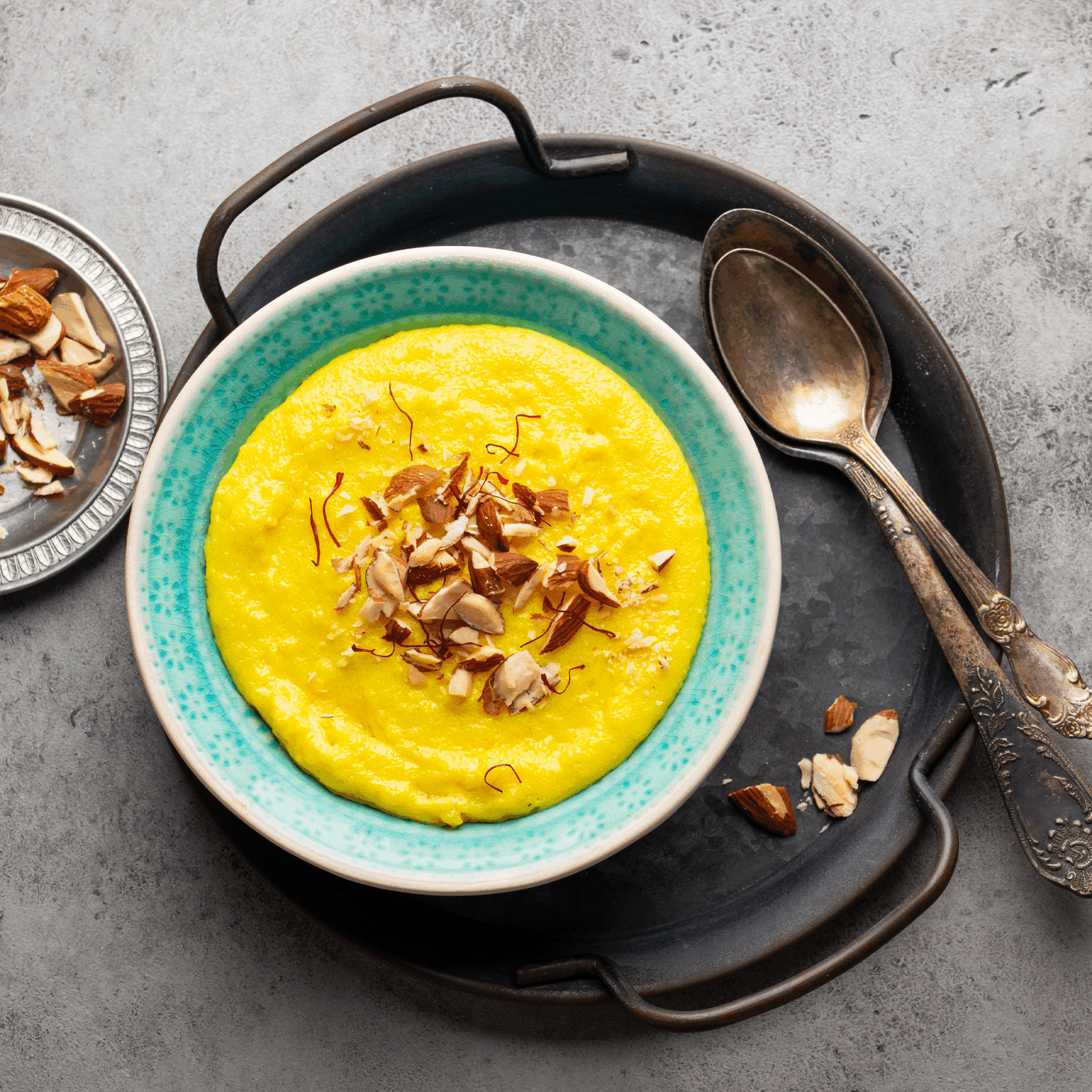
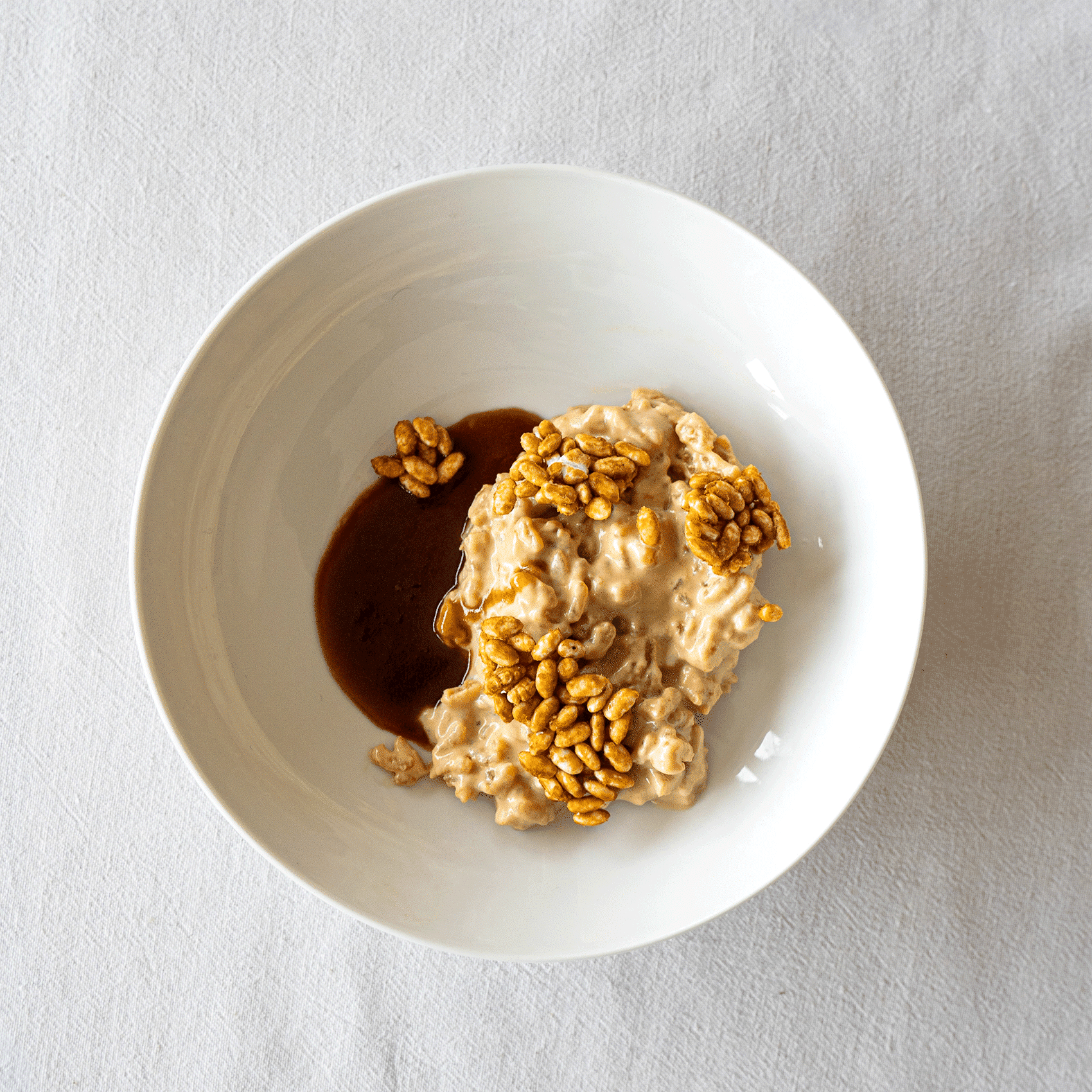
Rice pudding proves that starch plays the same role in the sweet register as it does in the savoury one. It exists in almost every culture: kheer in India (cardamom, rose water, saffron), sutlaç in Turkey (cinnamon, rose water), risalamande in Denmark (vanilla, almonds, cherry), and classic rice pudding in France (vanilla, cinnamon).
Each version tells the story of its local spices. Cardamom and rose water for an Indian-inspired rice pudding. Star anise infused into the cooking milk for a more anise-forward version. A Cambodian interpretation of this universal classic uses young ginger which is more floral and less fiery than mature ginger to gently perfume the milk in a way that mature ginger cannot.
FAQ
Three moves are enough. Cook the rice in a stock rather than water. Dry-toast the grains for 2 minutes before adding the liquid. Finish with a knob of butter and garlic, or a few drops of soy sauce, off the heat. These three techniques require no sauce and completely transform the result.
Dry spices go in at the start of cooking, directly into the water or stock to infuse throughout. Fresh herbs and liquid condiments (sesame oil, soy sauce, chili oil) always go in after cooking, off the heat, to preserve their volatile aromas.
Yes and it is actually recommended for certain recipes. Rice cooked the day before and chilled in the refrigerator is ideal for Cantonese fried rice, cold rice salads, and rice bowls. The aromas from the spices infused during cooking continue to develop as the rice rests in the cold.


Subscribe to our Newsletter now
Get a free product for your first order!
Donation