How to Season rice: Spices, techniques, and recipes
Product
-
12.06.26
Suggestions

9 Spices to Pair with Squash: Butternut, Kabocha, and Pumpkin
Sommaire
This guide presents 9 spices that pair ideally with squash, their pairings, their best moments of use, their dosages, and the key differences between the main varieties.
Key takeways:
Not all cucurbits are equal in the kitchen and the choice of spices for squash depends directly on the variety you are cooking. Butternut, kabocha, and pumpkin belong to the same botanical family, but their water content, flesh density, and sweetness vary considerably from one variety to the next. These differences are precisely what determine which spices work best with each squash.
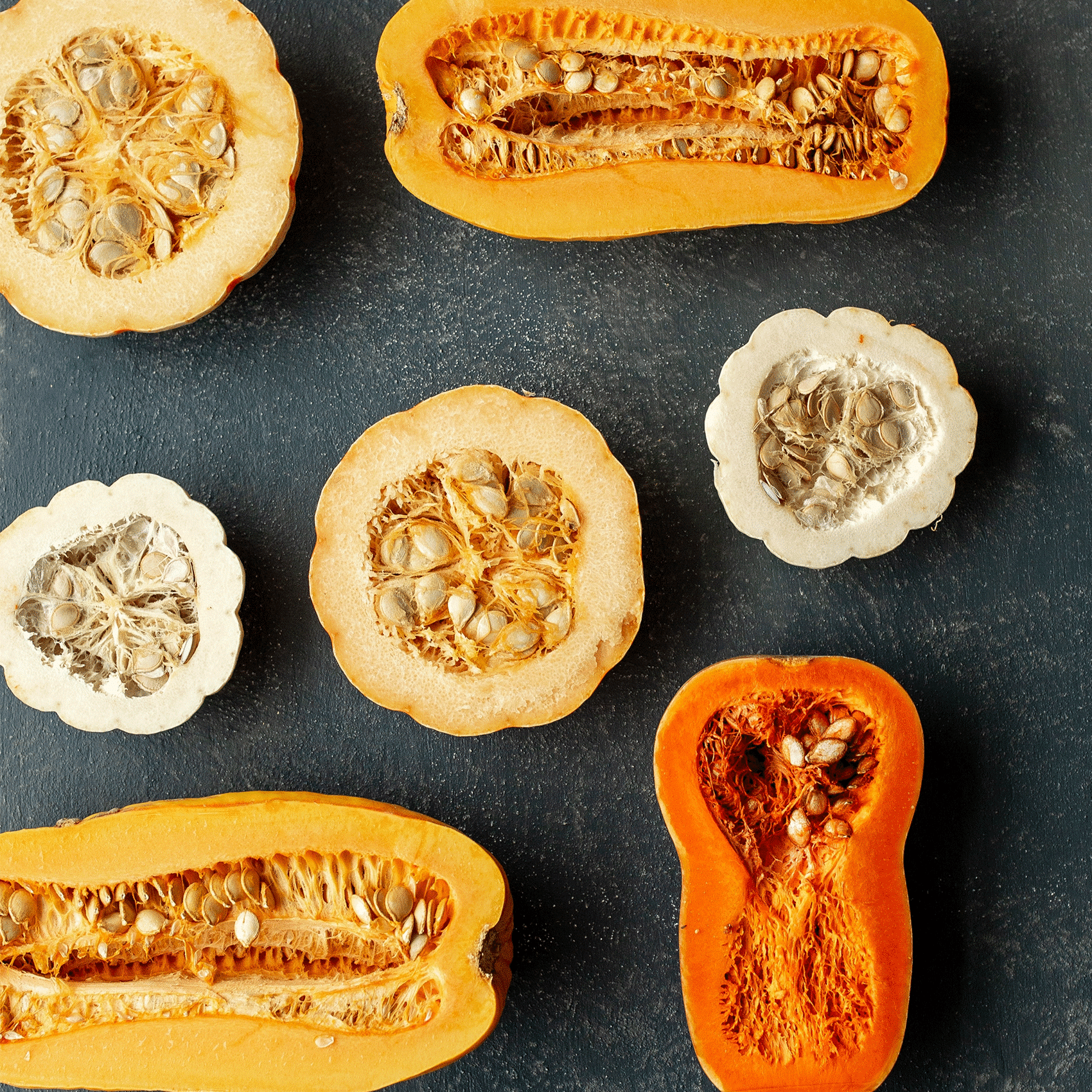
Butternut, Kabocha, Pumpkin: Different Profiles, Different Spices
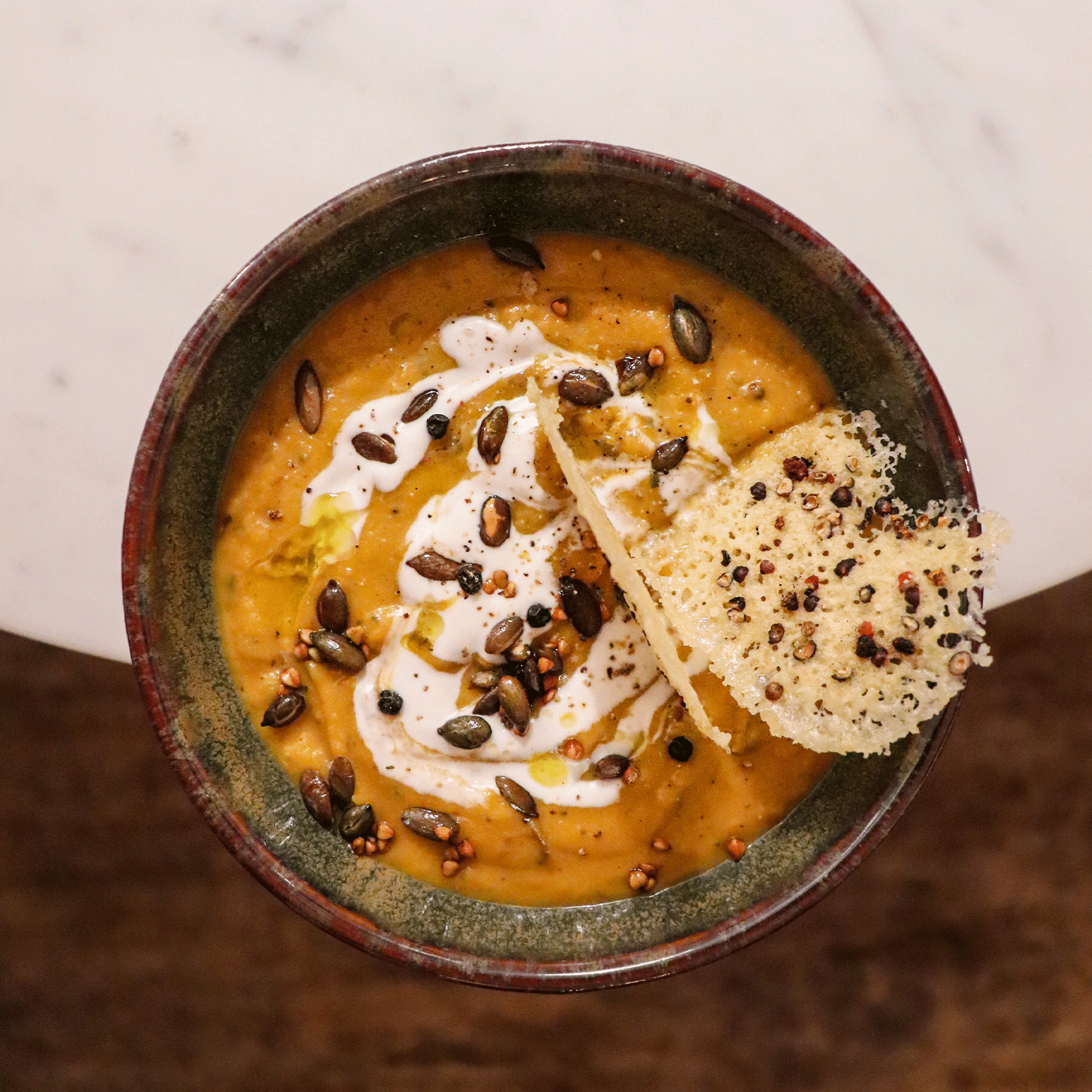
Butternut is the sweetest of the three, with fine, low-fibre flesh that cooks quickly and remains homogeneous. Its low fibre content makes it particularly receptive to gentle and floral spices: you can pair cinnamon, cardamom, ginger, or turmeric without ever masking its natural softness. This smooth texture also makes it an excellent base for velouté soups, where the spice diffuses evenly through the purée.
It also lends itself very well to sweet-savoury oven preparations: a touch of cinnamon over diced roasted butternut is enough to reveal its almost caramelised side at the end of cooking.
Kabocha stands out for a natural chestnut note, due to its higher starch concentration compared to other squash. This starch richness also gives it its dense, slightly floury texture once cooked for a very different from the softness of butternut. You can therefore pair it with more assertive spices without any risk of imbalance: smoked paprika, star anise, galangal, pepper.
Kabocha also stands apart in that its skin becomes edible once cooked, which changes how spices should be applied: dusting them directly over the wedges before roasting gives a caramelised surface that concentrates their aromas. It is in this roasted preparation with warm, smoky spices that kabocha gives its very best.
Pumpkin and marrow have more watery flesh than their cousins, which naturally dilutes their flavour. This higher water content explains why spices play a different role with them: they do not simply accompany the vegetable, they genuinely structure its flavour, which would otherwise remain fairly neutral. Cinnamon, ginger, cardamom, and nutmeg are the classic allies of this family, often used in combination rather than individually.
This is exactly the principle at work in pumpkin spice as the blend popularised in the United States and now the base of every pumpkin pie and pumpkin spice latte recipe. Without it, cooked pumpkin would taste noticeably more understated.
The 9 Spices to Pair with Squash
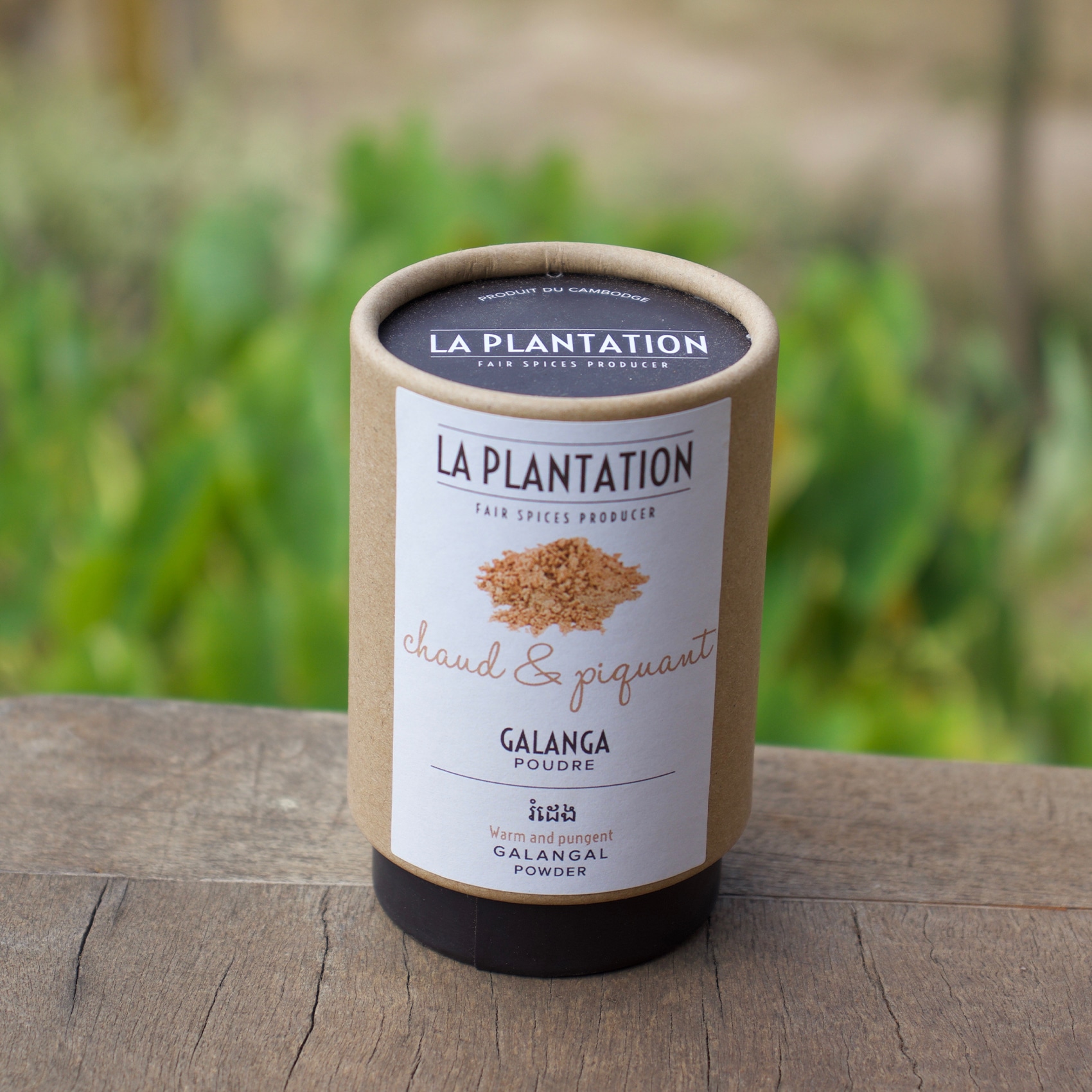
Galangal is a rhizome related to ginger that brings an exotic and aromatic touch to squash dishes. Its unique aroma adds depth with less heat than ginger and more floral character. Mix galangal powder with olive oil before roasting for even distribution across the pieces. This spice adds a distinctive aromatic depth to squash and is particularly effective in soups and stir-fries.
Recommended dosage: 1 teaspoon per 500g as a coating before cooking.
Lemongrass is an aromatic plant that brings citrusy freshness to squash dishes. Its flavour profile is citrusy and lightly mentholated cuts through the sweetness of the squash in Asian-inspired preparations and lightens coconut milk soups and wok stir-fries.
Incorporate one teaspoon of powdered lemongrass stem into a marinade of soy sauce and sesame oil before roasting or sautéing. Lemongrass also works very well in squash soups, adding a zesty note that perfectly balances the natural sweetness of the vegetable.
Turmeric amplifies the natural orange tint of squash and is an essential spice for squash dishes, adding a gentle background warmth. Mix turmeric powder with olive oil to coat your squash pieces before cooking. It intensifies the colour of the dish while adding an earthy flavour that pairs beautifully with the sweetness of the squash.
Our tip: always add a good grind of black pepper when using turmeric, to facilitate and speed up the absorption of curcumin, its active compound.
Paprika works particularly well on oven-roasted squash. In its smoked version, it caramelises with heat and brings a very effective ember-like note on kabocha. When roasted over a barbecue using smoked paprika powder, cucurbits take on pleasantly smoky aromas. In its sweet version, it colours without aggressing, which is ideal on butternut wedges or a spiced soup. In both cases, coat with olive oil before roasting for even distribution.
Recommended dosage: 1 teaspoon per 500g as a coating before cooking.
Cardamom, with its mentholated and lightly smoky aroma, can bring a genuinely surprising exotic touch to squash dishes. Its floral, lightly citrusy, and fresh notes reveal the sweet, delicate side of butternut without overpowering it. Cardamom can be added to a dish in different forms: the pods can be cracked and added directly during cooking, or it can be used in ground form.
Try adding it to a squash soup with coconut milk for a rich and complex flavour.
Recommended dosage: 2 whole pods during cooking, or a quarter of a teaspoon in powder form.
Ginger brings liveliness and warmth to a squash soup. Its peppery, citrusy profile contrasts with the natural sweetness of the flesh and lightens velouté soups without weighing them down. In powder form, it integrates directly into the preparation. Ground ginger works particularly well with butternut. Combined with a drizzle of honey, it creates a very effective sweet-spicy harmony on a roasted squash or alongside warm goat’s cheese.
Recommended dosage: half a teaspoon of powder per 500g of squash.
Star anise is an emblematic spice of South-East Asia that creates a particular depth in slow-cooked dishes. Its liquorice and lightly woody notes infuse slowly into long soups and kabocha curries. It pairs very well with lentils and kabocha in a wintry dahl. Always add it whole at the start of cooking and remove before serving.
Recommended dosage: 1 whole star anise per soup serving 4 people.
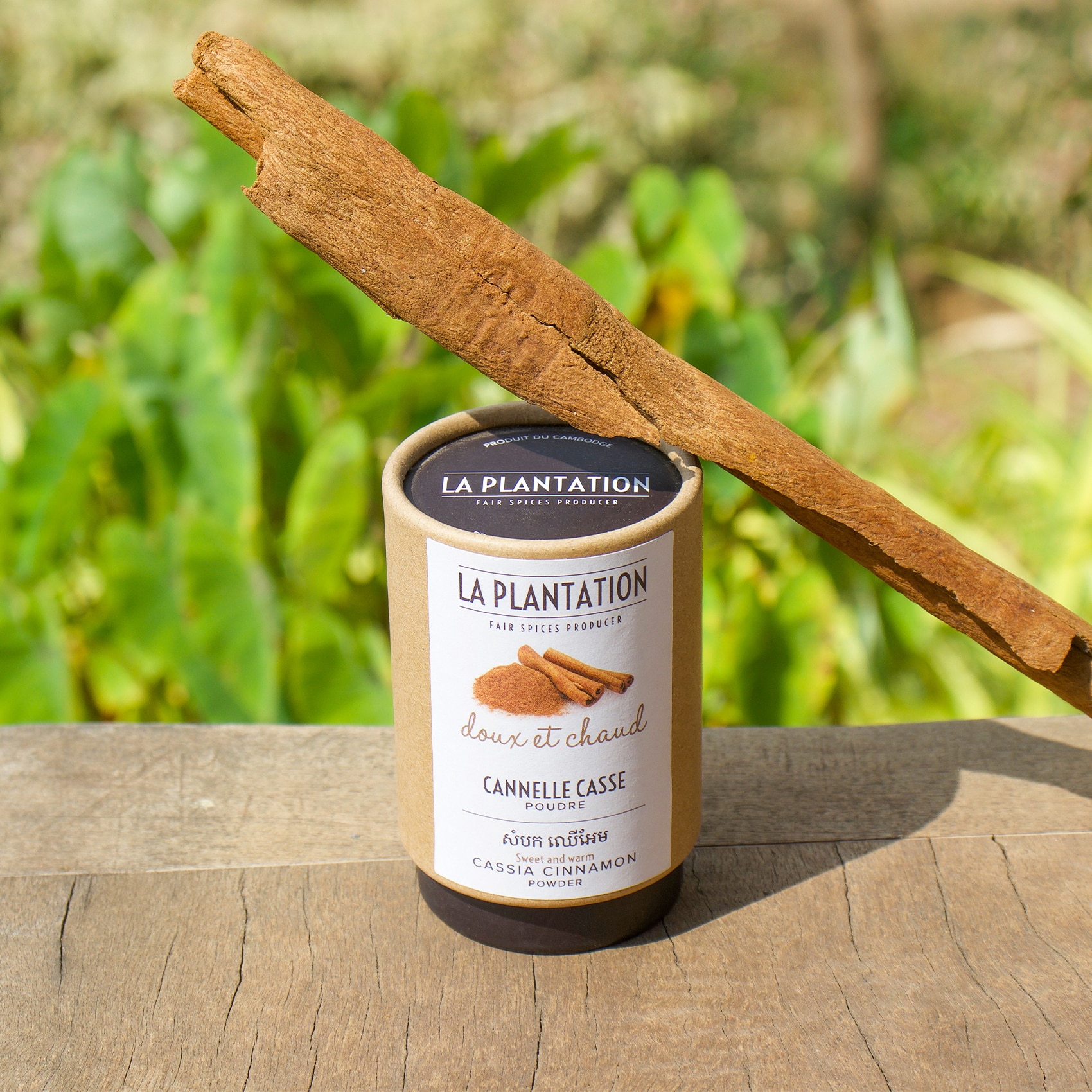
Cinnamon echoes the natural sweet notes of squash, this is a similarity pairing, not a contrast: the two reinforce each other. Cinnamon pairs particularly well with squash in sweet preparations, widely found in American autumn recipes and Thanksgiving most notably the pumpkin pie.
It is indispensable in a butternut velouté, in the American pumpkin pie, and in all sweet pumpkin preparations. In savoury versions, it adds a touch of roundness to a butternut soup.
Beyond individual spices, a well-balanced blend is often the most practical approach — particularly for pumpkin and marrow, which need several spices working together. Combining cinnamon, ginger, cardamom, and nutmeg in equal parts creates a versatile autumn blend that works across soups, roasted preparations, and sweet dishes alike.
This is the principle behind pumpkin spice and it is far easier to replicate at home than most people assume.
Spices for Squash by Cooking Method
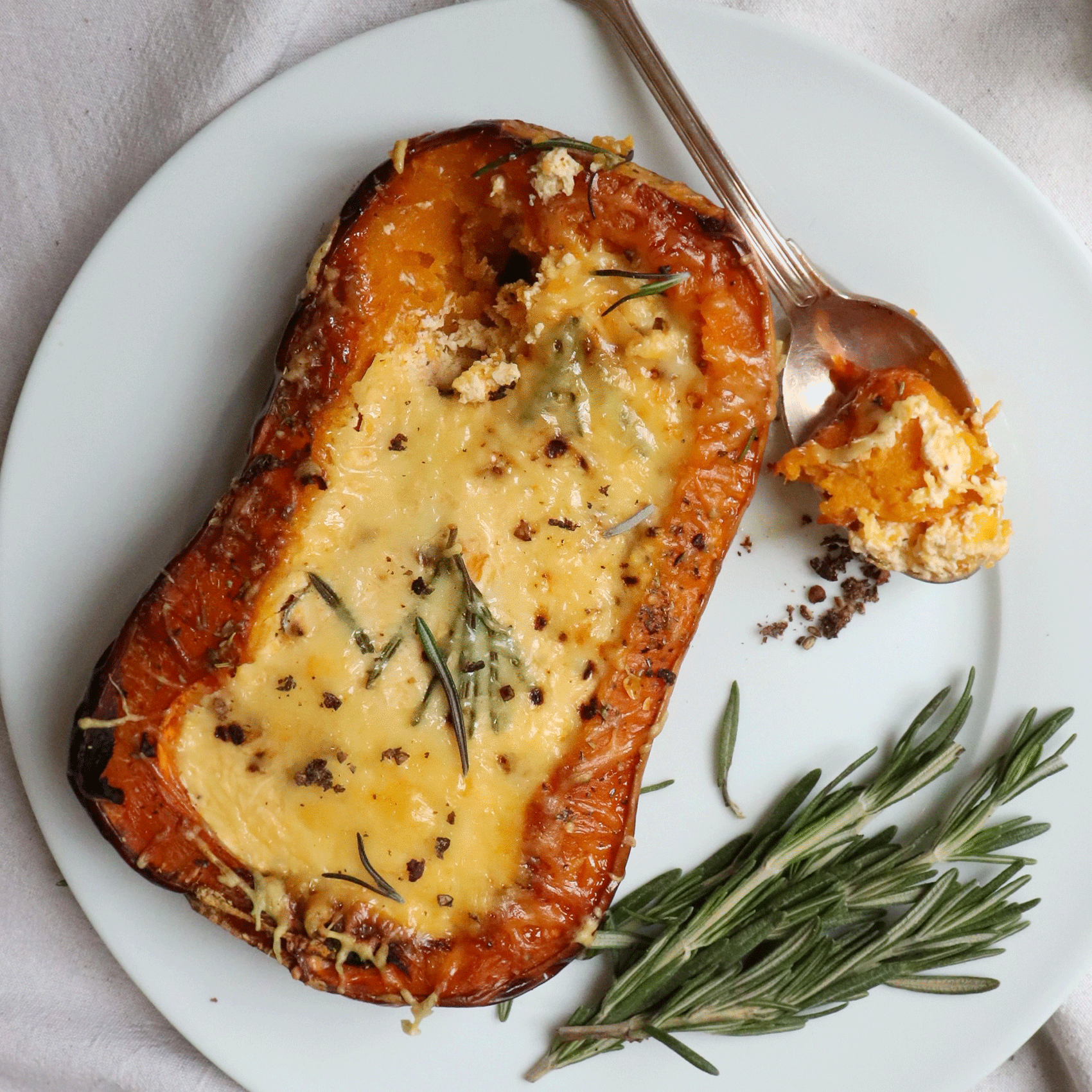
The dry heat of the oven concentrates the natural sugars of the squash. Spices that caramelise well are therefore the most effective in this cooking method.
Classic combination: smoked paprika, ginger, olive oil, and fleur de sel coat before roasting at 200°C.
Softer version: cinnamon, turmeric, honey, and coconut oil. In both cases, coat generously before putting in the oven for even caramelisation.
Long cooking in stock allows whole spices to diffuse in depth. The most effective technique is the tarka: fry the spice powders in hot butter or oil before adding the squash and stock. The aromas are released and integrate far more deeply than if added directly to the liquid.
Butternut: ginger, turmeric, and coconut milk.
Kabocha: cardamom, cinnamon, and star anise.
Useful questions on squash pairing with spices
Ginger and cinnamon are among the most effective spices with butternut. Ginger brings liveliness and contrasts with its natural sweetness which is ideal in a velouté. Cinnamon creates a resonance pairing with its sweet side for perfect for oven preparations or sweet dishes. For a creamy soup, the combination of ginger, turmeric, and coconut milk is particularly delicious.
Smoked paprika works very well on roasted kabocha. It caramelises and amplifies the natural chestnut notes of the vegetable. Pair with olive oil, a pinch of ginger, and fleur de sel. For a more exotic version, galangal or star anise add a remarkable aromatic depth.
Powdered spices are activated in hot fat before the stock is added. This is the most effective technique for diffusing aromas deeply, the tarka principle. Whole spices like star anise or cardamom pods go in at the start of cooking and are removed before blending.


Subscribe to our Newsletter now
Get a free product for your first order!
Donation