
9 Spices to Pair with Squash: Butternut, Kabocha, and Pumpkin
Product
-
02.10.26
Suggestions
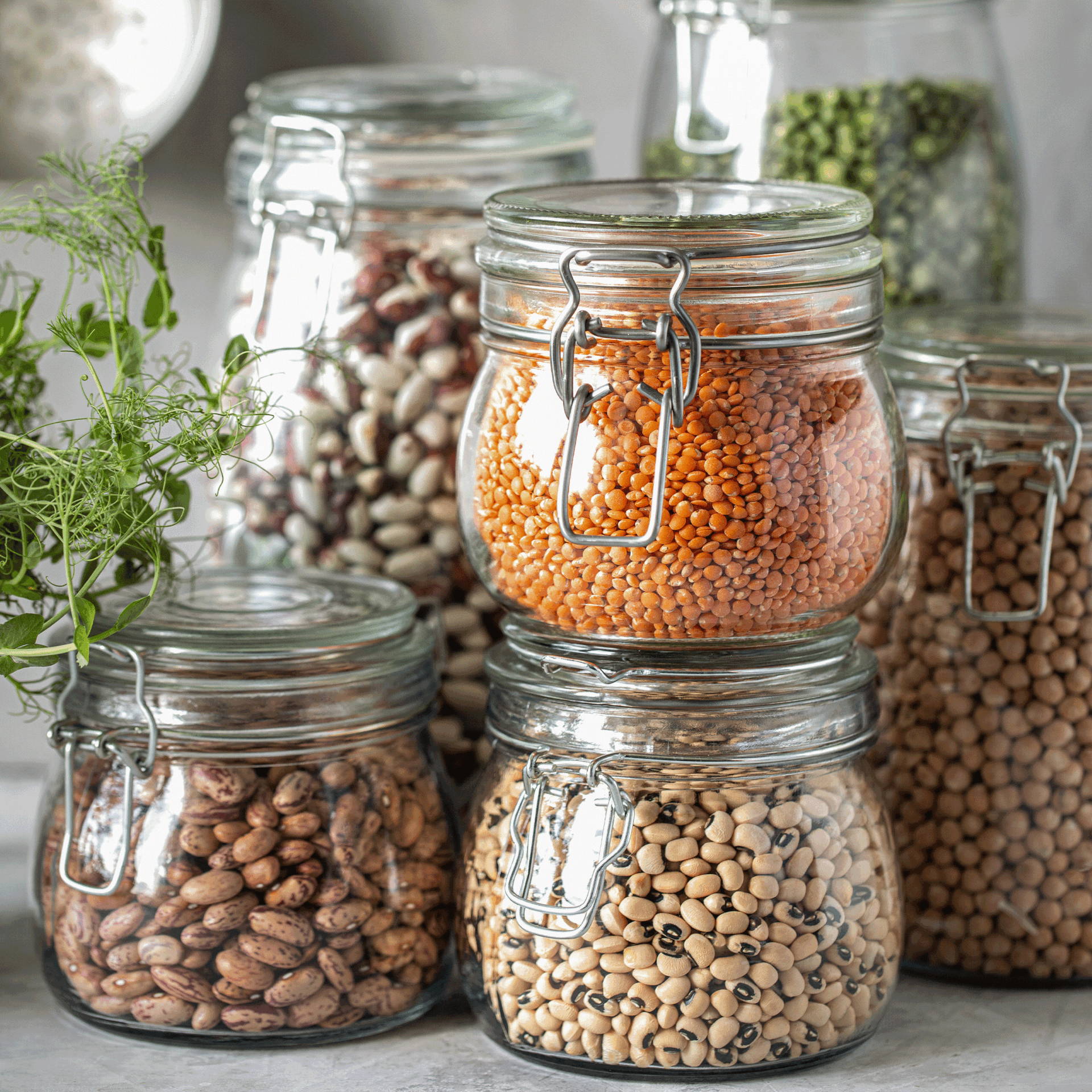
Legumes: How to cook and season them with spices
Sommaire
Legumes are not bland by nature. Lentils, chickpeas, beans: if these foods have a reputation for being dull on the plate, it is rarely their fault. It is almost always the fault of the seasoning or rather, the absence of it.
Like rice or pasta, legumes are a neutral canvas. They absorb aromas during cooking with remarkable efficiency. Well-spiced, they become one of the most versatile and flavourful ingredients in everyday cooking. This guide covers everything: what a legume is, how to choose one, how to cook it, and above all how to season it according to its texture.
Key takeways:
|
A legume is the edible seed of a plant from the Fabaceae family, generally contained in a pod. It differs from classic vegetables through its richness in plant protein and its low water content once dried.
3 main families structure the category: lentils, peas, and beans, each with numerous varieties, distinct textures, and different culinary uses.
| Family | Common varieties | Average cooking time (soaked) | Texture |
| Lentils | Green, red, blonde, beluga | 15 to 30 min | Firm to soft depending on variety |
| Peas | Chickpeas, split peas, yellow peas | 45 to 90 min | Firm and floury |
| Beans | Red, white, black, flageolet, cannellini | 45 to 90 min | Creamy and soft |
| Broad beans | Dried, fresh | 40 to 60 min | Dense and floury |
| Soy | Edamame, dried soybean | 60 to 90 min | Firm |
| Other | Green split peas, lupin | 30 to 60 min | Variable |
Legumes are among the best sources of plant protein, particularly valuable in a flexitarian or vegetarian diet. Combined with a grain (rice, wheat) in the same meal, they form a complete amino acid profile. This principle is ancient: it appears in Indian cooking with dal served over rice, and in Caribbean cuisine with rice and red beans.
Legumes have a high fibre content that supports satiety and digestive health. Their glycaemic index is generally low to moderate, making them a strong choice in a balanced diet.
(Source : The Role of Dietary Fiber in Health Promotion and Disease Prevention: A Practical Guide for Clinicians. Dec 2025)
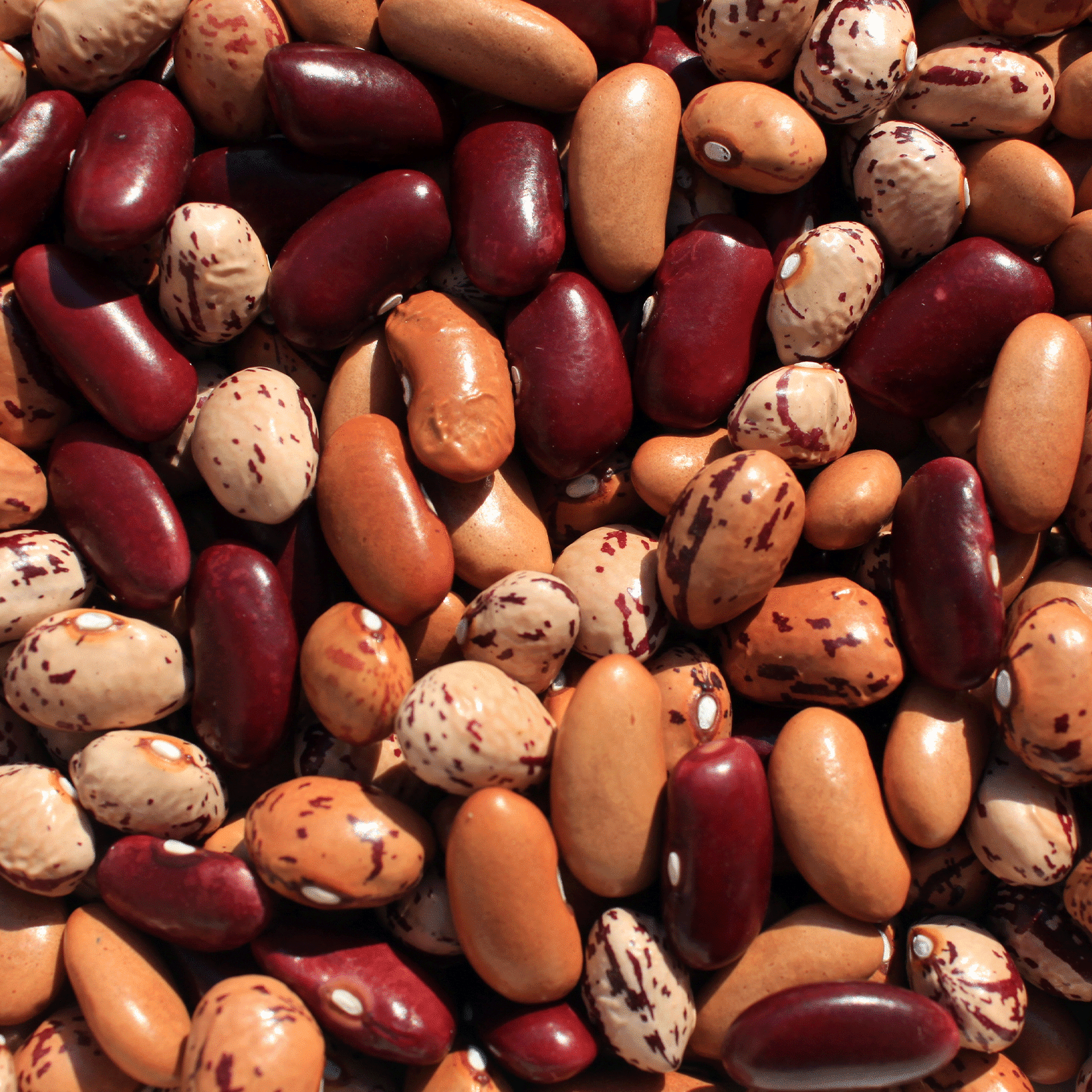
Sold loose or in bags, dried legumes require soaking for several hours before cooking with the exception of red lentils. They offer better texture after cooking, lower cost, and long shelf life of up to two years. The only drawback is the longer preparation time.
Ready to use after a simple rinse, tinned legumes save considerable time. Their texture is sometimes softer than home-cooked legumes, and their salt content is often higher. Rinsing them thoroughly under cold water before use is essential. They remain perfectly suited to quick weeknight cooking.
Legumes have an earthy, discreet taste without pronounced acidity or bitterness. It is precisely this neutrality that makes them so versatile. Like rice or pasta, they act as a canvas that absorbs and reveals the aromas of whatever spices they cook with.
Unlike meat, a legume absorbs aromas throughout the entire duration of its cooking time. Adding spices at the start of cooking, in the water or stock allows for even diffusion deep into the grain, not just on the surface. Whole spices like long pepper, cardamom pods, cinnamon pieces are particularly effective in long, slow cooking, where they infuse gradually and thoroughly.
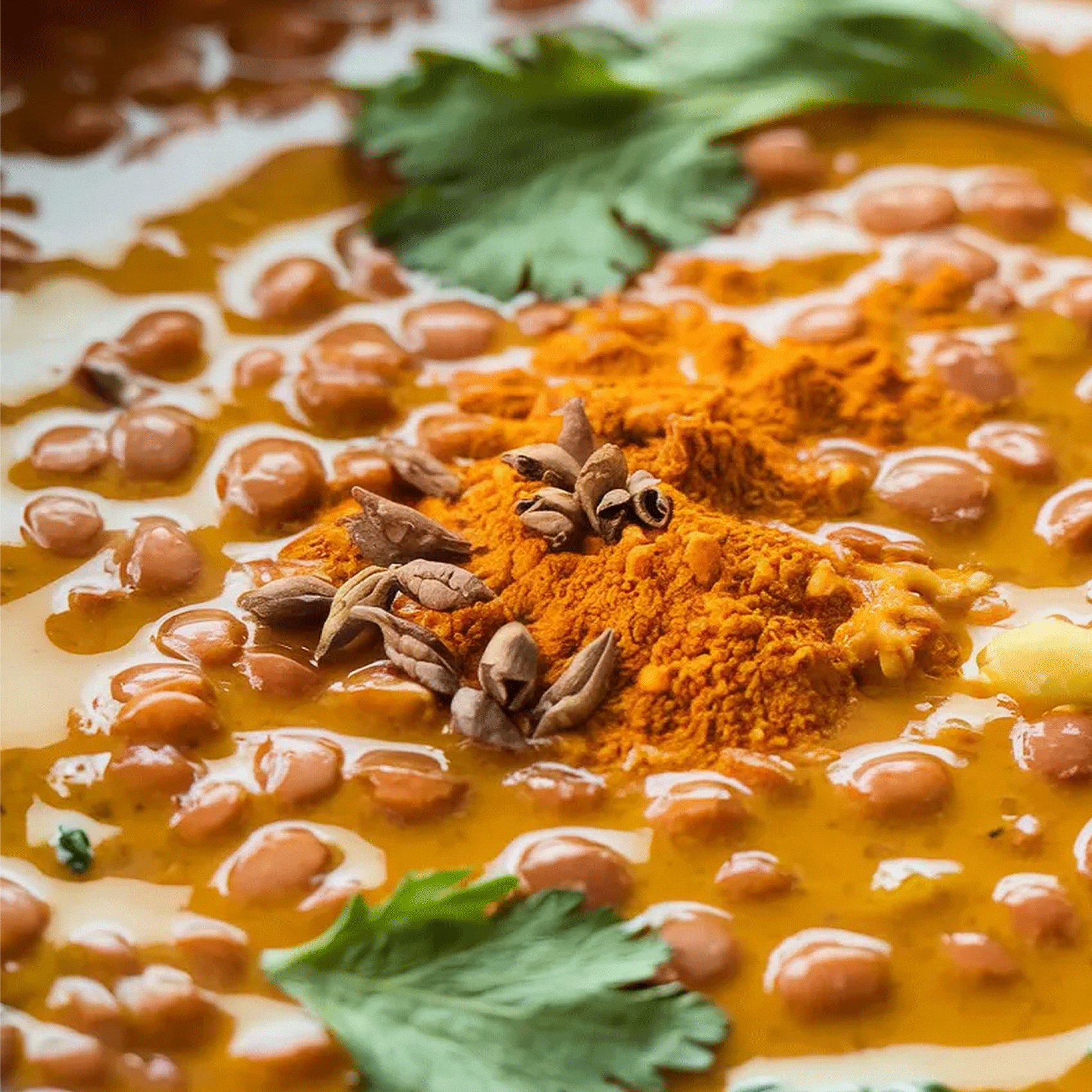
Firm legumes call for spices that add structure and character. They hold up well through long cooking and suit pronounced aromatic profiles.
Galangal powder is a more unexpected alternative to ginger: its camphor-like, floral profile brings a different depth that works beautifully with slow-cooked chickpeas.
Turmeric remains essential for its golden colour and gentle earthy warmth.
Curry leaves (kaloupilé) infused in hot oil at the very start of cooking release a distinctive, lightly citrusy aroma that perfumes the entire dish evenly. This is the tarka technique, inherited from Indian cooking, which is one of the most effective moves in spiced legume cooking.
Vadouvan mix for a complex profile without having to assemble each spice individually is a natural match for chickpeas and green lentils. A single spoonful does the work of several.
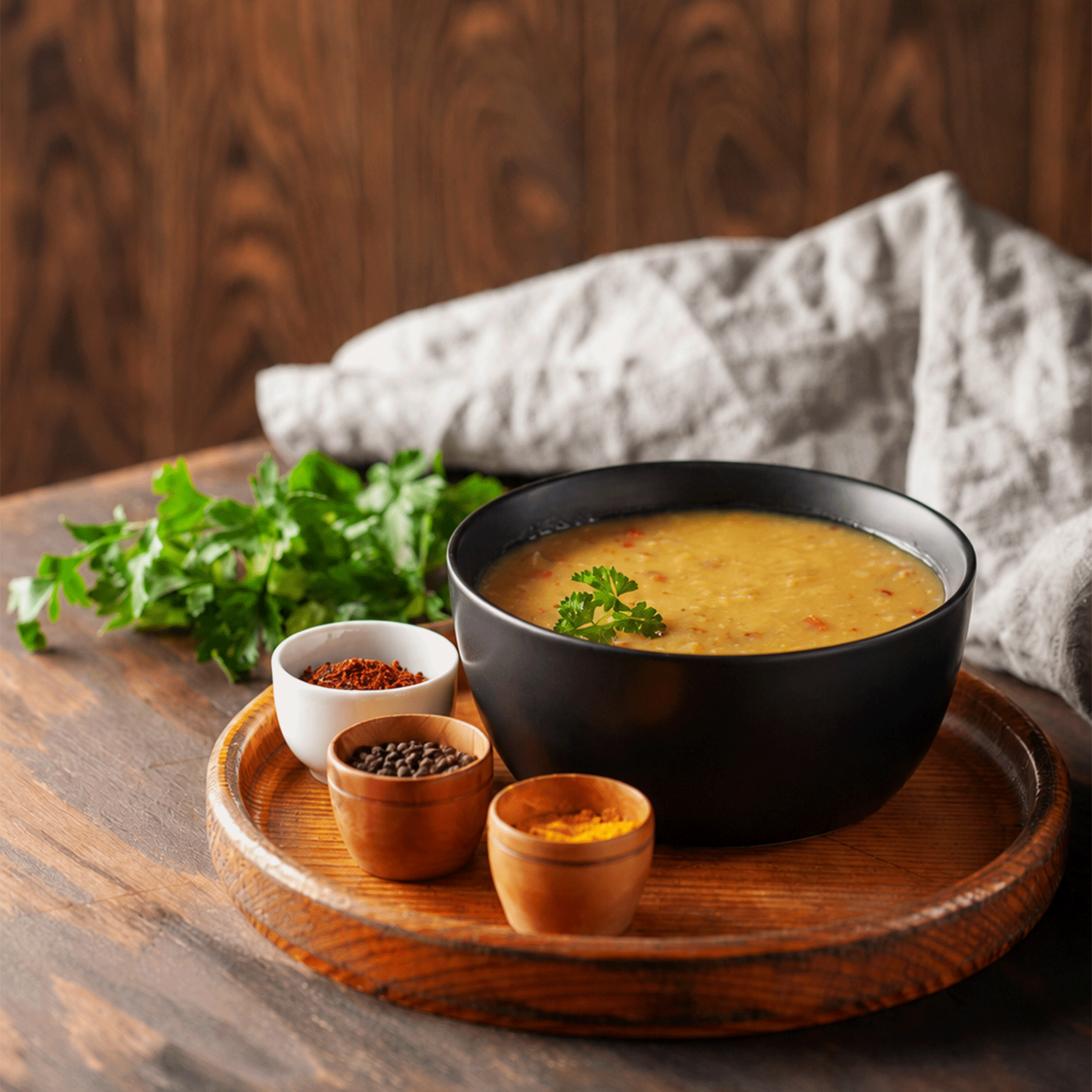
Creamy legumes need spices that accompany rather than overpower their soft, gentle texture. They suit warmer, woodier aromatic profiles.
Cinnamon powder can be added at the start of cooking or as a finishing touch, it brings a woody, lightly sweet warmth that integrates naturally with slow-cooked white beans. This is a common practice in Middle Eastern and North African kitchens.
Zaatar scattered off the heat as a finish brings a herbaceous freshness and a sesame note that wakes the beans up without weighing them down.
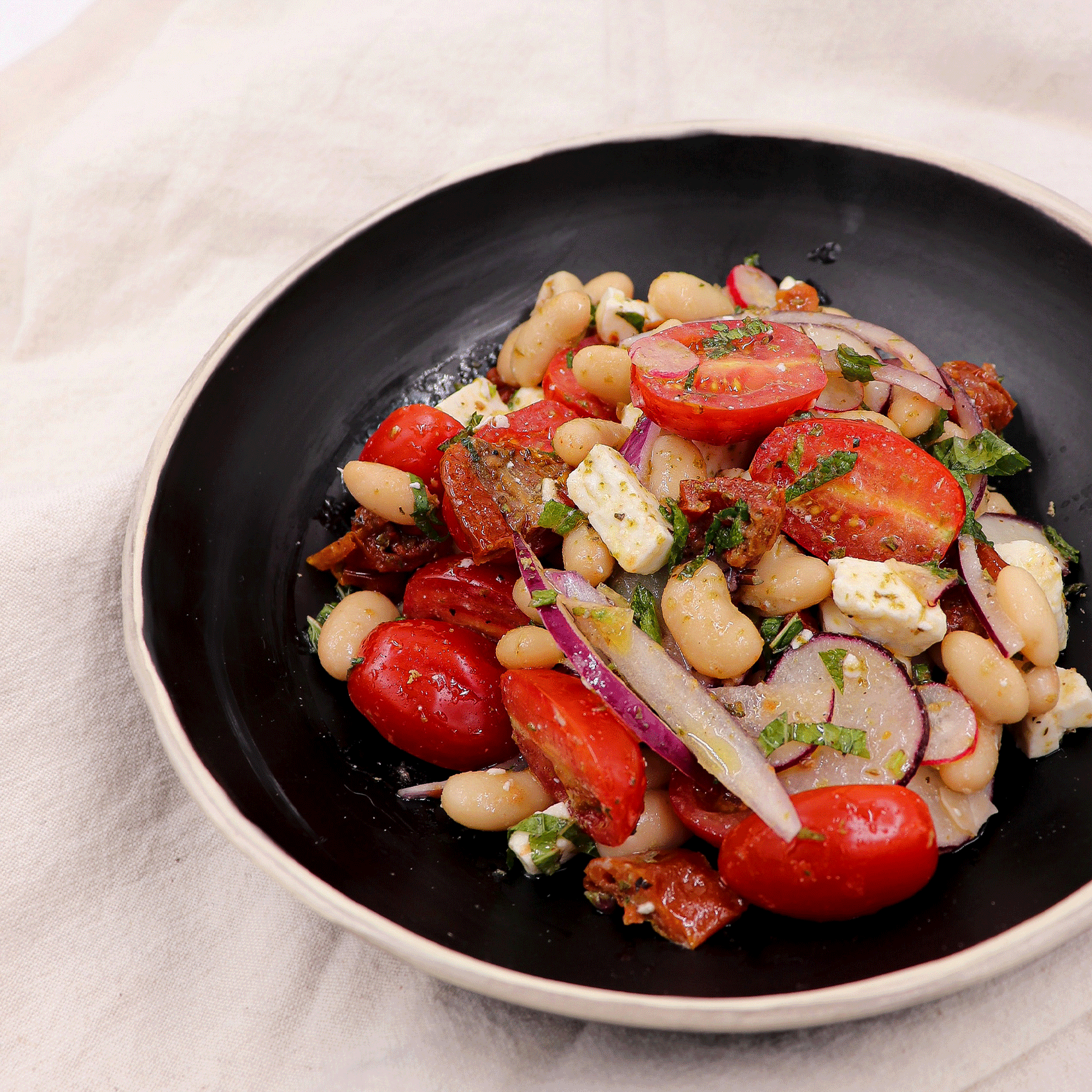
Smoked paprika adds depth and a light ember-like quality, very effective in white beans with tomato sauce or in a warm bean salad.
Red long pepper, added during the simmering stage, is ideal: its woody, lightly sweet notes release progressively into the cooking liquid.
Floury legumes have a dense texture that calls for spices capable of lightening as much as flavouring. The goal is to counterbalance the heaviness.
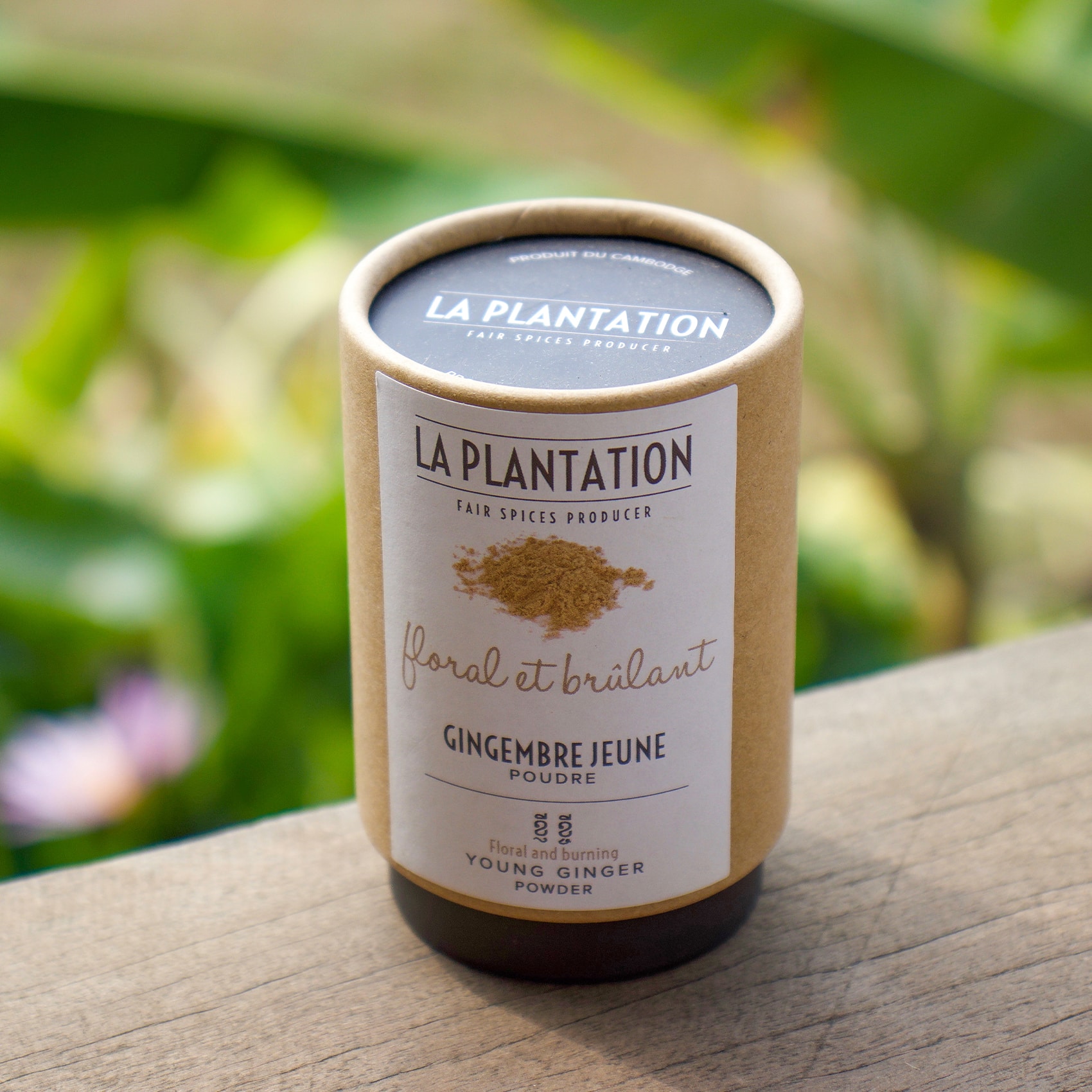
Young ginger powder is particularly well suited here, its warmth and freshness lift dense legume preparations effectively.
Lemongrass stem powder plays a similar role: its herbaceous, citrusy note aerates thick preparations in a very effective way.
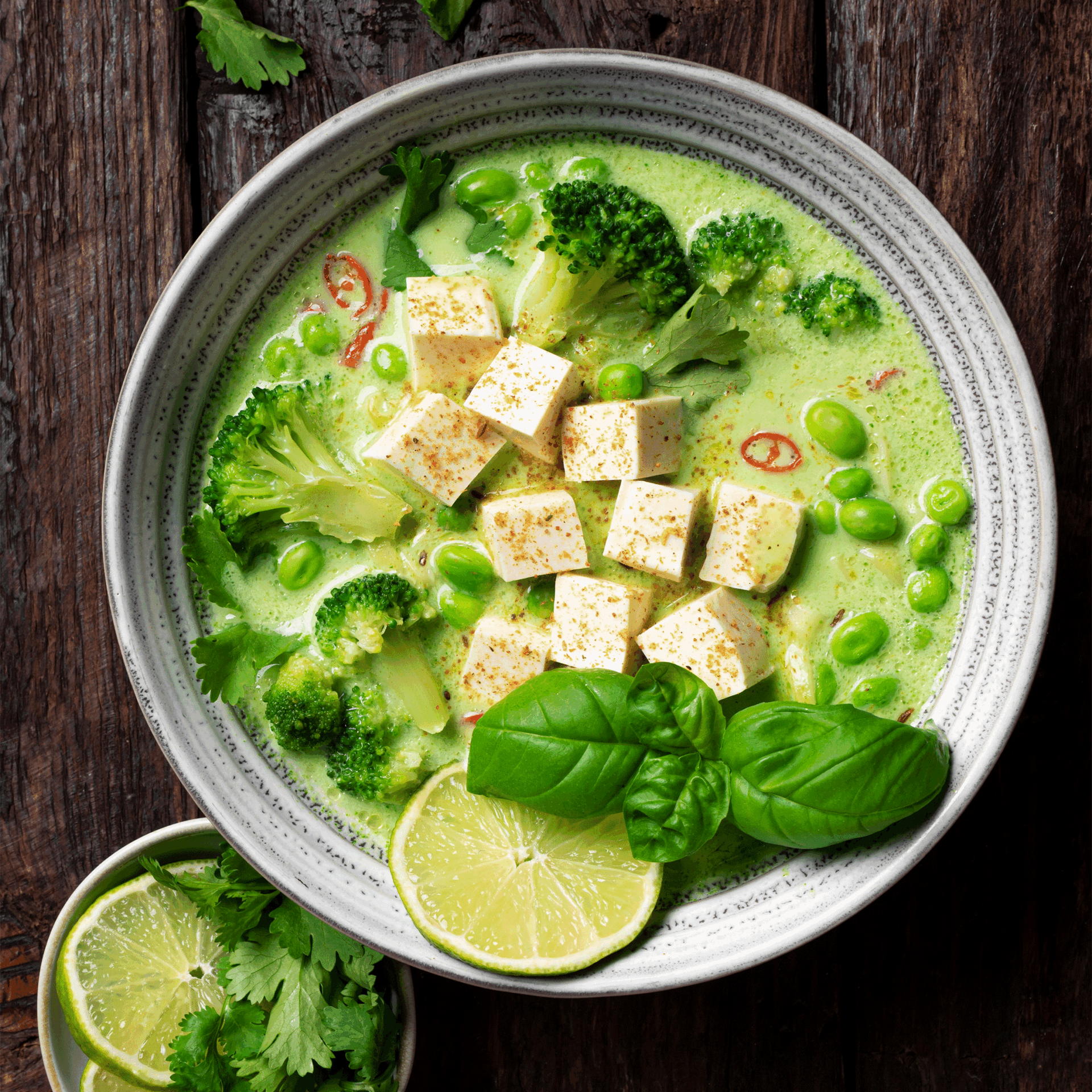
Khmer green curry offers a complete aromatic profile with fresh, vegetal notes, perfuming the entire cooking liquid from the first minutes.
A wild cardamom pod slipped whole into the stock brings subtle mentholated and floral notes.
Red lentils stand apart for their very short cooking time (15 to 20 minutes) and their texture, which progressively dissolves into the liquid to form a natural purée. They call for spices that flavour quickly.
Turmeric is the indispensable base spice for colour and gentle warmth.
White turmeric (zedoary) is a lesser-known and interesting alternative: its profile is more camphor-like and lightly peppery.
Red curry structures the aromatic base with rounded, warming notes, ideal in a red lentil soup with coconut milk.
Red pepper as a finishing touch (softer than black pepper) brings warmth without overwhelming the delicate, melting texture of the lentils.
The key technique with red lentils: fry the spice powders in hot oil for 30 seconds before adding the lentils and water. This short step releases aromas far more effectively than adding them directly to the liquid.
Salt added too early toughens the skin of dried legumes and extends cooking time. The rule is simple: add salt only in the last 10 minutes of cooking, or right at the finish for tinned legumes.
Salted spice blends such as fleur de sel with pepper, or herb salts are a practical way to add both salt and spice in a single finishing gesture, without the risk of over-salting during cooking.
Most of the aromatic compounds in spices are fat-soluble, they dissolve in fat, not in water. A drizzle of olive oil or a knob of butter added with the spices at the start of cooking, or stirred through a salad to bind powdered spices, makes an immediate difference to the aromatic result.
A touch of acidity at the end of cooking is essential to lift legumes and counterbalance their sometimes earthy or floury side. Lemon juice is the classic reflex, but a flavoured vinegar can bring an equally interesting and more complex acidity. It is a simple gesture that completely changes the character of the dish.
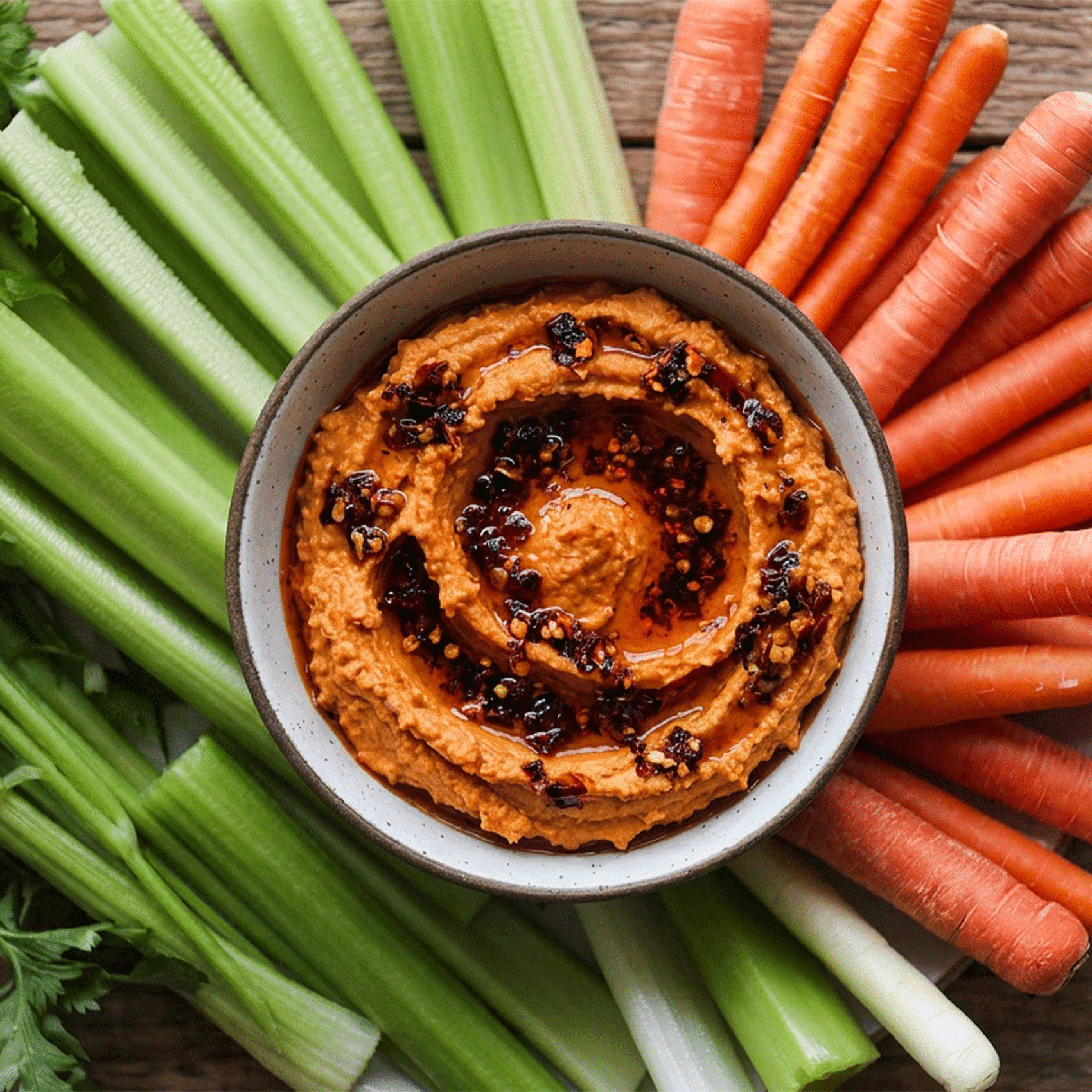
Crispy chili oil is one of the most effective condiments for legumes. A spoonful poured just before serving delivers heat, crunch, and umami all at once. On hummus, it is the finishing touch that makes the entire dish.
The key is to season from the start of cooking, not only at the end. Adding spices to the cooking water or stock allows for deep, even diffusion. Frying spice powders in hot fat before adding the liquid improves the result further still.
No. Red lentils and green lentils do not need soaking. Dried chickpeas, beans, and broad beans, however, require soaking for 8 to 12 hours to reduce cooking time and improve digestibility. Changing the soaking water before cooking also helps reduce bloating. This step only applies to dried legumes, tinned or jarred legumes are already cooked and need nothing more than a rinse under cold water.
Nutritionally, they remain an excellent option. Always rinse them thoroughly to remove the excess salt from the preserving liquid. Their texture is slightly softer than home-cooked dried legumes, but they are perfectly suited to quick, flavourful cooking — particularly for finishing recipes that involve spices and a drizzle of good oil.


Subscribe to our Newsletter now
Get a free product for your first order!
Donation