Complete Guide: How to pair Spices in cooking
Our Tips
-
18.04.25
Suggestions
Spices with floral aromas: what makes them unique and how to use them in the kitchen
Sommaire
Key takeways:
|
Spices with floral aromas are found in almost every spice rack, and yet they remain the least understood family in the spice world. They are sometimes used without knowing they belong to this register. What a floral aroma brings to a dish, no other spice family can replicate: an airy, complex aromatic layer capable of turning an ordinary plate into something unexpected.
In this guide, we take a close look at the key spices and flowers with floral notes: what they are, where they come from, and how to use them so they can fully express what they have to offer.
What is a floral aroma in cooking?
A food aroma is a substance, or a mixture of substances, that gives a food its specific smell, taste, or sensation. In cooking, aromas form naturally during the growth of the plant, its harvest, drying, or cooking. They are carried by volatile organic molecules that are released on contact with heat, fat, or liquid.
In spices, these molecules are concentrated in the essential oils naturally present in seeds, bark, rhizomes, or flowers. It is their precise chemical composition that determines which aromatic register a spice belongs to: woody, spicy, earthy, smoky, or floral.
The floral register is one of twelve major aromatic registers recognised in sensory analysis. It covers notes that evoke flowers, jasmine, rose, tuberose, white flowers, citrus blossom, without necessarily being sweet or powdery. It is a register that is both precise and subtle: immediately recognisable to the nose but difficult to put into words.
Floral is a distinct aromatic register, neither sweet, nor spicy, nor bitter. It is a layer that adds itself to the others, often discreet, always recognisable. The responsible molecules are well identified:
Linalool (found in coriander and lavender)
Geraniol (rose, cardamom)
Eucalyptol (galangal, wild cardamom)
Benzyl salicylate (frangipane)
These volatile compounds are fragile: heat destroys them, time erodes them. That is why spices with floral notes demand more attention than most.
It is important to note that floral does not necessarily mean mild, and this is the most common misconception, and the most misleading one. A floral spice can be powerful, camphor-like, citrusy, or slightly pungent.
The Ma Khen berry is floral and explosive. Wild cardamom is floral and camphor-like. The floral register does not indicate intensity, it indicates the nature of the aroma. Understanding this distinction is already knowing how to use these spices.
Which spices have a floral aroma?
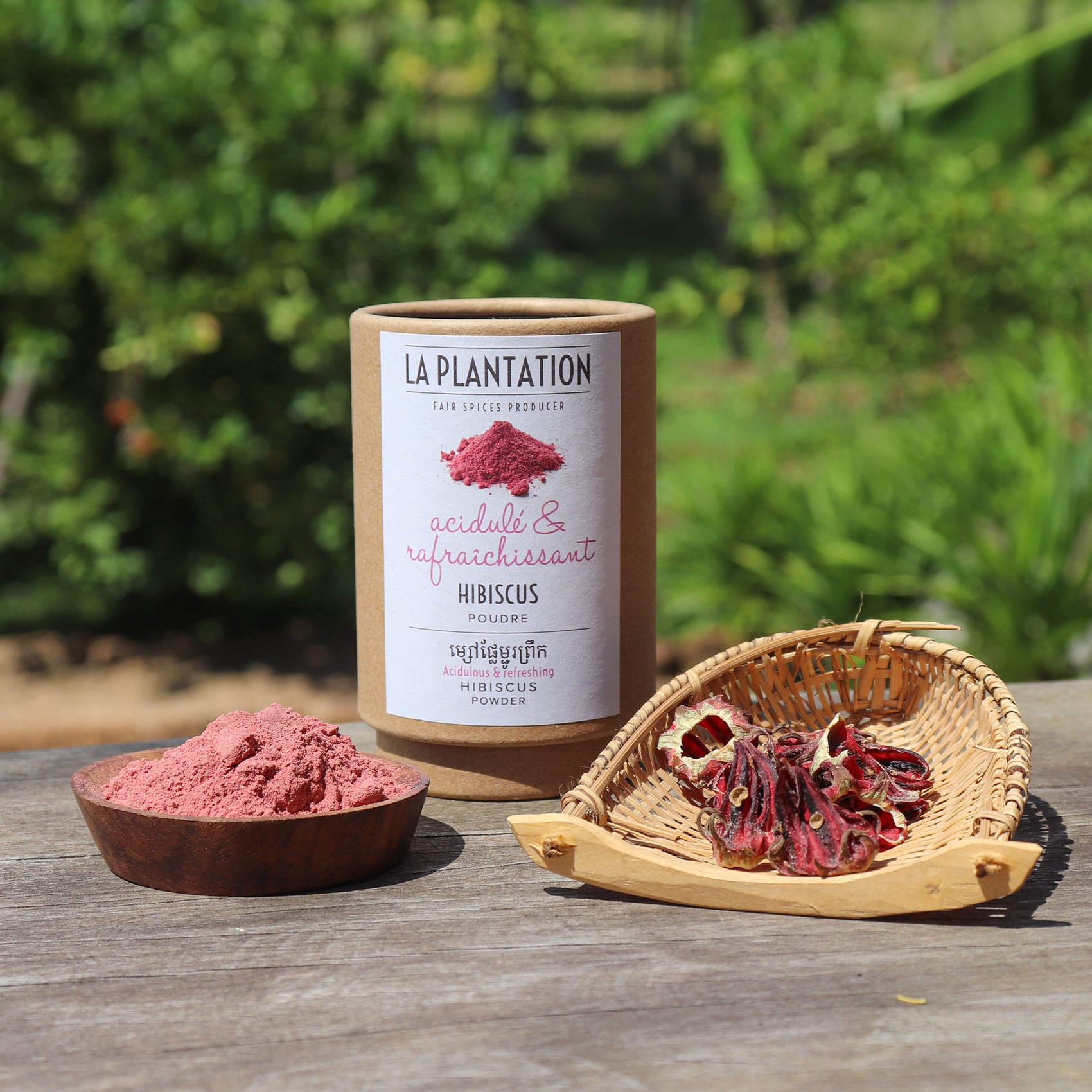
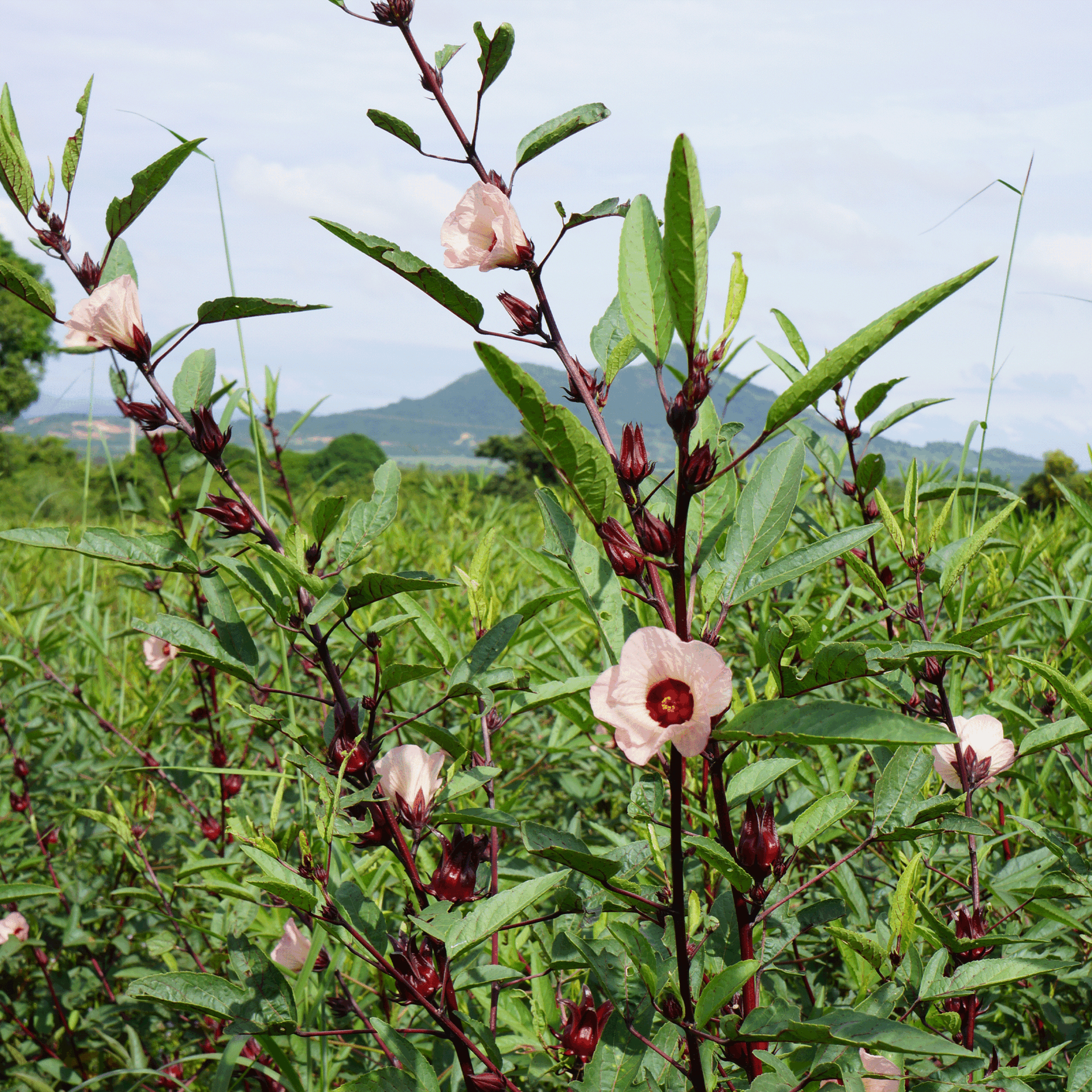
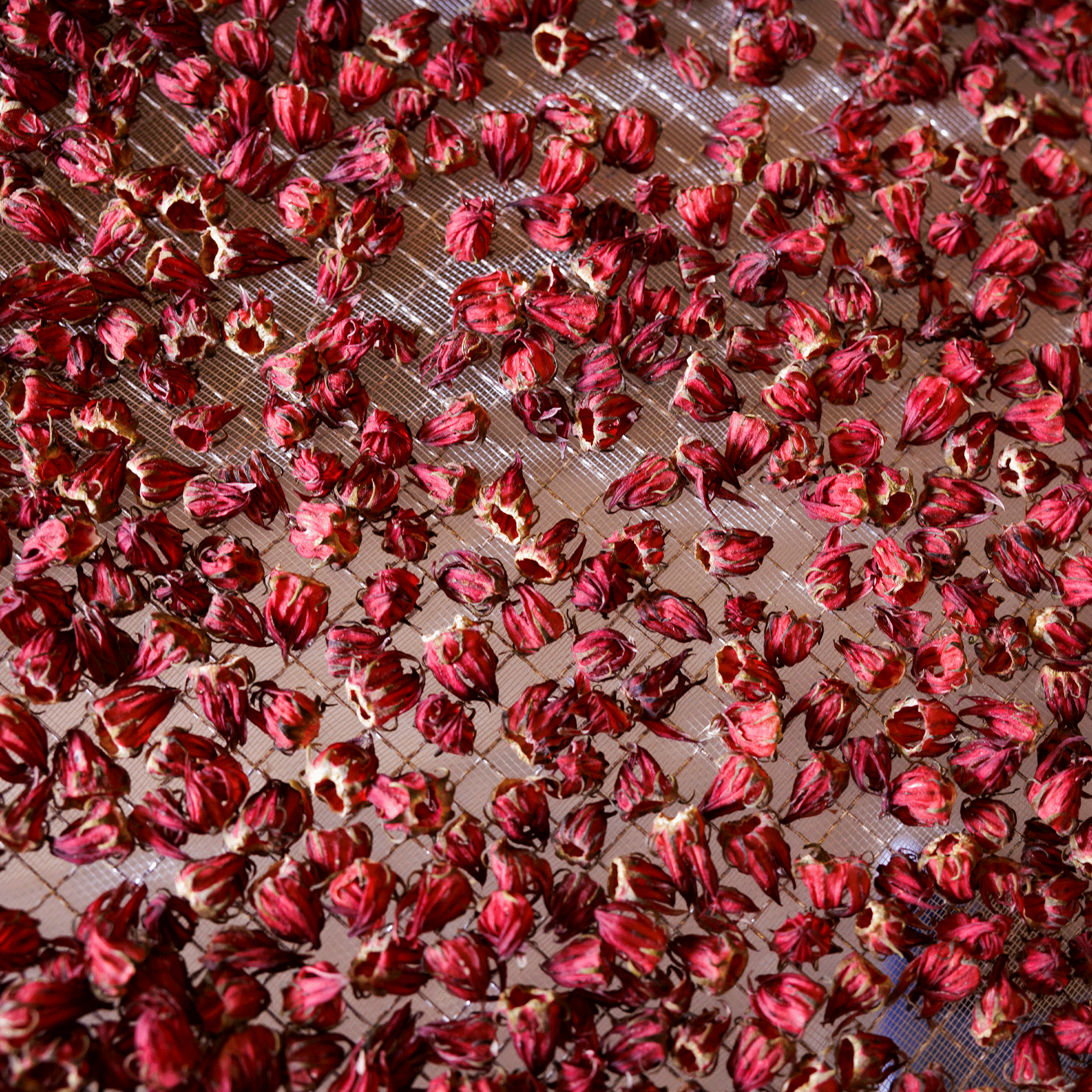
Hibiscus is one of the rare spices where the floral note is the primary flavour, because it is, quite simply, a flower. Originally from West Africa, it has established itself in Mexican (agua de jamaica), Middle Eastern, and Asian kitchens as an ingredient in its own right. Its profile is immediately recognisable: intensely floral, tart, slightly tannic, with a deep red colour that tints everything it touches.
Find out more about hibiscus flowers and all their culinary uses.
The form changes everything. Whole dried calyces are used in infusions, decoctions, marinades, or sauces, where the texture plays a role and the extraction is gradual. The powder is more concentrated and more direct: it can be dusted over a dessert, blended into a spice mix, or dissolved in a drink. These are not two formats of the same product, they are two different tools.
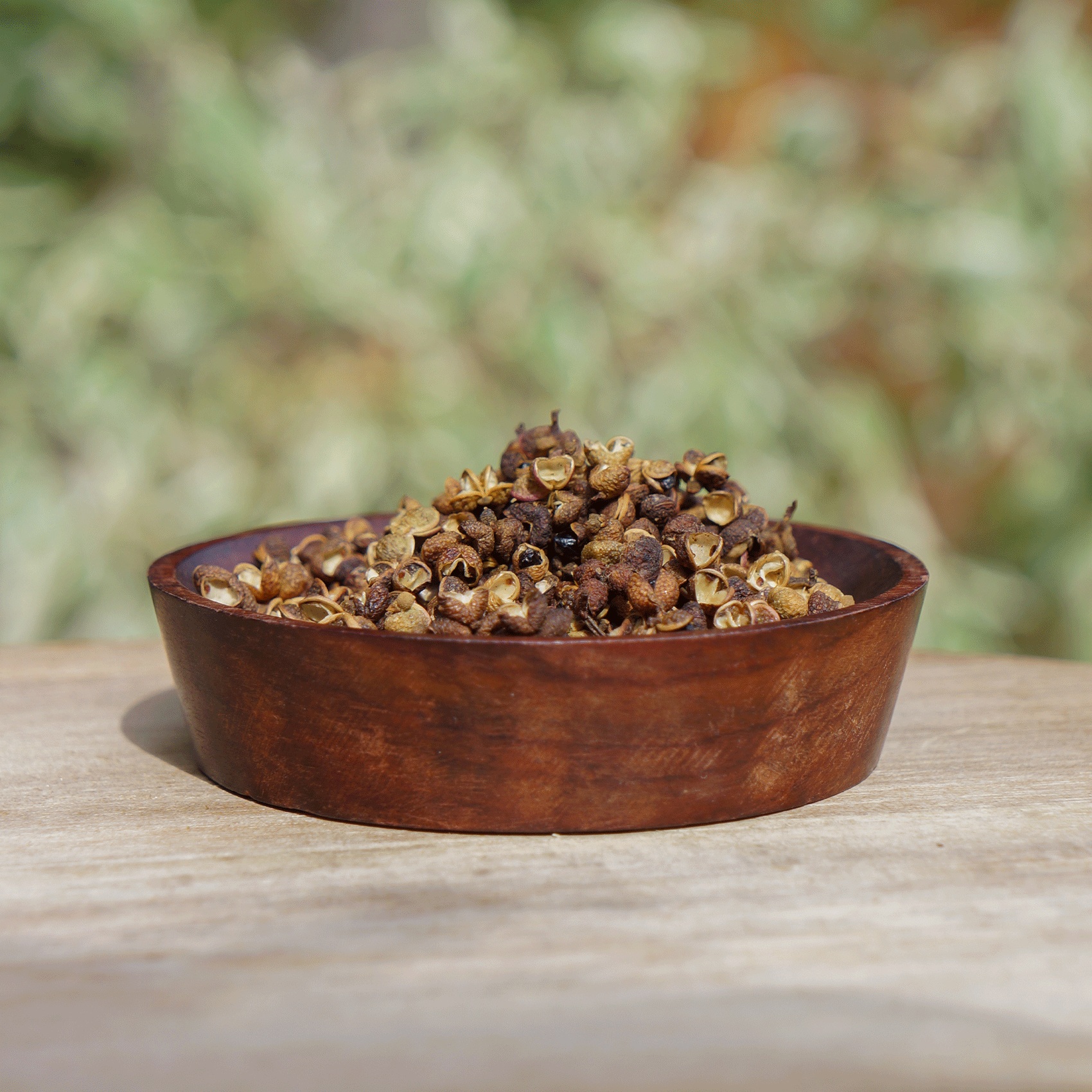
Zanthoxylum berries are not peppers. Botanically, they belong to the Rutaceae family, the same as citrus fruits, not to the Piperaceae. What unites them: a light numbing sensation on the tongue caused by sanshool, combined with an explosion of floral and citrusy aromas that has no equivalent in the spice world.
Sichuan pepper and Nepalese Timut pepper are the best-known varieties. But the family is broader than that, and terroir changes everything.
Timut is the most floral berry in the family, in the register of white flowers. Harvested in the mountains of Nepal, it develops notes of pink grapefruit, jasmine, and tuberose, an almost perfume-like aromatic profile that works remarkably well with dark chocolate, red fruits, and delicate fish.
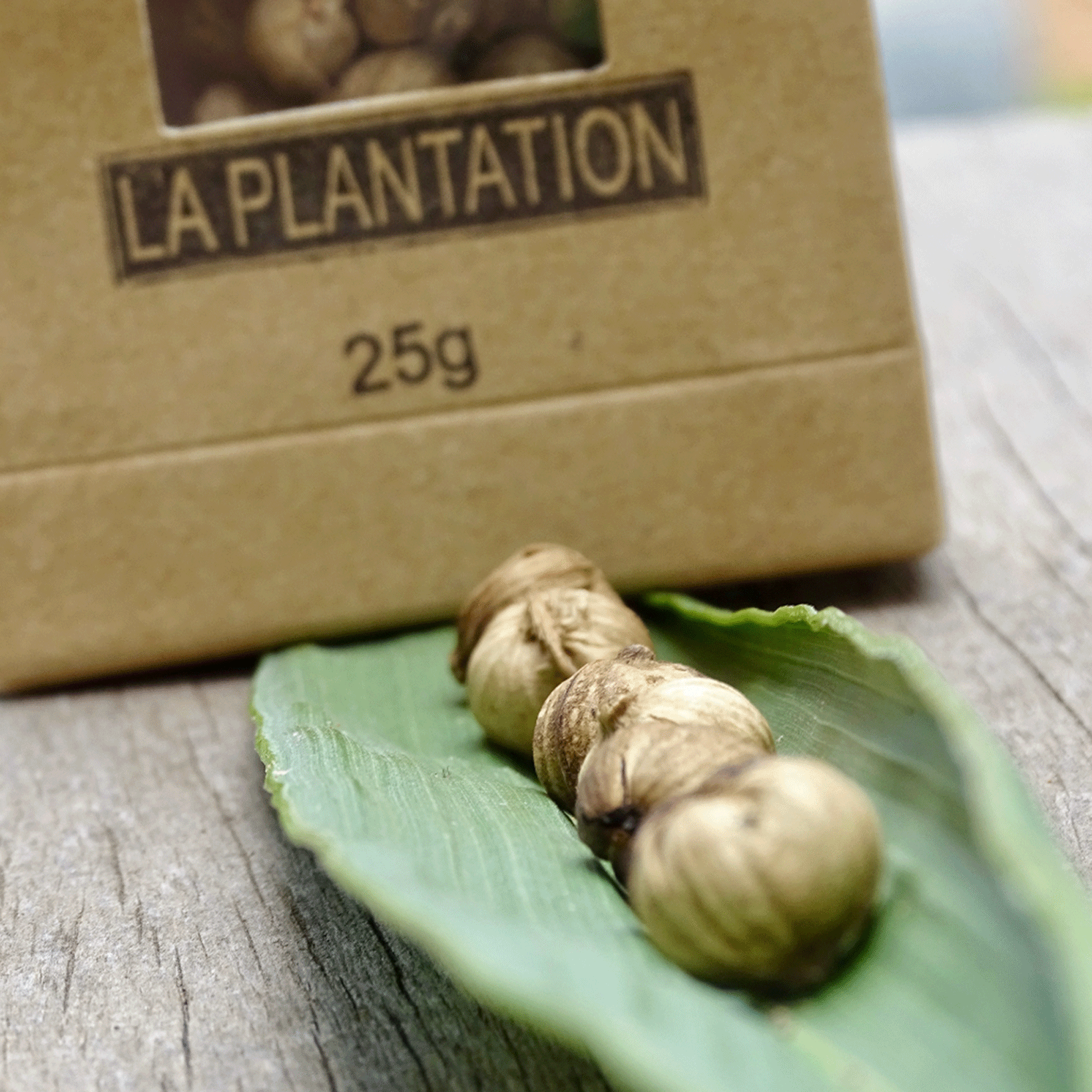
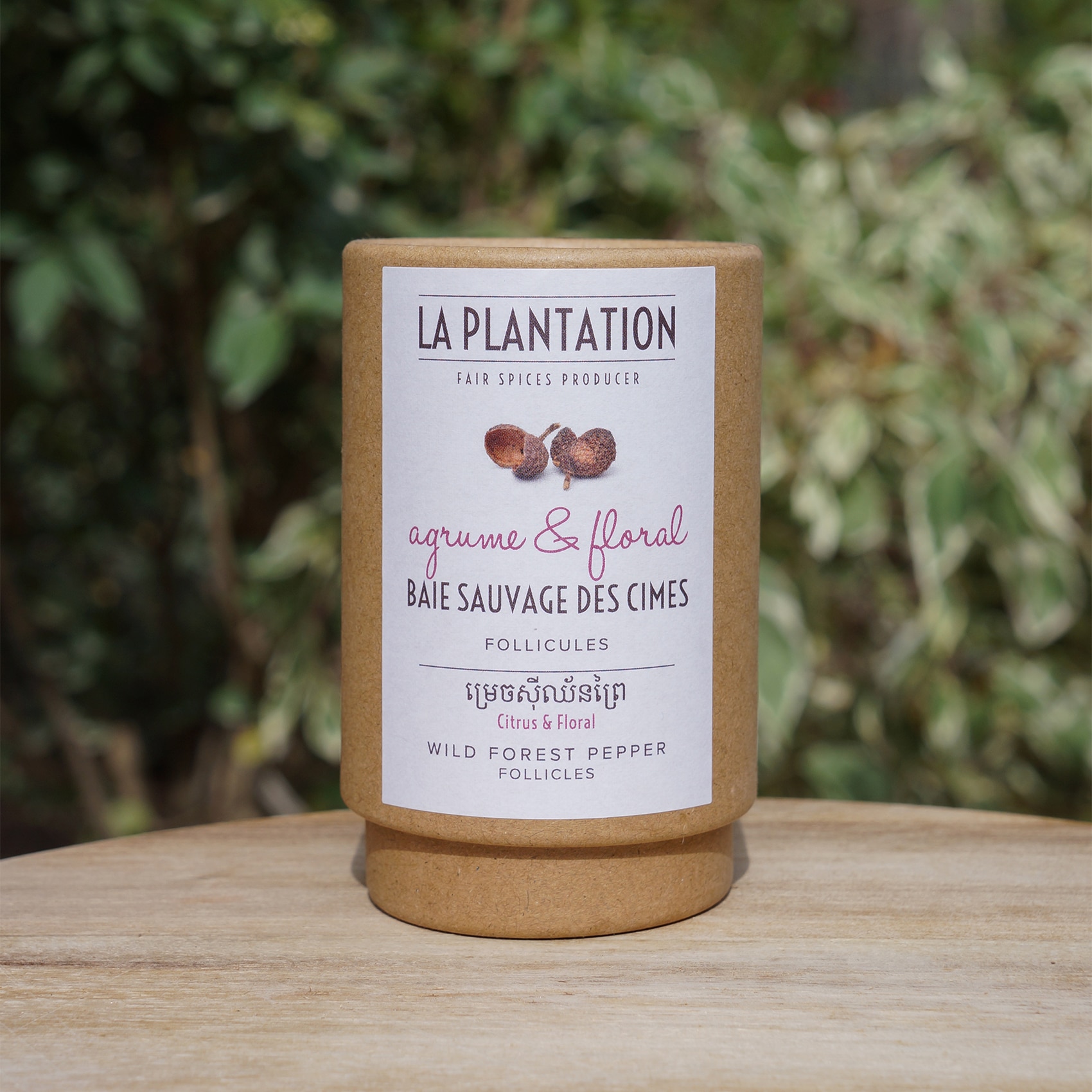
Ma Khen is the Cambodian and Laotian version of the same botanical species, but with a radically different terroir. Its profile is more powerful than Timut, more citrusy: notes of Corsican clementine and candied citron, with mentholated undertones at the finish and a floral intensity driven by a high essential oil content. It is harvested wild, at the tops of trees in Cambodian forests, an uncultivated harvest, limited by nature.
Where Timut leans toward desserts and drinks, Ma Khen belongs in savoury cooking: on grilled fish, shellfish, or white meat. The rule is the same for both: never in long cooking, always at the finish, a few berries are enough.
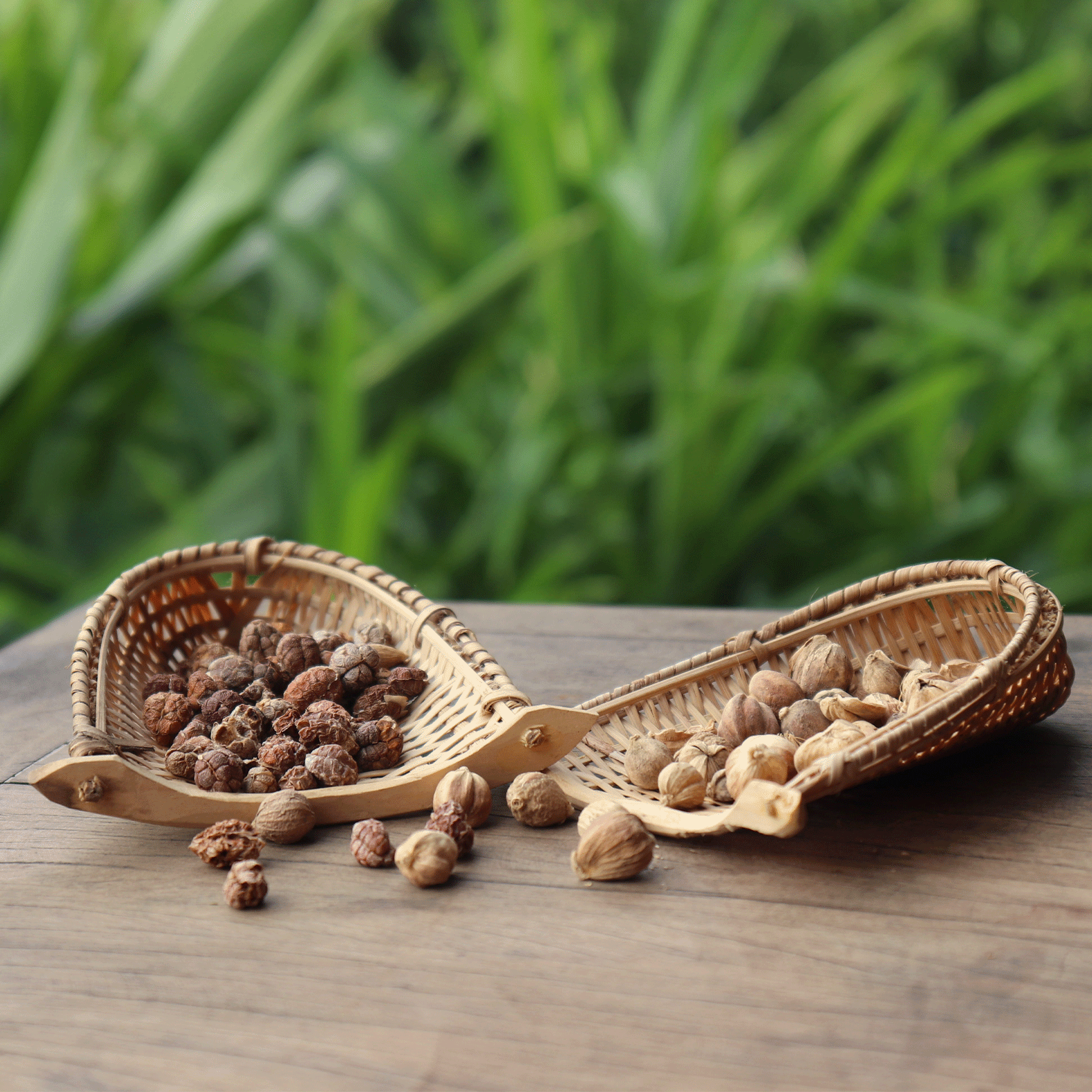
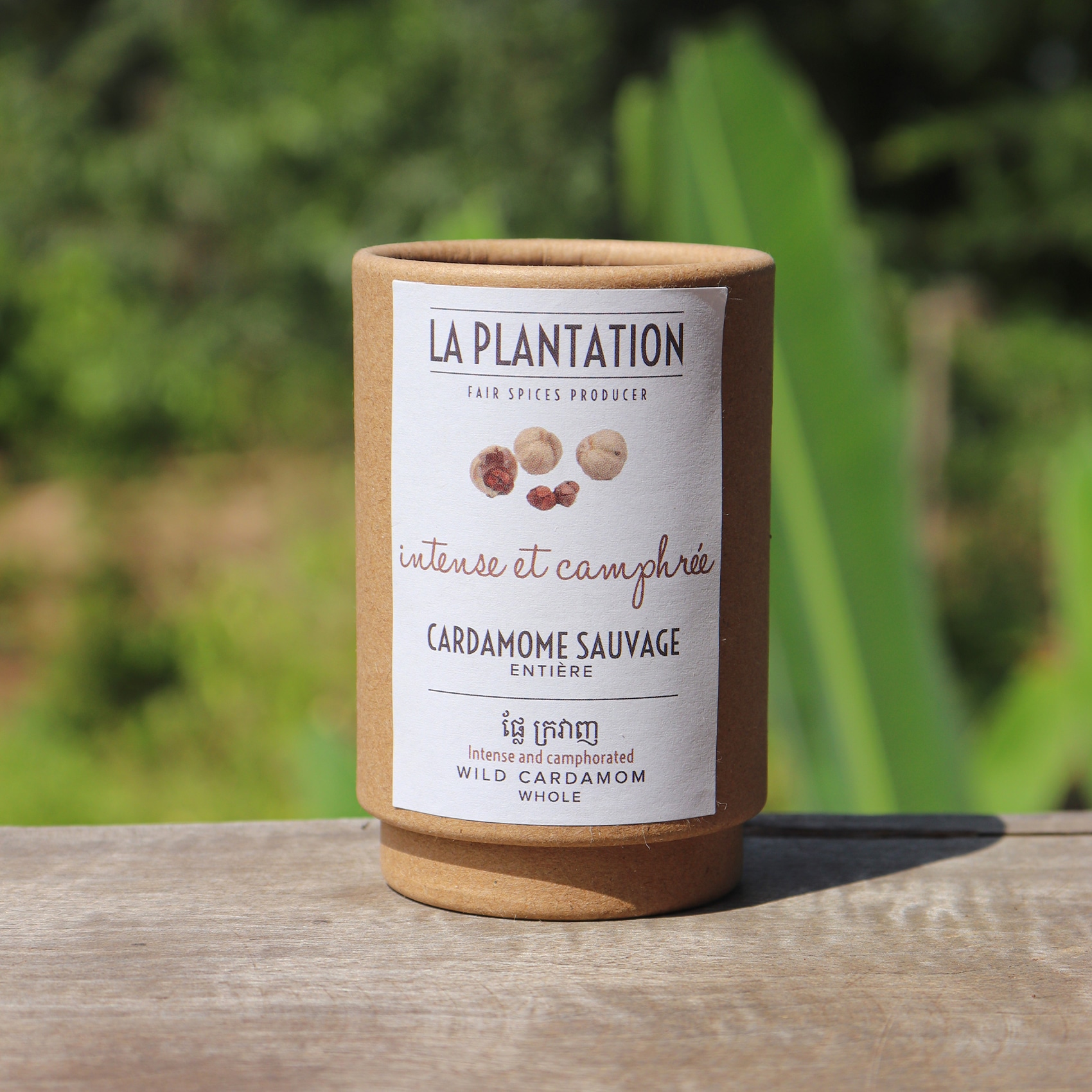
Siamese cardamom is not the green cardamom found in supermarkets. It is a distinct species, more floral and more lemony, and less camphor-like than its Indian cousin. It grows wild in the Cardamom Mountains of Cambodia, a massif that owes its name to this spice, and one of the last great preserved forest areas in South-East Asia.
Used whole, it perfumes liquids, infusions, broths, fragrant rice, and curries. It can also be ground at the last moment and incorporated into pastry recipes, coffee, or hot chocolate.
At La Plantation, we work with two wild varieties harvested at altitude by local gatherers. Their shared aromatic profile: mint, eucalyptus, white flowers, with a touch of sage and bay leaf.
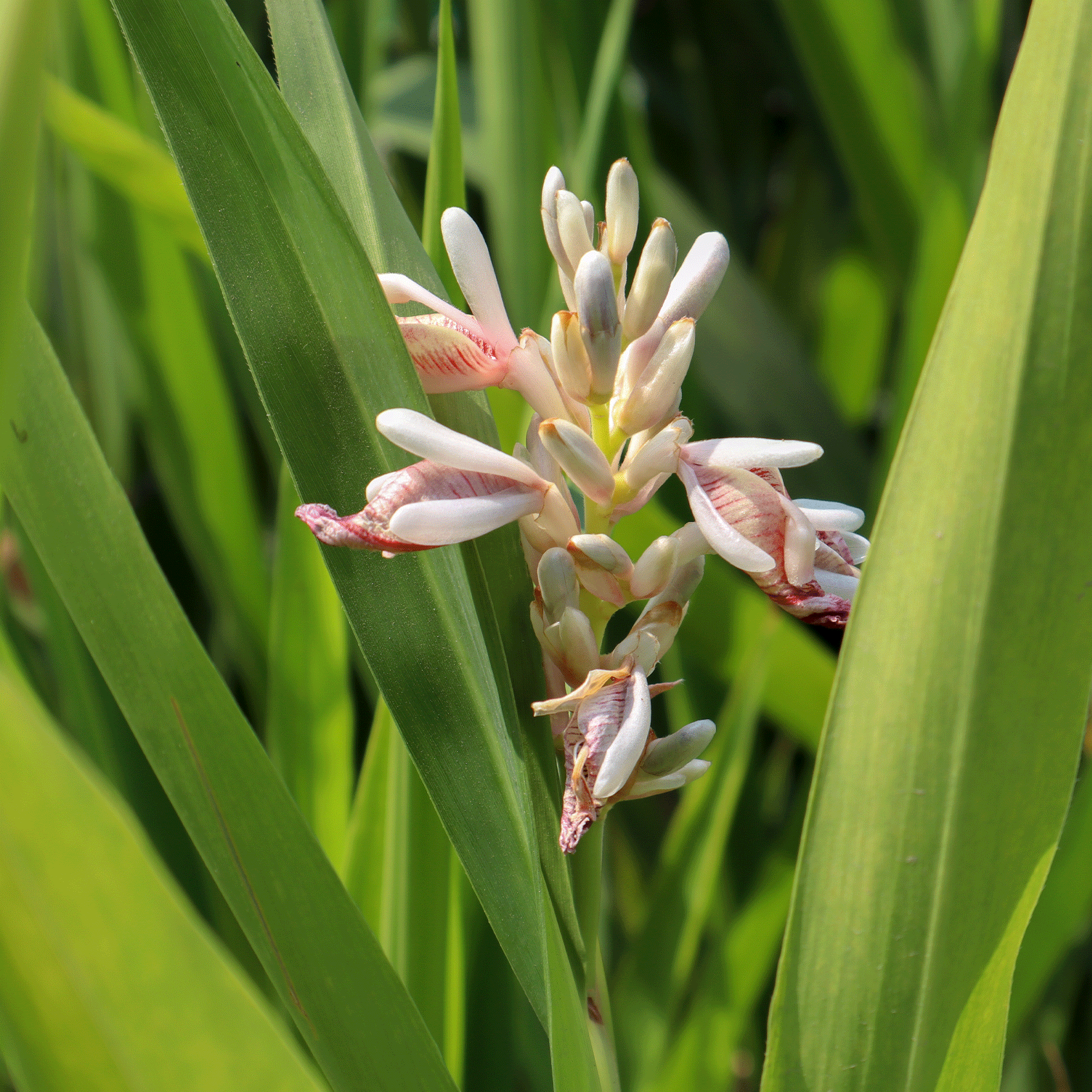
Lemongrass brings lightness. Its lemony, lightly floral profile balances the rounder notes of frangipane and galangal, and it is the ingredient that gives an infusion its immediate sense of freshness.
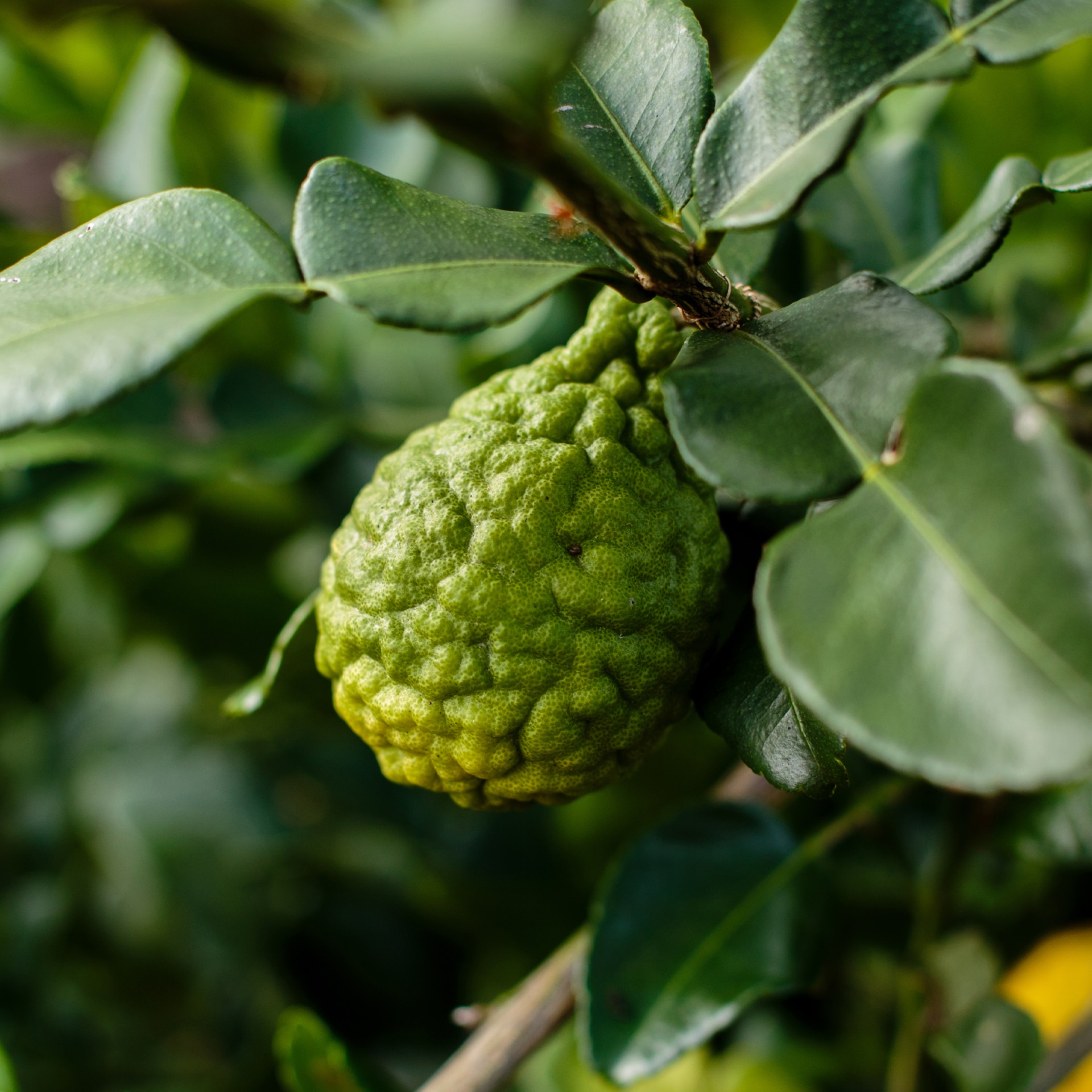
Kaffir lime zest is more intense, more bitter: its floral and tangy notes are characteristic of South-East Asia, immediately recognisable to anyone who has encountered them before.
Orange blossom is one of the purest expressions of the floral register in cooking. It comes from the bitter orange tree (Citrus aurantium), cultivated primarily in Morocco, Tunisia, and southern Spain. The blossoms are hand-picked in spring during a window of just a few weeks. This seasonal rarity explains the value of orange blossom water, obtained by steam distillation of fresh flowers.
Its aromatic profile is immediately recognisable: intensely floral, slightly honeyed, with a very fine citrus note in the aftertaste. It is an enveloping, non-aggressive aroma that blends with remarkable discretion into preparations, provided it is not overused. In excess, orange blossom tips into soapiness, a fault that is difficult to correct.
In the kitchen, it is used in two main forms. Orange blossom water (the most common) perfumes Oriental pastries (makroud, gazelle horns, baklava), creams, fruit salads, and certain savoury North African dishes. It is added at the end of preparation, off the heat, to preserve the volatility of its aromas. Dried flowers, less common, are infused into tea, warm milk, or a custard for a gentle, gradual extraction.
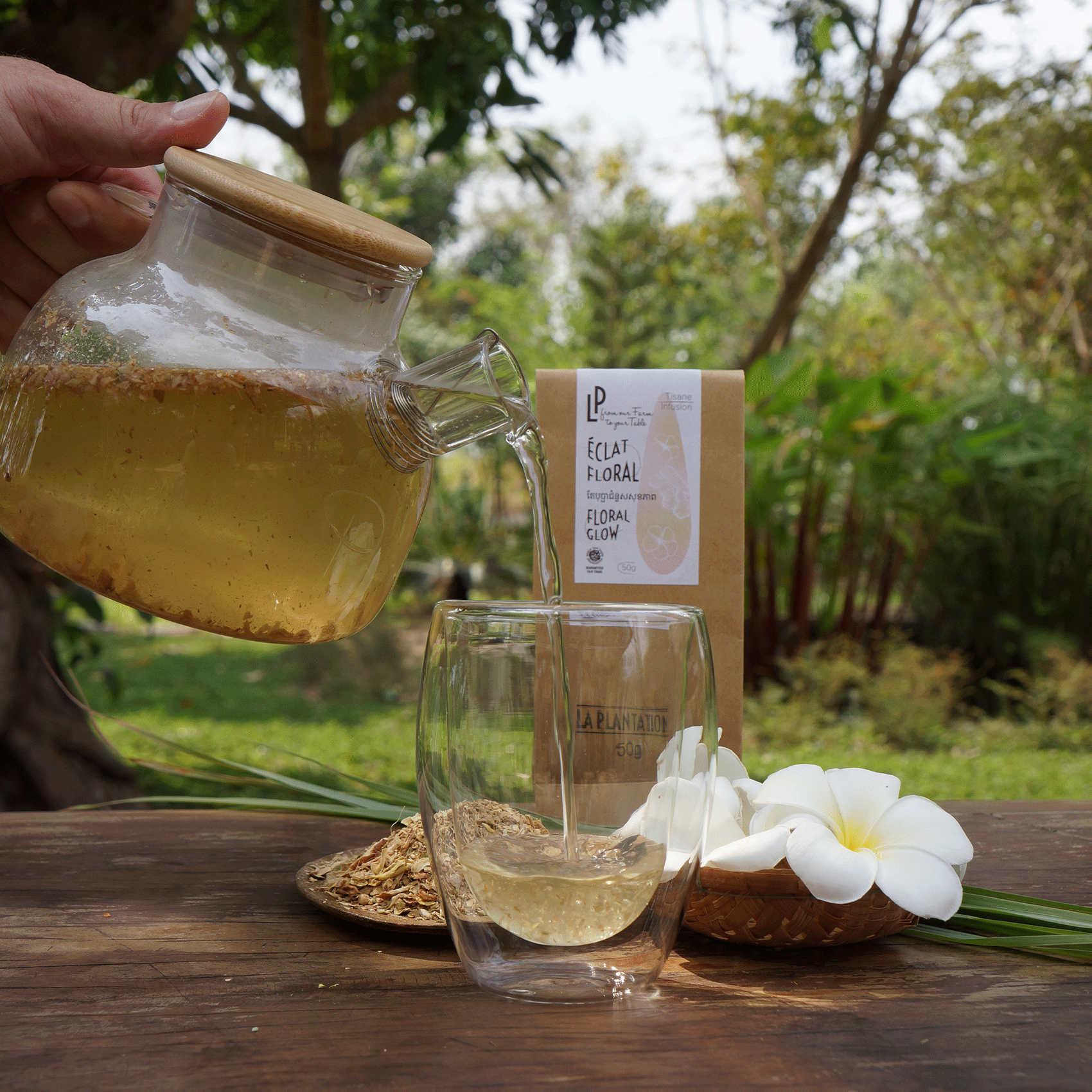
Saffron is the most expensive spice in the world, and one of the most floral. It comes from the dried stigmas of Crocus sativus, and it takes approximately 150,000 flowers to produce one kilogram of saffron, an entirely manual harvest, flower by flower, in the early morning. The main producing countries are Iran (which accounts for over 80% of global production), Morocco, Spain, and India (Kashmir).
Its aromatic profile is unique and complex: softly floral, lightly honeyed, with characteristic metallic and earthy notes. The molecule responsible for its flavour is safranal, which forms during the drying of the stigmas. The intense yellow-orange colour it releases in liquids comes from crocin, an extremely powerful water-soluble pigment.
In the kitchen, saffron is used via a preliminary infusion: a few threads steeped in a hot liquid, broth, milk, water, for at least 15 to 20 minutes before being incorporated into the recipe. This step is essential to fully release its aromas and colour. Added directly without infusion, its aromatic potential remains largely unexploited.
It features in some of the world’s most celebrated dishes: the Spanish paella, Italian risotto alla milanese, Provençal bouillabaisse, Indian biryanis, and Moroccan tagines. In pastry, it pairs with honey, pear, pistachio, and white chocolate.
| Form | Recommended use | Indicative quantity |
| Whole threads | Infusion in hot liquid | 4 to 6 threads per 4 people |
| Certified powder | Direct incorporation | 1 light pinch |
| Saffron water (infusion) | Add at the end of preparation | 2 to 3 tablespoons |
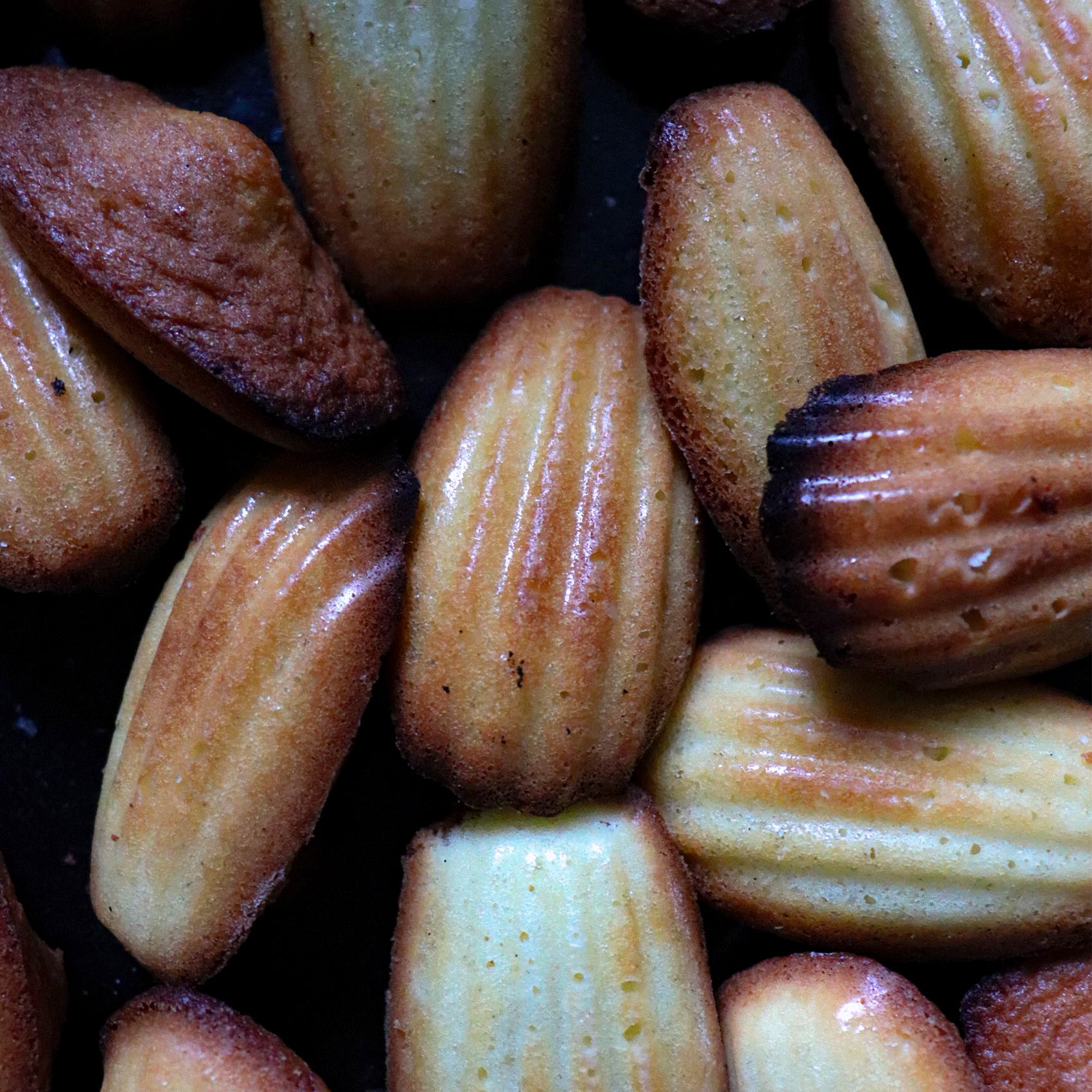
How to introduce and use floral aromas in your kitchen
Floral aromas are the most fragile in the spice world. Excessive heat, exposure to air, poor storage: they disappear quickly. The basic rule: add at the finish, never at the start of cooking. For infusions, the water should not exceed 85–90°C, as boiling water destroys the most delicate molecules. Rhizomes (ginger, galangal) are an exception: they tolerate direct heat better.
Floral and citrus, the most natural pairing. Ma Khen and lime, cardamom and orange, hibiscus and kumquat: the two registers extend and reinforce each other.
Floral and fat: cream, butter, and coconut oil carry and amplify floral aromas in a preparation.
Floral and dark chocolate: the most immediate and effective pairing. Ma Khen, wild cardamom, and hibiscus all work remarkably well on a good dark chocolate.
The floral register is not limited to desserts, and this is the most persistent misconception to challenge. Ma Khen on grilled fish, wild cardamom in a chicken broth, galangal in a curry, hibiscus as a marinade for red meat: in each of these pairings, the floral note brings an aromatic dimension that classic spices simply cannot provide. Start with small quantities, as the register is powerful, and the right balance is found quickly.
Our Kampot fleur de sel pairs beautifully with floral spices, amplifying their aromatic complexity as a finishing touch on any dish.
FAQ: frequently asked questions about floral aromas and spices
An aroma is a substance that acts exclusively on the smell and taste of a food, whether natural, nature-identical, or artificial. A food additive, on the other hand, fulfils a technological function in the product: it preserves, colours, thickens, or stabilises. Both are regulated, but they do not serve the same purpose. A spice is a source of natural aromas, it is not an additive.
Beyond the floral register, sensory analysis recognises around ten other aromatic families: woody, spicy, smoky, earthy, citrusy, fruity, herbaceous, animal, dairy, and roasted.
Most spices combine several registers at once: cardamom is floral, camphor-like, and lemony all at once; black pepper is spicy, woody, and slightly floral. It is this layering that makes spices irreplaceable in cooking.
Aromas form in the essential oils naturally present in the plant’s cells, seeds, bark, rhizomes, flowers. Their composition develops throughout the life of the plant, under the influence of soil, climate, and altitude. Drying, fermentation, or toasting can then transform or concentrate these aromatic molecules, sometimes creating new compounds that were absent in the fresh plant.
Yes, significantly. Terroir directly influences the essential oil composition of the same botanical species. A wild cardamom harvested in the mountains of Cambodia will not have the same aromatic profile as a cultivated cardamom from Guatemala or India. Soil, altitude, rainfall, and harvesting methods all alter molecular concentrations, which is why origin is decisive information when choosing a quality spice.

Subscribe to our Newsletter now
Get a free product for your first order!
Donation