Spice of the moment: Turmeric
Superfoods
-
10.10.25
Suggestions
Detox: practical tips and the use of spices
Sommaire
Key takeways:
|
After holidays or periods of overindulgence, it is common to feel heavy, tired or low in energy.
A detox is a way to rebalance your diet, focusing on light and nutritious foods while reducing fat, sugar and alcohol for a short time.
Spices and natural plants play a central role in this approach. Turmeric, ginger, cinnamon, cardamom and black pepper bring aroma, warmth and digestive comfort. They also turn simple, light meals into pleasant, flavourful dishes.
This article explains how the use of spices for a detox can help you feel lighter while making your daily recipes more enjoyable and easier to maintain over time.
Detox: definition and common misconceptions
A detox is a dietary reset designed to help the body return to a healthier rhythm. It is not a miracle solution, nor a fast way to lose weight. It simply means eating lighter meals, choosing fresh, nutrient-rich ingredients and reducing alcohol, sugar and saturated fats for a short period.
A detox mainly helps reduce feelings of heaviness, restore energy and support digestion.
These effects come from balanced eating and regular routines, which are far more effective than restrictive short-term cures.
A common misconception: a detox does not eliminate toxins instantly and never replaces medical advice.
Spices and drinks used during a detox only support comfort and flavour. They do not act as treatments but make the routine more enjoyable, helping you stay consistent and motivated.
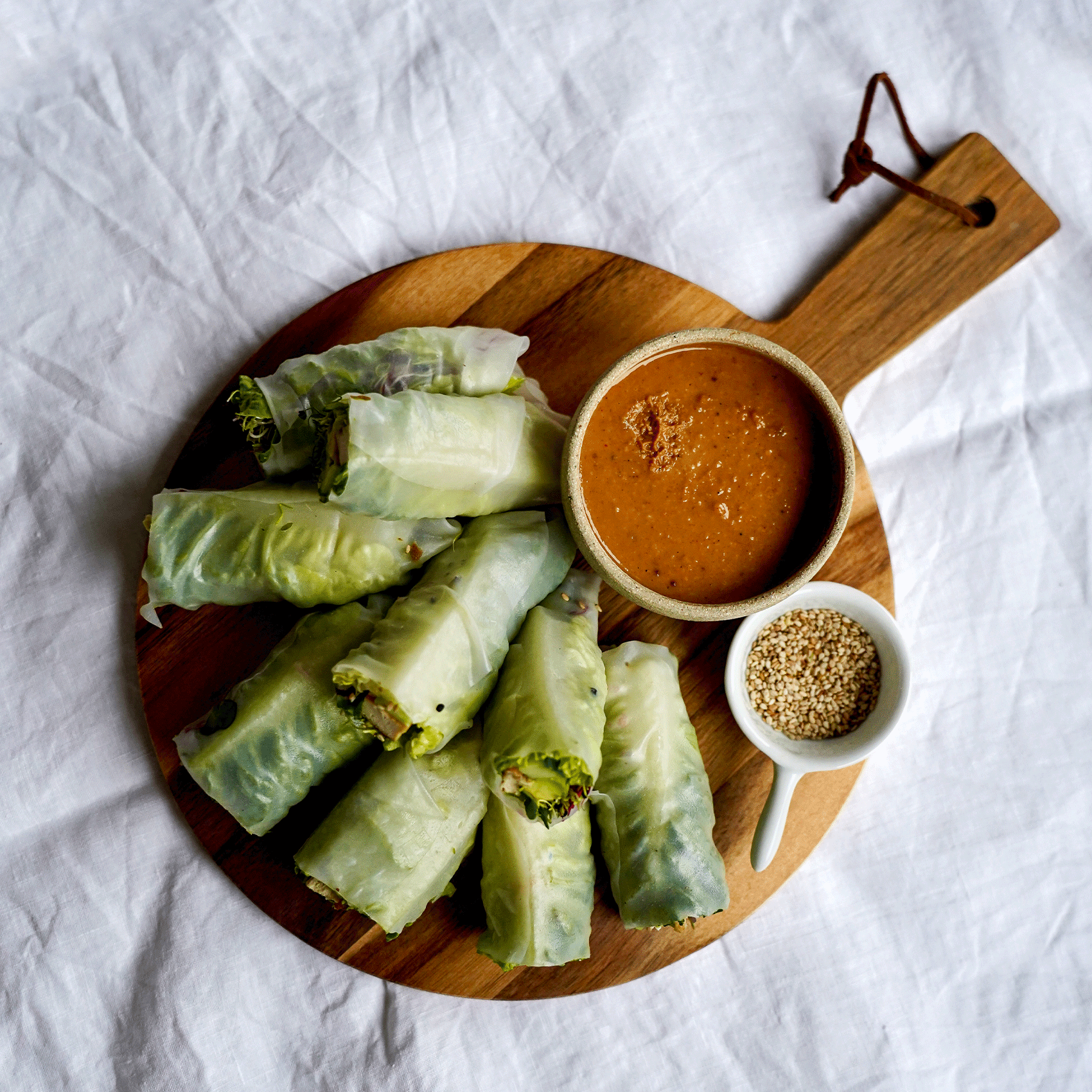
How to do a detox?
A detox should stay simple, accessible and sustainable. Here are the key steps to put it into practice without restriction or frustration.
Refocusing your diet means increasing the proportion of fresh and nourishing foods while reducing heavier preparations.
Choose vegetables, fruits, legumes and plant proteins to support the body without overload.
Herbal teas and spice-based broths add flavour and help digestion.
Unsalted cashew nuts provide healthy fats and plant proteins, perfect for snacks or light recipes, both sweet and savoury.
This approach transforms detox cooking into something pleasant, colourful and easy to maintain.
Hydration plays a major role during any detox routine. Drink filtered water regularly, along with herbal teas or spice infusions such as ginger or turmeric.
These drinks add warmth, aroma and digestive comfort without unnecessary calories.
Good hydration supports energy, digestion and the feeling of lightness throughout the day.
Reducing processed foods, fatty dishes, added sugars and alcohol helps lighten the digestive system.
The goal is not guilt — it is simply to offer your body a gentle pause.
Use this time to integrate healthy fats, especially those in natural cashew nuts, which support your nutritional balance while remaining light and satisfying.
Spices are not medical treatments, but they bring traditional digestive benefits and rich aromas that make detox meals more enjoyable.
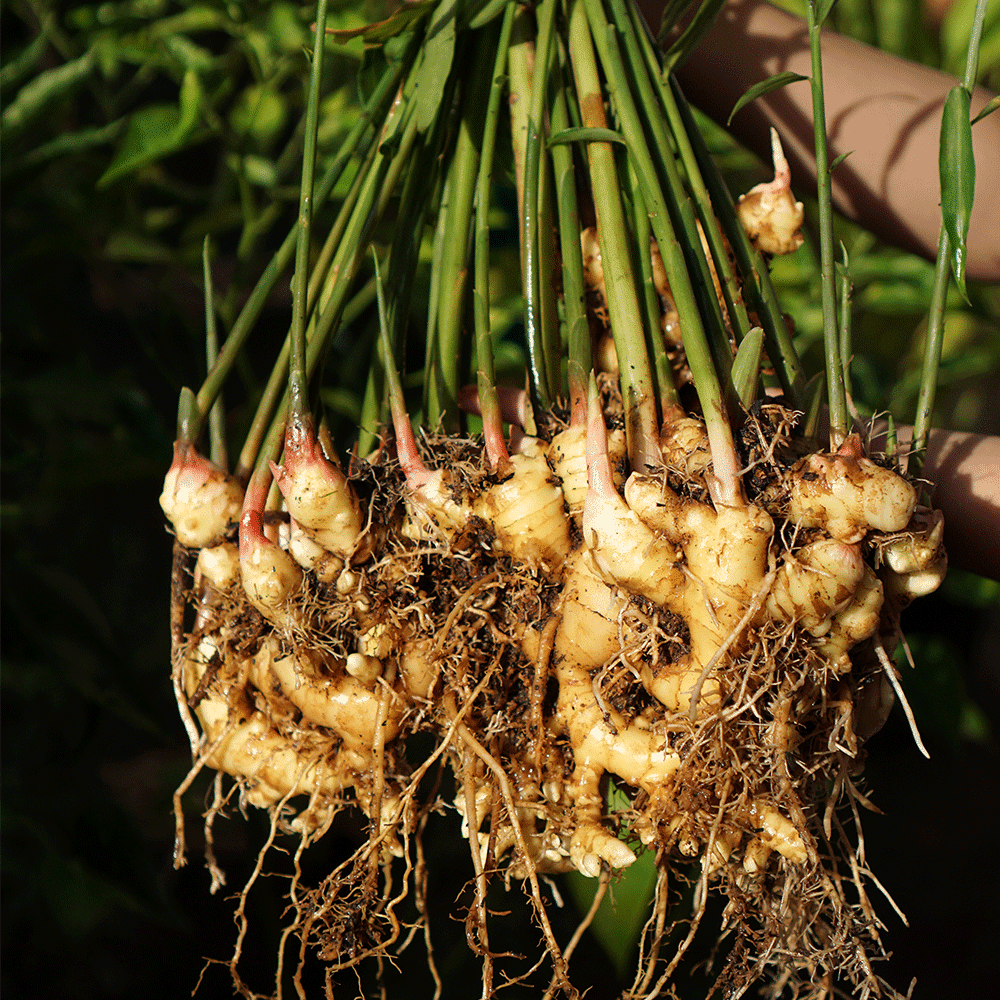
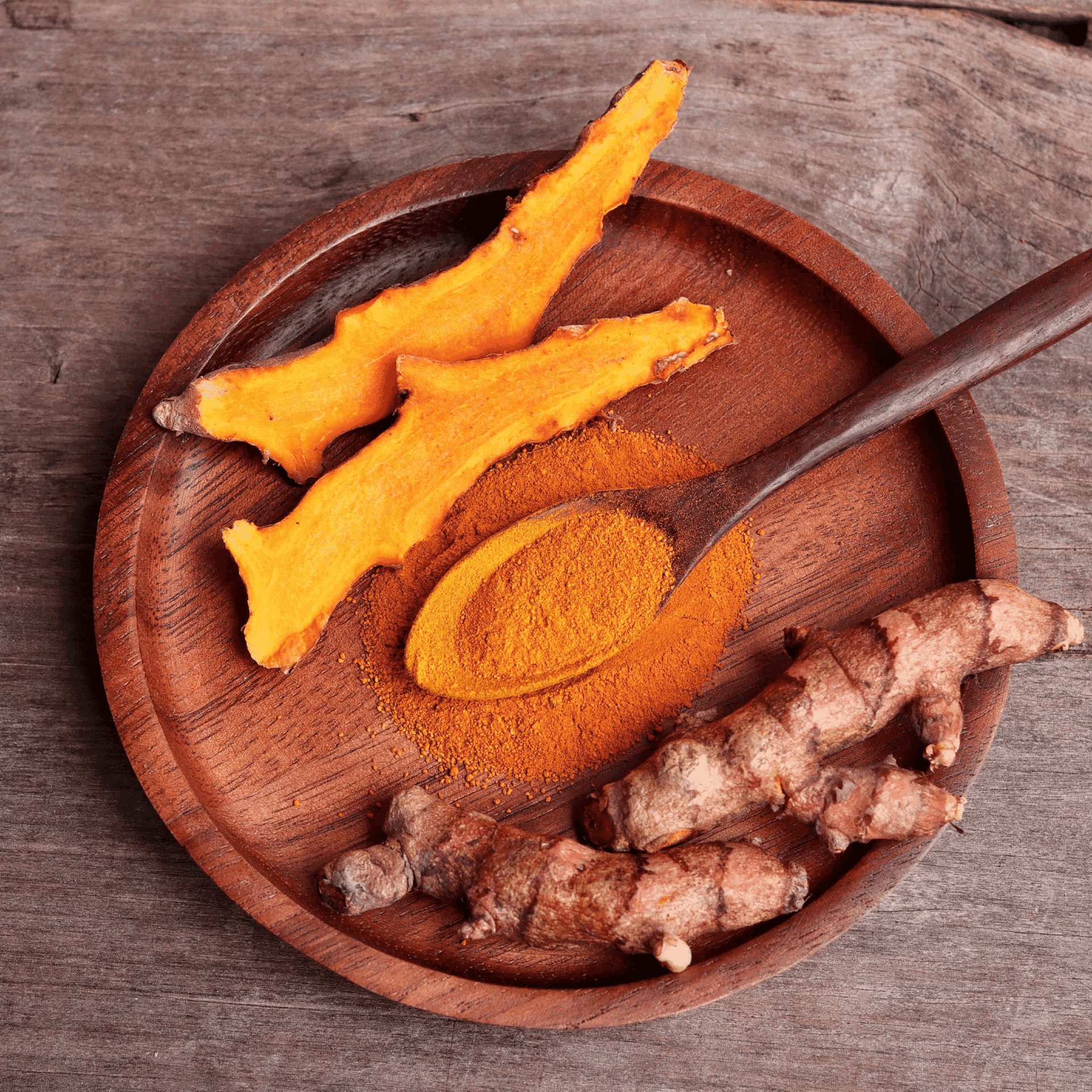
Turmeric: adds colour and perfume, perfect in juices, smoothies or broths.
Ginger: slightly spicy, stimulates flavour and digestion.
Cinnamon & cardamom: ideal for herbal teas or warm dishes.
Black pepper: boosts turmeric’s aromatic and natural synergy.
These ingredients transform a detox routine into a pleasant sensory experience, making it easier to stay consistent.
A short 3–5 day detox is enough for an initial reset. But the main goal is adopting lasting habits, such as adding herbal teas, light broths and spices to your meals. Use this moment to enjoy vegetables, vitamins and simple recipes.
Consistent habits matter more than strict short cures.
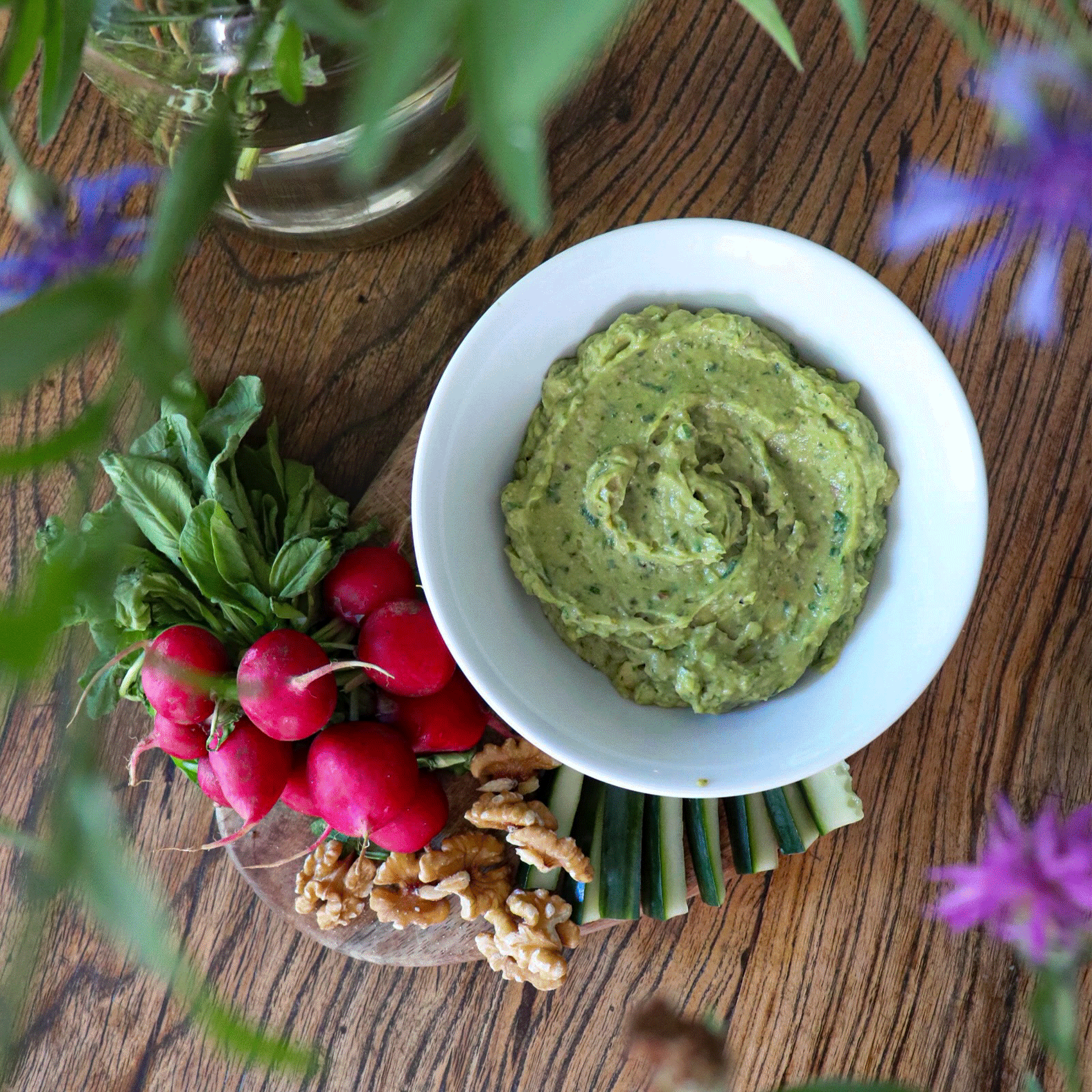
Spices to use during a detox
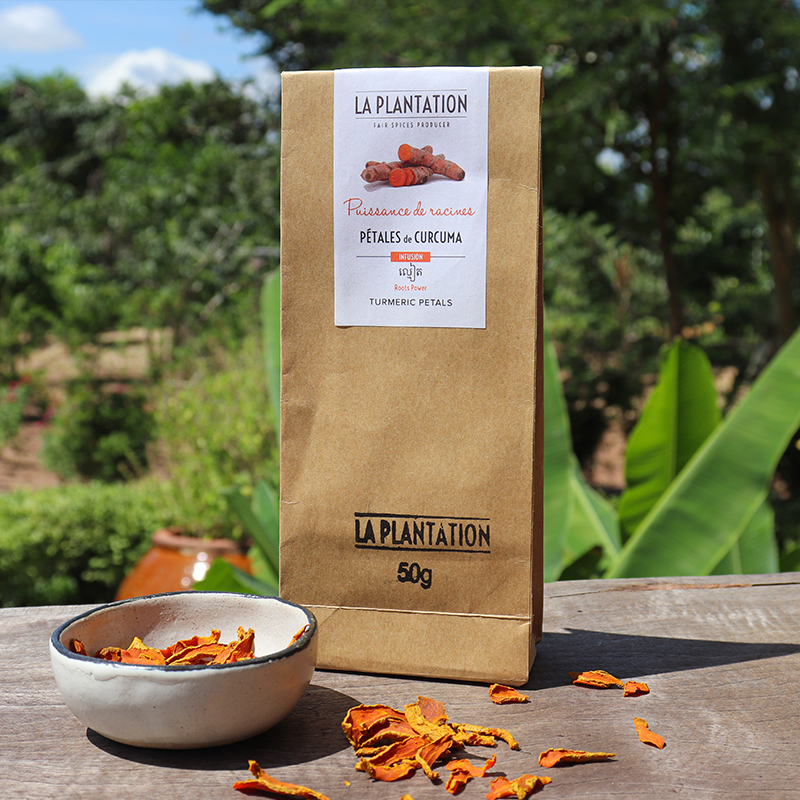
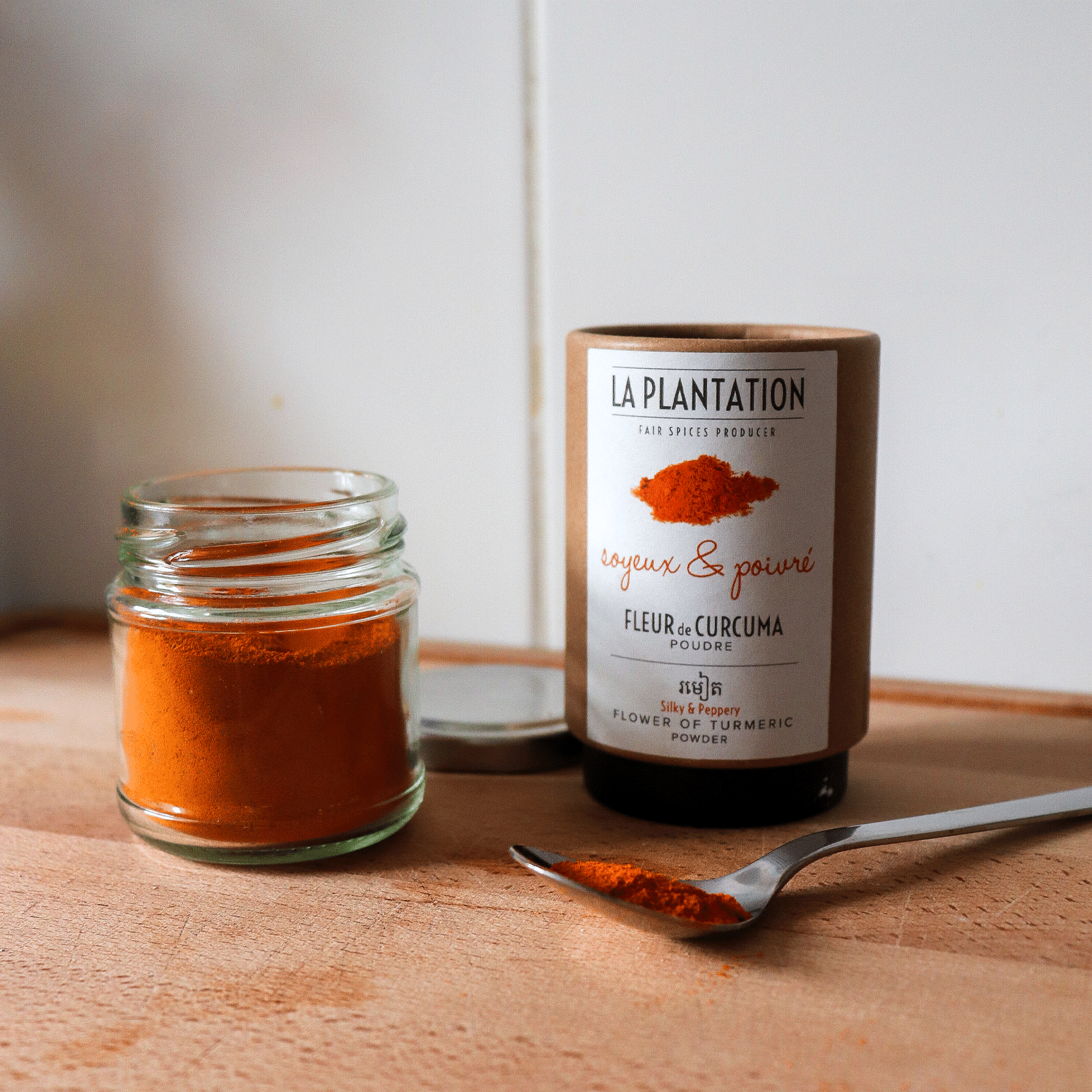
Turmeric is a key spice for detox preparations. Its earthy, slightly peppery taste adds colour and character to carrot soups, steamed squash purées and light vegetable dishes.
To maximise its aroma and natural compounds, always pair turmeric with a pinch of black pepper.
In cooking or infusion, turmeric becomes an easy way to flavour light drinks and broths during a detox.
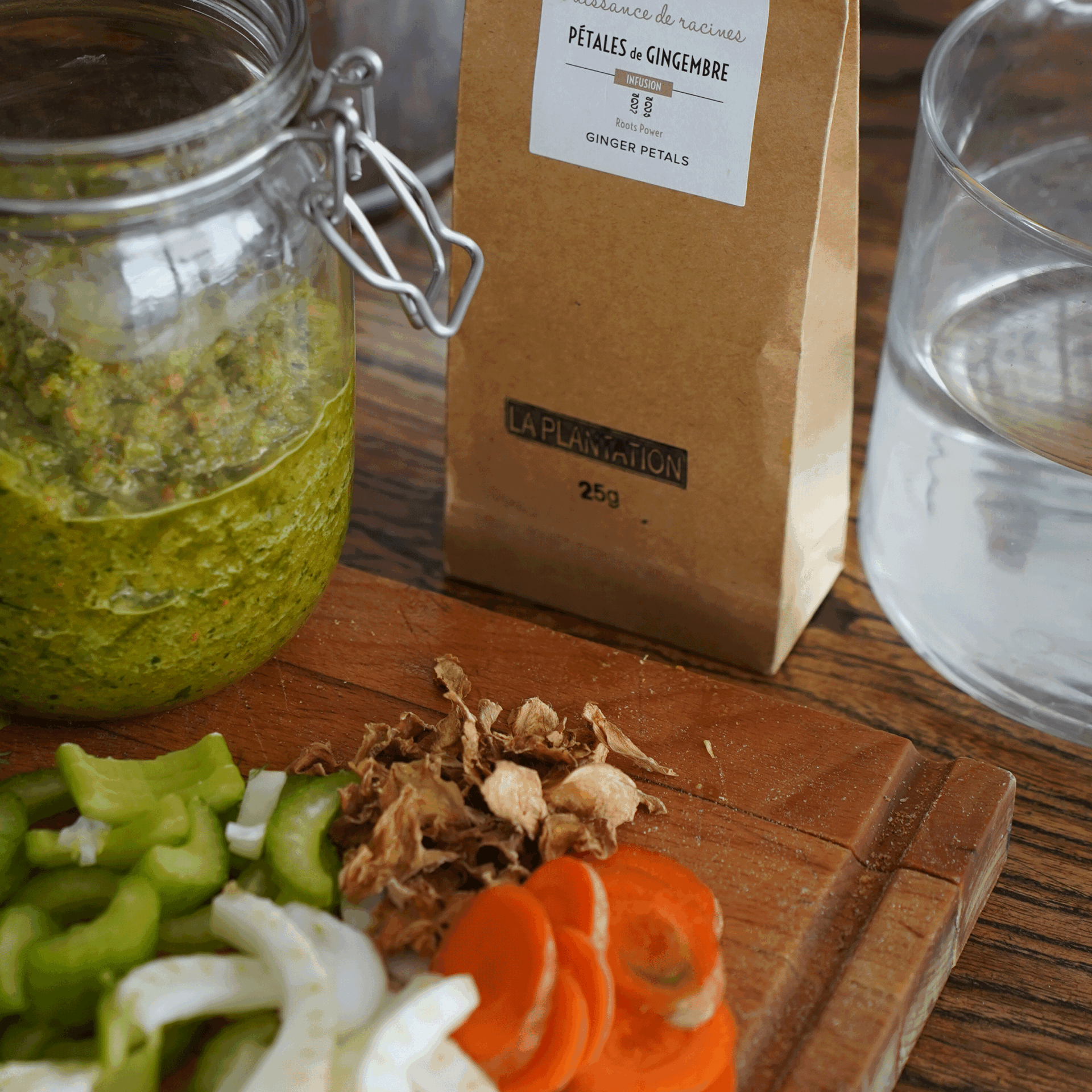
Ginger is spicy and slightly citrusy. It blends naturally into light recipes such as seasonal fruit salads or unsweetened compotes.
It pairs well with turmeric or a squeeze of lemon to create warming and tonic drinks, perfect for a detox day. Its flavour brings gentle heat, making it especially comforting during colder months.
Cinnamon is sweet, warm and naturally aromatic. It enhances fruit-based preparations such as apples, pears or quinces, making healthy desserts taste more generous.
Its comforting aroma also works beautifully in savoury dishes. A cinnamon note transforms a simple orange salad or adds depth to a warm vegetable dish.
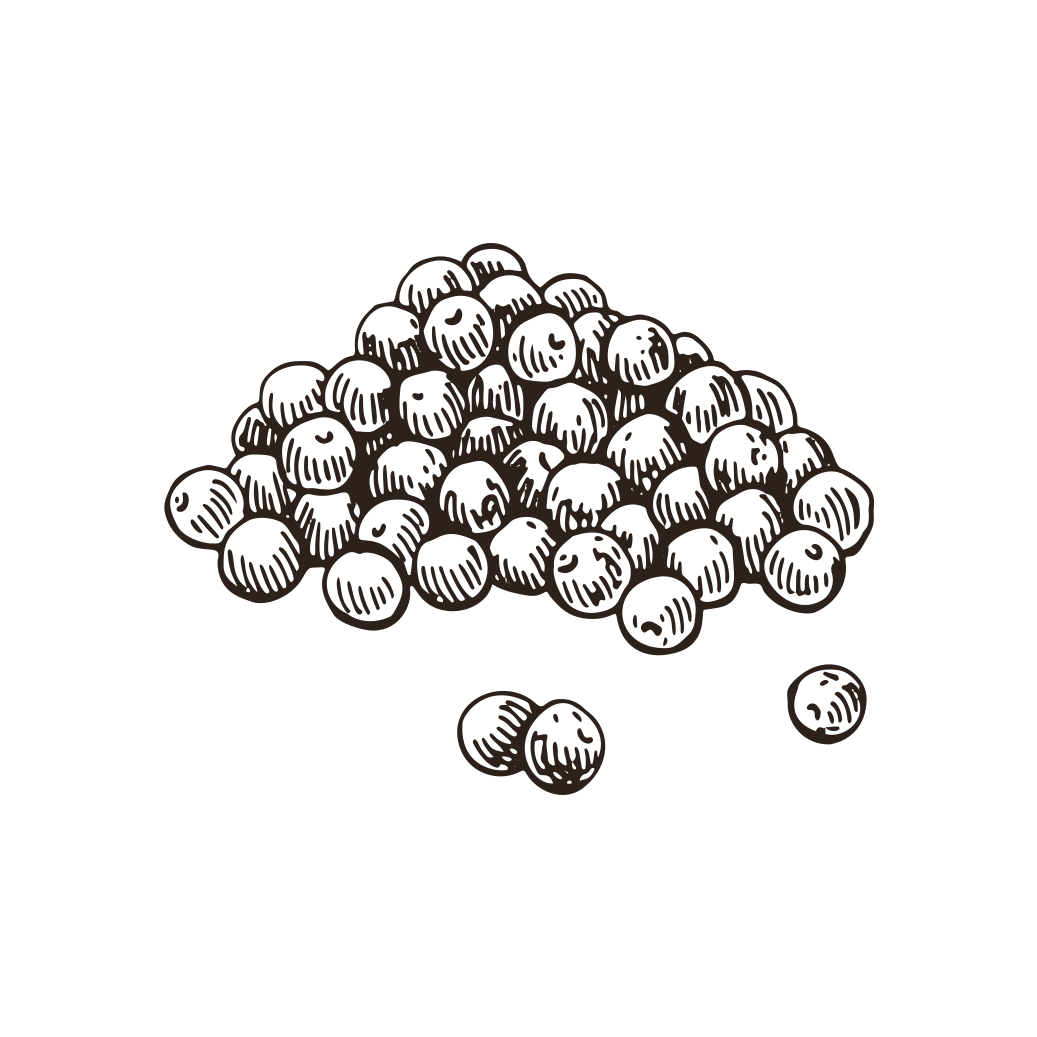
Black pepper is spicy and stimulating. It should always be paired with turmeric, as it boosts its aromatic potential.
In detox dishes, black pepper adds a gentle punch. For example, it elevates a light tzatziki with yogurt, cucumber and fresh herbs — a simple and balanced starter.
Cardamom has fresh, aromatic notes. It is ideal for flavouring snacks or detox breakfasts.
Sprinkle it over unsweetened yogurt or raw pear slices. It adds a minty, refreshing touch that feels light and energising.
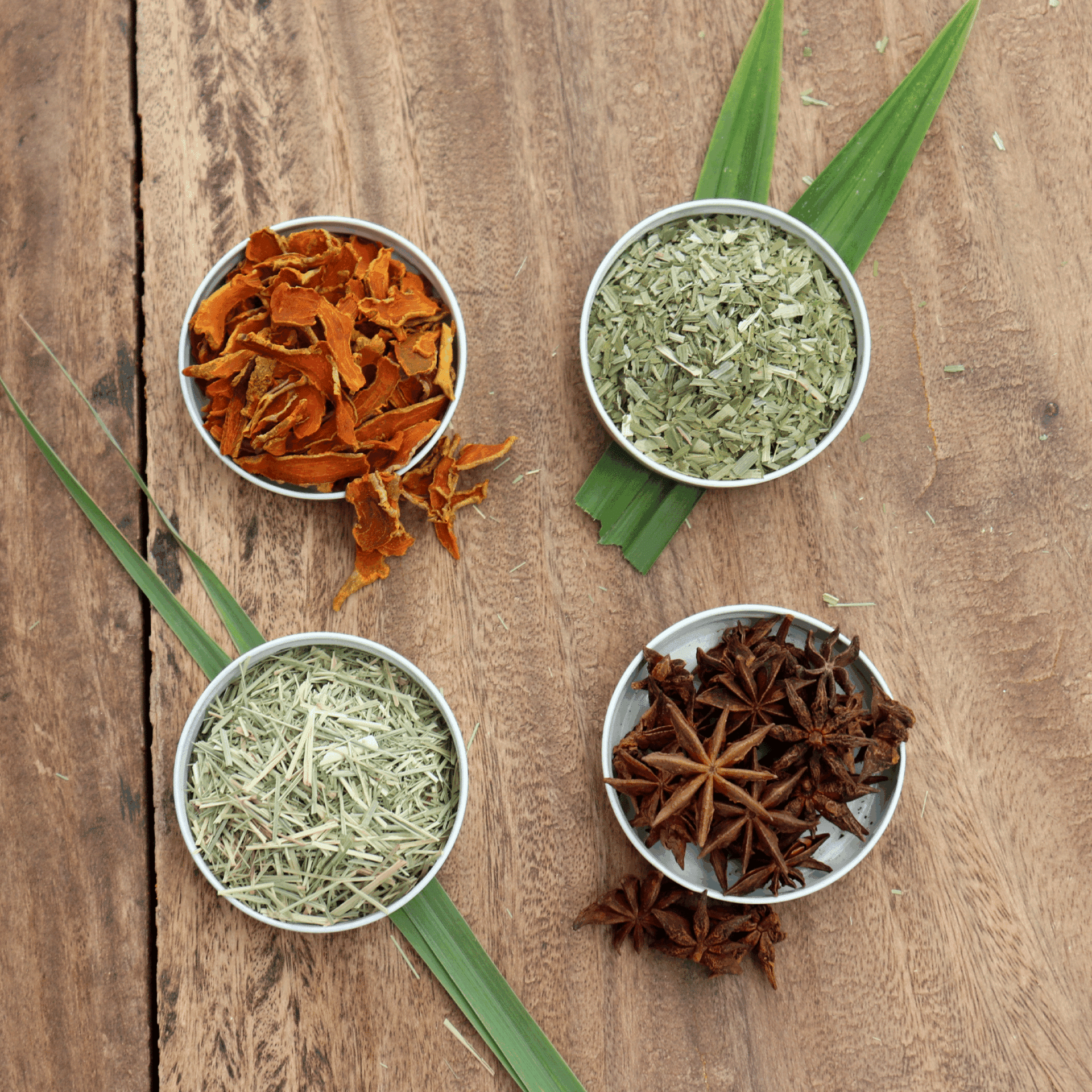
Star anise brings a delicate aniseed aroma, perfect for detox broths or warm infusions. It adds softness and depth to slow-cooked dishes and blends well with ginger or cinnamon.
In Asian cooking, star anise plays a central role thanks to its warm, comforting flavour. It works especially well in light, aromatic detox broths.
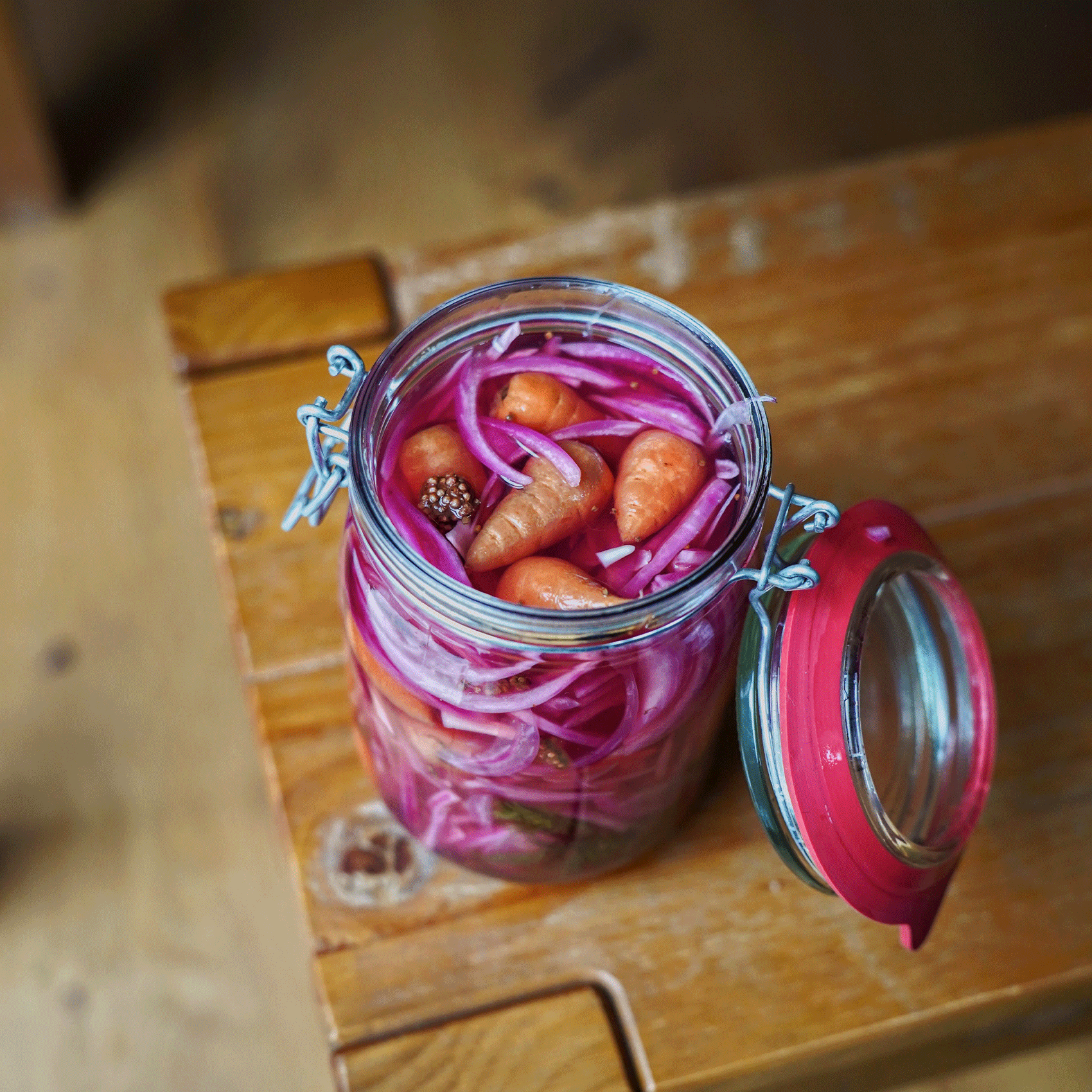
Long pepper is fruitier and spicier than black pepper. It offers a delicate, slightly woody heat.It is excellent for making vegetable pickles, such as carrot and onion pickles.
Long pepper enhances flavour while supporting fermentation, a process known for promoting a healthy gut microbiome. Its unique aroma also adds complexity to spiced herbal teas, especially when paired with ginger or star anise.
Lemongrass adds fresh, citrusy brightness. It balances warm spice blends and brings lightness to detox dishes. Use powdered lemongrass for convenience. It works well in vinaigrette bases or to lift a parsnip purée with a refreshing, lemon-like aroma.
These natural spices are excellent allies for adding flavour and originality to everyday dishes.
They are especially useful when reducing sugar or fat, thanks to their intense and exotic profiles.
Detox: myth and reality
A balanced approach is essential when talking about detox.
Here is what you should keep in mind:
A realistic detox is simple, enjoyable and based on fresh foods, hydration and the regular use of spices for a detox — not on restriction.
Frequently asked questions about detox
Choose seasonal fruits and vegetables, ideally local or organic. Add legumes and plant proteins, and eat some foods raw to preserve nutrients. Natural cashew nuts provide healthy fats and proteins for balanced snacks.
Use spices such as turmeric, ginger, cinnamon, star anise or long pepper to add flavour and digestive comfort.
Variety makes the routine enjoyable and sustainable.
Certain spices are particularly useful for flavouring infusions, broths or light dishes:
Turmeric: aromatic and slightly spicy, ideal for infusions or gentle cooking.
Ginger: spicy and tonic, perfect in broths or fruit salads.
Cinnamon & cardamom: warm and complex.
Star anise & long pepper: spicy, woody notes, ideal for pickles and broths.
Lemongrass: citrusy freshness that lifts vegetable purées.
Add them to herbal teas, light broths, vegetable purées, fruit salads, pickles or unsweetened yogurt. Long pepper lifts seasonal vegetable pickles, while star anise adds aroma to light broths. Cinnamon or cardamom can be sprinkled over breakfast dishes.
These easy habits help increase the regular use of spices for a detox in your routine.
All the spices mentioned are safe for daily culinary use.
However, ginger or long pepper, in very large quantities, may irritate sensitive stomachs.
If you are pregnant or have specific medical conditions, consult a healthcare professional before adopting a regular spice routine.


Subscribe to our Newsletter now
Get a free product for your first order!
Donation