5 Quick spices instant blends for Everyday Cooking
Our Tips
-
13.06.25
Suggestions
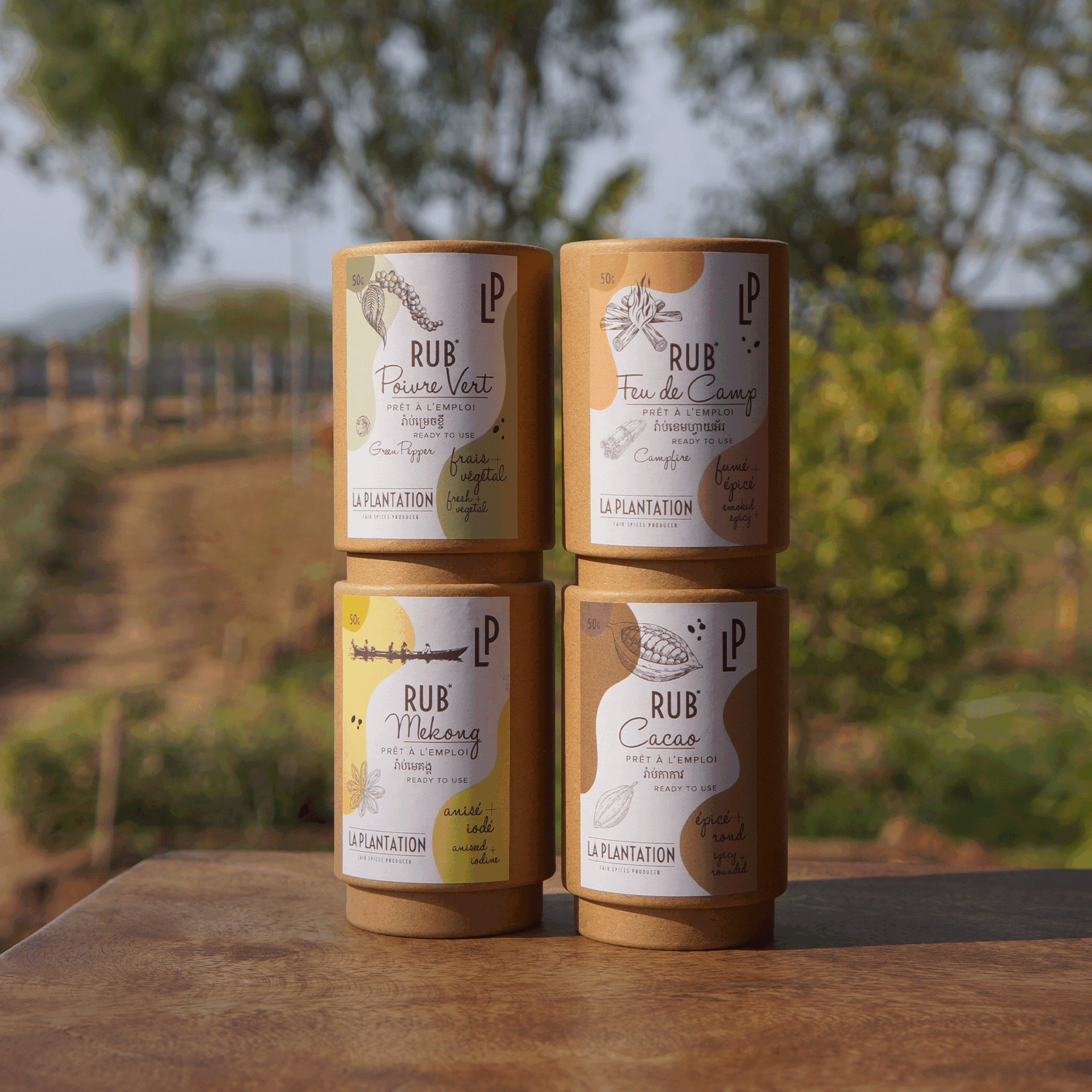
What Is a spice Rub? Composition, technique & uses
Sommaire
Key takeways:
|
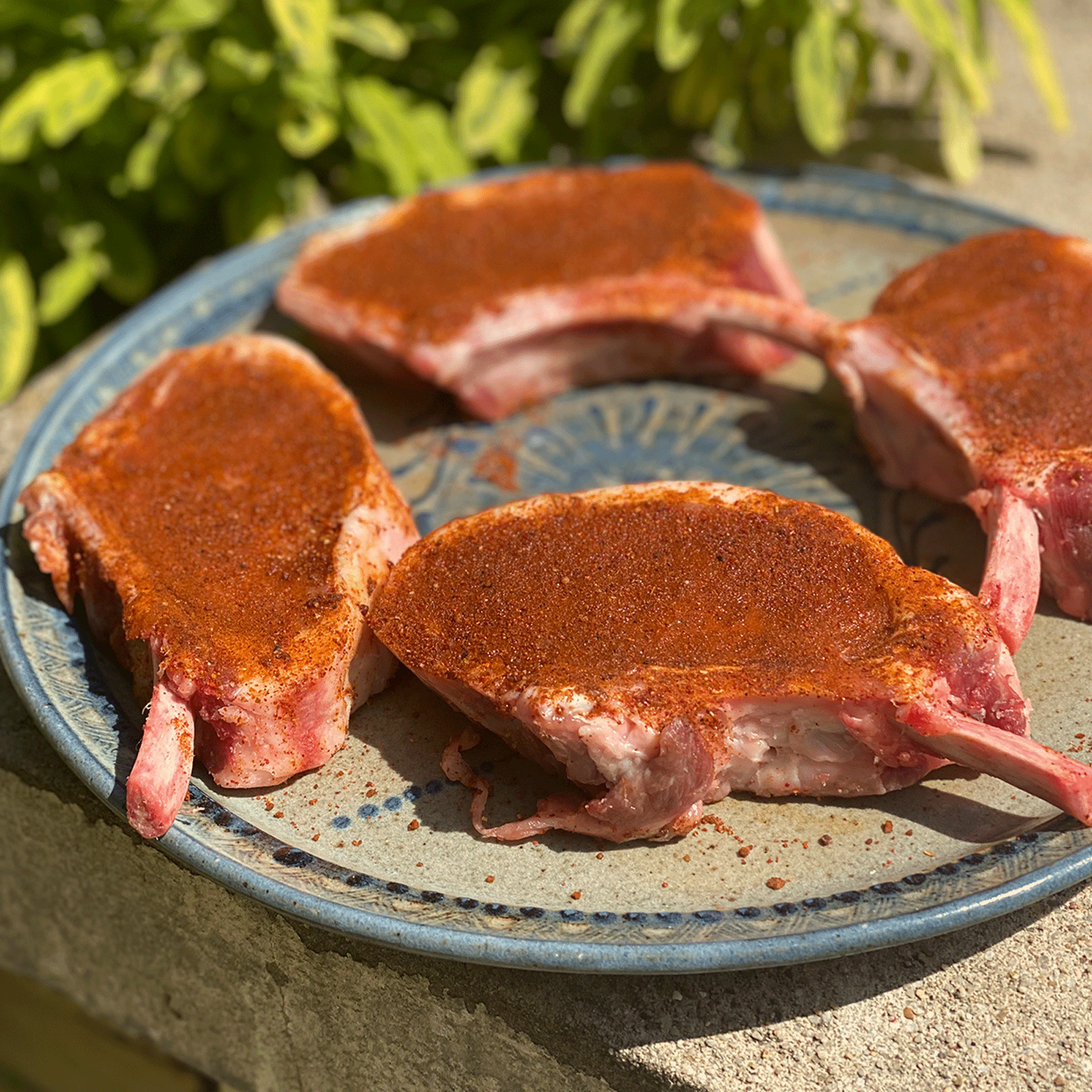
A rub, or dry rub, is a blend of dry spices massaged directly onto food before cooking, with no liquid. Unlike a marinade, it does not soak the ingredient: it adheres to the surface, penetrates the fibres through salt and sugar, and caramelises in the heat to form a dense, aromatic crust.
It is one of the most effective techniques for developing deep aromas and surface texture that cooking alone cannot produce. Used on the barbecue, in the oven, or on the plancha, it works just as well on meat as on vegetables or tofu.
This guide covers everything: its origins, composition, application technique, and how to create your own homemade blend.
What is a spice rub?
The word “rub” comes from the English verb to rub: to massage, to work in. The technique involves coating food with a dry spice blend and massaging it in to drive the aromas into the surface fibres before cooking. The term dry rub distinguishes it from the wet rub, which contains a liquid binder (oil, mustard, honey). Other common terms: spice crust, dry spice blend, or spice massage.
The dry rub as we know it today is closely linked to the barbecue culture of the American South especially in Texas, Tennessee, the Carolinas. In this tradition, the dry rub is applied hours, sometimes days, before cooking. The goal: to allow the spices to penetrate deep into the flesh during a long, slow cook known as low and slow.
The practice of rubbing spices onto meat before cooking is ancient and universal. But the term “rub” and its codified form are American in origin, popularised in the 20th century alongside competitive BBQ culture.
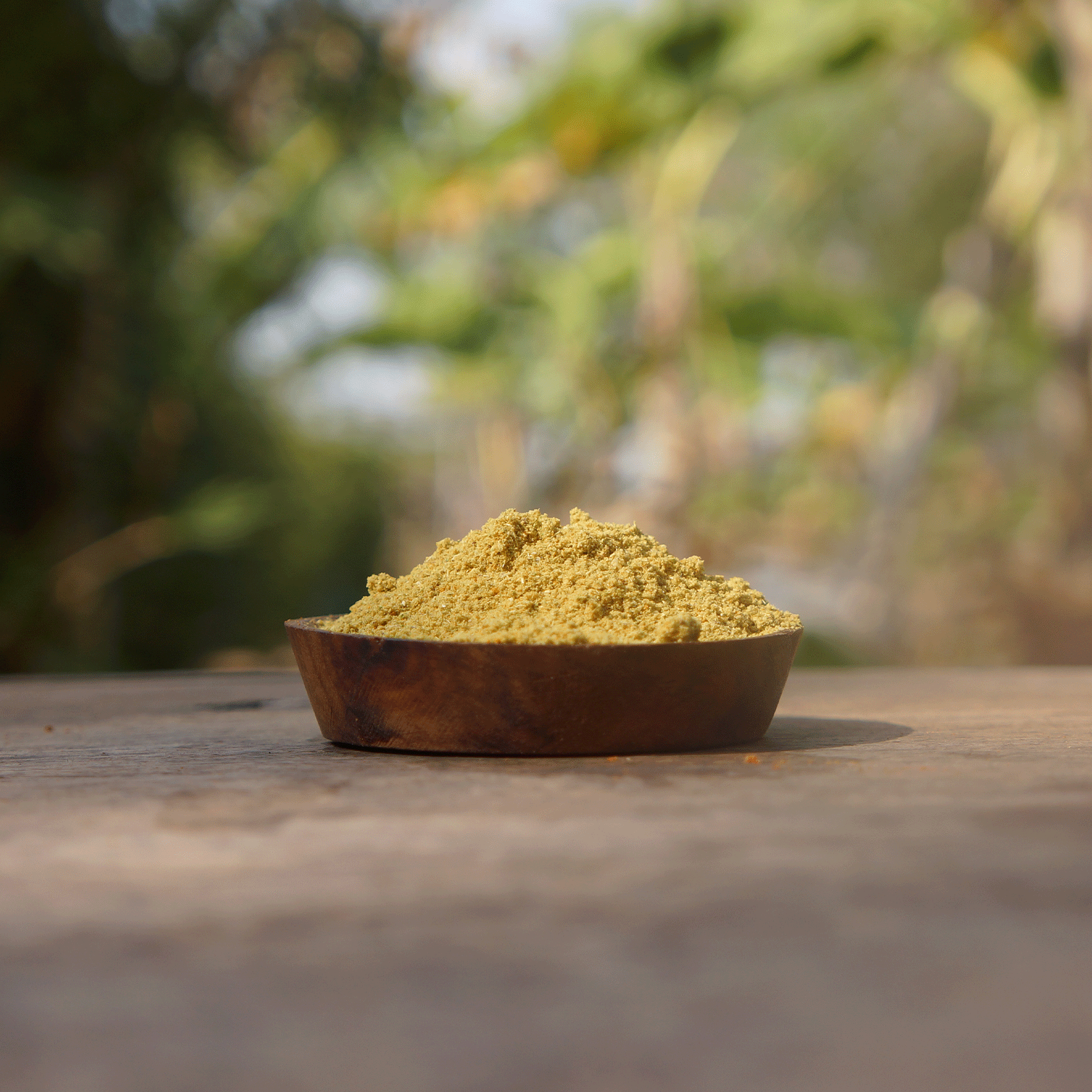
What is a spice Rub made of?
A balanced rub generally follows a four-part proportion. One quarter salt, one quarter sugar, one quarter hot spices, one quarter aromatic spices. This is a starting point, not an absolute rule. A Texas rub leans heavier on pepper and salt. A Carolina rub is sweeter. A Creole rub is spicier. Salt must always be present but used with care: too much salt masks the spices and toughens the fibres of the meat.
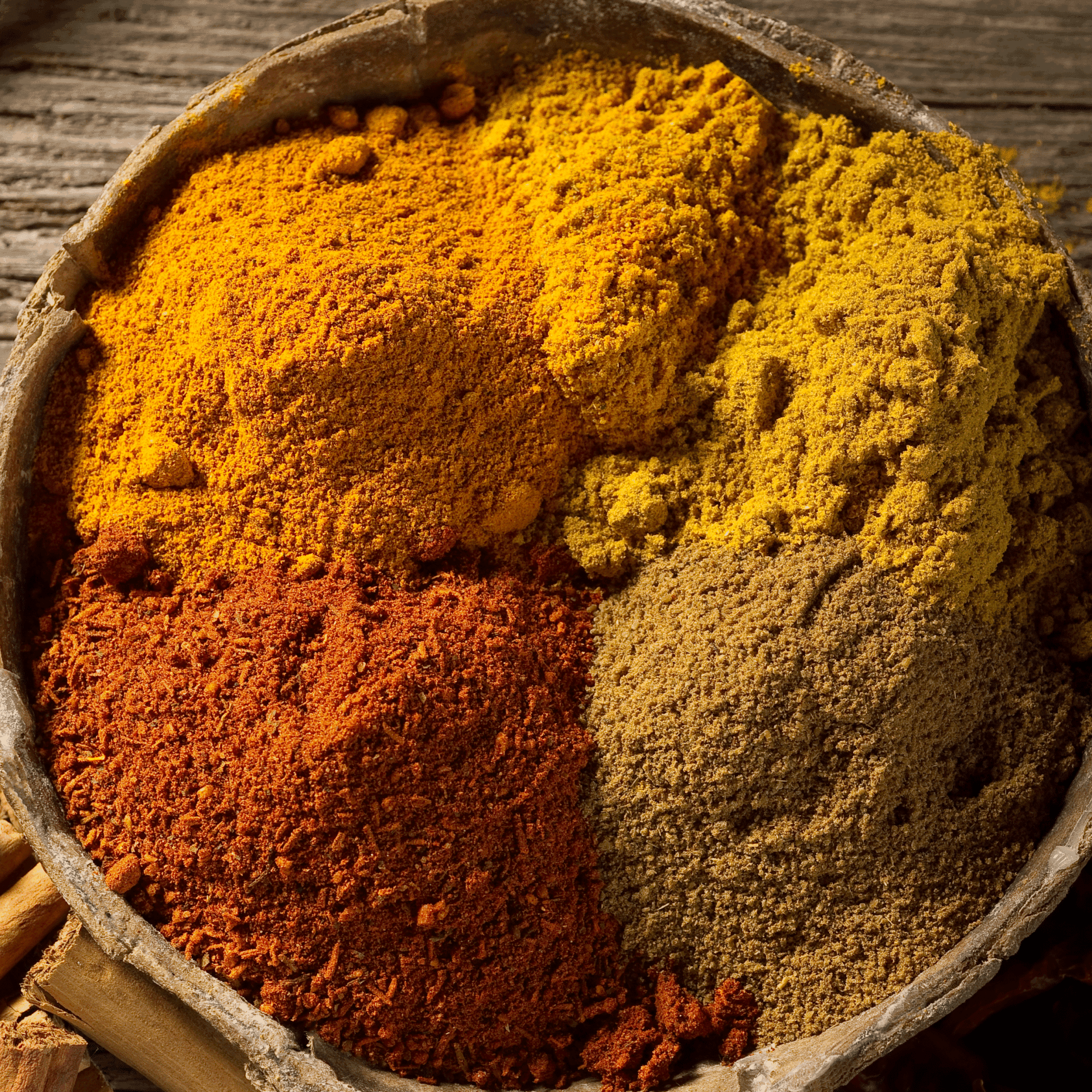
It’s been well know that most commercial rubs are built on the same aromatic foundations. Paprika whether sweet or smoked provides the red-orange colour and a background softness. It is the central spice in the majority of American rubs.
Garlic powder delivers a universal, persistent aroma that holds up through cooking.
Cumin brings an earthy warmth, strongly present in Tex-Mex rubs.
Black pepper structures the heat. Onion powder creates a lightly sweet aromatic base.
Mustard powder adds a subtle acidity and helps the spices bind to the surface.
Oregano or thyme complete the blend with Mediterranean or herbaceous notes.
At La Plantation, our rubs use unrefined palm flower sugar with a low glycaemic index in place of standard brown sugar. It produces a gentler caramelisation and lightly woody notes that are distinctly different from refined sugar.
Certain less conventional spices create original and memorable rub blends.
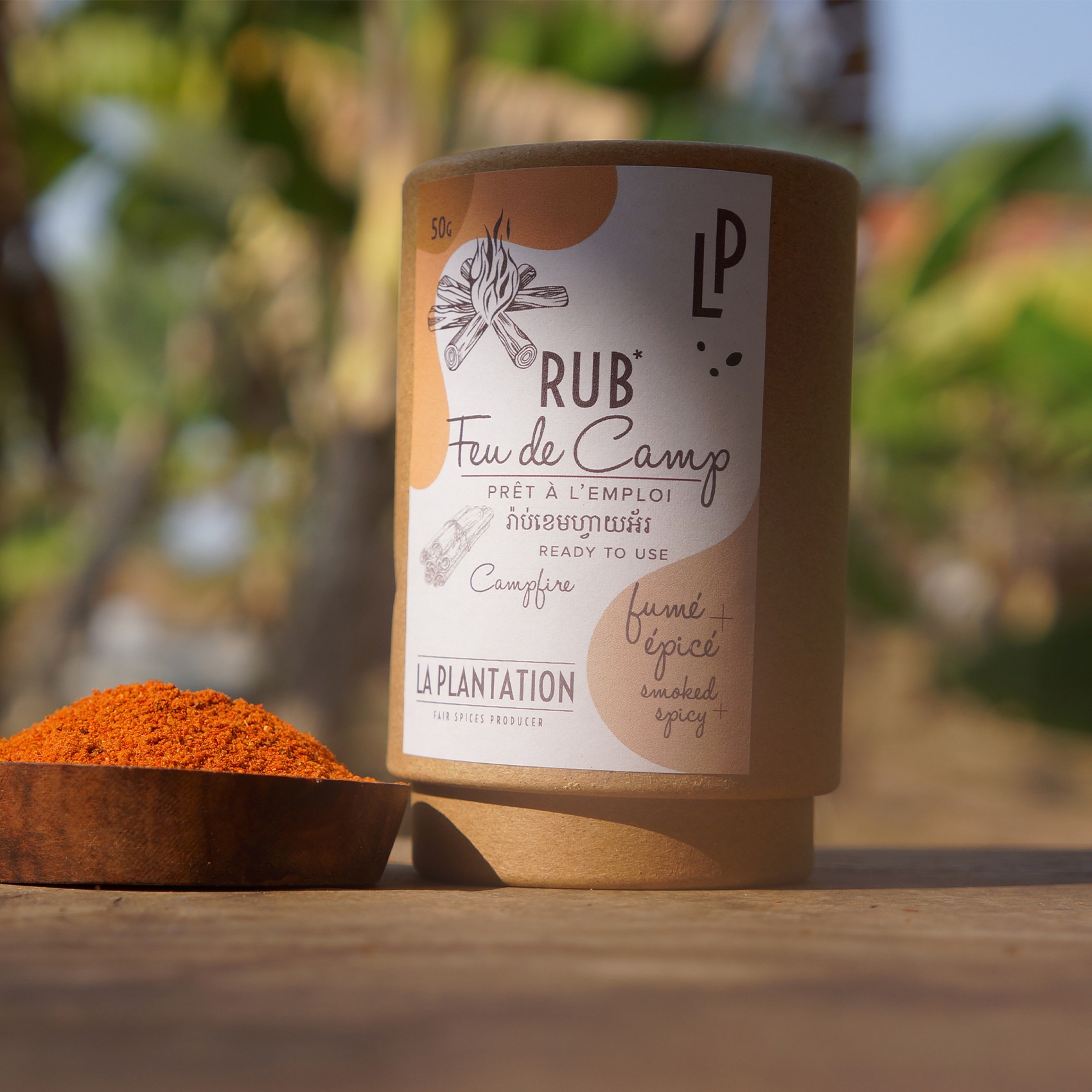
Smoked cinnamon is familiar in savoury Middle Eastern cooking. In its smoked version, it bridges the aromas of the barbecue and works remarkably well on red meat.
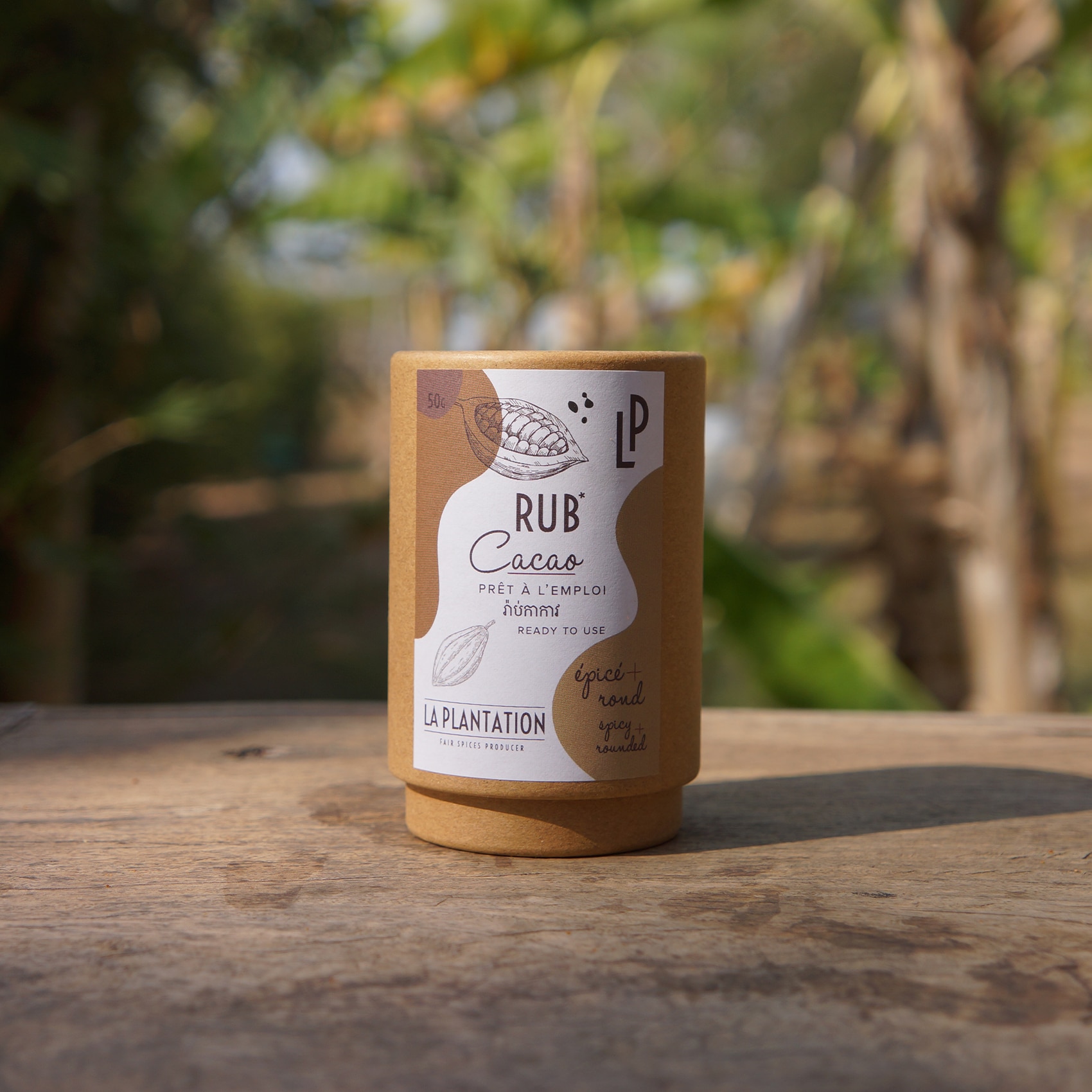
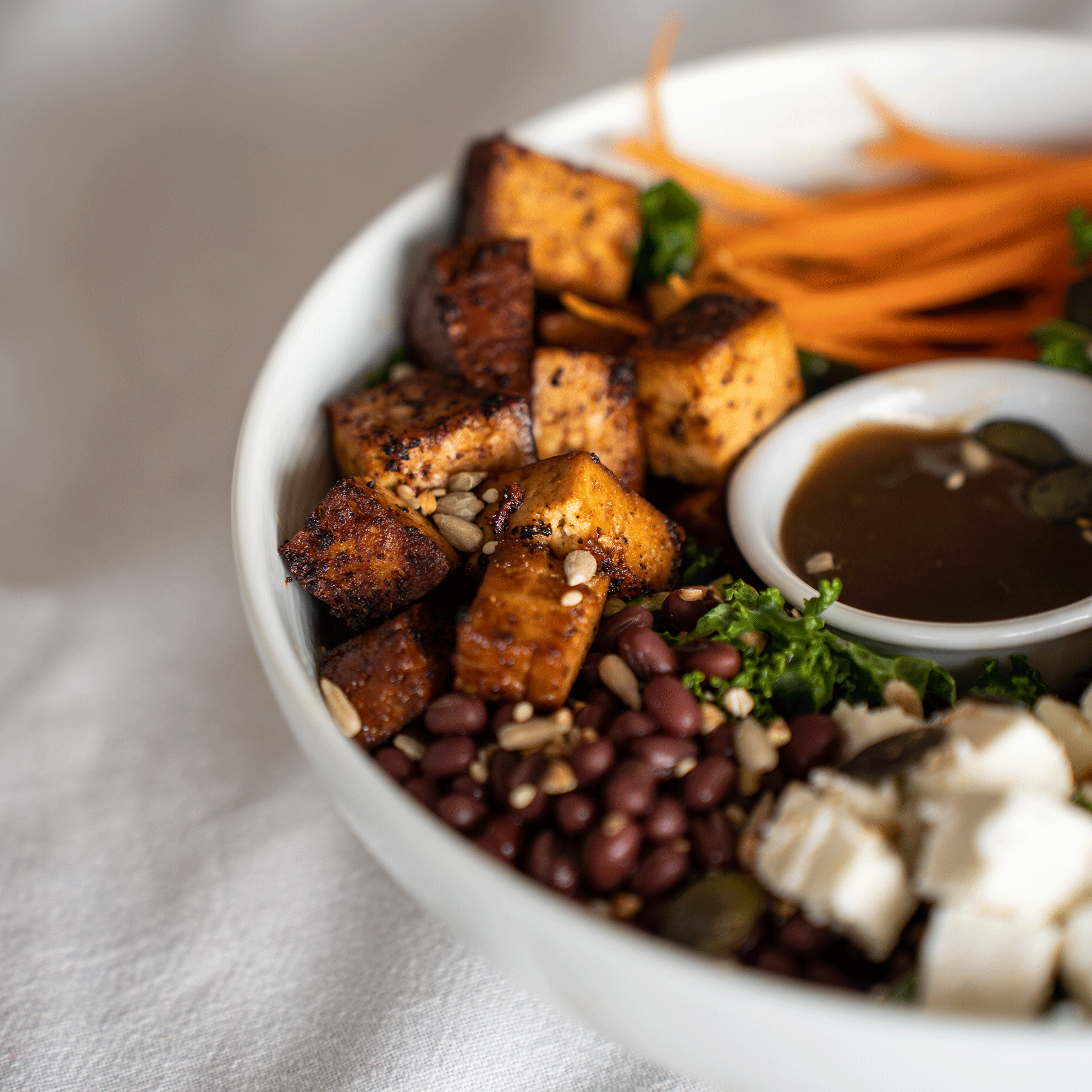
Cacao takes direct inspiration from the Mexican mole that complex sauce of chillies and chocolate that has been coating meats for centuries. Applied as a rub, it works particularly well on tofu and roasted vegetables, like on our tatin pie recipe.
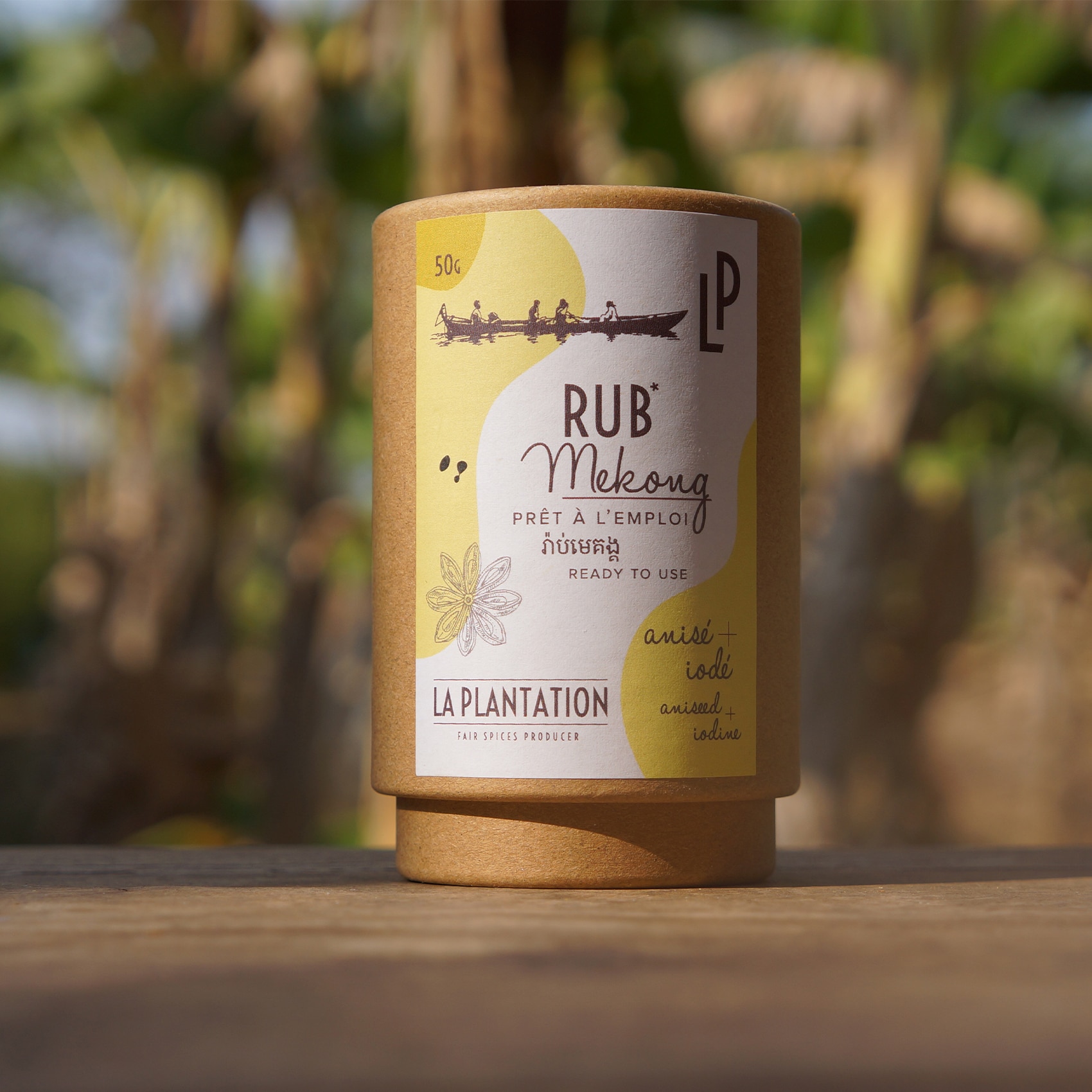
Star anise brings a South-East Asian dimension: its anise aroma echoes the caramelised pork dishes of the region and elevates both fish and vegetables.
Dehydrated green pepper is a fresh, vegetal alternative to classic black pepper. It brings a herbaceous note that makes the rub distinctive without weighing it down.
How to use a spice rub?
Applying a rub correctly follows five precise steps to guarantee adhesion and aromatic penetration.
Dry the food first: pat the surface dry with kitchen paper. A moist surface prevents the rub from adhering and creates steam rather than a crust during cooking.
Apply generously: dust the rub over all sides without holding back. The quantity is intentionally larger than you might expect, it is what forms the crust.
Massage it in: work the rub in circular movements to press the spices into the surface fibres.
Leave to rest: a minimum of 30 minutes at room temperature for a quick result. Up to 24 hours in the refrigerator for deeper penetration.
Cook without rinsing: unlike a marinade, a rub is never rinsed off before cooking. The crust that has formed is precisely the objective.
| Food | Minimum time | Optimal time | Maximum recommended |
|---|---|---|---|
| Chicken portions | 30 min | 4 to 8h | 24h |
| Whole chicken | 2h | 12h | 48h |
| Pork ribs / spare ribs | 1h | 12h | 24h |
| Beef (whole cut) | 2h | 24h | 48h |
| Fish fillet | 15 min | 30 min | 1h max |
| Vegetables | 15 min | 30 min | 2h |
| Tofu | 30 min | 2h | 12h |
On the barbecue and grill, the intense heat caramelises the surface sugars and spices, creating the bark that dense, aromatic crust characteristic of BBQ meats. This is the historical home of the rub.
In a low and slow oven, the rub penetrates gradually over several hours. This is the ideal method for large cuts: pork shoulder, spare ribs, leg of lamb. The crust builds progressively and the aromas integrate deeply into the flesh.
On a frying pan or plancha, the cooking is faster. Watch the temperature carefully to prevent the sugar from burning before the food is cooked through.
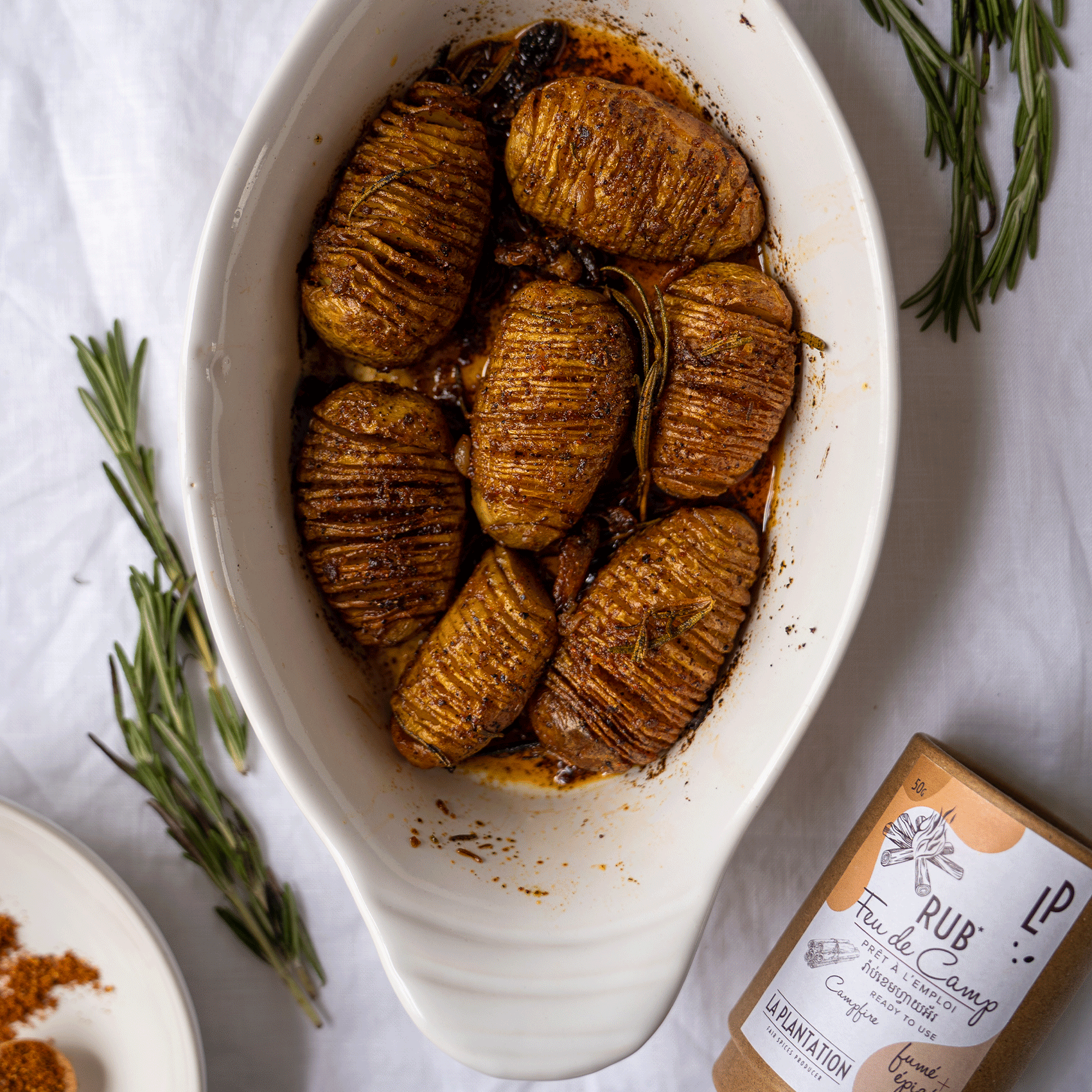
For vegetables in the oven, coat with a drizzle of olive oil, apply the rub, and roast at 200°C. The caramelisation is particularly remarkable on potatoes, sweet potatoes, courgettes, and mushrooms.
Dry rub vs. wet rub: what is the difference?
The dry rub and the wet rub are based on the same principle of massaging before cooking — but their composition and results differ significantly.
| Criterion | Dry rub | Wet rub |
|---|---|---|
| Composition | Dry spices only | Spices + liquid binder (oil, honey, mustard) |
| Texture | Dry powder | Paste or thick marinade |
| Crust during cooking | Excellent, intense caramelisation | Variable depending on the binder |
| Aromatic penetration | Slower, deeper | Faster |
| Storage | Long (dry blend keeps well) | Use quickly |
| Ideal for | Slow cooking, BBQ | Quick grilling, chicken, vegetables |
The two techniques are complementary. It is perfectly possible to apply a dry rub after a short marinade — combining the deep penetration of the marinade with the surface crust of the rub. The best of both approaches in a single preparation.
How to create your own homemade rub?
Worth knowing: five ingredients make up 80% of most commercial rubs, most of the time you find salt, brown sugar, paprika, garlic powder, and black pepper.
A recommended base recipe:
From this base, personalisation is the key. For a classic American BBQ rub: add mustard powder, onion powder, and thyme. For a Tex-Mex rub: add cumin, chilli, and ground coriander. For an Asian-inspired rub: replace the paprika with dehydrated green pepper and add ground star anise and ginger.
A homemade rub keeps well provided the salt is kept separate from the dry spices. A blend without salt integrated keeps for up to 6 months in an airtight jar, away from heat and light. Adding salt only at the moment of application extends the shelf life of the blend considerably.
FAQ
A marinade is a liquid in which the food is soaked. A rub is a dry spice blend massaged directly onto the surface, with no liquid. A marinade tenderises the fibres deeply through acidity. A rub creates an aromatic crust on the surface through the caramelisation of sugars during cooking. The two techniques are complementary, it combine a short marinade with a dry rub gives the deepest results.
Yes and it is widely underestimated. On fish, apply the rub a maximum of 15 to 30 minutes before cooking. Beyond that, the salt begins to cure the fish and alters its texture. On vegetables, a rub works remarkably well in a hot oven. No time to rest? A rub can also be used immediately, just like any other spice blend.
It is not essential. The dry rub technique calls for applying the powder directly to the dry surface. A light film of oil can help the rub adhere evenly if desired. For naturally fatty cuts like spare ribs or lamb cutlets, the natural fat is sufficient. For chicken with skin on, apply the rub directly under the skin for optimal aromatic penetration.
The rule is: do not hold back. A visible, generous coating is necessary to form a real crust. In practice: around 1 to 2 tablespoons for a chicken fillet, 3 to 4 tablespoons for a rib of beef, and more as needed for a whole shoulder destined for a slow cook.


Subscribe to our Newsletter now
Get a free product for your first order!
Donation