Condiments et sauces prêts à l’emploi : comment les utiliser en cuisine ?
News
-
29.05.26
Suggestions
6 easy recipes to make with hot sauce
Sommaire
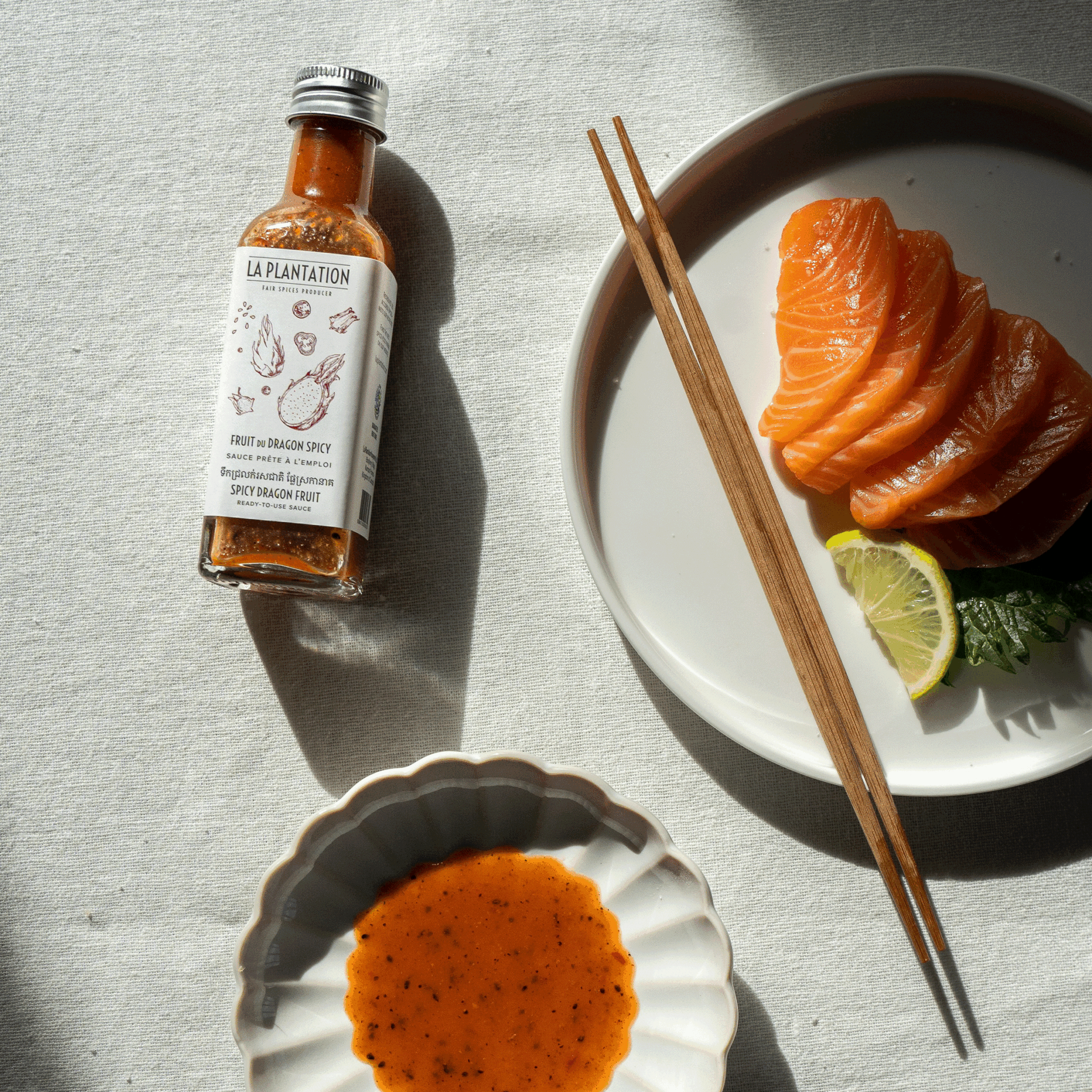
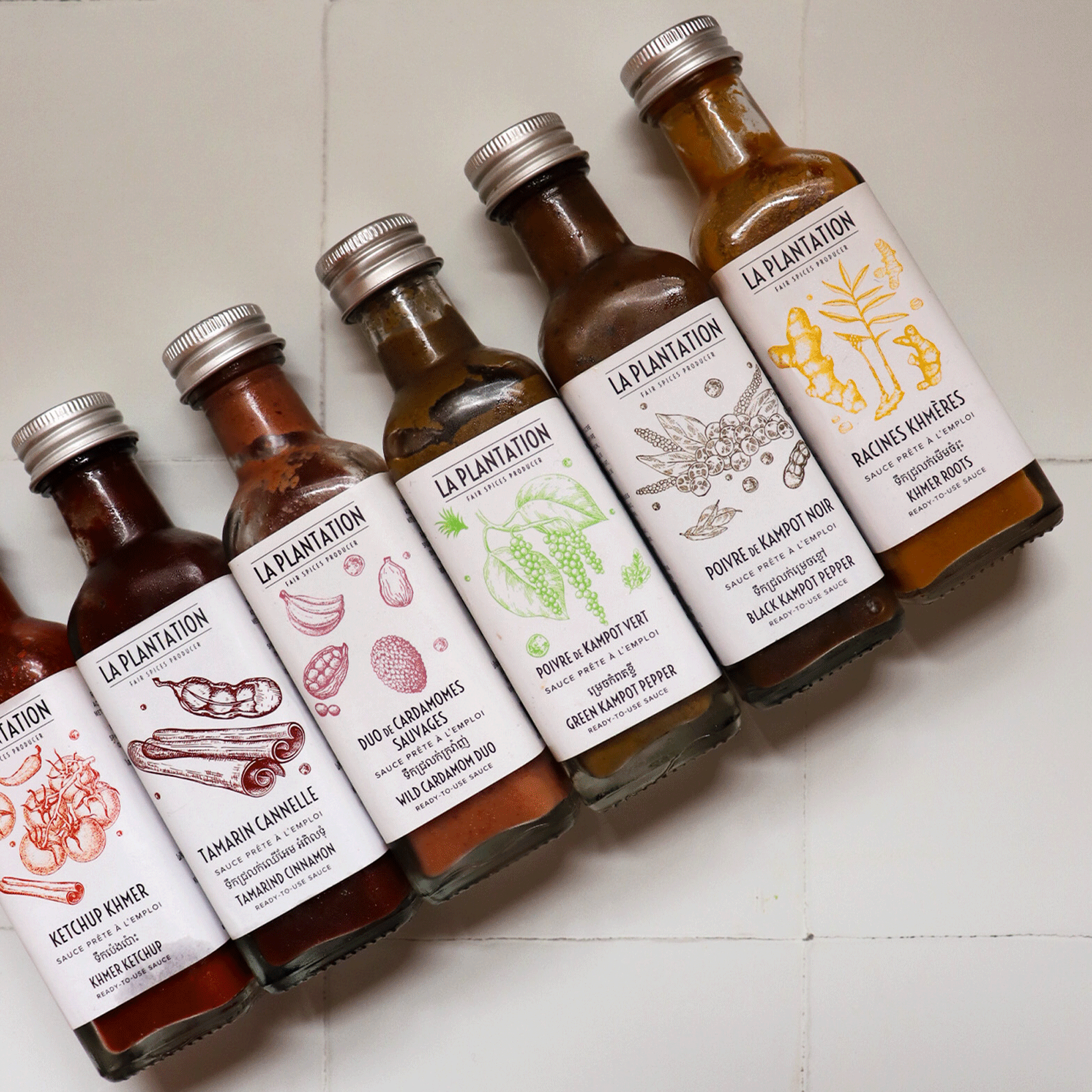
Hot sauces are far more than condiments left on the table. In a marinade, as an oven glaze, stirred into a cream sauce, or poured over a dish at the finish: a good hot sauce is a full ingredient in its own right, one that delivers in a single move what several separate spices would take time to build.
The profiles are remarkably varied. From crispy chili oil (crunchy and umami) to tamarind BBQ sauce, pepper sauce, or cardamom sauce for those who love depth without the heat: there is a sauce for every tolerance and every type of dish. These 6 recipes demonstrate that concretely, from a breakfast egg to an afternoon bake.
Recipes with Hot Sauces
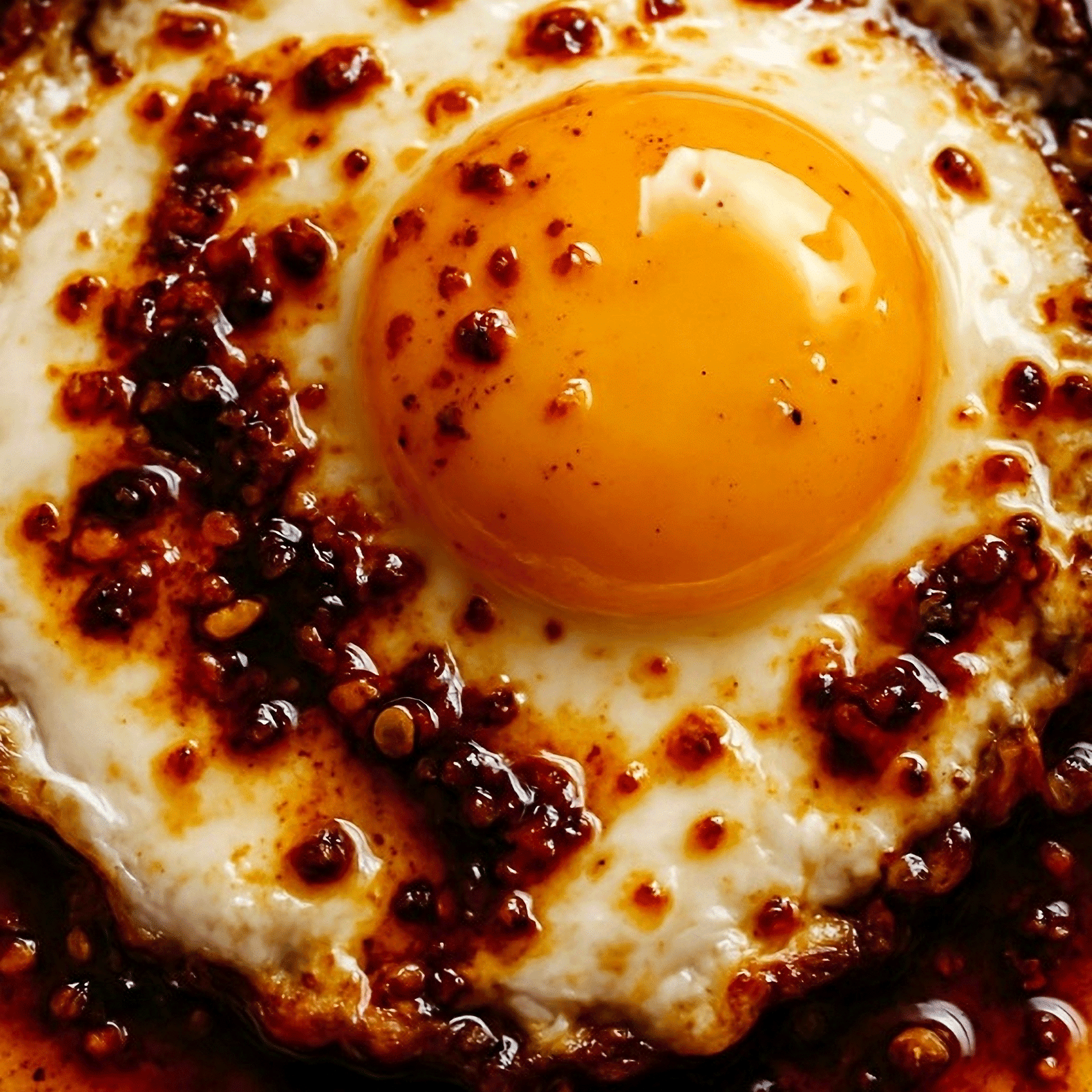
Fried eggs are the perfect demonstration that a hot sauce changes everything in 30 seconds, without altering the base recipe. Crispy chili oil delivers heat, crunch, and umami simultaneously — three dimensions that no single spice can give as a finishing touch.
Ingredients — serves 2
Method
Melt the butter over a medium heat in a small non-stick frying pan. Crack in the eggs, cook for 2 minutes, and remove from the heat before the whites set completely. Serve immediately with a spoonful of crispy chili oil poured over the top.
Tip: crispy chili oil is always added after cooking, never into the pan — high heat destroys the aromas and the crunchy texture. For a more substantial version, serve on a slice of toasted sourdough bread.
What to serve with it: at brunch or breakfast, with avocado and fresh cheese, or buttered toast.
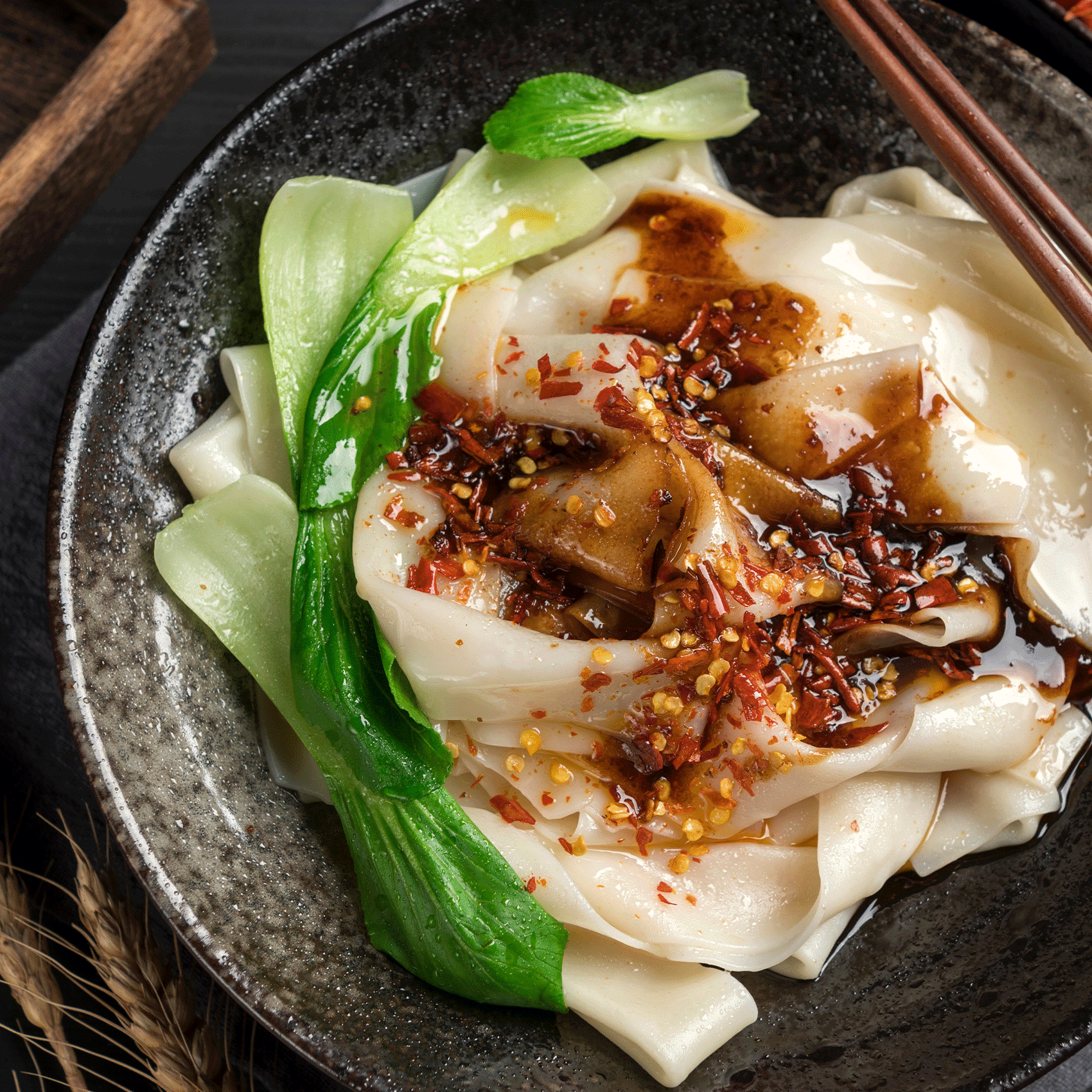
The quick, satisfying version of a winter wok — ready in 15 minutes and adaptable to whatever you have in the refrigerator.
Ingredients — serves 2
Method
Heat the sesame oil in a wok over a high heat. Fry the garlic for 30 seconds. Add the greens and stir-fry for 1 minute. Add the cooked noodles, pour over the soy sauce, and toss vigorously. Remove from the heat and finish with the crispy chili oil.
Tip: crispy chili oil always goes in off the heat to preserve its aromas and crunchy texture. For more protein, add a poached egg, beef strips, or sautéed prawns.
What to serve with it: as a complete dish on its own, or with a miso broth as a starter.
Tamarind BBQ sauce — tangy, lightly sweet, and deep — is ideal for slow oven cooking. The meat becomes yielding and lacquered as it braises in the glaze.
Ingredients — serves 4
Method
Mix the tamarind BBQ sauce with the cider vinegar. Brush generously over the ribs and leave to marinate for a minimum of 2 hours — overnight is better. Cook in the oven at 160°C for 1 hour 30 minutes, covered with foil. Uncover, increase to 200°C and cook for a further 20 minutes, basting every 5 minutes. Serve immediately.
Tip: the slow covered cook is essential for the meat to become tender before the final glazing stage. Without basting during the uncovered phase, the ribs dry out — do not skip this step.
What to serve with it: crunchy coleslaw, rice, roasted potatoes, or homemade chips.
Milder Recipes — for Those Who Love Flavour Without the Heat
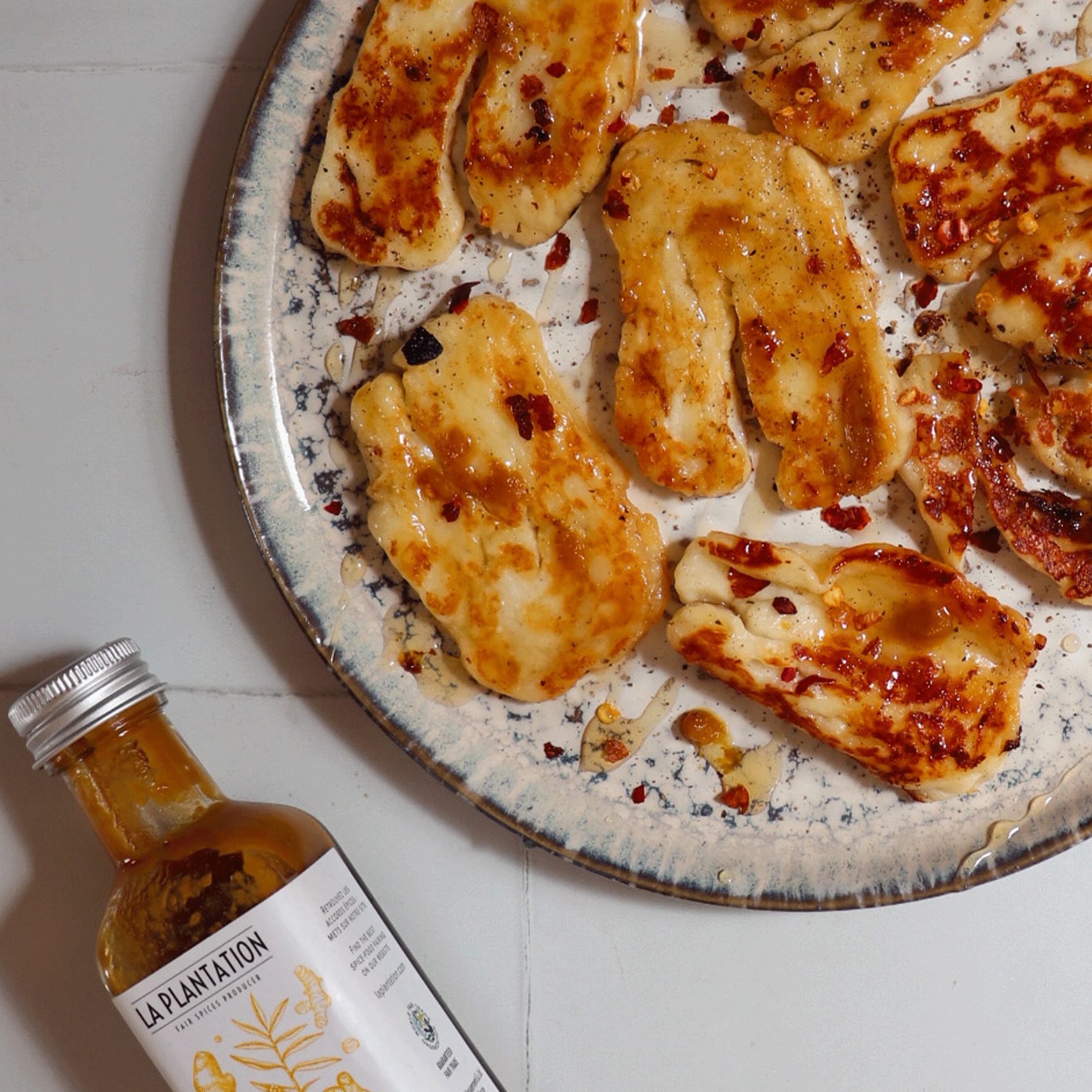
The Khmer root sauce contrasts with the fatty, salty character of the halloumi. A vegetarian dish ready in 10 minutes.
Ingredients — serves 2
Method
Slice the halloumi. Fry in a dry pan for a few minutes. Add the honey and continue cooking until each side is golden. Serve with a pinch of crushed chilli trio, a grind of Kampot black pepper, and the Khmer roots sauce alongside.
Tip: a properly hot pan is essential for a good crust — halloumi does not melt during cooking. The spiced sauce counterbalances the fattiness of the cheese perfectly: do not heat it, pour it directly over the hot halloumi.
What to serve with it: grilled pitta, a fresh salad, and lemon wedges.
A homemade pepper sauce built from an artisanal base is one of the fastest recipes there is: 5 minutes, one pan, immediate results.
Ingredients — serves 2
Method
Cook the steaks in a frying pan to your preferred doneness and set aside to rest somewhere warm. In the same hot pan, pour in the stock and deglaze by scraping up the cooking juices. Add the pepper sauce and crème fraîche, reduce for 2 minutes over a medium heat. Pour over the steaks and serve immediately.
Tip: do not bring the sauce to the boil after adding the cream — it would lose its velvety texture. The cooking juices from the steak are the real base of the sauce: they give it all its depth without needing a concentrated stock.
What to serve with it: homemade chips, sautéed green beans, or a gratin dauphinois.
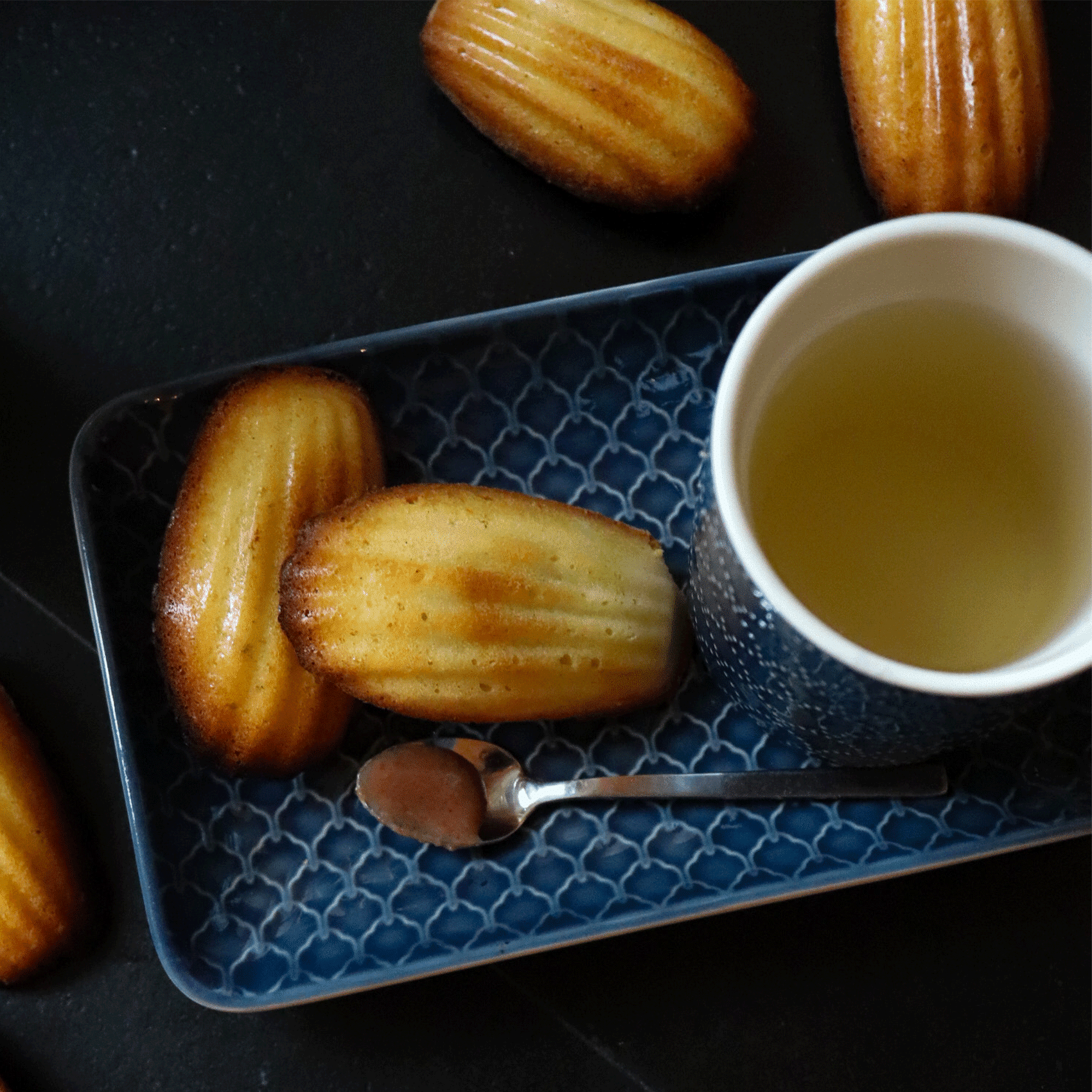
Wild cardamom sauce stirred into a madeleine batter: sweet, floral, lightly camphor-like. An accessible recipe that shows a spiced sauce can also work in baking.
Ingredients
Method
Whisk the eggs and sugar together until thick and pale, about 6 minutes. Combine the flour and baking powder in a separate bowl. Fold the flour into the egg mixture in three additions using a spatula. Add the melted butter and mix until smooth. Rest the batter in the refrigerator for 3 hours. Preheat the oven to 210°C. Bake for 4 minutes, then lower to 180°C and bake for a further 6 minutes. Serve with wild cardamom sauce alongside.
Tip: resting the batter in the cold is the key step for achieving the characteristic bump of a proper madeleine — do not skip it.
What to serve with it: spiced hot chocolate, chai latte, or warm apple compote.
FAQ
A hot sauce can be used in several ways. In a marinade, mixed with a fat and an acid. As a glaze, brushed on at the end of cooking to caramelise. Stirred into a cream sauce with crème fraîche or stock. As a vinaigrette base. Or poured directly over the dish as a finishing touch. Using it as a condiment left on the table is the most limited of its applications.
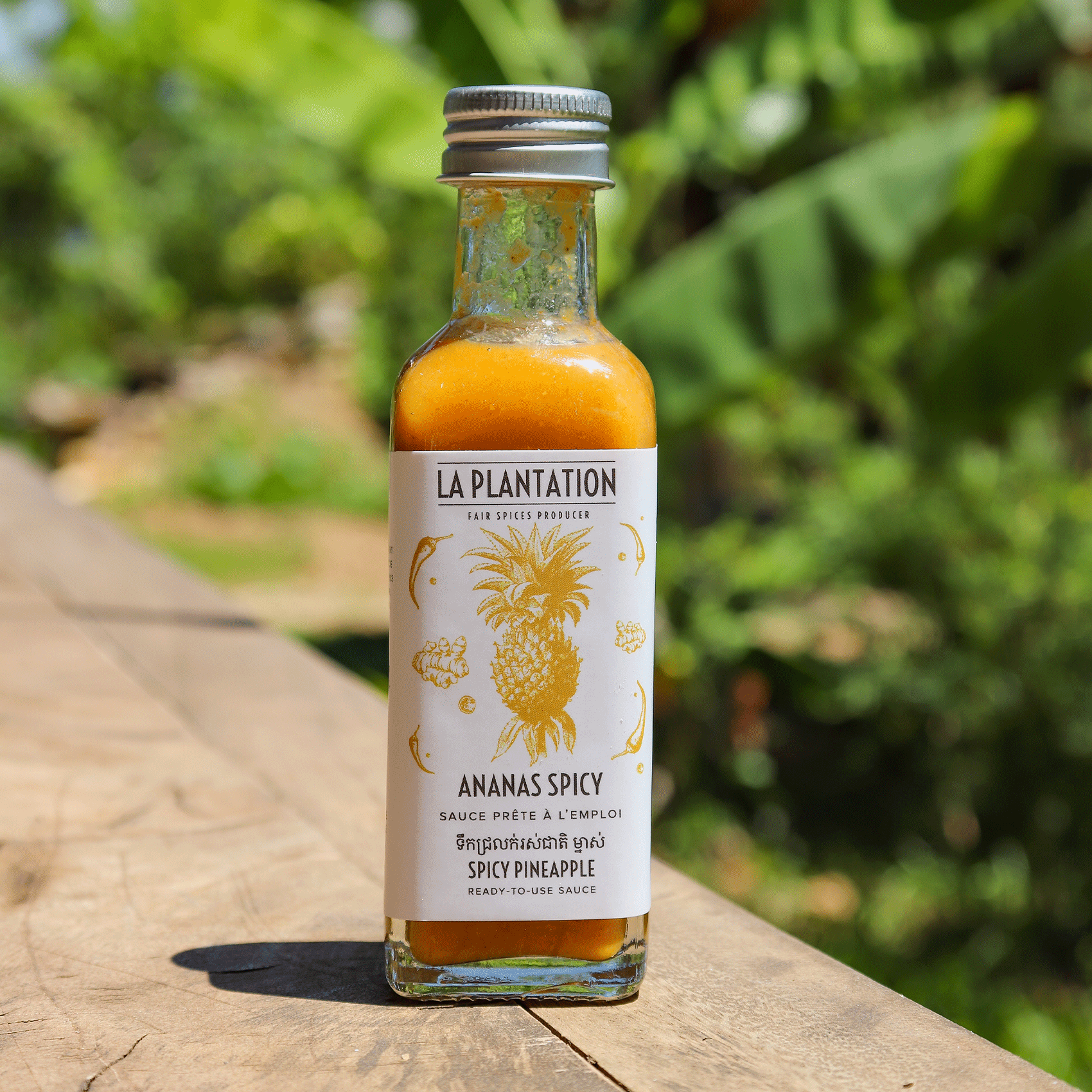
Yes. In long cooking (soups, stews, braises), capsaicin diffuses and softens: a moderate hot sauce added during cooking gives a dish that is well-seasoned but approachable. Fruit-based sauces — tamarind, mango, pineapple — are naturally gentler and suit those who are less accustomed to heat.
| Use | Recommended sauce | Profile |
|---|---|---|
| Meat glaze | Fruit-based sauce (mango, pineapple) | Sweet-spicy, caramelises well |
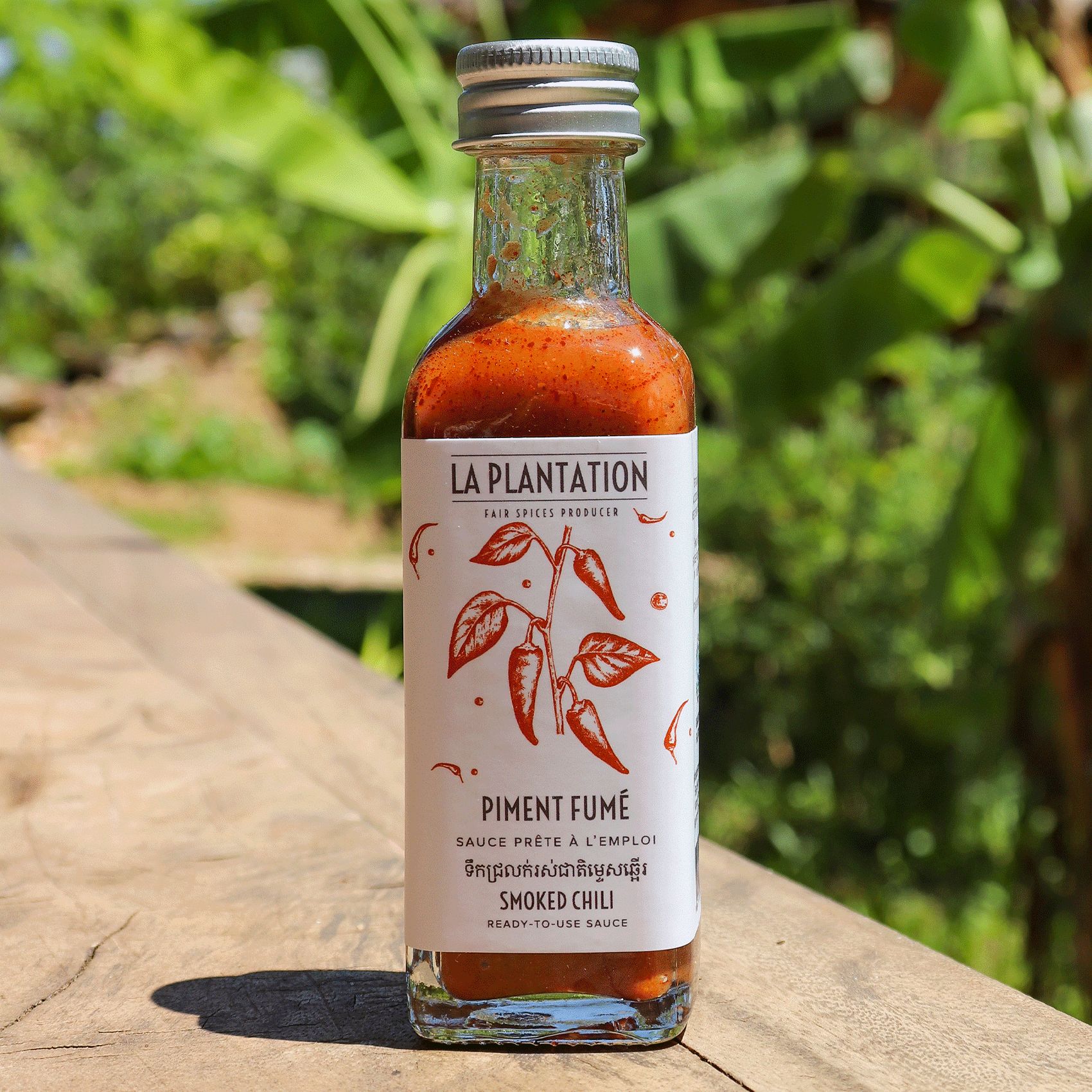
| Cream sauce | Pepper sauce, smoked chilli sauce | Deep, woody |
| Cold finish | Crispy chili oil, green chilli sauce | Textured, aromatic |
| Marinade | Tamarind BBQ sauce | Acidic, tenderising |
| Sweet use | Cardamom sauce, cinnamon tamarind sauce | Floral, soft |


Subscribe to our Newsletter now
Get a free product for your first order!
Donation