
Everything About Hot Sauces: The Complete Guide
Product
-
31.10.25
Suggestions
Condiments and ready-to-use sauces: How to use them in the Kitchen
Sommaire
Key takeways:
|
A condiment taken out of the refrigerator and placed on the table is the simplest and most limited use there is. These sauces were designed to do far more. As a marinade, as a cooking base, as a finishing touch in the plate: a well-chosen condiment replaces several ingredients at once and transforms an ordinary dish without extra effort.
This guide explores three distinct uses, pepper sauce beyond red meat, hot sauces integrated into cooking, and sweet-spicy condiments in creative cooking, and asks one simple question: why does an artisanal sauce change everything?
Pepper sauce: think beyond red meat
Pepper sauce is associated with a single use in most kitchens: poured over a piece of beef. That instinct is understandable, but it means missing out on far deeper and more varied flavours.
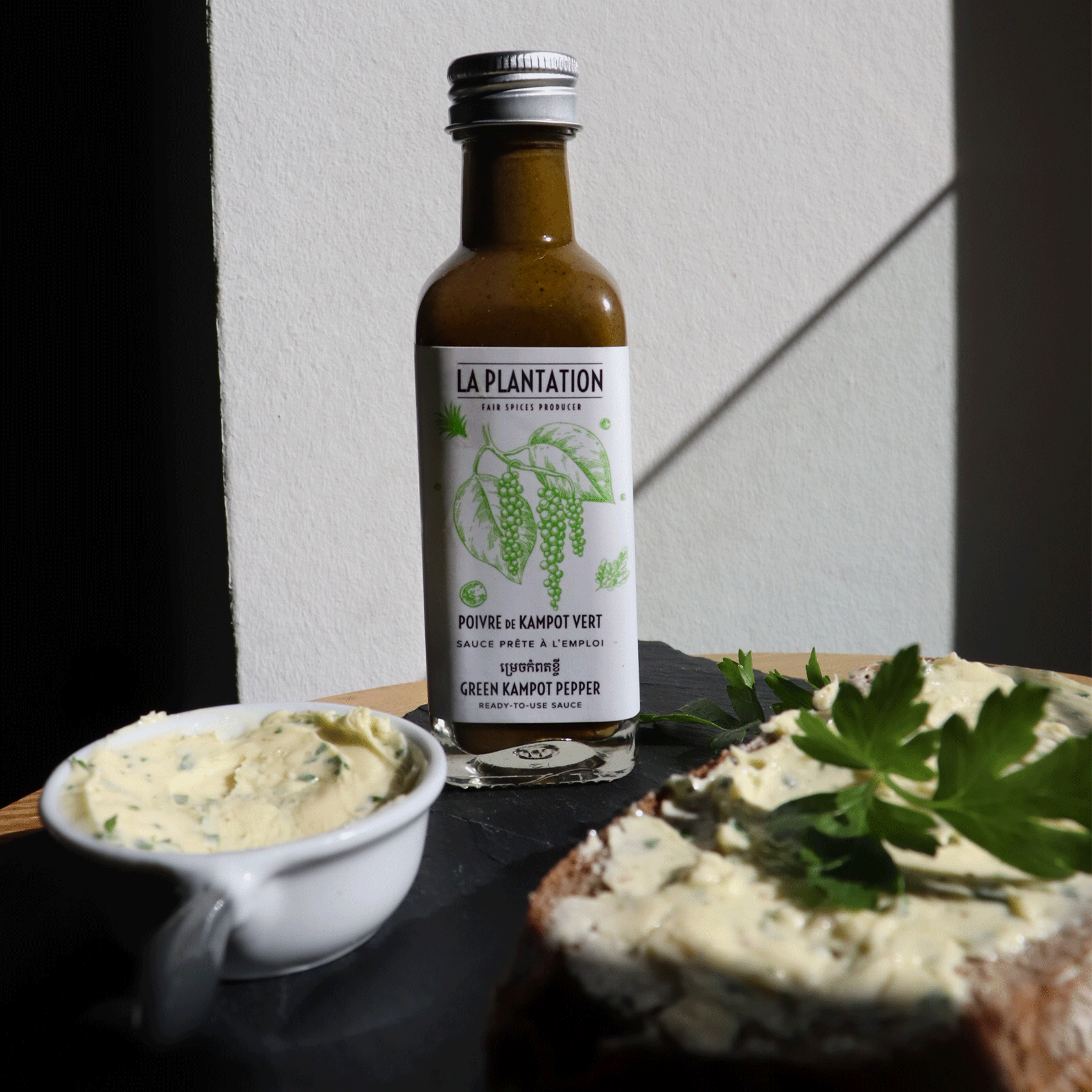
Add one spoonful of black pepper sauce to olive oil and cider vinegar for an instantly ready peppery dressing, no need to measure out pepper separately. It works particularly well on an endive, beetroot, or lamb’s lettuce salad.
Stir a tablespoon into warm crème fraîche and pour over pasta or gnocchi. A creamy, peppery sauce in two minutes, no long cooking, no reduction required.
On tofu or mushrooms before a quick stir-fry, pepper sauce plays the role of both seasoning and fat at the same time. Thirty minutes of marinating is enough. For more on marinade techniques, see our complete guide to spices and marinades.
An industrial pepper sauce contains on average 3 to 5% real pepper. The rest of the ingredient list typically includes starch, artificial flavourings, preservatives, and flavour enhancers. The aromatic concentration is low by design, compensated by additives.
An artisanal pepper sauce starts from whole, traceable pepper, harvested at maturity. You use less of it for a result that is more complex, more persistent on the palate, and more honest in its flavour.
Hot sauces: how to dose, integrate, and transform
Not all hot sauces are dosed the same way. A mild sauce can be spooned in freely. An intense sauce is measured drop by drop, depending on personal tolerance.
| The tip that works every time: start with a small amount, taste, then adjust. Never the other way around. |
Heat behaves differently depending on the context. It dilutes in fats, crème fraîche, coconut milk, oil, and loses intensity. It amplifies in acidic liquids like lemon juice or vinegar. Sugar and honey soften the heat: a useful correction if a dish is too spicy without having to dilute the whole preparation.
Hot sauce is not reserved for the table. Used during cooking, it changes character entirely: less raw heat, more aromatic depth, and a complexity you simply cannot achieve with chilli powder alone.
In a marinade: mix with oil and lemon juice, leave meat, fish, or vegetables to marinate for 30 minutes to 2 hours. The sauce replaces several separate ingredients in a single move.
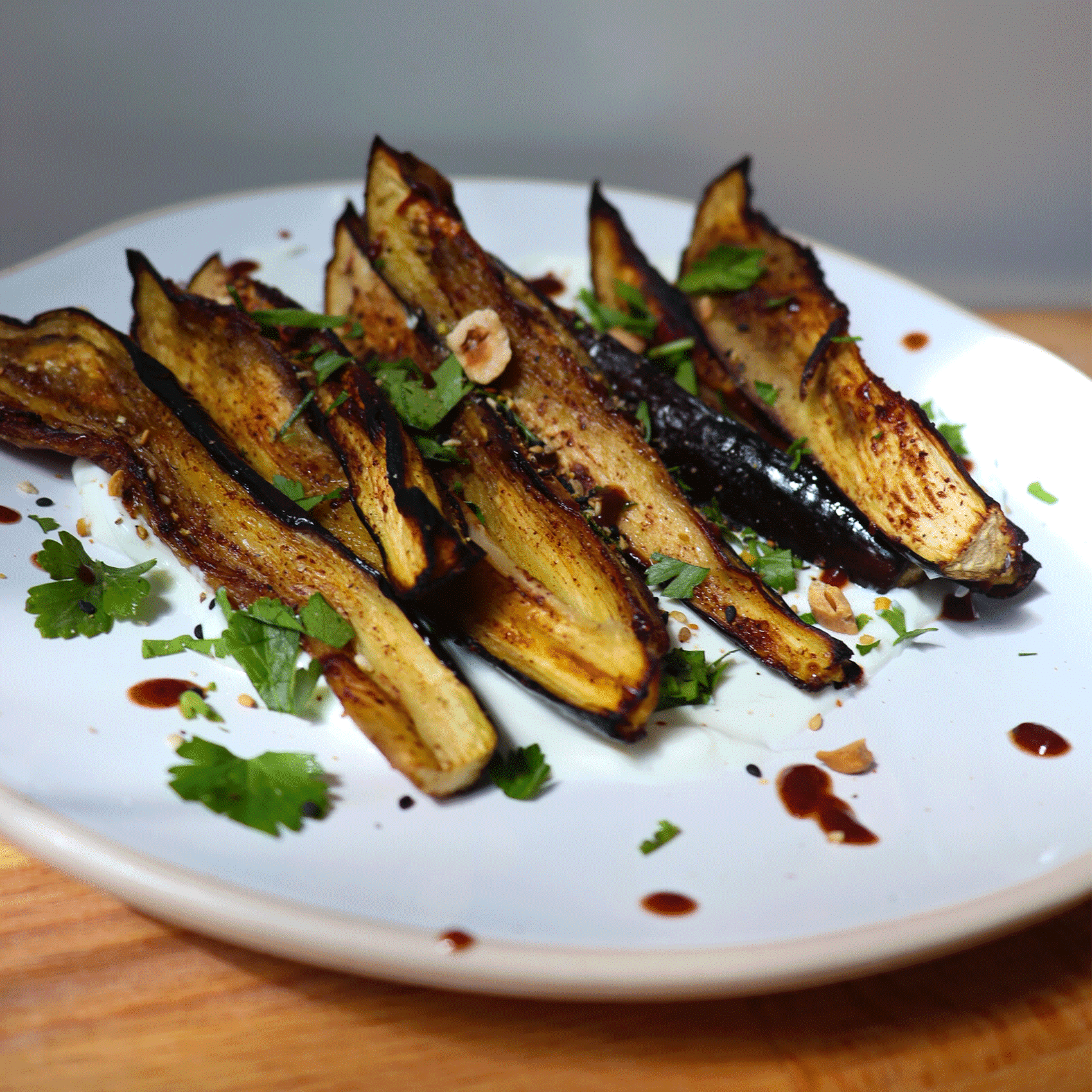
As a barbecue or plancha glaze: brush over the food at the end of cooking to build a caramelised, spiced crust. The natural sugars in the sauce encourage the Maillard reaction, the colour forms faster and goes deeper.
In a soup or stew: one spoonful during cooking structures the sauce base without dominating the other aromas. This is where a quality hot sauce reveals its complexity most clearly.
In a homemade mayonnaise or yoghurt: use it as the base for a quick dip for crudités, wraps, or sandwiches. The yoghurt softens the heat; the sauce brings the character.
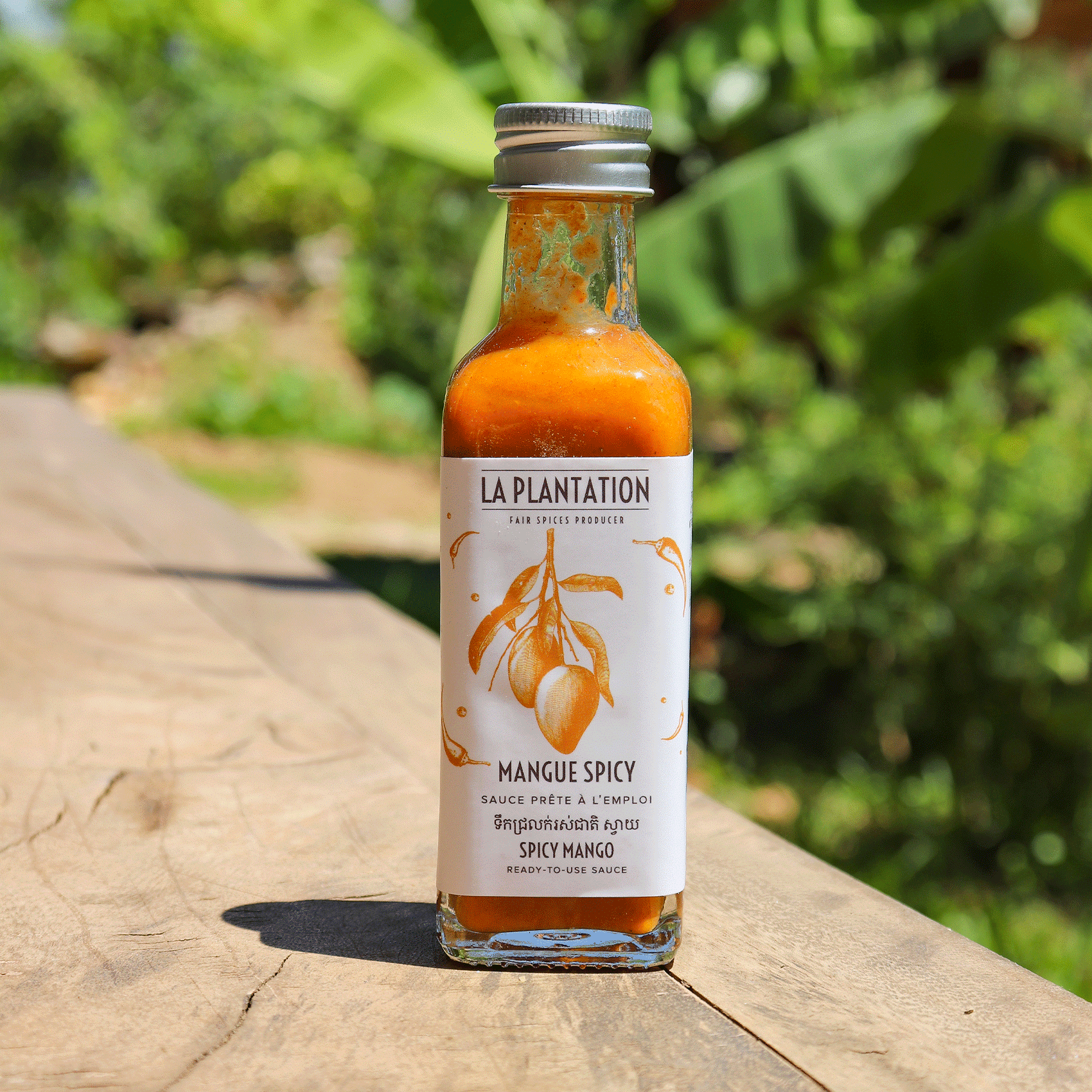
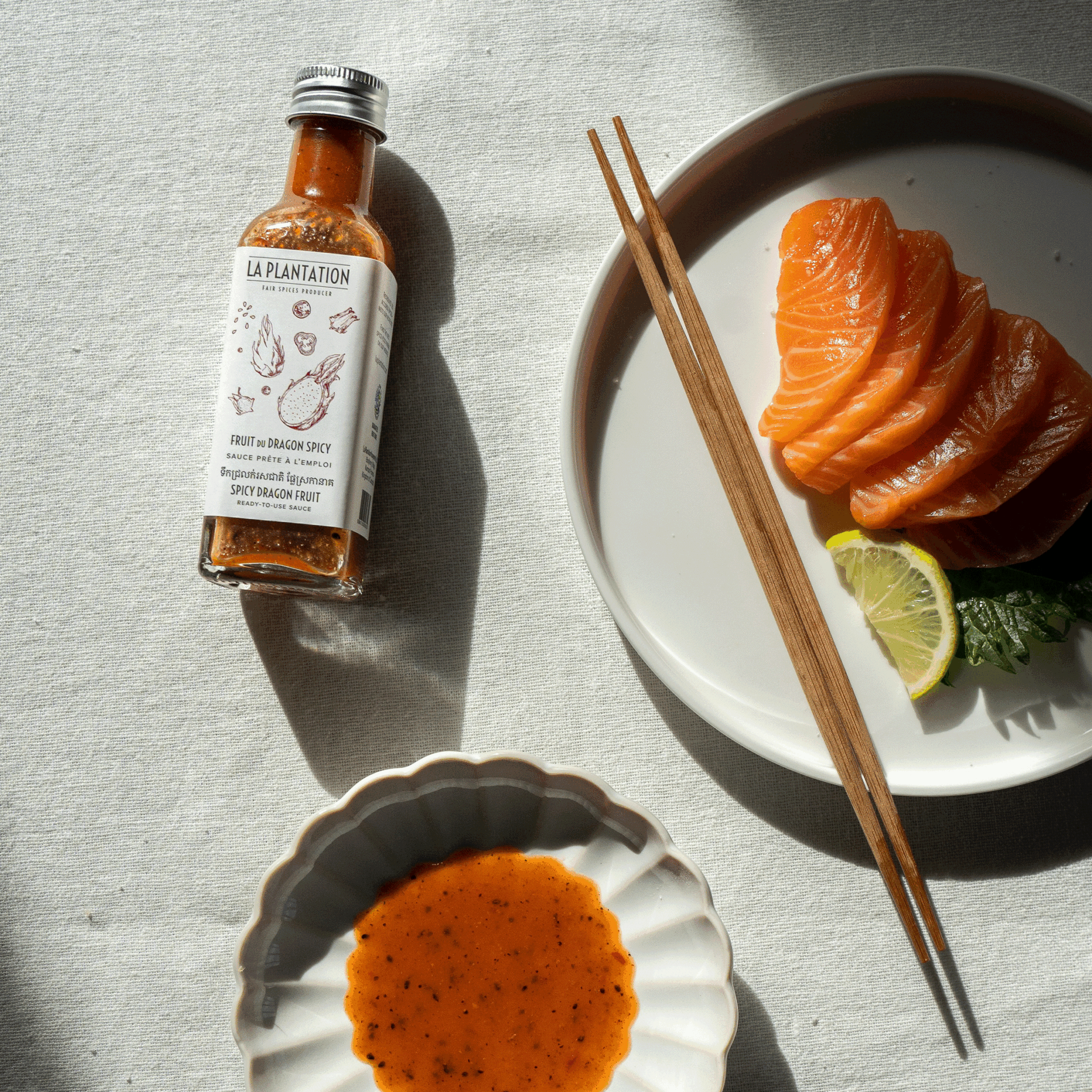
Fruit-based sauces, mango, pineapple, tamarind, create a sweet-sour-spicy balance that is particularly effective. Their natural sweetness makes them approachable for those less used to hot sauces, while delivering genuine aromatic complexity.
These sauces work remarkably well on white meat, seafood, and Asian-inspired dishes: as a salsa replacement on tacos or burritos, as a dipping sauce for prawns or grilled fish, as a sweet-savoury base in a poke bowl or a Thai salad, one spoonful seasons the whole dish.
Finishing vs. preparation: two very different uses
A finishing touch means adding the condiment just before serving. It preserves the most volatile aromas of the sauce, its texture, and its raw heat. This is the use that lets the condiment shine in the plate, visible, identifiable, and precise.
When to prioritise finishing: on delicate dishes (steamed fish, carpaccio, tartare), on cold dishes (salads, sushi, aperitif boards), and anywhere you want the sauce to remain clearly recognisable. Dosing is key: a few drops to a single spoonful.
Integrated during cooking, the sauce blends into the dish. It loses its raw heat and gains depth. It advantageously replaces several separate ingredients, acid, spice, and umami in a single addition.
When to prioritise integration: in soups, woks, slow-cooked sauces, marinades, and preparations based on cream or coconut milk. A sweet-savoury sauce added at the end of cooking into a vegetable wok instantly creates a complete dish, no additional seasoning required.
Why choose an artisanal sauce over an industrial one?
The ingredient list of an industrial sauce is rarely just an ingredient list. Chemical preservatives, artificial flavourings, colourings, thickeners, and high sugar levels to compensate for the weakness of the actual raw materials. The content of the signature ingredient, pepper, chilli, fruit, rarely exceeds 5%, despite what the product name suggests. The origin of the raw materials is rarely specified.
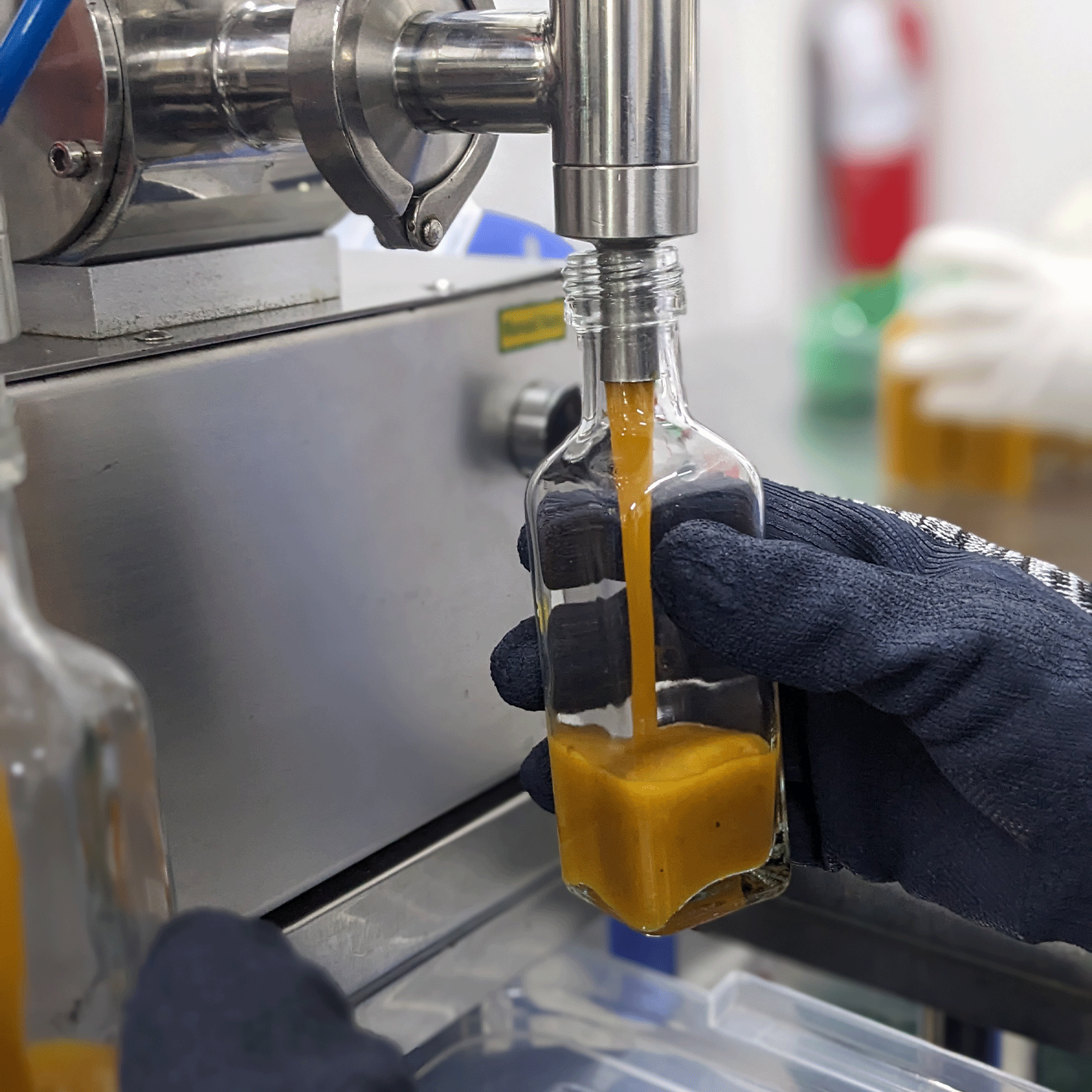
An artisanal condiment is above all a readable ingredient list. You know what is in it, where it comes from, and how it was made. The practical consequences are real: no preservatives (the sauce keeps naturally in the refrigerator once opened), real aromatic concentration (you use less for a result that is more direct and more persistent), natural sugars from fruit rather than added refined sugars, a reduced environmental impact (short supply chain, responsible farming, minimal packaging), and a traceability that large industrial brands simply cannot offer.
FAQ: your questions about ready-to-use sauces
Yes, and it is one of its most effective uses. Mix with a fat (olive oil, sesame oil) and an acidic element (lemon juice, vinegar) to create a complete marinade in 30 seconds. The hot sauce replaces several separate ingredients while bringing its own aromatic complexity.
In the refrigerator, always. A condiment without preservatives does not keep at room temperature once opened. Take the bottle out a few minutes before use: cold temperatures naturally thicken the texture. In general, expect around 12 months in the refrigerator depending on the composition.
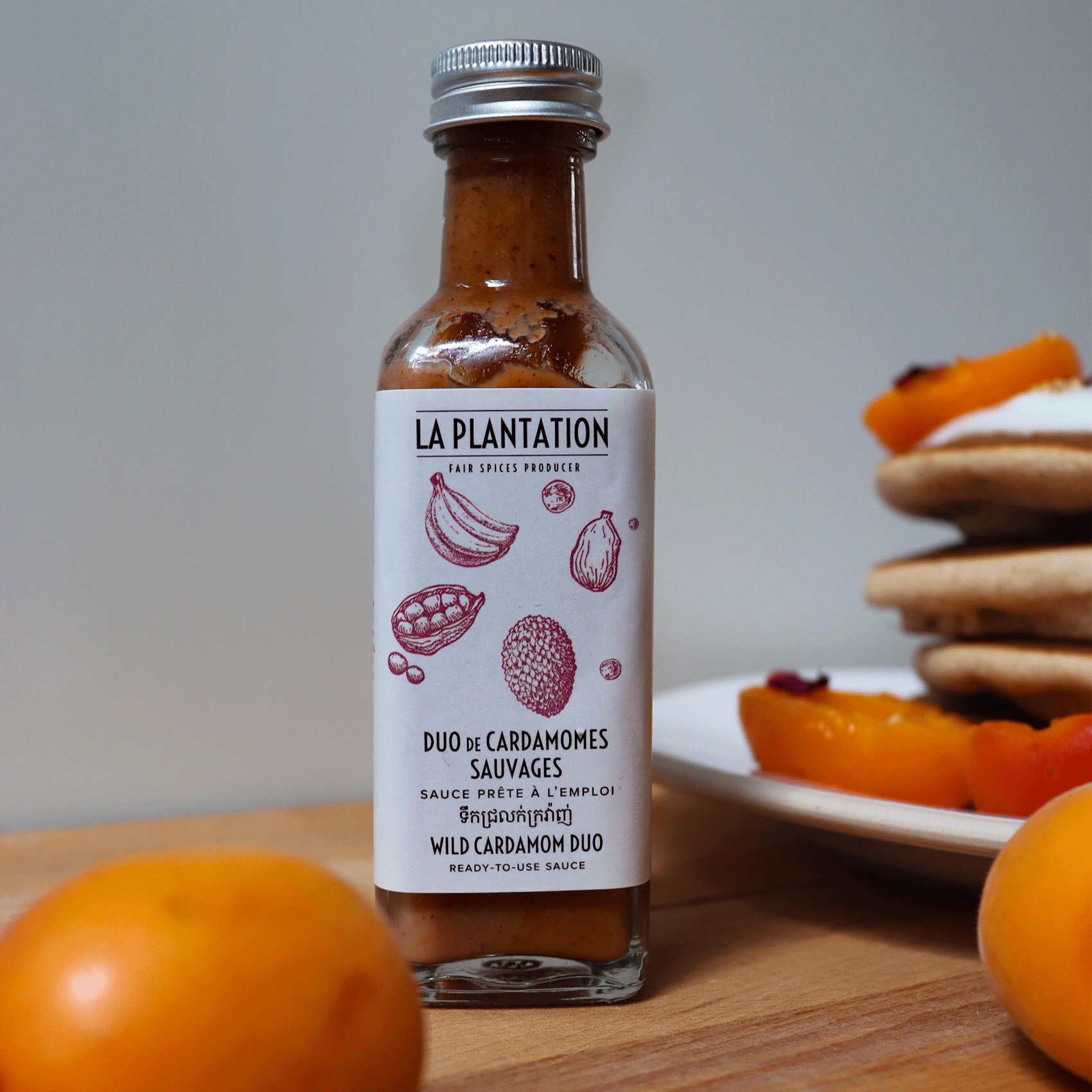
Yes, and it often comes as a pleasant surprise. Fruit-based sauces (tamarind, mango, cardamom) integrate very well into yoghurts, fruit salads, crêpes, or a scoop of vanilla ice cream. Sweet-spicy in dessert is a long-standing tradition in many Asian and Middle Eastern cuisines.


Subscribe to our Newsletter now
Get a free product for your first order!
Donation