We tell you all about Cardamom
Product
-
14.04.23
Suggestions

All about dried fruits: Nutrition, recipes and delicious tips
Sommaire
Key takeways :
|
Dried fruits now play a major role in modern eating habits, partly because they are easy to access and increasingly visible on social media. Their natural sweetness, convenience and rich nutritional profile make them ideal for anyone seeking healthy snacks without giving up pleasure. But to use them well, it is important to understand what a dried fruit really is, how it is made, why it is so nutrient-dense and how to include it in everyday meals.
This article gives a clear, factual and accessible look at dried fruits: their characteristics, their health benefits, the best ways to choose them and how to integrate them into your recipes.
What is a dried fruit?
A dried fruit is a fruit from which 80 to 90% of its water has been removed to extend shelf life and concentrate taste and nutrients. This process naturally increases sugars, fibres and micronutrients, resulting in an energy-dense and nutritionally rich food.
Drying can be done in several ways, each affecting texture, flavour and nutritional quality.
Sun drying: A traditional technique still used for raisins and figs. It produces a deep flavour but depends heavily on weather conditions.
Low-temperature dehydration: This gentle method removes water at around 40–55°C. It is considered the most respectful of nutrients.
Oven drying: A practical home method, though less precise; high heat may reduce certain vitamins if the temperature rises too much.
Air drying: Less common but still used in some artisanal productions.
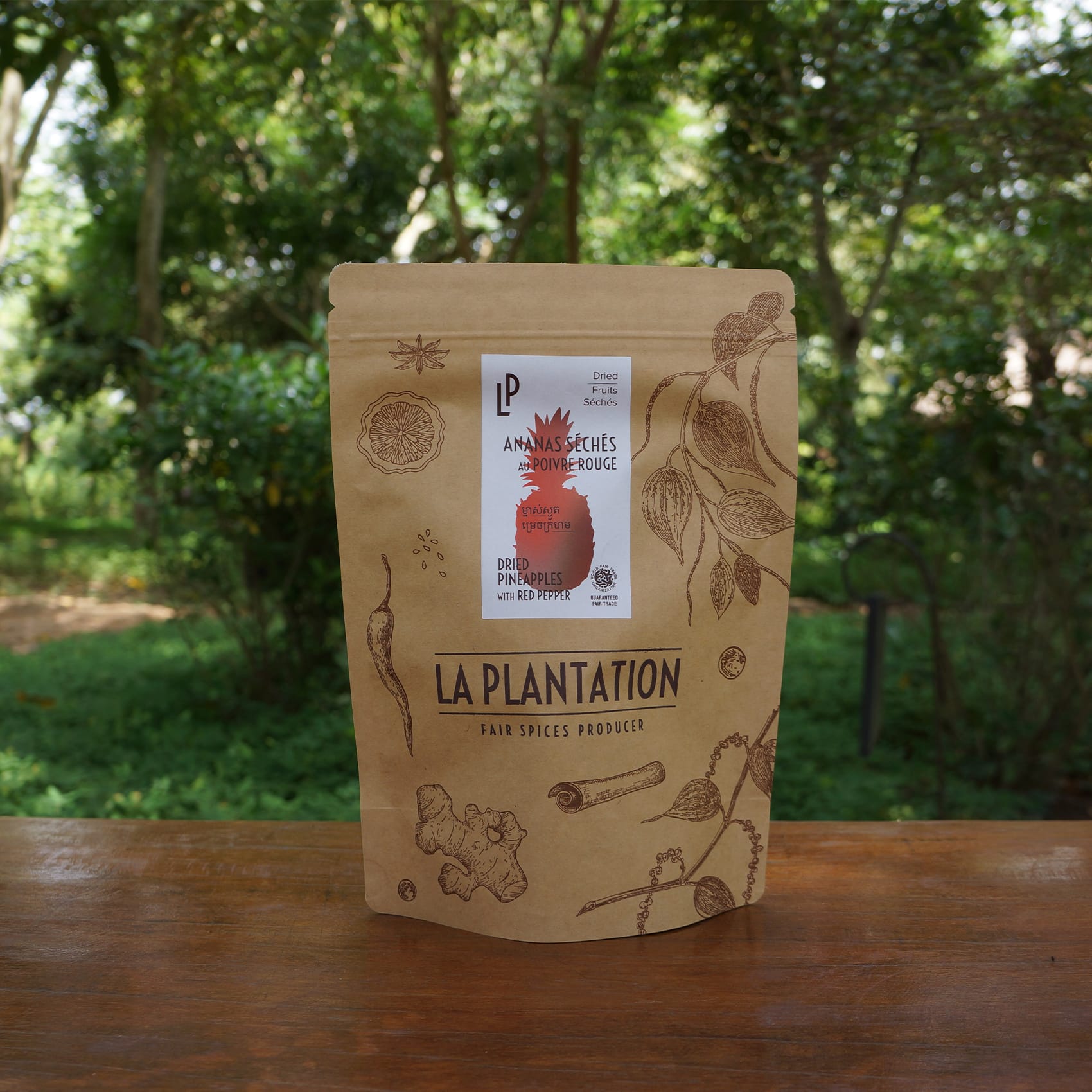
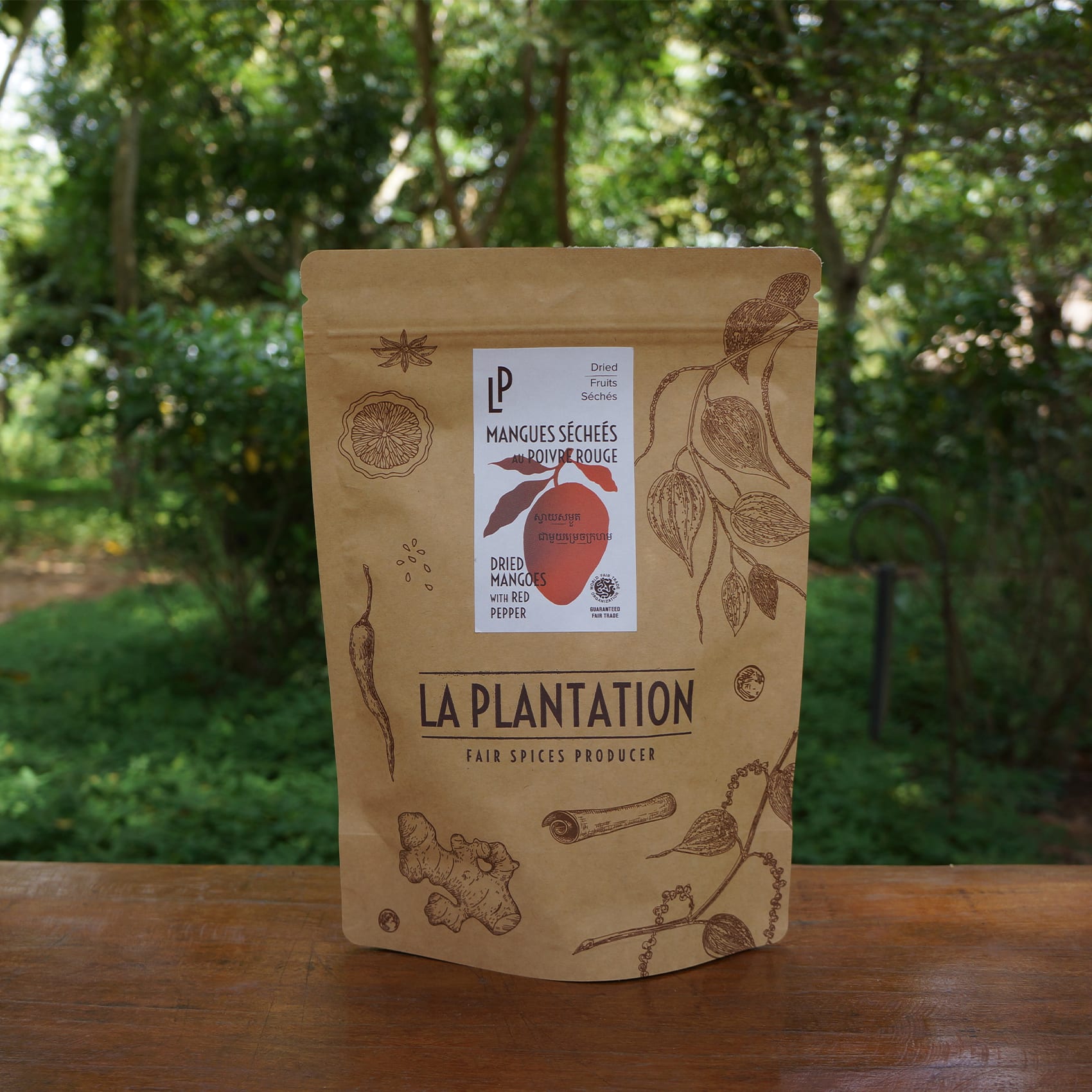
At La Plantation, our range of dried fruits are prepared manually: harvested at maturity, peeled, sliced, sometimes lightly dipped in natural syrup, then dried at low temperature. This method preserves intense flavour, natural colour and tender texture for optimal enjoyment.
Dried fruits are recognised for their strong nutritional profile when eaten in moderation. Their concentrated nutrients make them a valuable ally in a varied, balanced diet.
Dried fruits contain three to four times more fibre than fresh fruits, because water loss concentrates all nutrients. (source : Study from Louise E Bennett et al. – Micronutrient mineral and folate content on fried fruit products)
These fibres help support digestion, promote satiety and may help stabilise blood sugar levels.
Low-temperature drying concentrates many micronutrients, including:
This makes dried fruits a natural boost for daily nutrition, especially when consumed in small, regular portions.
Dried fruits are also rich in natural antioxidants such as polyphenols, carotenoids and flavonoids.
Studies show that prunes and raisins are among the richest polyphenol sources in an everyday diet, helping fight oxidative stress and supporting overall health.
What is the difference between dried fruits and nuts?
Understanding the difference between dried fruits and nuts is essential for choosing the right food for your needs.
Dried Fruits: These are dehydrated fruits, such as raisins, dried apricots, dates, figs, dried mango or dried pineapple.
They are rich in simple carbohydrates, but also extremely concentrated in fibre, minerals and antioxidants.
Nuts or oilseeds: This category includes almonds, walnuts, hazelnuts, cashews and pecans.
Unlike dried fruits, nuts are not dehydrated. They are naturally low in water and rich in: healthy unsaturated fats, plant-based proteins, magnesium, calcium, zinc and other minerals.
Both groups are nutritious, but they play different roles in a balanced diet.
Which dried fruits should you choose for a healthy diet?
All dried fruits are naturally rich in fibre, minerals and antioxidants, but some stand out, especially when they are 100% fruit with no added sugar or preservatives.
Dried Apricots; A great source of beta-carotene and fibre.
Dried Figs: Rich in calcium and fibre, ideal for bone health.
Prunes: Well known for their soluble fibre, beneficial for digestion and transit.
Grapes: A quick natural energy source, rich in iron and B vitamins.
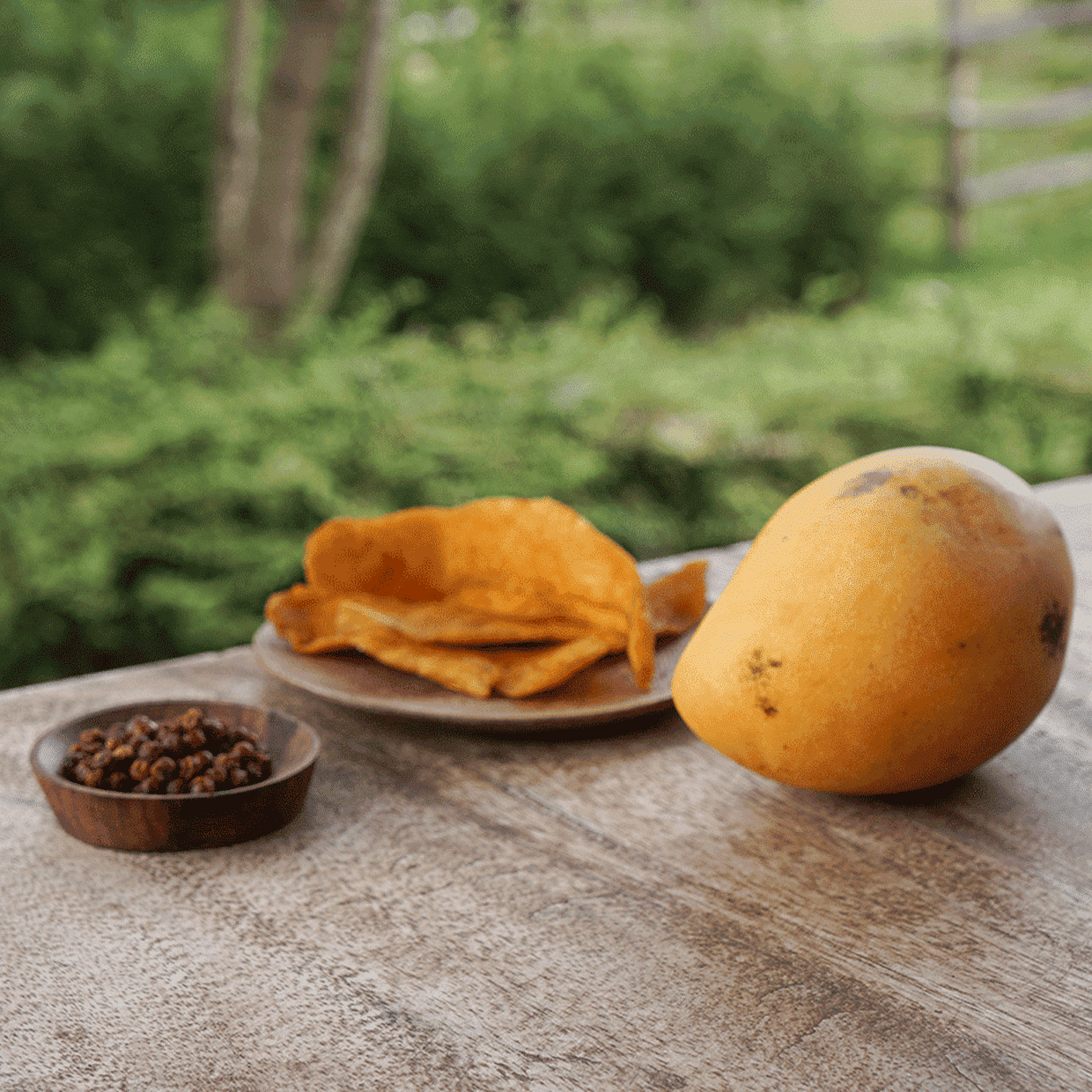
Dried Mango: High in antioxidants and vitamin C—especially when dried slowly at low temperature.
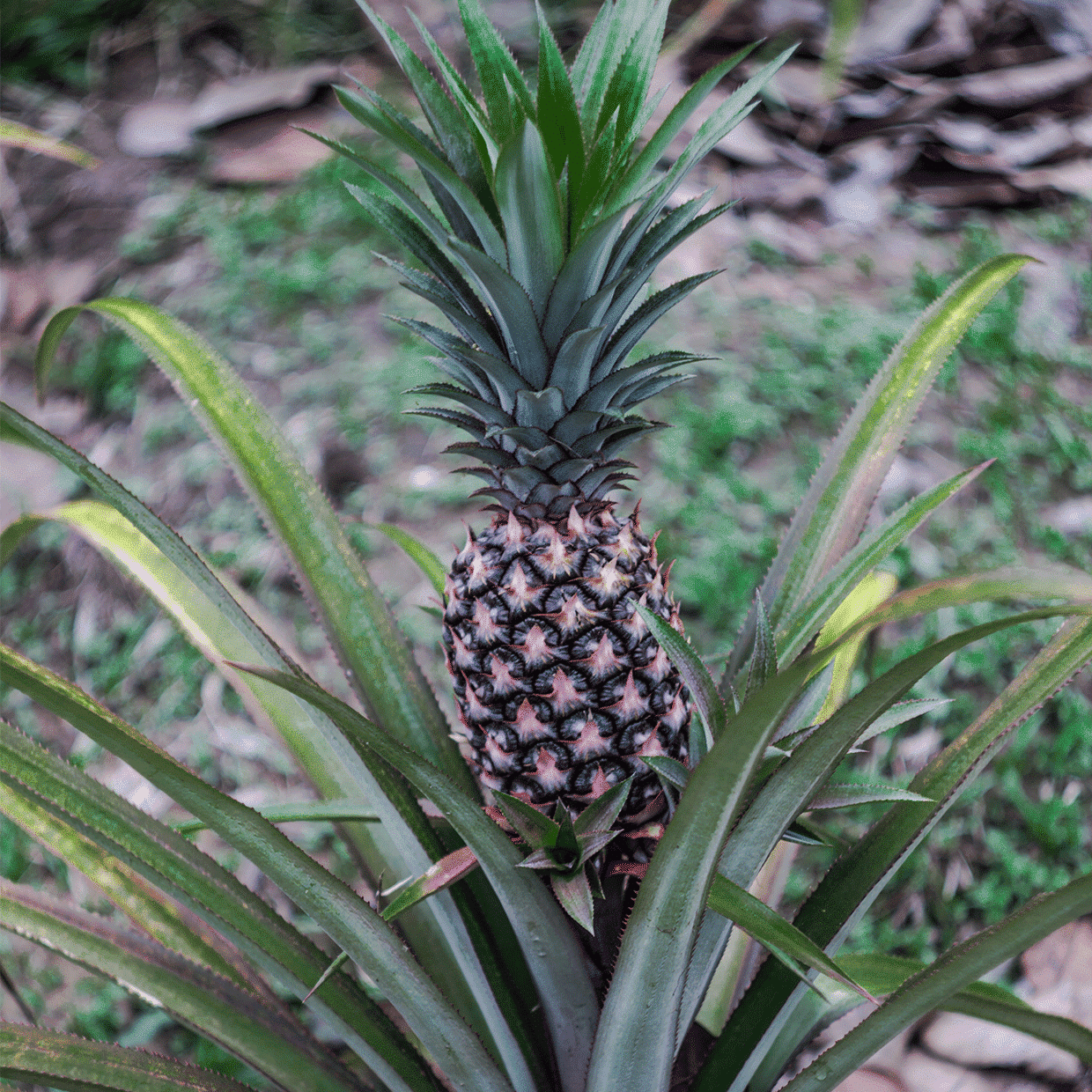
Dried Pineapple: Provides manganese and a fresh, tangy flavour appreciated in both sweet and savoury dishes.
When dried gently and without additives, these fruits offer a powerful combination of natural sweetness, essential nutrients and delicious texture—making them perfect allies for a healthy, varied and enjoyable diet.
Key criteria for choosing quality dried fruits
Not all dried fruits are equal. Their quality depends on how they are processed, dried and stored. Choosing the right product ensures better flavour and a higher nutritional value.
Good dried fruits contain only the sugar naturally present in the fruit. When fruits are dipped in syrup or coated in added sugar, they become more caloric and lose nutritional balance. A clean label should list only the fruit, without additives.
Gentle drying preserves vitamins, minerals and antioxidants.
When the temperature is too high, nutrients such as vitamin C and some antioxidants may degrade.
Look for mentions like “low-temperature drying”, “slow dried”, or “dehydrated at 40–55°C.”
Many commercial dried fruits—especially apricots—are treated with sulphites (E220) to keep a bright colour.
These additives are unnecessary and can be avoided. Choose options labeled:
Darker colour is often a sign of naturality, not oxidation.
A high-quality dried fruit should be soft but not sticky, show a natural, slightly darker colour and smell like the original fruit
These signs indicate minimal processing and a better gustatory experience.

How to add dried fruits to your daily diet
Dried fruits are versatile, delicious and easy to use every day. Their soft texture, concentrated flavour and nutrient density make them perfect for enhancing meals without effort.
They are not meant to replace fresh fruit but to complement a balanced diet with natural energy and convenience.
It only takes a moment to enjoy a slice of dried mango or pineapple.
Their tender texture and natural sweetness offer instant pleasure, with the added benefit of long shelf life and easy transport.
They are ideal for:
Dried fruits also make excellent additions to aperitif boards, paired with aged cheese, nuts or dark chocolate for a refined, gourmet touch.
Dried fruits bring flavour and texture to morning meals. You can use them in:
Homemade Granola: Mix oats, nuts and diced dried pineapple or mango.
Porridge or Yogurt Bowls: They add a pleasant contrast between creamy and chewy textures.
Tropical Smoothies: Blend dried mango with banana and coconut milk for a rich, fragrant drink.
Dried fruits add sweetness, aroma and balance to savoury dishes.
They work well in:
Tagines and Curries: Add dried pineapple or apricot for a sweet-savory contrast.
Rice pilaf or stir-fried Rice: Incorporate dried mango or pineapple for natural flavour.
Salads: Mix dried fruits with crunchy vegetables and seeds for colour, texture and energy.
Dried fruits shine in sweet recipes thanks to their moisture and fragrance:
Cookies, Muffins and Cakes: Try white chocolate & dried pineapple cookies or mango madeleines.
Compotes and Chutneys: Excellent with curries, roasted meats or cheese boards.
Smoothies, Yogurts and Granola: Cut dried fruits into small pieces to boost texture and sweetness.
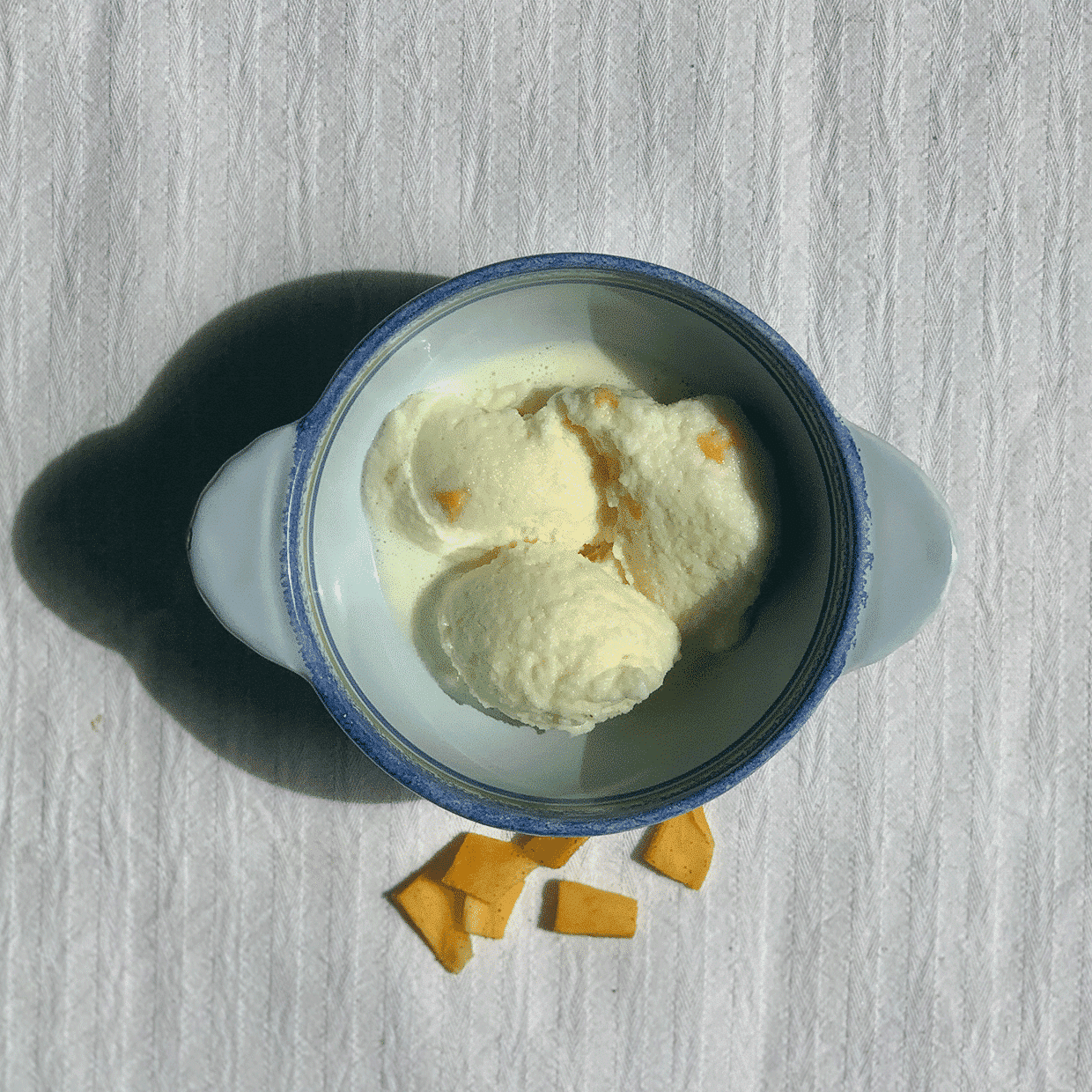
Cocktails or Aperitifs: Use strips of dried pineapple as natural decoration.
Frequently asked questions about dried fruits
Yes. Dried fruits are healthy when eaten in moderation. They provide fibre, vitamins and antioxidants that support digestion, immunity and overall well-being. They offer natural energy and make a nutritious snack, especially when you choose options with no added sugar.
A reasonable portion is 20 to 30 g per day, about a small handful. This amount gives you the benefits of fibre and micronutrients without excess sugar. Athletes may consume more before exercise, but the key is to listen to your hunger and keep balance. (source: article published on nhs.uk)
Dried fruits last best when stored:
Their shelf life is usually 6 to 12 months depending on the fruit. You can also freeze dried fruits to extend storage and preserve flavour and texture perfectly.
No, dried fruits do not cause weight gain by themselves. They are more calorie-dense than fresh fruit because they contain less water, but they remain natural, fibre-rich foods. In reasonable portions, they fit easily into a balanced diet and provide lasting energy.
Dried fruits are dehydrated fruits (like raisins, apricots, figs, mango).
Nuts are natural oleaginous fruits (like almonds, walnuts, hazelnuts).
Dried fruits offer fibre and natural sugars, while nuts provide healthy fats and plant proteins. Both are nutritious but serve different roles in daily nutrition.


Subscribe to our Newsletter now
Get a free product for your first order!
Donation