Complete Guide: How to pair Spices in cooking
Our Tips
-
18.04.25
Suggestions
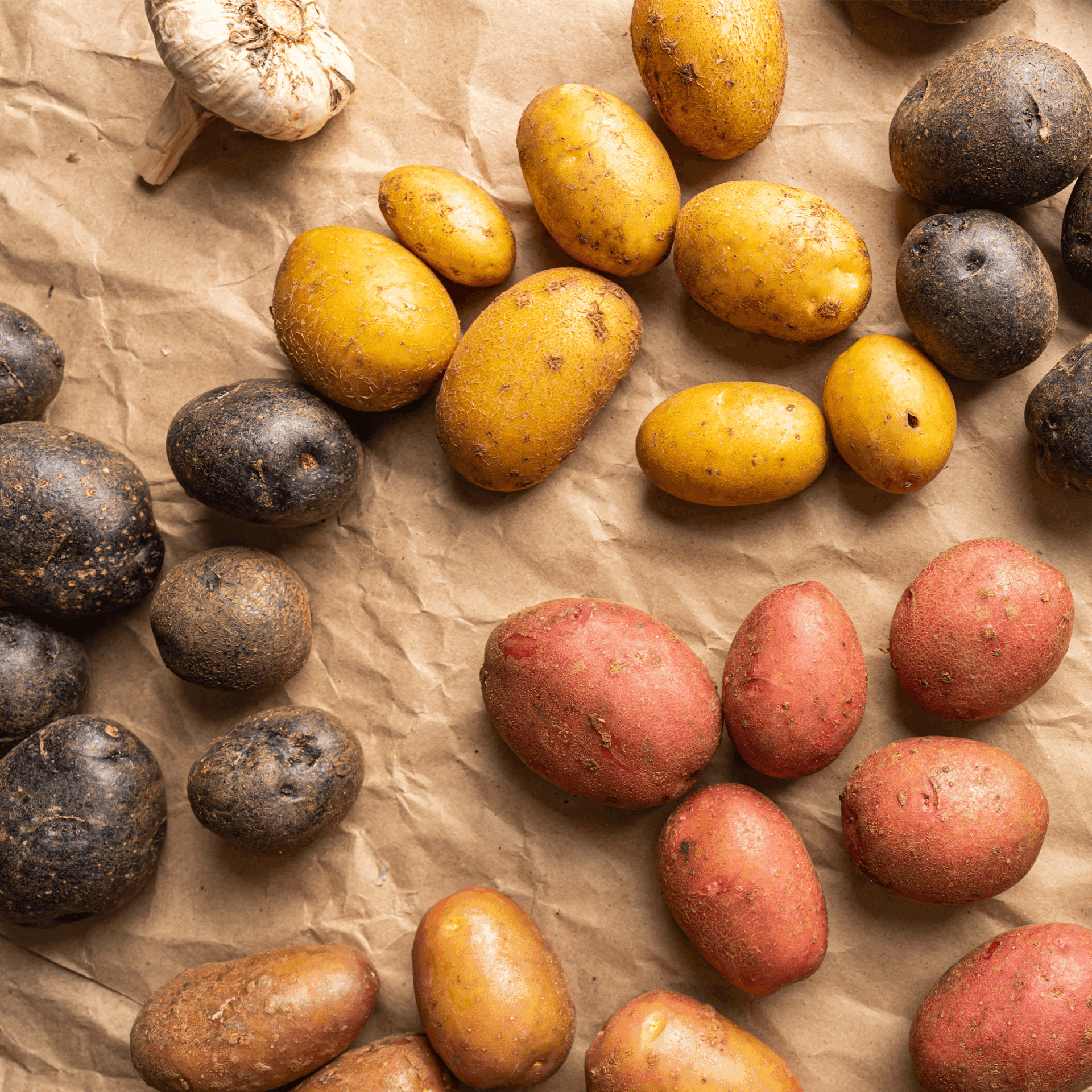
The Complete guide: Spices and seasonings for potatoes
Sommaire
|
Potatoes sometimes suffer from an undeserved reputation for blandness. They are often placed among the most neutral of ingredients, a simple caloric vehicle for absorbing butter or the sauce of the day. And yet this neutrality is precisely what makes the potato one of the best aromatic carriers in the kitchen: with the right spices for potatoes, a quietly spoken tuber becomes a dish in its own right.
From smoked paprika to zaatar, cumin to rosemary, potatoes pair with a far wider palette of spices than most people imagine. The key is knowing which pairing works, for which variety, and with which cooking method: a floury Bintje and a firm Charlotte do not respond in the same way to the same spice blend, and a hot oven at 200°C does not develop the same aromas as a steam basket.
This guide details the most suitable spices for potatoes, their dosages, the mistakes to avoid, and the best pairings by variety and cooking technique.
Why seasoning your potatoes properly changes everything?
This neutrality, far from being a flaw, is in practice a culinary strength. Potato amplifies spices without ever crushing them. It lets paprika express itself fully, cumin deploy its entire earthy depth, and zaatar bring its liveliness — without any of those flavours having to compete against a pre-existing background taste.
The cooking method also plays a decisive role in the final result. The same spices, applied to a steamed potato or an oven-roasted potato, give noticeably different results. The dry heat of the oven caramelises the natural sugars of the tuber and concentrates the aromas of the spices associated with it; steaming, on the other hand, preserves a softer texture and calls for seasonings added after cooking.
The texture of the flesh determines much of how to season a potato.
A floury potato which crumbles when cooked absorbs spices in depth. It is particularly suited to mashed potato and seasoned steamed preparations, where the spice must permeate the whole flesh rather than staying on the surface.
A firm waxy potato which holds its shape through cooking supports spices on the surface. This characteristic makes it ideal for roasted preparations, pan-fries, and salads, where the seasoning should remain perceptible without dissolving into the flesh.
A smooth, yielding potato occupies an intermediate position, its versatility allows it to adapt to either approach, depending on the chosen cooking method.
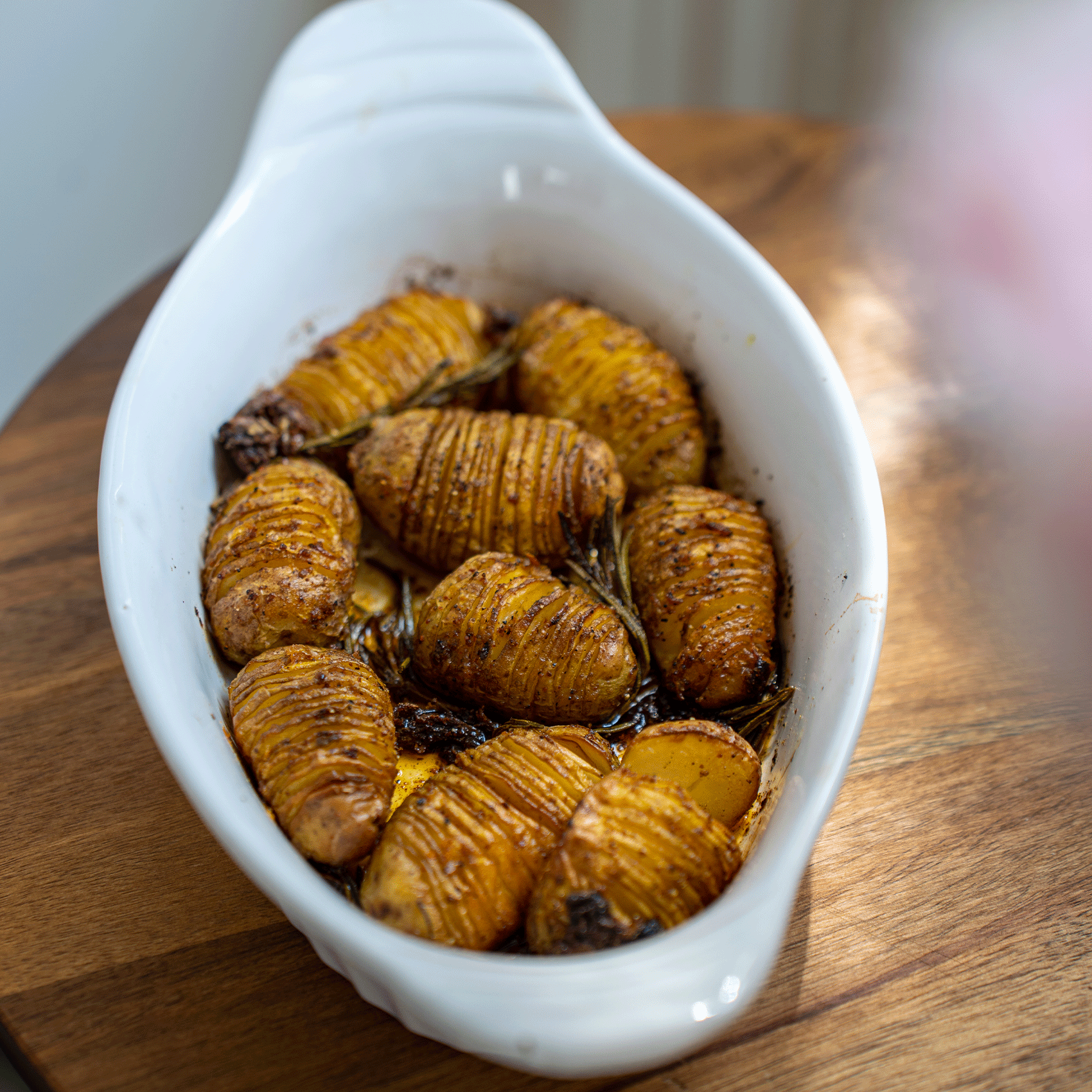
The best spices for potatoes
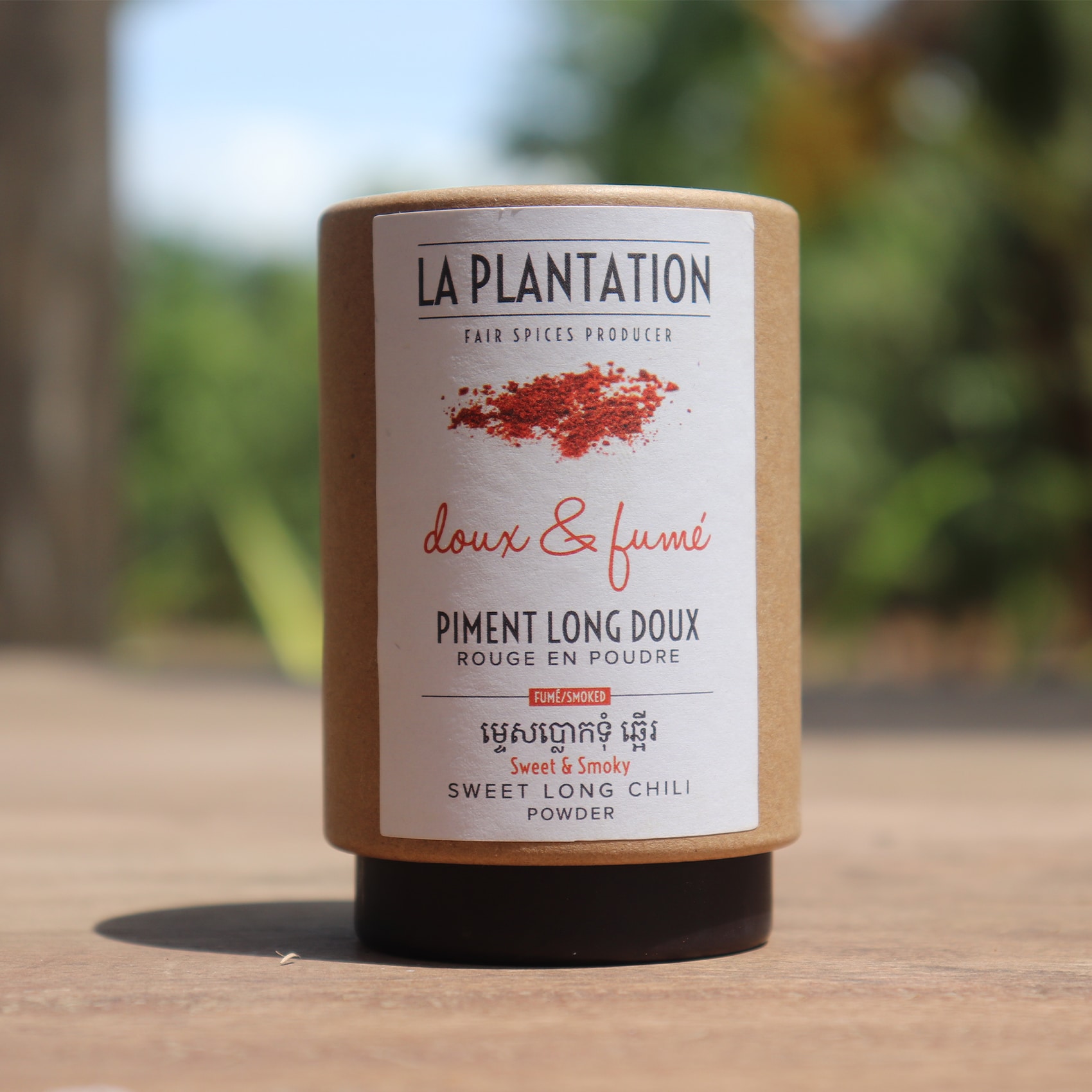
Paprika whether sweet or smoked brings a characteristic red-orange colour, a gentle warmth, and notes of sweet pepper. Its lightly sweet flavour pairs naturally with the starch of the potato, and its colour visually transforms any preparation into something more appetising.
It is used on oven-roasted potatoes, homemade chips, sautéed potatoes, and gratins. Allow 1 teaspoon per 500g of potatoes, added before cooking for optimal caramelisation. Smoked paprika on its own brings an ember-like note that is very effective with no barbecue required.
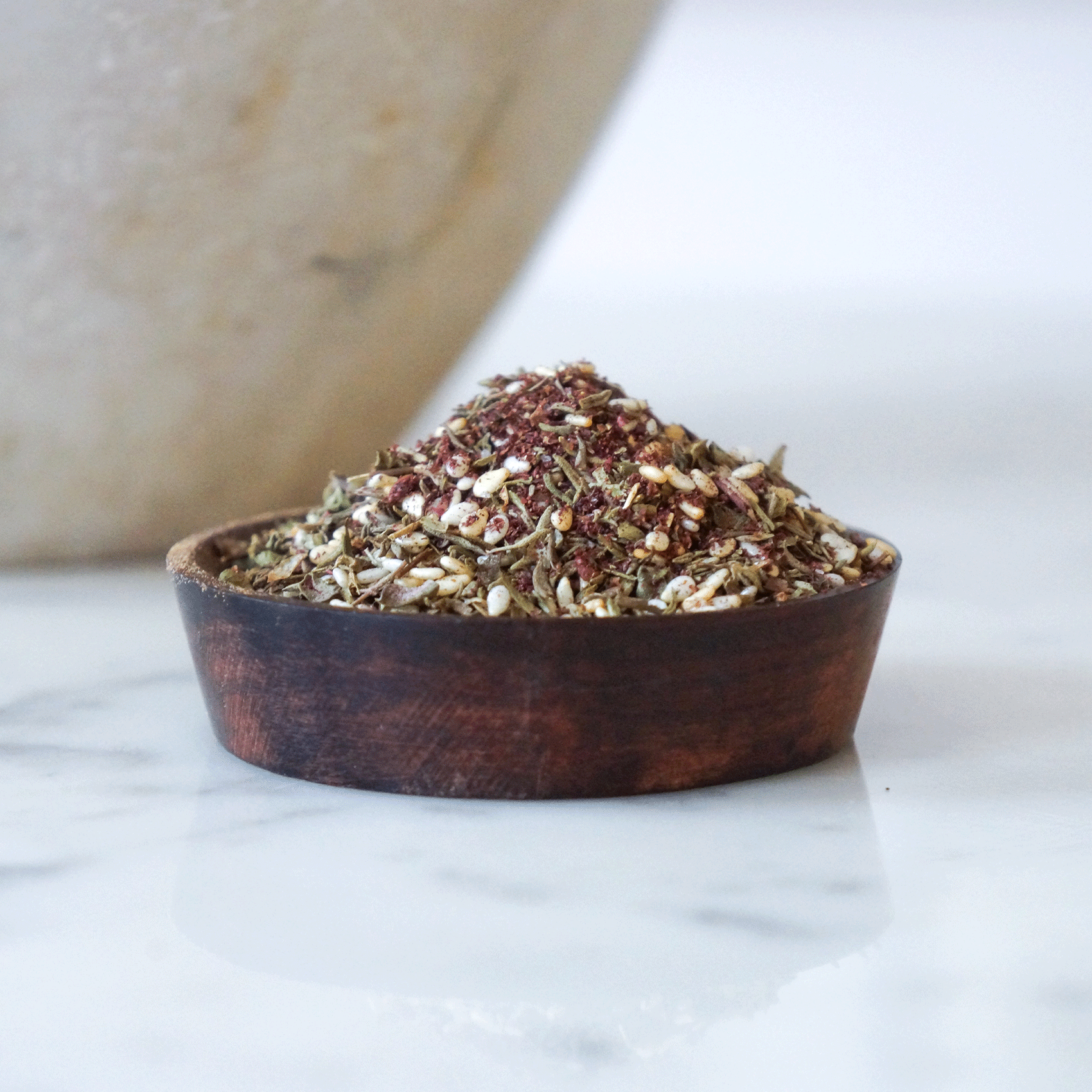
Zaatar is a traditional Levantine blend of thyme, sesame, sumac, and oregano. Its herbaceous, lightly acidic, and savoury profile owes much to the natural acidity of sumac, which contrasts with the floury sweetness of the potato. The result is lively and appetising at once familiar and surprising.
Zaatar works particularly well on roasted new potatoes, oven-baked potatoes, homemade crisps, and warm potato salads. Use around 1½ teaspoons per 500g, mixed with a drizzle of olive oil, as a coating before cooking.
Cumin develops a warm, earthy, and lightly bitter profile that immediately evokes Indian and Mexican cooking. Its earthy character resonates with the root side of the potato — the two ingredients complement rather than contrast with each other.
It integrates naturally into Indian-style sautéed potatoes (aloo jeera), potato curries, and spiced chips. Allow ½ teaspoon per 500g, and toast the seeds dry for 30 seconds before adding the potatoes: this step releases the essential oils and significantly intensifies the aroma. For a more complete pairing, combine cumin with ground coriander.
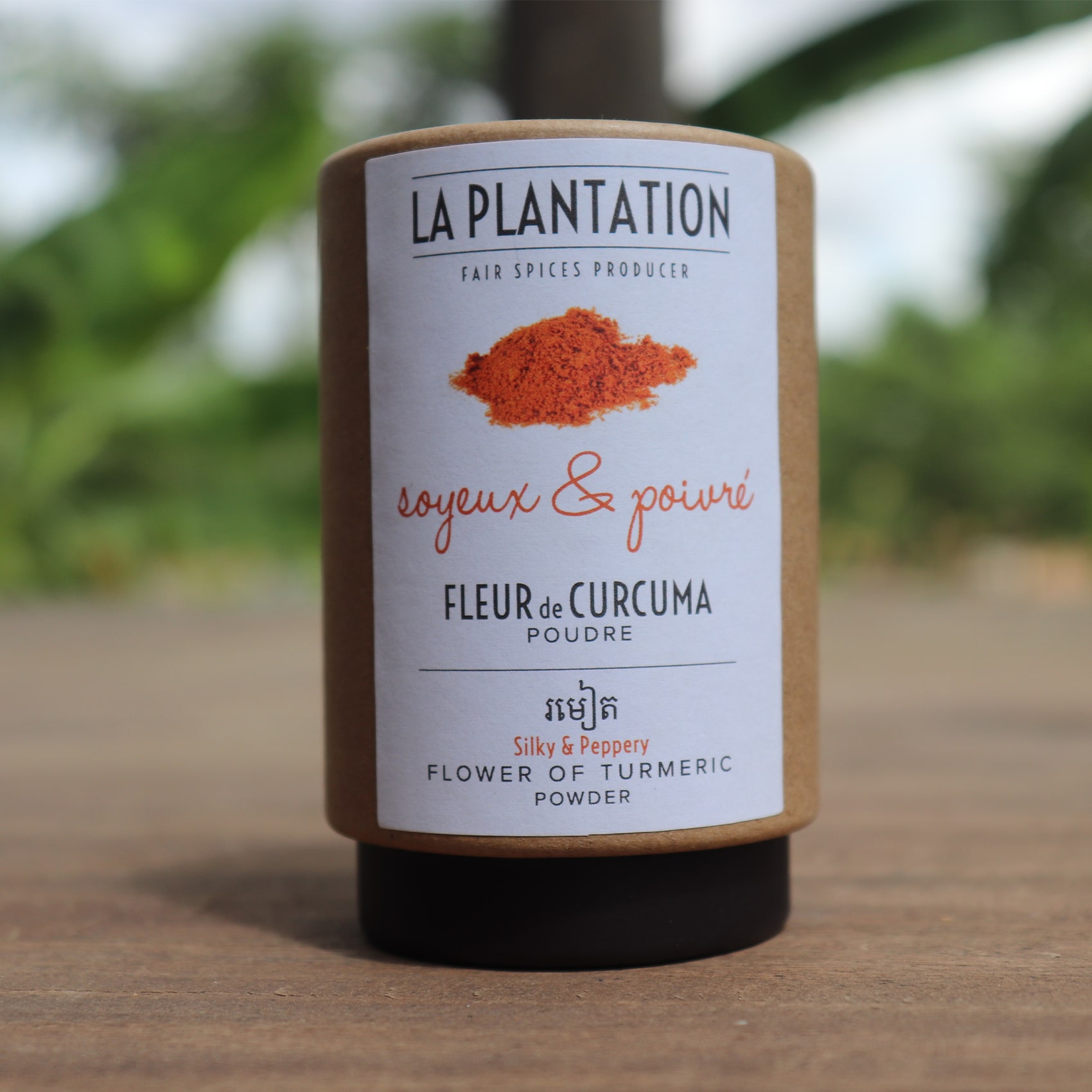
Turmeric stands out for its earthy, lightly bitter profile and its intense yellow colour. It tints the potato a spectacular golden yellow and gives it a gentle warmth with both visual and gustatory.
Use in golden mash, steamed potatoes, gratin, or Indian-style sautéed potatoes. Dose ½ teaspoon per 500g, together with a pinch of black pepper, the piperine in the pepper activates the curcumin and improves its absorption. Turmeric must always be paired with a fat such as cooking oil or butter to fully release its pigments.
Rosemary offers a woody, camphor-like, and powerful profile; thyme is softer, floral, and more versatile. Their essential oils are particularly resistant to oven heat and infuse progressively into the potato throughout the cooking time.
Both Mediterranean herbs suit oven-roasted potatoes, oil-confit preparations, pommes sarladaises, and gratins. Use one sprig of fresh rosemary, or one teaspoon of dried herb, per 500g of potatoes. One method point to remember: fresh herb sprigs are removed before serving, while dried herbs can remain in the preparation.
Pepper brings a woody, spicy, and complex flavour whose intensity varies by variety. It lifts all potato seasonings without ever dominating them — it is the structural spice, the one that gives relief to the whole preparation.
Its use is almost universal across all preparations, as a finishing touch. Allow 3 to 5 turns of the mill just before serving, never at the start of high-heat cooking, as heat destroys part of its aromatic compounds and develops an unpleasant bitterness. Kampot pepper, with its characteristic woody and fruity notes, brings an additional dimension beyond an ordinary pepper.
Espelette pepper stands out for its lightly spiced, fruity, and persistent warmth. Its softness lifts dishes without ever assaulting the palate which making it a particularly suitable choice for those who are unaccustomed to heat.
Use on roasted potatoes, homemade chips, crisps, and crushed potato preparations. Dose between ¼ and ½ teaspoon per 500g, according to the tolerance you are cooking for.
Spice pairings by potato variety
Charlotte and Ratte have a yellow, firm, and lightly buttery flesh that holds perfectly through cooking. Their spice of choice remains rosemary and garlic, a classic pairing that reveals their buttery, nutty side without ever masking it. Zaatar is an interesting alternative: its herbaceous and lightly citrusy notes create an elegant Mediterranean pairing. These varieties are particularly well suited to oven-roasted, warm potato salad, and pan-fried preparations.
Bintje, with its white, floury, neutral flesh, is the most accessible and widely used variety. The pairing of smoked paprika and garlic powder is its spice of choice, this reliable duo is a genuine safe bet for everyday cooking. For a more surprising version inspired by Indian cooking, cumin and coriander offer a warm alternative. Bintje is ideally suited to chips, mash, gratin, and steamed potato.
Vitelotte and blue potatoes have a purple, dense, and lightly earthy flesh with a more complex flavour than white varieties. The pairing of freshly ground black pepper and fleur de sel lets this distinctive flavour speak without crushing it. Espelette pepper is a relevant alternative — its gentle, fruity warmth creates a remarkable visual and gustatory contrast against the purple flesh. These varieties are best enjoyed steamed, as homemade crisps, or as a side to fish.
New potatoes are characterised by thin skin, soft flesh, and a lightly sweet flavour which allows them to be cooked whole. Their spice of choice is thyme, rosemary, and garlic: these Mediterranean herbs, cooked whole in their skins, create a remarkable progressive aromatic diffusion. Zaatar is a very effective alternative: roasted whole with a drizzle of olive oil, new potatoes develop an immediately successful pairing.
| Variety | Texture | Primary spice | Alternative spice | Ideal use |
|---|---|---|---|---|
| Charlotte, Ratte | Firm, buttery | Rosemary, garlic | Zaatar | Roasted, salad, pan-fried |
| Bintje | Floury, neutral | Smoked paprika, garlic | Cumin, coriander | Chips, mash, gratin |
| Vitelotte | Dense, earthy | Black pepper, fleur de sel | Espelette pepper | Steamed, crisps |
| New potatoes | Soft, sweet | Thyme, rosemary + garlic | Zaatar | Roasted whole |
| Agata, Monalisa | Versatile | Paprika, turmeric | Curry | All preparations |
Spices for potatoes by cooking method
The dry heat of the oven transforms the natural sugars of the potato with spices that caramelise well are therefore the most effective in this cooking method. The ideal combination pairs smoked paprika, garlic powder, rosemary, olive oil, and fleur de sel. A Mediterranean variation, built on zaatar, olive oil, and lemon, is equally convincing.
The most important method point: always coat the potatoes in a mixture of oil and spices before putting them in the oven. Never apply dry spices directly to an unoiled potato, they burn on contact with direct heat and develop an unpleasant bitterness. The recommended temperature for optimal caramelisation is around 200°C.
Steaming preserves the texture and natural sweetness of the potato. Unlike the oven, spices here should be added after cooking rather than before. The ideal combination is butter, turmeric, and black pepper, or zaatar, olive oil, and lemon for a fresher version.
One effective method: prepare a spiced compound butter in advance with turmeric, paprika, or Espelette pepper and melt it directly over the hot potatoes as they come out of the steamer.
High-heat pan-frying carries a specific risk: burning the spices if they are added too early. The ideal combination is fresh garlic and rosemary, added mid-cooking once the potato is already golden. For a spiced alternative, cumin and coriander are toasted in hot oil before adding the potatoes.
One rule to remember: never add paprika at the start of cooking over high heat it blackens rapidly and turns bitter.
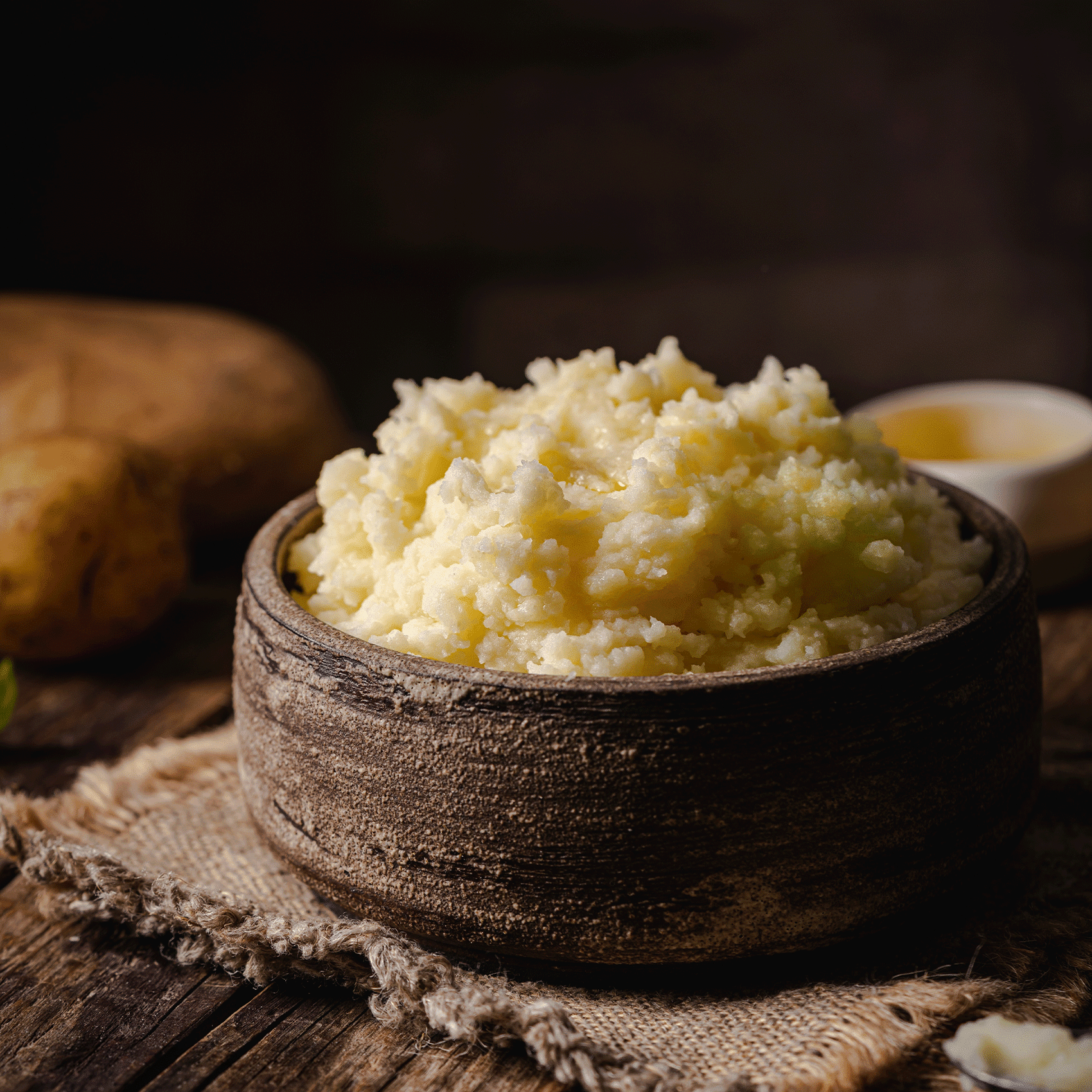
Mash absorbs spices evenly, making it the preparation that allows the greatest aromatic freedom. The classic combination pairs nutmeg, white pepper, and butter. A more original Indian-inspired combination marries turmeric, ginger, and coconut cream for a warmly spiced mash. A more adventurous version pairs Espelette pepper, confit garlic, and olive oil.
| Cooking method | When to add | Recommended spices | To avoid |
|---|---|---|---|
| Oven-roasted | Before cooking, as a coating | Paprika, zaatar, rosemary, garlic | Fresh herbs (they burn) |
| Steamed | After cooking, as a finish | Turmeric, zaatar, pepper, compound butter | — |
| Pan-fried / sautéed | Mid-cooking | Garlic, rosemary, cumin | Paprika (burns over high heat) |
| Mash | End of preparation | Nutmeg, turmeric, Espelette pepper | Whole spices |
| Gratin | Start + finish | Nutmeg, thyme, white pepper | — |
| Cold potato salad | After cooking, in the dressing | Mustard, dill, pepper, fresh herbs | Warm spices alone |
Practical questions about seasoning potatoes with spices.
Two criteria are decisive: choosing the right spice for the variety and cooking method, and respecting the right moment of addition. Dry spices are applied as a coating with a fat before oven cooking. Fresh herbs always go on as a finishing touch, off the heat. For a steamed potato, it is better to prepare a sauce or compound butter and add it at the moment of serving.
No. A floury Bintje absorbs spices in depth and suits intense blends like cumin, curry. A firm Charlotte holds spices better on the surface and suits Mediterranean herbs (rosemary, zaatar) which remain perceptible without dissolving into the flesh. A new potato is best suited to gentle spices that reveal its naturally sweeter flavour.
Always after cooking, off the heat or directly onto the plate. Fresh herbs (flat-leaf parsley, chives, dill) lose their volatile aromas within seconds at high temperature and can develop bitterness. Only woody herbs — thyme on a sprig or rosemary — can go into the oven from the start of cooking.


Subscribe to our Newsletter now
Get a free product for your first order!
Donation